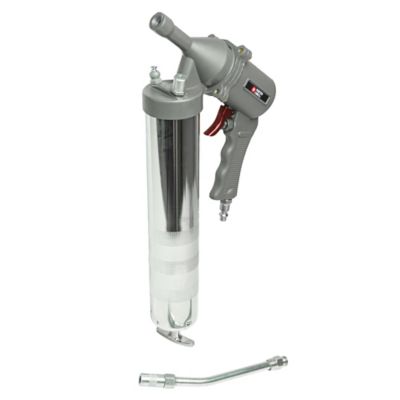
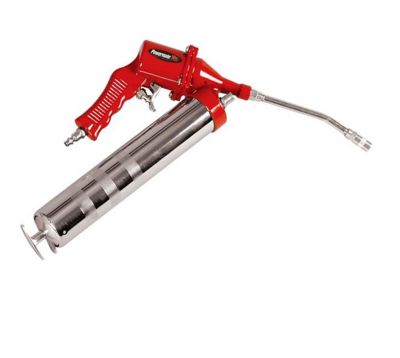
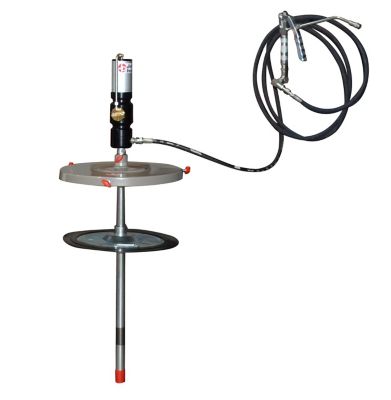
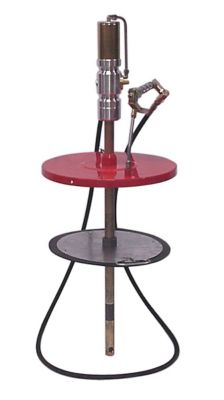
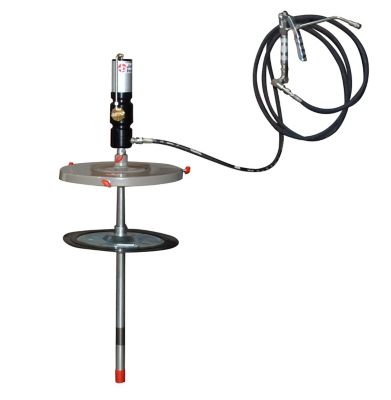
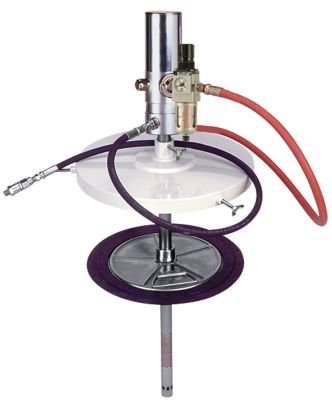
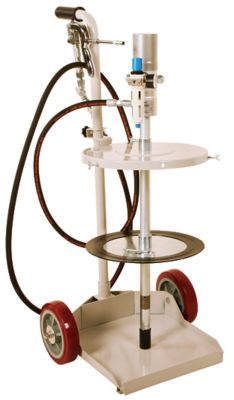
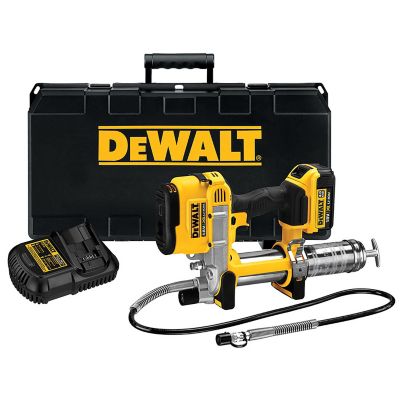
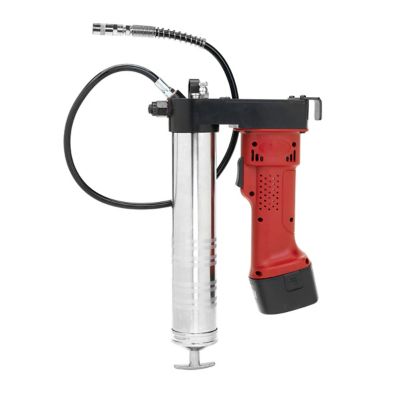
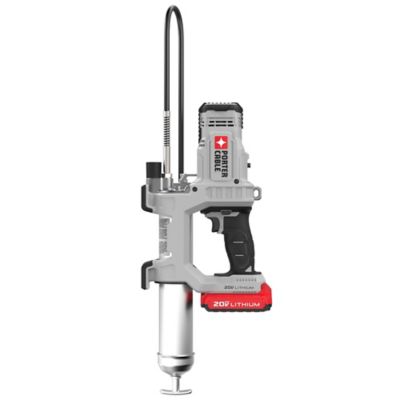
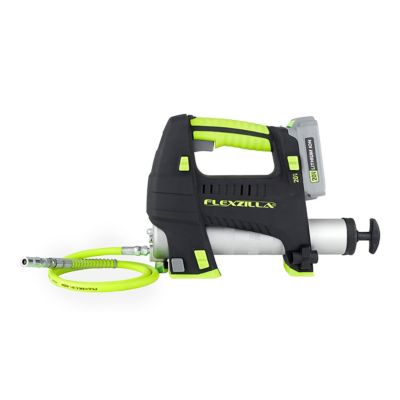
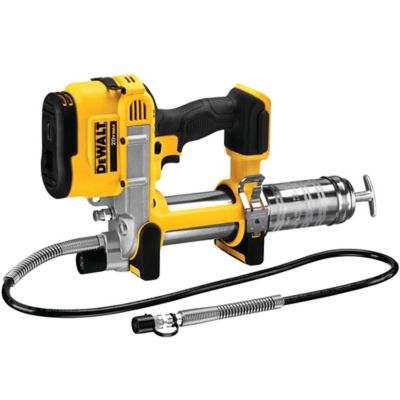
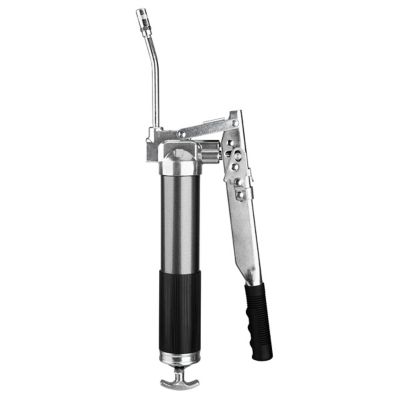
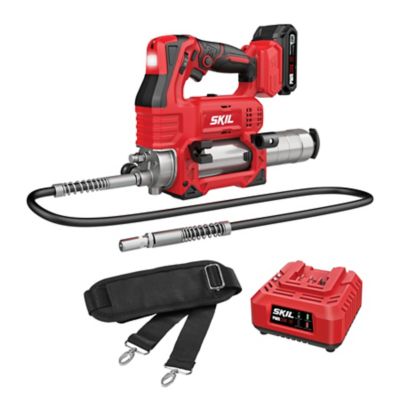
Air-powered grease guns and pumps put compressed air to work on one of the most familiar jobs around a farm, shop or equipment yard: getting grease where moving parts need it. Loader pivots, mower spindles, implement joints and other service points can add up fast, especially when several machines share the same maintenance schedule. A pneumatic grease gun takes much of the repeated hand squeezing out of that work, while an air-operated pump can move grease from a larger container through a hose to a dispensing gun. Both help make regular lubrication more manageable, though the best setup depends on the equipment, the number of fittings and the space where the work happens. A person tending a compact tractor and a few attachments has different needs from a mechanic servicing a row of machines in a repair bay. Single-shot operation delivers a measured stroke with each trigger pull, while continuous-feed designs keep dispensing as long as the trigger stays engaged; the operating style varies by model. That difference matters when some points call for a small amount and others take more grease under the equipment maker’s service directions. Air power also brings a few shop requirements into the picture. The compressor needs to meet the tool’s specified air pressure and airflow demands, and the air line, regulator and connections need to suit the setup. A small compressor that handles occasional work may not keep pace with repeated dispensing throughout a long service session. For anyone comparing pneumatic equipment with other lubrication tools, the broader selection of
Grease Guns provides context for different power sources and handling styles. The appeal of air-powered equipment is straightforward: less hand pumping, steady access to grease and a setup that can fit naturally into a shop already running compressed-air tools. It is especially handy when the same person handles several lubrication rounds between other repair jobs, rather than bringing out a tool for just one fitting.
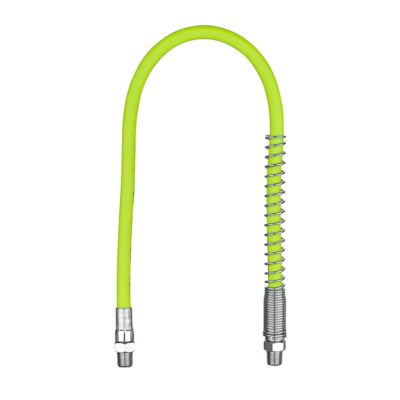
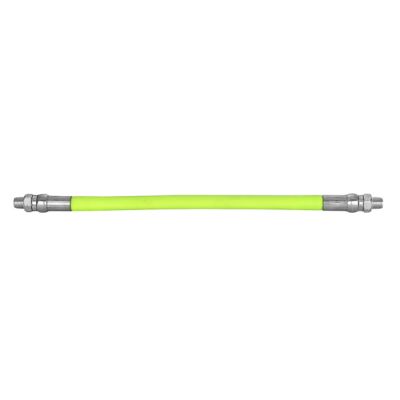
Construction and fit make a noticeable difference once a grease gun is in hand or a pump is connected beside the workbench. Metal barrels and housings provide structure, while steel components, protective finishes and grease-compatible seals help the equipment stand up to regular handling and contact with lubricants. Weight and grip shape matter, too. A gun that feels comfortable at bench height may feel different when reaching beneath a mower deck or holding a hose against a fitting near a loader pivot. Flexible hoses provide room to work around guards and frame members, while rigid extensions can offer more direct control where access is open. Hose length is a tradeoff between reach and keeping the work area clear; extra hose can be helpful across a service bay but cumbersome beside a small machine. Coupler fit deserves just as much attention as the gun itself. Grease fittings, often called zerks, need a sound connection so grease enters the service point instead of collecting around the outside. Worn fittings, awkward approach angles and couplers that do not match the application can all turn a short job into a greasy cleanup. Thread sizes, connection types and pressure ratings need to line up across the gun, hose, extension and coupler. Grease supply is another practical distinction. Cartridge-fed guns keep the supply contained in a portable tool, while container-fed pump systems suit work that calls for more grease without frequent cartridge changes. Container dimensions, pump-tube length and mounting arrangements determine whether a pump fits its intended pail or drum. Follower plates and covers can help manage the grease supply and limit exposure to shop debris when they are part of the system. Grease consistency and seal compatibility also matter, so the lubricant requirements belong alongside the air requirements when comparing equipment. For air-operated pumps, the pressure ratio describes the relationship between inlet air pressure and potential grease outlet pressure. More pressure is not automatically better; the entire dispensing system and the machine’s lubrication points must be suited to the application.
Everyday handling and care have a lot to do with how well an air-powered lubrication setup serves the shop over time. Grease attracts grit, and the dirt sitting on a coupler or fitting can end up where it does not belong. Clean contact surfaces, capped connections where provided and storage away from grinding dust help keep contamination out of the job. Keeping different lubricants clearly separated matters as well, since greases are not always compatible simply because they look alike. A labeled gun dedicated to a particular grease can make life easier when one machine calls for a different lubricant than the rest. Air pockets can interrupt delivery after loading or changing containers, so accessible priming or bleeding features are worth attention, especially on equipment that gets replenished often. On the air side, filtration, moisture control and any lubrication requirements depend on the tool maker’s directions. Some equipment calls for air-tool oil, while other designs have different requirements. Hoses, seals and connections also benefit from regular inspection for leaks, cracks, loose fittings or other damage before pressure is applied. High-pressure grease can penetrate skin, so hands should never be the means of checking a leak or clearing a blocked outlet. Pressure relief according to the equipment instructions is essential before disconnecting or servicing pressurized components, and a suspected injection injury requires immediate medical attention even if the mark looks small. Around the farm, the most useful setup is often the one that fits the actual work rather than the biggest machine in the shed. A portable gun makes sense for scattered service points within reach of an air hose, while a container-fed pump can keep grease close at hand in a dedicated maintenance area. Easy-to-handle connections, sensible hose routing and a comfortable trigger all help when there are several fittings left to reach. Matched to the lubricant, compressor and equipment, air-powered grease guns and pumps can take some of the strain out of a necessary job and help keep routine service from becoming a chore that gets put off.