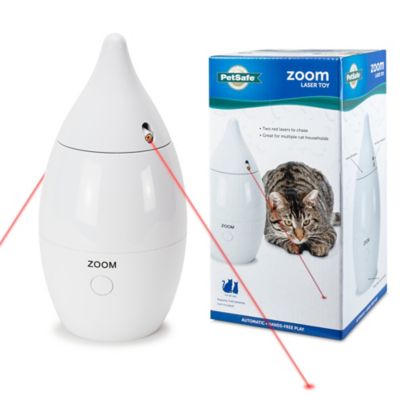
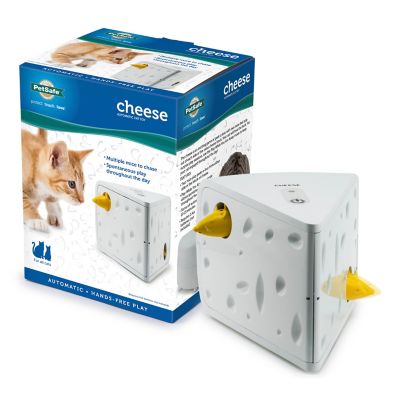
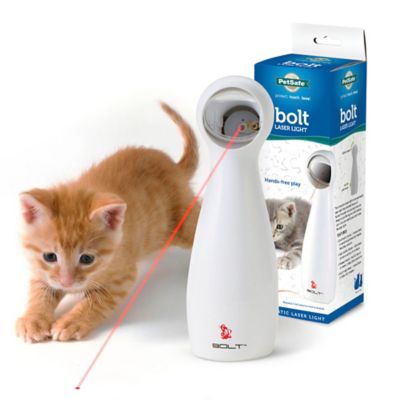
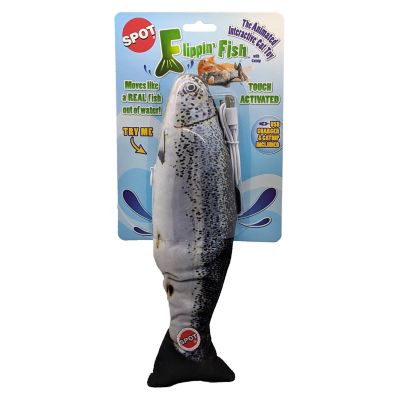
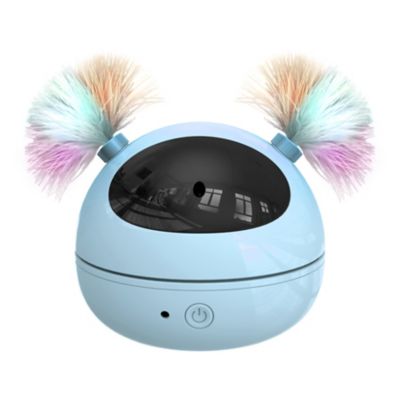
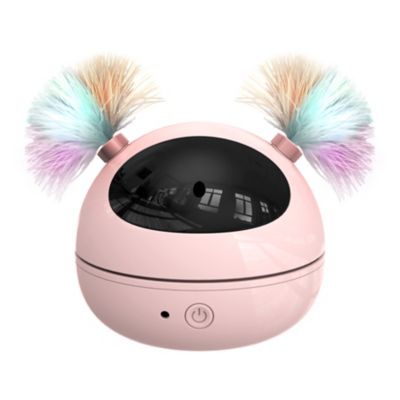
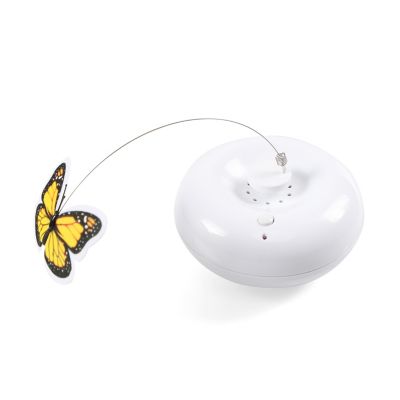
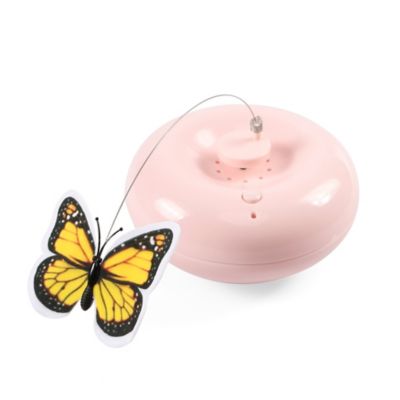
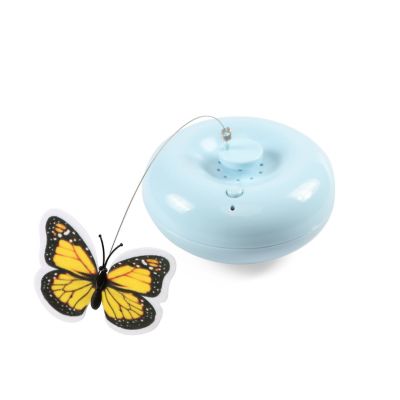
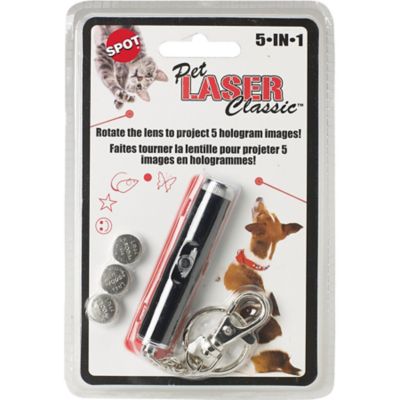
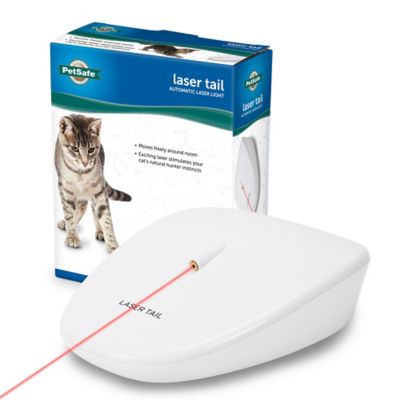
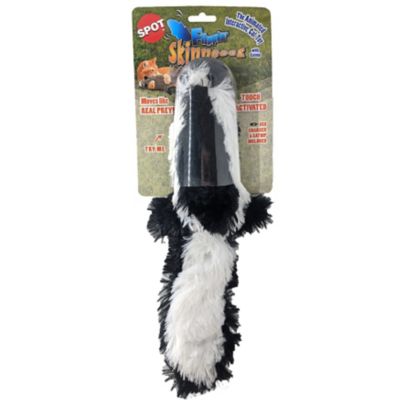
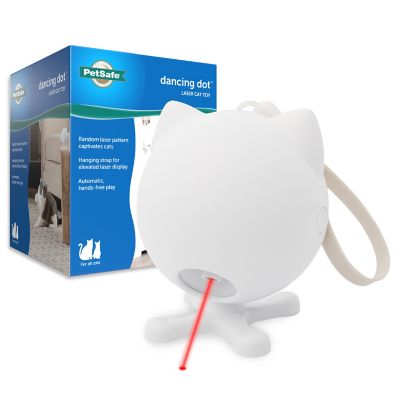
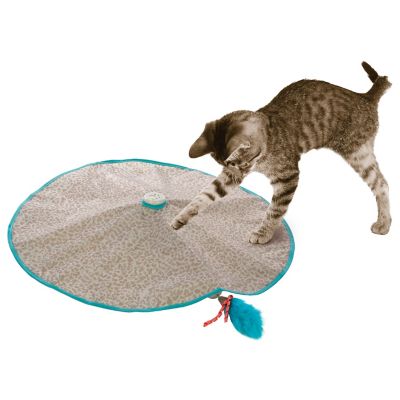
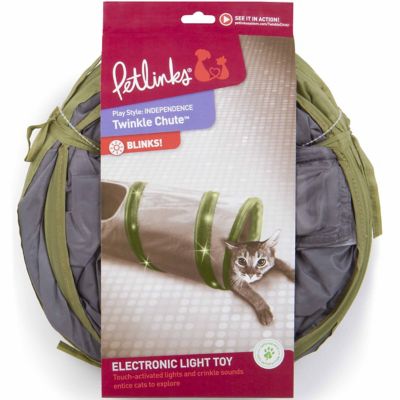
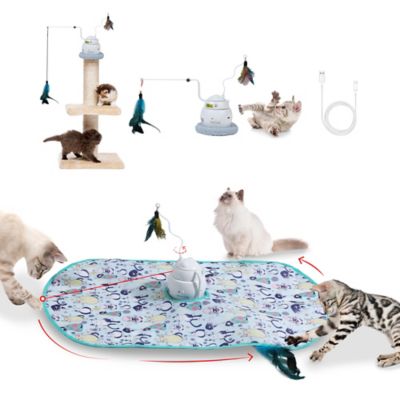
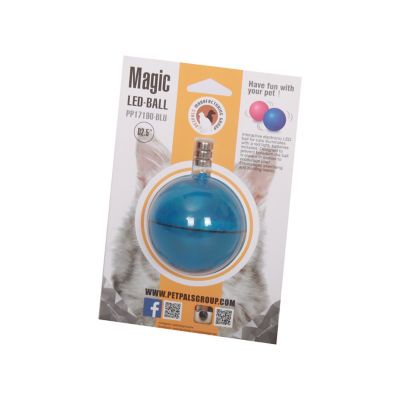
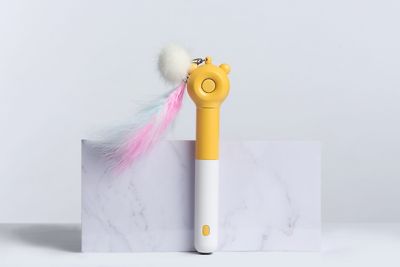
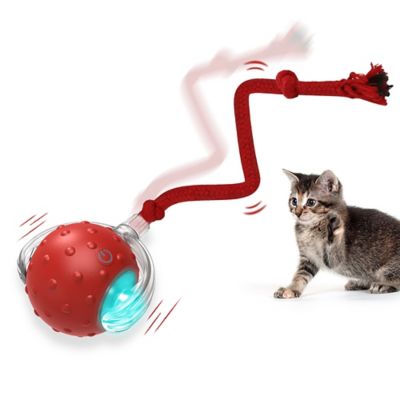
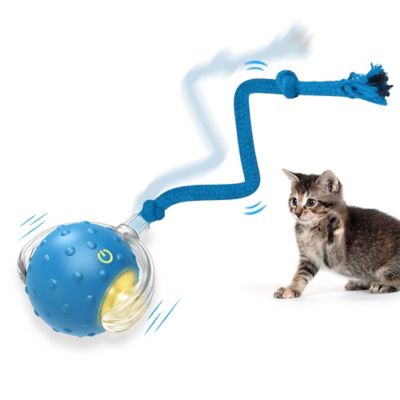
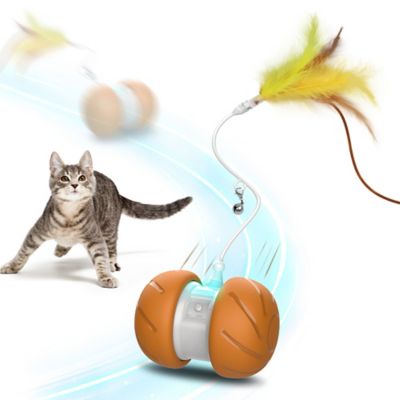
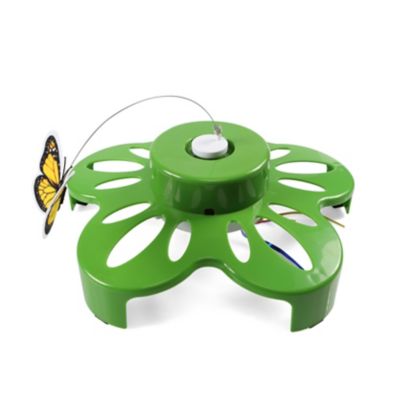
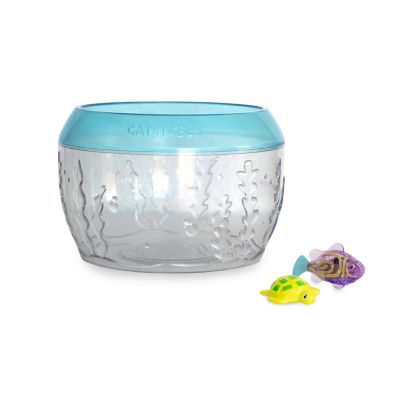
Battery-operated cat toys bring movement, sound, and surprise to indoor play, giving cats something to stalk, swat, chase, or pounce on without a person moving a wand the whole time. Depending on the design, a small motor sends a ball rolling across the floor, makes a soft animal shape wiggle, or moves a feather in and out of reach. Those stop-and-start motions can tap into a cat’s hunting instincts, turning a quiet patch of living room floor into a place for a little exercise and curiosity. For a house cat watching leaves blow past the window during the cooler months, that extra activity offers another outlet when the household settles indoors. Different play styles call for different kinds of movement. A cat that races after a bottle cap may enjoy an erratically rolling toy, while one that crouches behind a chair before making a careful leap may take more interest in a concealed teaser. Touch-activated toys respond to a paw tap or nudge on some designs, while others run through timed movement cycles. Sound effects, fluttering attachments, and changing directions add variety, though not every cat wants all that excitement at once. A cautious cat may prefer quiet motion and a slower pace; an energetic adult may stay interested in a livelier chase. Battery-powered cat toys can support independent interaction, but they still belong in supervised play and do not replace time spent playing together. Short sessions leave room for rest, and a toy the cat can physically catch gives a chase a satisfying finish. Laser-style toys create a moving point of light rather than something to grab, so a session can end with a soft toy the cat can catch and hold. Any light-based toy should operate according to its directions, with the beam kept away from eyes. The best match is less about the busiest motion and more about what gets that particular cat leaning forward, ears perked and paws ready.
Construction, size, and the room where a toy will run all make a difference in everyday play. Battery-operated cat toys may combine hard plastic housings with fabric covers, flexible tails, feathers, or other moving attachments. A smooth shell can be easier to wipe clean after a trip beneath the kitchen table, while a soft outer layer gives a cat something comfortable to bat or wrestle. Neither construction suits every habit: determined chewers need close attention around seams, narrow tails, cords, and parts that could come loose. Secure battery compartments, firmly attached components, and a stable base are worth checking, especially with a cat that tackles a toy instead of gently tapping it. Size matters, too. A smaller kitten may be overwhelmed by a large, noisy toy, while a bigger cat may knock over a lightweight stationary design with one good swat. Age recommendations and the maker’s directions help establish the intended fit, and older cats may appreciate a slower-moving target that stays within an easy reach. Floor surfaces also affect performance. Rolling toys often travel differently on smooth boards, low-pile rugs, and thick carpet, so surface compatibility matters as much as the movement pattern. A clear stretch of floor away from stairs, water bowls, charging cords, and narrow gaps gives the toy room to work without disappearing under a heavy cabinet. In a busy farmhouse, a quieter corner outside the boot path may be more inviting than the middle of the mudroom. Several cats may take turns watching and chasing, but separate play spaces can help when one cat tends to claim every moving target. Motor noise and electronic chirps deserve consideration in shared rooms, particularly for shy pets or households where someone is resting nearby. Speed settings and sound controls, when included, allow a closer match to the cat and the space. A toy that stands up well to regular batting still needs inspection between sessions; cracked housings, frayed fabric, and loose attachments are reasons to set it aside.
Power source and upkeep shape how easily these toys fit into the daily routine. Some battery-operated cat toys take replaceable batteries, such as AA or AAA sizes, while rechargeable cat toys have an internal battery and a charging connection. The correct battery type, charging cable, power requirements, and expected runtime depend on the design, so package details matter more than assuming all motorized toys work alike. Rechargeable designs need a place to charge out of a pet’s reach, and replaceable-battery designs need fresh batteries installed in the proper direction with the compartment fully secured. Loose batteries should stay away from pets and children, and chewing or damage around a battery compartment calls for taking the toy out of play. Features such as automatic shutoff, intermittent movement, and touch activation can help manage battery consumption and break activity into shorter stretches, but they are not a substitute for supervision. Some cats keep batting after the motor stops; others lose interest until the next session. Hair, lint, and dust can collect around wheels and moving joints, especially in homes with several shedding pets. Regular checks and cleaning according to the care instructions help keep those parts moving freely. Electronic housings generally need different care than removable fabric pieces: a washable cover does not mean the motor or battery compartment can go into water. Toys should be dry before batteries are reinstalled or charging begins, and charging cables should be put away before play. Rotating toys between sessions can keep familiar movement interesting without leaving every plaything scattered across the floor. These toys can also make a thoughtful gift for a cat owner when the cat’s age, temperament, chewing habits, and home setup are known. In a household with both cats and dogs, separate spaces help keep feline playtime from turning into a tugging match over small attachments. For another part of the pet-care routine, the
Battery Operated Dog Feeder page covers a separate category for canine mealtimes. Cat toys serve a different purpose: giving curious paws a bit of motion to follow and a welcome chance to play close to home.