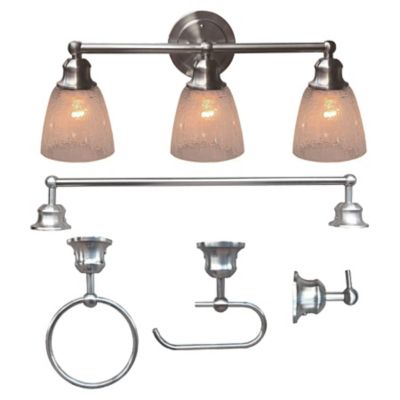
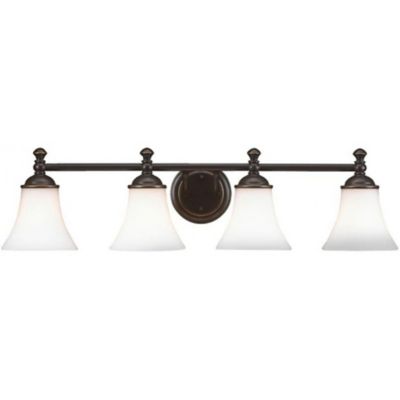
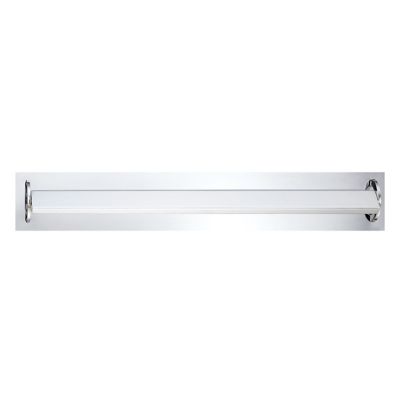
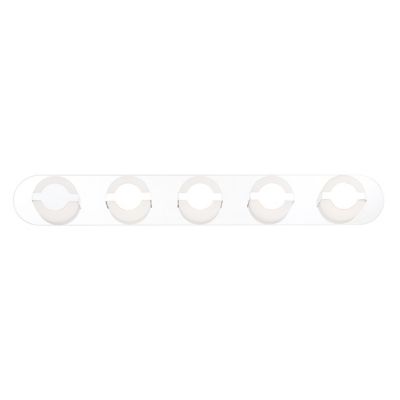
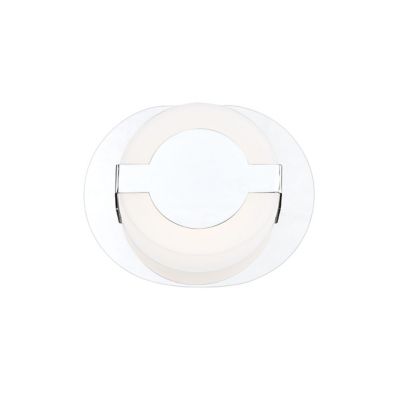
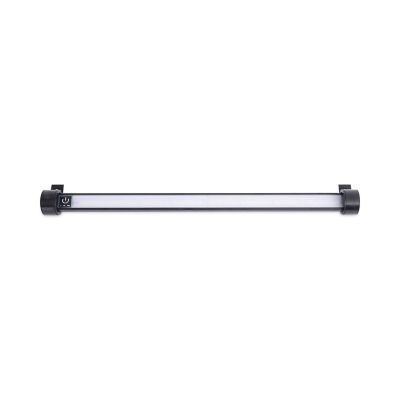
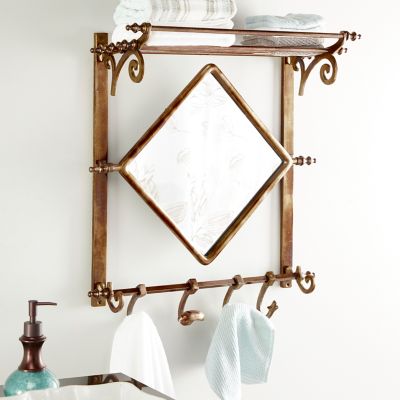
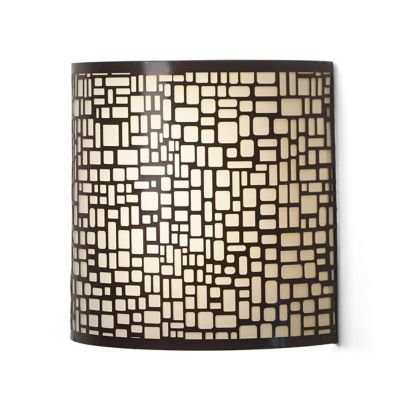
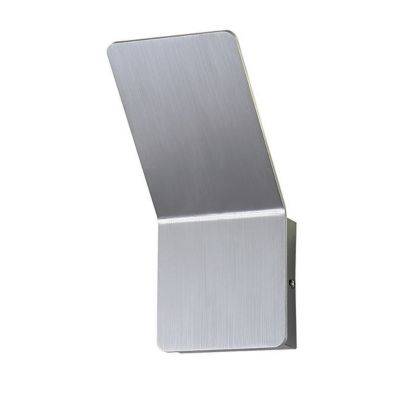
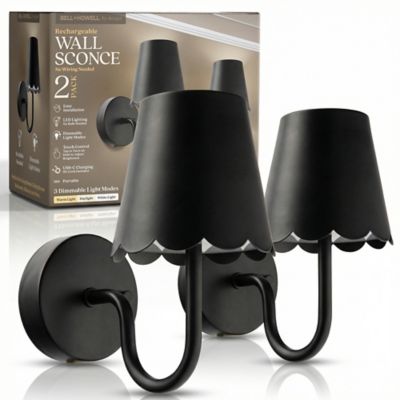
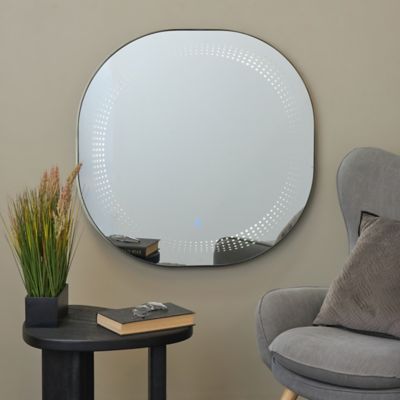
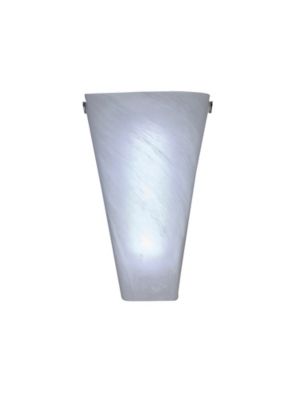
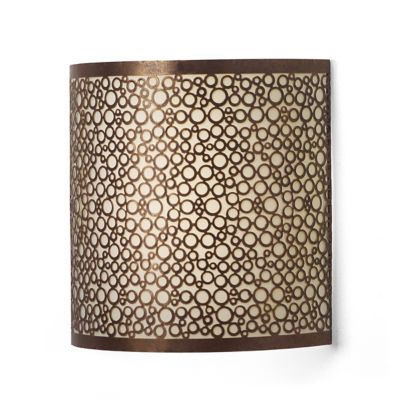
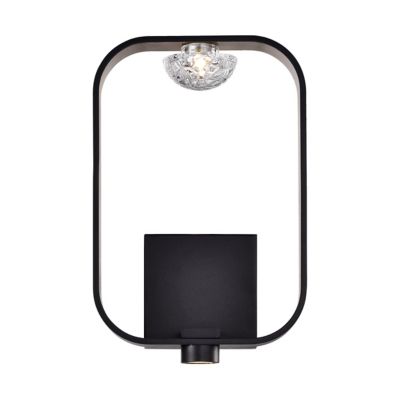
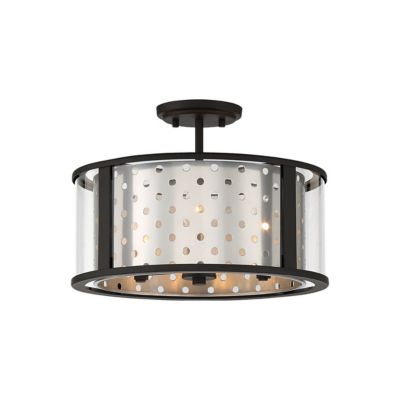
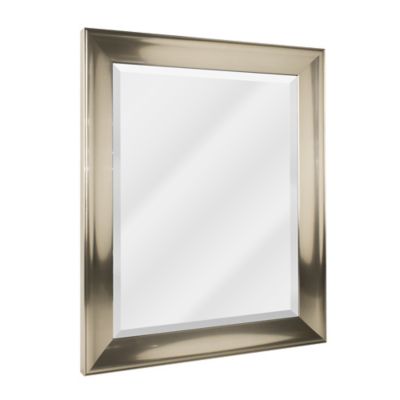
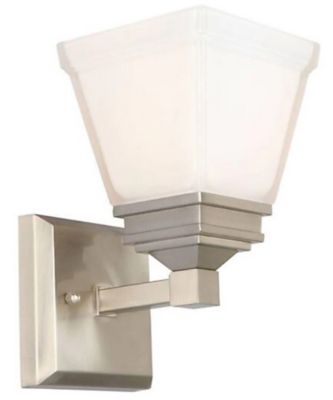
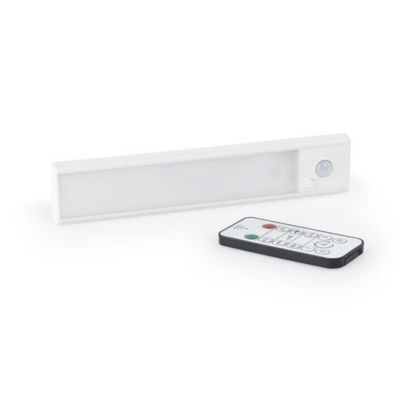
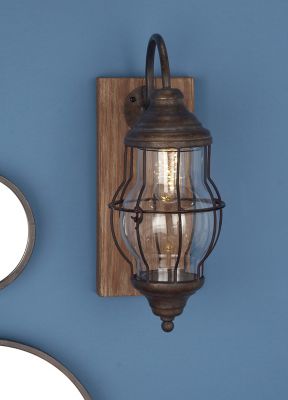
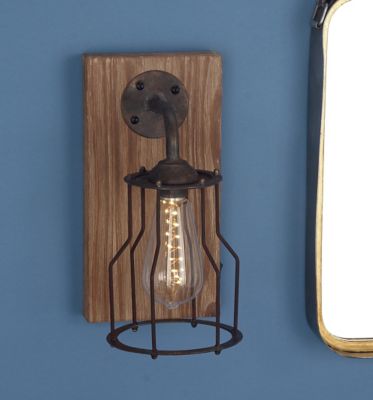
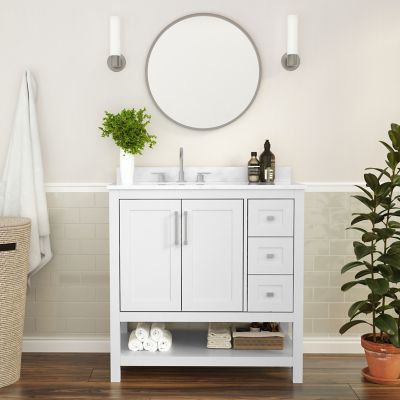
Bathroom mirror lighting fixtures bring light where it matters most, whether that means shaving before daylight, getting ready for work or helping a child brush their teeth at bedtime. Unlike a ceiling light that brightens the whole room, vanity lighting puts illumination close to the mirror and sink, where overhead shadows can make everyday tasks harder. Common styles include multi-bulb vanity bars, slim integrated LED bars and wall sconces set on either side of the mirror. Each suits a different layout. An over-the-mirror fixture keeps the wall arrangement simple and works well where a medicine cabinet or narrow vanity leaves little room at the sides. Paired sconces spread light across the face from both directions, helping soften shadows beneath the eyes, nose and chin. For an above-mirror light, a fixture about three-quarters of the mirror’s width is a useful starting point, though the shade size, light spread and nearby walls also matter. Many top-mounted vanity lights sit roughly 75 to 80 inches above the finished floor, while side sconces often have their light centers around 60 to 65 inches high. Those ranges are starting points rather than fixed installation rules; mirror height, household members’ heights and the fixture’s instructions help determine the final position. A tall medicine cabinet needs enough clearance for its door to swing without catching a shade. On a double vanity, separate lights centered over each sink can give both people their own well-lit space, while a longer bar may suit a broad, uninterrupted mirror. Pairing fixtures with
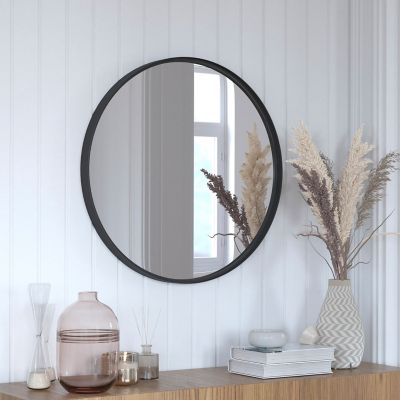
large wall mirrors for bathrooms also calls for attention to the overall proportions, so the light does not look lost above the glass or crowd the wall. In a small hall bath, a compact fixture can leave breathing room around shelves and trim. In a busy family bathroom, broader coverage helps keep both ends of the counter from falling into shadow.
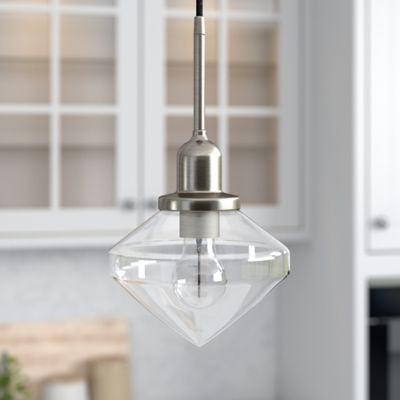
The way bathroom vanity lights cast light is just as important as their shape. Clear glass shades let bulbs show and can bring a bright, open look to a farmhouse bathroom, but exposed bulbs may create glare when reflected in the mirror. Frosted or opal glass diffuses the light, making the glow easier on the eyes during an early start or a late-night trip down the hall. Shade direction matters, too: some fixtures can face upward or downward, while others are built for only one mounting position. Upward-facing shades often bounce light off the wall or ceiling; downward-facing shades direct more of it toward the sink. Neither arrangement replaces the benefit of balanced light at face level. For a standard vanity area, roughly 1,500 to 2,000 total lumens can be a practical starting point, with the final amount depending on room size, wall colors, shade design and other lighting. Dark paint and deep wood finishes absorb more light than pale walls, and a wide double vanity may need more output than a single sink. Lumens describe brightness, while color temperature describes whether the light looks warmer or cooler. Bulbs or LEDs rated around 2700K to 3000K give a warm appearance that sits comfortably alongside wood cabinetry and soft wall colors. Around 3500K to 4000K provides a more neutral to crisp look, while 5000K feels cooler and more daylight-like. A color rendering index, or CRI, of 90 or higher helps skin tones, makeup and clothing colors appear more natural. Matching the color temperature across vanity and ceiling lights keeps the room from looking yellow on one side and blue on the other. Dimmable lighting can make the same bathroom comfortable for both detailed grooming and quieter evenings, provided the bulbs or integrated LEDs work with the chosen dimmer. Replaceable-bulb fixtures offer flexibility in brightness and light color, while integrated LED designs often have a slimmer profile; their service options depend on the fixture.
Materials, finishes and construction help bathroom mirror lights fit the room and stand up to everyday moisture. Metal bodies with finishes such as brushed nickel, chrome, matte black or brass tones can coordinate with faucets, cabinet pulls and towel bars without every surface needing to match exactly. Brushed finishes tend to make fingerprints and water spots less noticeable, while polished surfaces reflect more light and may need wiping more often. Black fixtures create a strong outline against light walls, and warm metal tones sit comfortably beside oak cabinets, painted shiplap or a simple wood-framed mirror. Glass shades bring their own care considerations: open shades can collect dust inside, and textured glass has more grooves to wipe than a smooth surface. In a bathroom near the back door, where dusty work clothes and muddy boots are part of daily life, accessible shades make routine cleaning less of a chore. With the power off and bulbs cool, a soft cloth and the manufacturer’s recommended cleaning method help protect the finish; harsh cleaners and abrasive pads can scratch coatings or cloud some surfaces. Moisture protection deserves the same attention as appearance. Damp-rated fixtures are intended for humid locations without direct water exposure, while wet-rated fixtures are designed for locations exposed to water as specified by their listing. A bathroom location near a tub or shower may have additional restrictions, so the fixture rating alone does not settle whether installation is permitted there. Manufacturer instructions and local electrical requirements determine suitability, and a qualified electrician can check the location, wiring, grounding and mounting support. The backplate also needs to fit the electrical box and cover the wall opening, especially when replacing an older light above existing tile. For fixtures with separate bulbs, socket type, bulb dimensions and maximum wattage all affect fit. Thoughtful details like these make bathroom mirror lighting feel at home, whether it serves a hardworking main bath, a small guest bathroom or a quiet place to wash up after a long day outside.