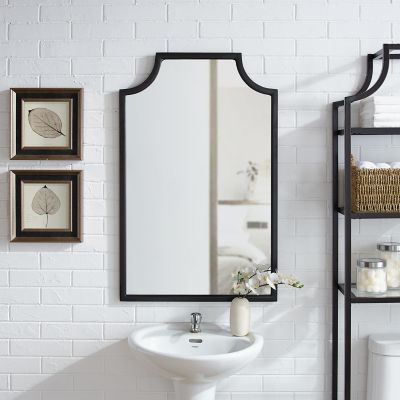
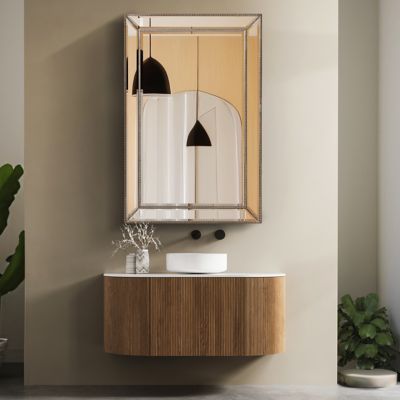
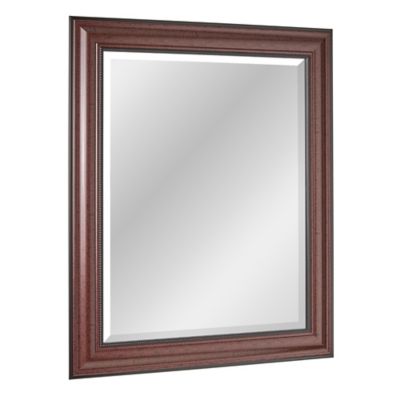
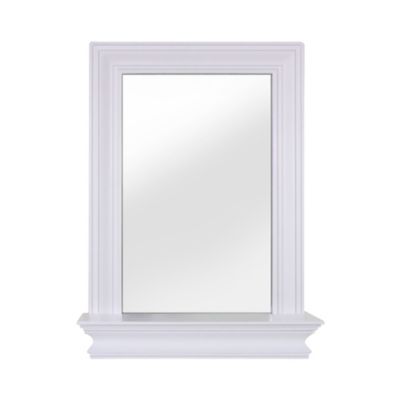
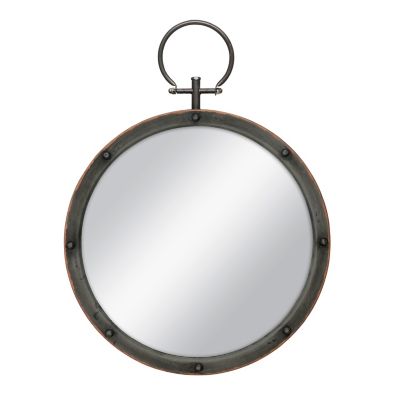
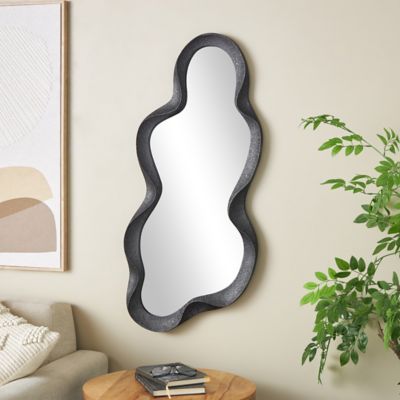
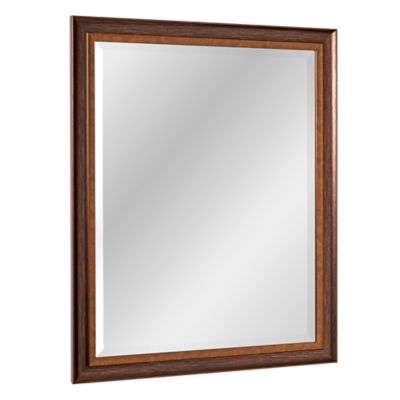
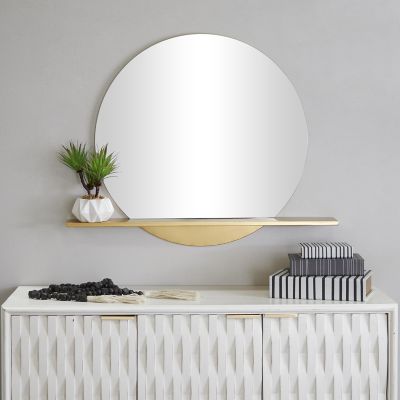
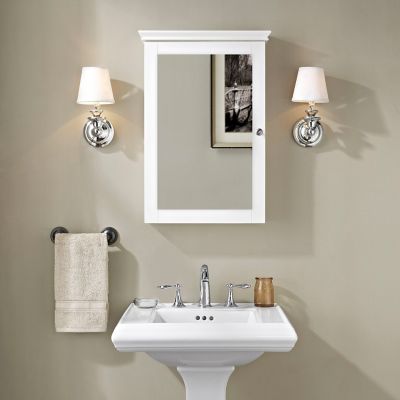
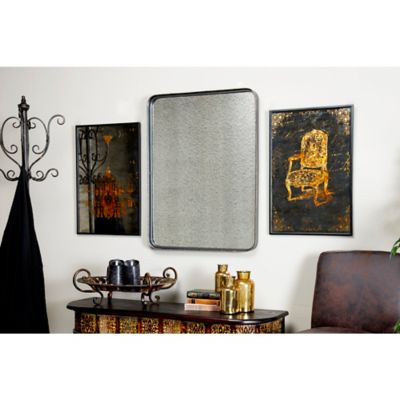
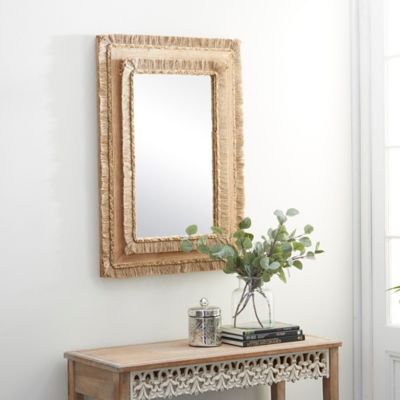
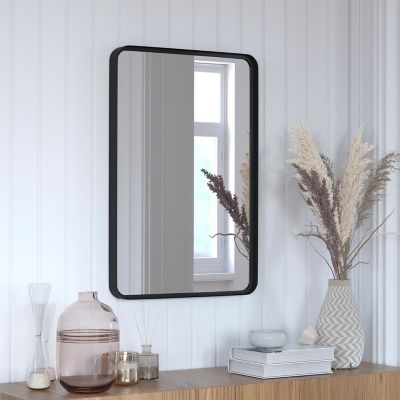
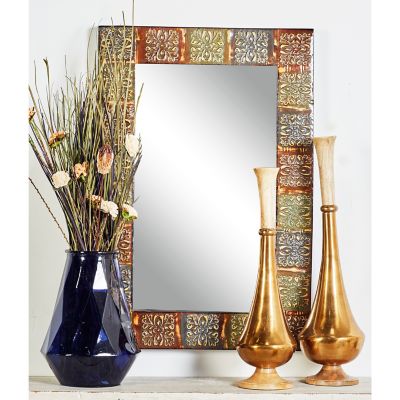
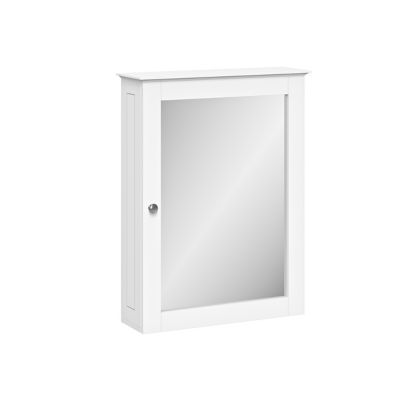
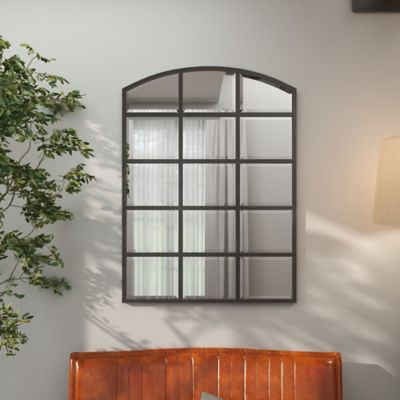
Large wall mirrors for bathrooms provide a broad view for everyday grooming, reflect light around the room, and help a small space feel more open without changing its footprint. Above a single vanity, a wide mirror gives you room to move while brushing teeth, shaving, or getting ready for work. Over a double vanity, one continuous mirror can connect both sinks visually and give two people a useful view without dividing the wall into separate sections. A good starting point for proportion is a mirror roughly the same width as the vanity cabinet or slightly narrower, with enough room for the frame and nearby fixtures. The cabinet width matters more than the width of the sink bowl alone. On a 48-inch vanity, for example, a mirror a few inches narrower can leave a comfortable border on either side. Height deserves just as much attention: the glass should offer a clear view for the people sharing the bathroom while fitting between the faucet and any overhead light. Tall faucets, wall-mounted spouts, medicine cabinets, and side sconces all affect that fit. Rectangular mirrors create a broad, straightforward look over long counters, while arched shapes soften the lines of square cabinetry and tile. For another shape that works well above a vanity or on an open bathroom wall,
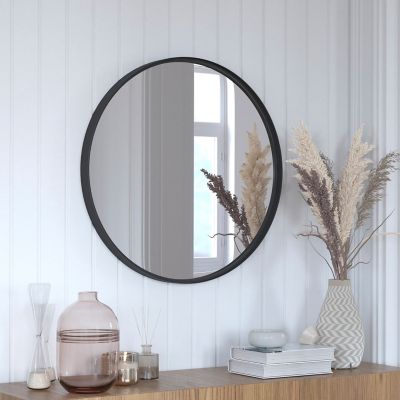
Large Round Mirrors for Walls offer a curved outline that pairs easily with straight-edged sinks and cabinets. The reflection itself also becomes part of the room. A mirror facing an uncluttered wall or a well-placed light can make the bathroom feel brighter and less crowded, while one facing open shelving will bring those shelves into the view. In a narrow bathroom, a generous stretch of glass above the sink can open up the sightline while leaving floor space clear. That balance of useful viewing area and sensible proportions makes a large bathroom wall mirror a practical part of a hardworking room.
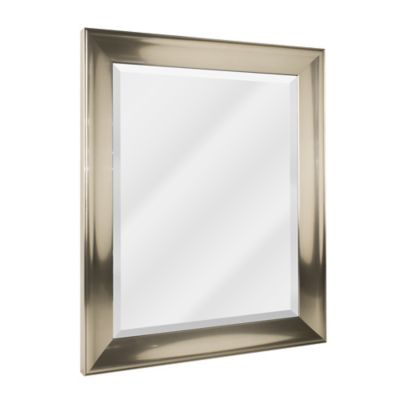
Frame materials and finishes help determine how a large mirror fits the bathroom, but they also affect how it handles regular exposure to moisture. Metal frames bring a tidy edge to the glass, with aluminum and stainless steel offering options worth considering for damp spaces when the manufacturer identifies them as suitable for bathroom use. A black frame stands out against pale walls and white sinks; brushed silver tones sit comfortably beside chrome or nickel fixtures; brass-toned finishes add a warmer note alongside wood cabinetry. The finishes do not have to match every handle and faucet exactly, though repeating a tone can help the room feel pulled together. Wood frames suit farmhouse bathrooms and rooms with natural textures, especially when their finish protects the face, corners, and edges from incidental splashes. Engineered wood frames need particular attention to sealed edges and bathroom suitability, since moisture can affect exposed material. Frameless mirrors keep the focus on the glass and can work well where a substantial frame would crowd the space between sconces. Beveled edges add a little definition without a separate border. Beyond the frame, the backing and edge construction matter because lingering moisture can contribute to darkening around mirror edges over time. Bathroom suitability should come from the product specifications rather than appearance alone. Lighted bathroom mirrors may include front lighting, backlighting, dimming, or adjustable light tones, depending on their design. Front lighting can support close-up tasks, while backlighting mainly adds a glow around the mirror and may still need help from other bathroom lighting. An anti-fog feature generally warms a section of the glass to reduce condensation there; it does not necessarily clear the entire mirror or replace ventilation. For makeup, shaving, and checking a collar before heading out, even light across the face is more useful than a bright reflection with heavy shadows beneath the eyes.
A large bathroom mirror also needs a mounting arrangement suited to its weight, dimensions, and the wall behind it. A wide framed mirror can be heavier than it looks, and tile on the surface does not tell you what support sits underneath. Manufacturer-approved brackets, a mounting rail, or other specified hardware should connect to studs or suitable anchors according to the installation instructions. Mirror adhesive belongs only where the manufacturer permits it, with a formula compatible with the mirror backing. Some mirrors allow either vertical or horizontal hanging, while others have mounting points for just one orientation, so that detail affects whether the piece fits above a long vanity or beside a tall cabinet. Electrical features bring additional requirements: hardwired lighting and anti-fog components should be installed according to their ratings, local electrical requirements, and the manufacturer’s directions, with a qualified electrician handling work that calls for one. Glass construction is another detail worth checking, especially in a busy family bathroom. Tempered glass and safety-backed glass address breakage differently, and neither removes the need for secure mounting and careful handling. Once the mirror is in place, simple care helps preserve the clear view and the surrounding finish. A soft microfiber cloth lifts fingerprints and water spots without the scratching that abrasive pads can cause. Applying a compatible glass cleaner to the cloth rather than soaking the mirror helps keep liquid from running behind the frame or collecting along the lower edge. Wood and metal frames may need a different cleaning method from the glass, so their care instructions matter too. Good ventilation and wiping away standing splashes help limit lingering moisture around the frame and backing. In a bathroom shared by children and adults, a broad viewing area and a sensible mounting height make daily routines easier. In a guest bath or a farmhouse bathroom where folks wash up after chores, the same combination of ample glass, easy care, and a secure fit keeps the room ready for everyday life.