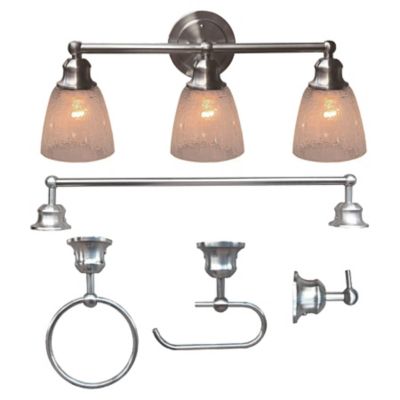
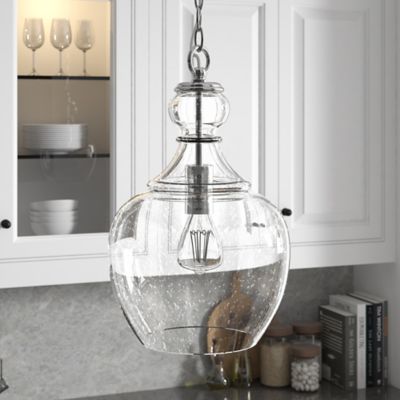
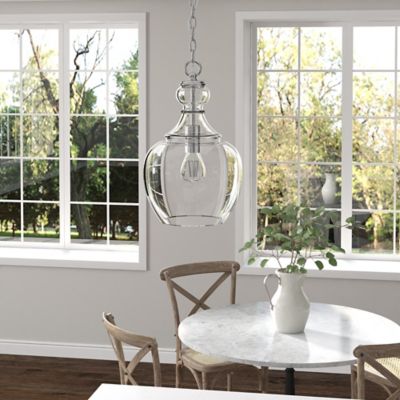
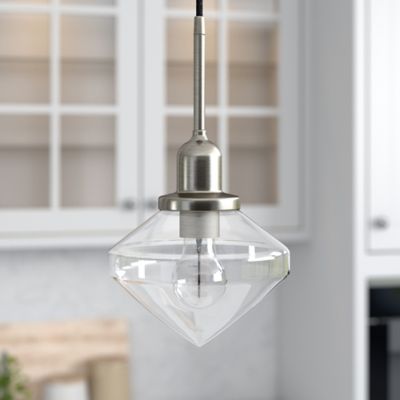
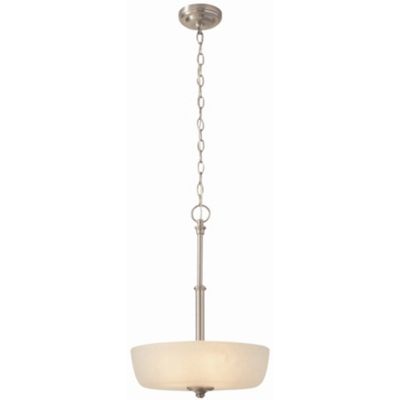
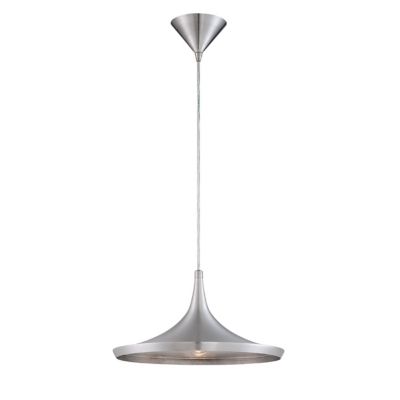
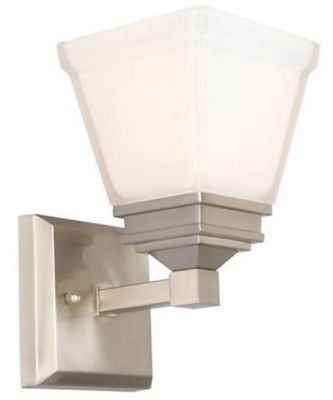
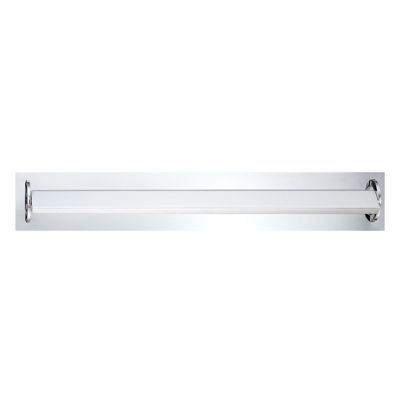
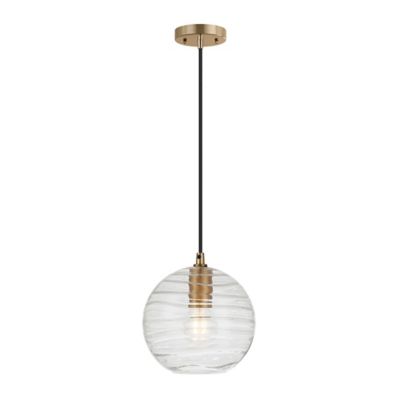
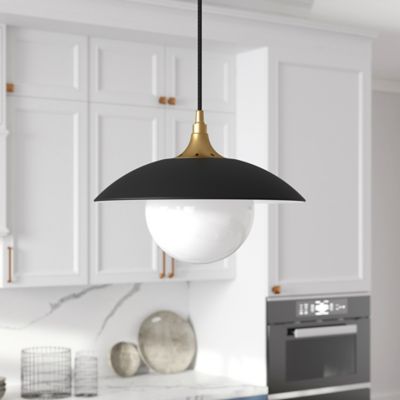
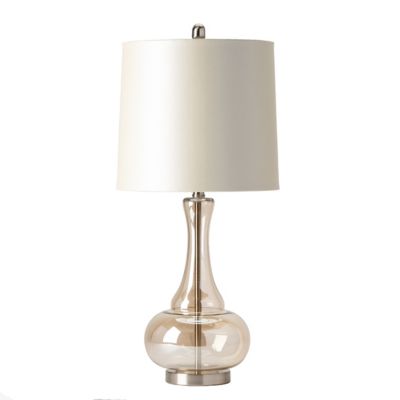
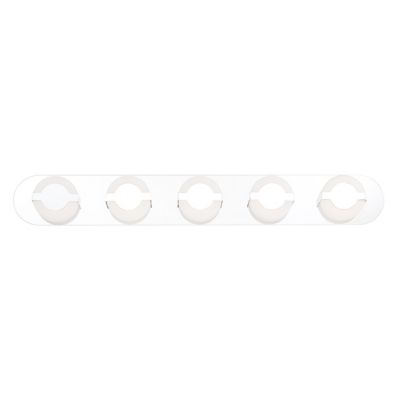
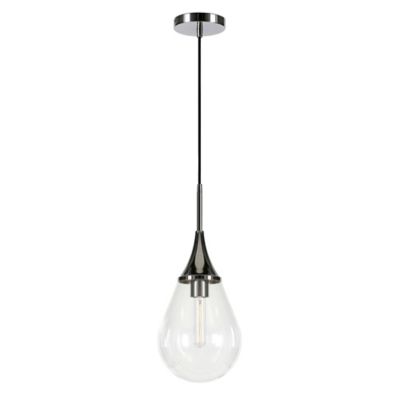
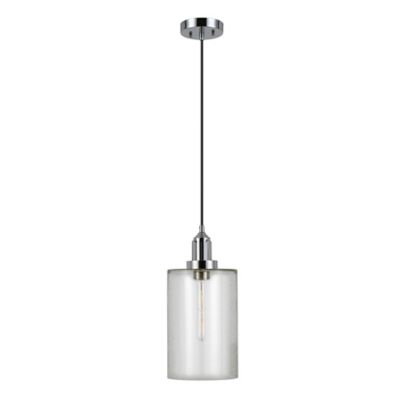
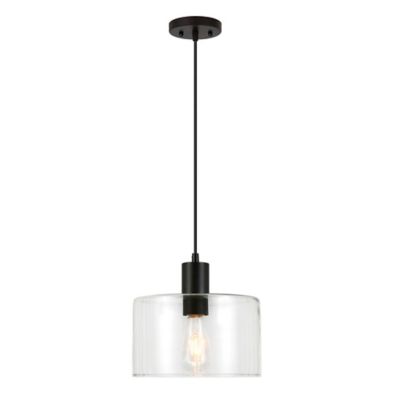
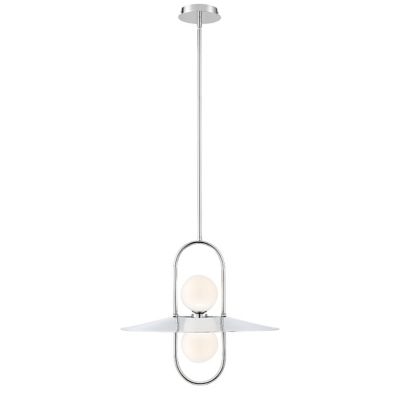
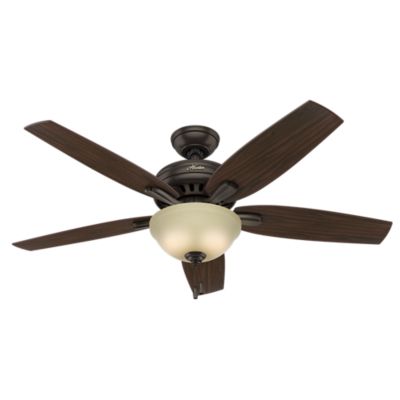
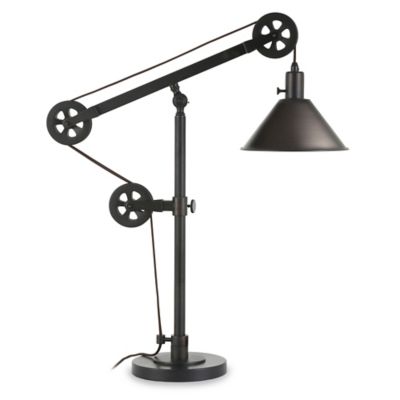
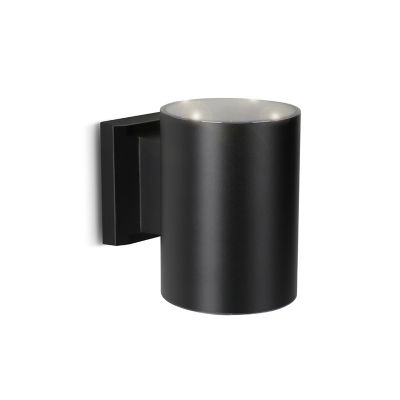
Brushed nickel vanity light fixtures bring useful light to the sink area with a soft silver finish that fits comfortably in a farmhouse bath, a simple powder room, or a busy family bathroom. The brushed surface has a fine, directional texture that reflects less light than polished chrome, giving the metal a quieter appearance without making the room feel dull. Its slightly warm silver tone pairs well with white sinks, painted cabinets, natural wood, and many stone countertops. Alongside matching faucets and cabinet pulls, it helps the room feel pulled together without needing every metal surface to look exactly alike. Straight light bars and clean-lined backplates suit a straightforward bathroom, while curved arms and bell-shaped shades bring a softer look to a room with paneled cabinets or a framed mirror. Round glass shades can bridge those styles, adding shape without taking attention away from the rest of the space. Brushed nickel describes the finish, not necessarily the metal underneath; fixture bodies may have steel, aluminum, brass, or other construction beneath their outer coating. That distinction matters in a bathroom, where the base material, finish application, and proper room ventilation all affect how the surface holds up. Glass shades also contribute to the fixture’s appearance and everyday upkeep. Clear glass leaves the bulb visible and gives the fixture an open look, while frosted or opal glass softens the view of the light source. Seeded glass adds small points of texture, though it does not necessarily soften light as much as an opaque shade. For a bathroom that sees toothpaste splashes, damp hands, and regular cleaning, accessible shades and a backplate with fewer tight crevices can make routine care less of a chore. The right combination feels at home over the sink while leaving plenty of attention for the practical job of lighting faces, mirrors, and the counter below.
Size and light distribution make a bigger difference than the number of bulbs alone. A compact single-sink vanity needs a different spread of light than a long counter where two people get ready at once. Overall fixture width, shade diameter, and the distance the arms project from the wall all affect the fit. A wide shade can crowd a nearby cabinet door, and a shallow fixture may leave its light partly blocked by a thick mirror frame or a projecting medicine cabinet. Above-mirror lights generally look balanced when their proportions relate to both the mirror and the vanity, rather than stretching far past either side. Mounting height also depends on the mirror, ceiling, fixture design, and the people standing at the sink. A position around 75 to 80 inches above the finished floor is a common starting point for an above-mirror fixture, not a rule for every bathroom. Light aimed downward can put more illumination on the sink and counter, while upward-facing shades send more light toward the ceiling for a softer overall effect; only fixtures approved for both orientations should be mounted either way. Shade shape and ceiling color influence the result, too. Clear glass generally shows more direct bulb brightness, while frosted glass helps spread the light and reduce the sharp view of an exposed bulb. For shaving, washing up, or applying makeup, even illumination across the face matters more than a bright spot on the countertop. Side lighting can help reduce the shadows that overhead lighting sometimes leaves beneath the brow and chin. Bulb output is best compared in lumens, with socket type, bulb dimensions, and maximum wattage checked against the fixture specifications. Color temperatures around 2700K to 3000K give a warmer appearance, while 3500K to 4000K produces a more neutral to cooler look. A color rendering index of 90 or higher can help skin tones and clothing colors appear more natural under the light.
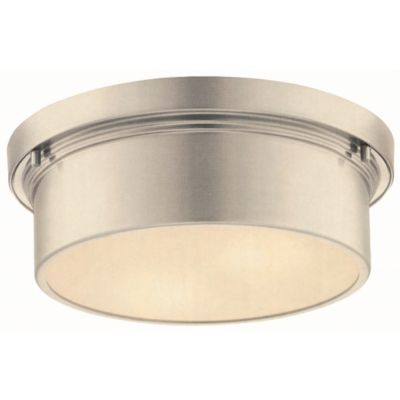
Bathroom conditions call for attention to electrical ratings as well as the finish. A brushed nickel surface alone does not make a vanity light suitable for moisture exposure. Damp-rated fixtures are designed for locations with moisture in the air but no direct water contact; places subject to splashing or spray can require a wet-rated fixture and additional restrictions. Placement near a bathtub or shower must follow the fixture instructions and applicable electrical code, with a qualified electrician handling installation when needed. The wall box, fixture weight, mounting hardware, and backplate dimensions also need to work together, especially when replacing a light above an existing mirror. A larger backplate may cover an old paint outline, but it cannot make up for an improperly positioned or unsupported electrical box. For everyday upkeep, a soft cloth and the manufacturer’s recommended cleaning method help protect the brushed finish. Harsh abrasives, scouring pads, and strong chemical cleaners can scratch or discolor the surface. Glass shades may have separate cleaning instructions, and the power should be off with bulbs cool before any cleaning or shade removal. Replaceable-bulb fixtures allow changes in brightness or light color within their stated limits, while integrated LED designs call for attention to their rated output, dimming requirements, and service information. A dimmable light also needs a compatible bulb or LED driver and wall control to work as intended. Beyond the vanity,
Brushed Nickel Flush Mount Ceiling Lights can carry the same finish across the room while providing general illumination from above. That layered arrangement suits a shared bathroom where one person needs a clear view at the mirror and another needs light across the floor and storage areas. Whether the setting is a guest bath, a main bathroom, or a washroom off the mudroom, brushed nickel vanity lighting offers a practical way to connect the sink area with the rest of the room through finish, proportion, and well-placed light.