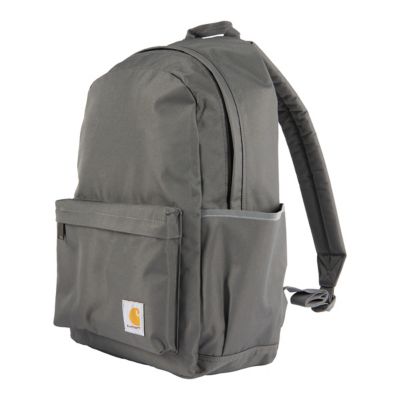
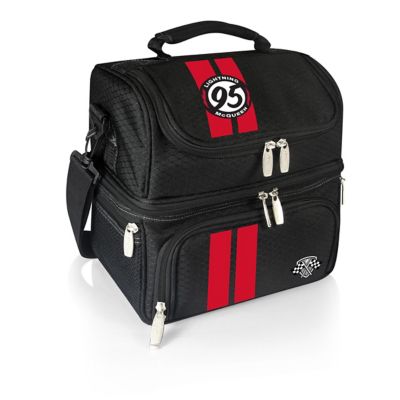
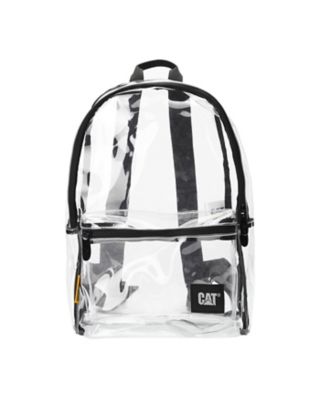
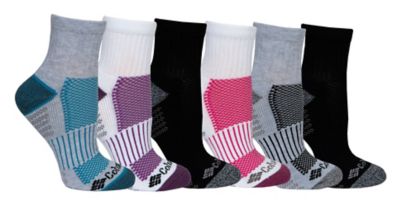
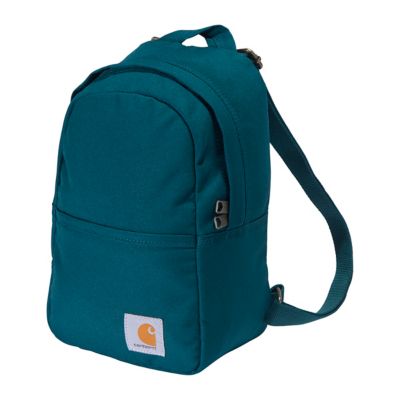
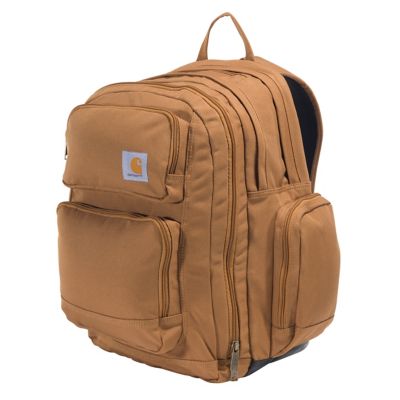
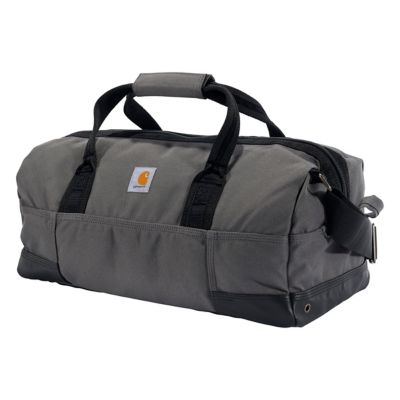
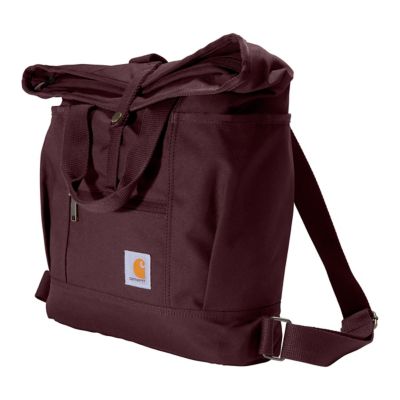
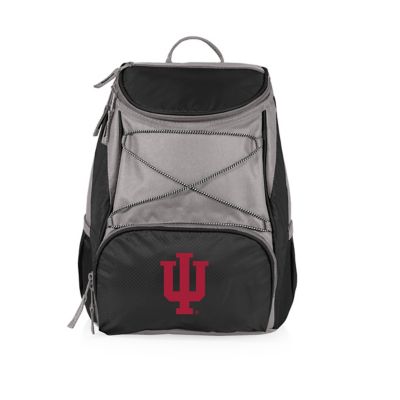
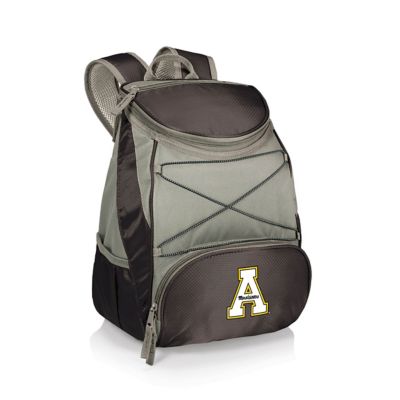
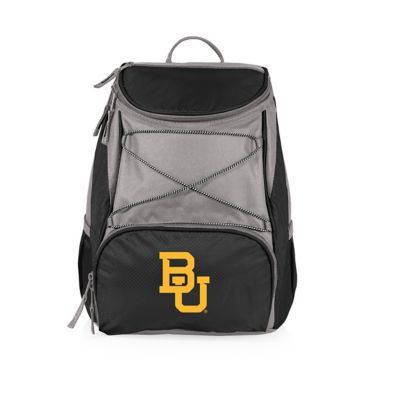
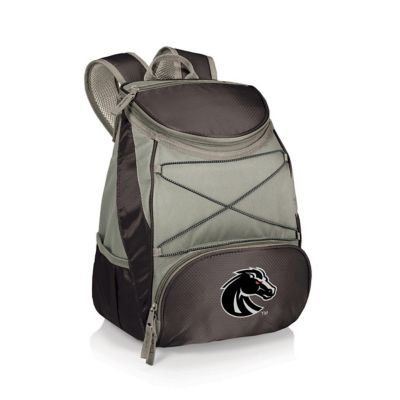
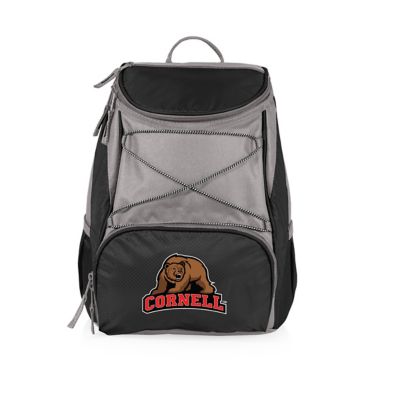
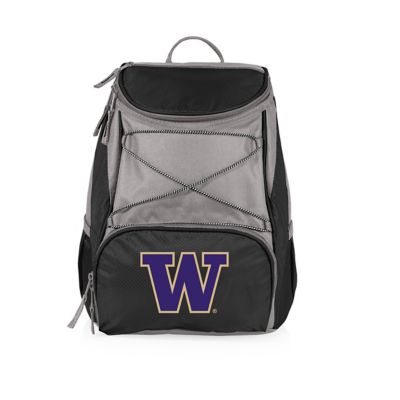
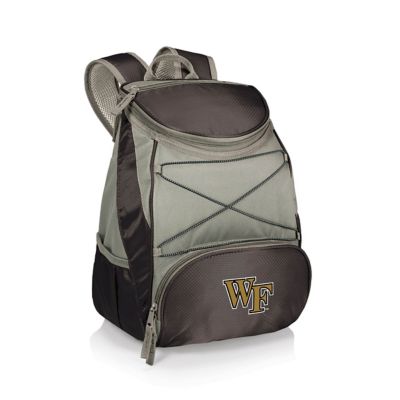
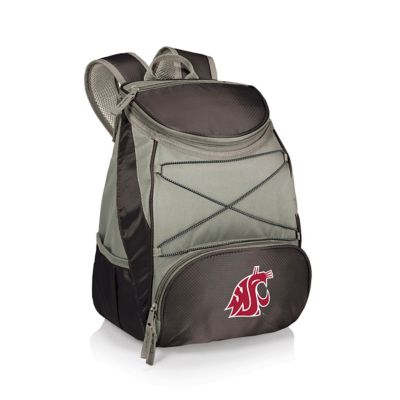
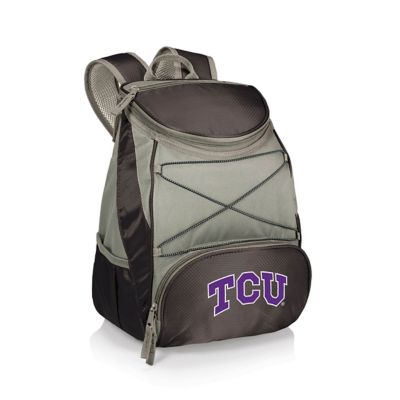
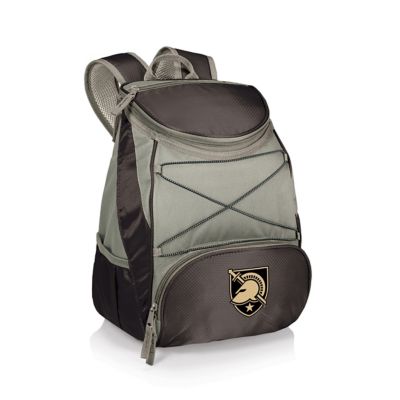
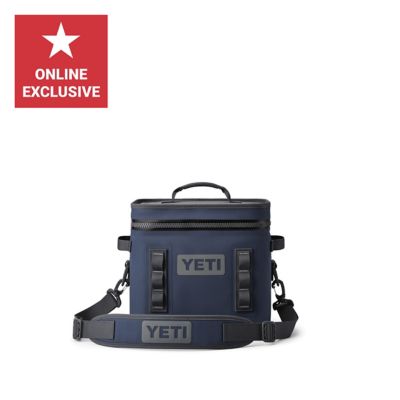
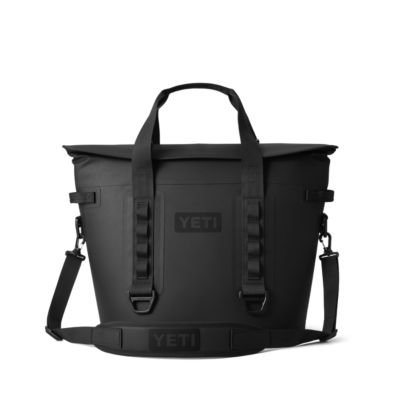
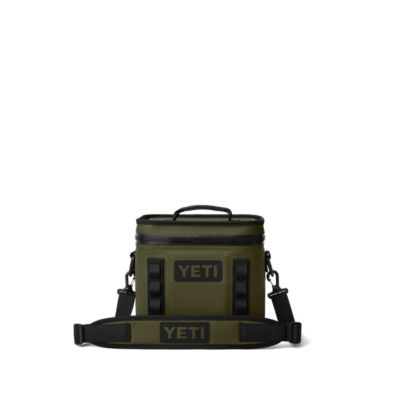
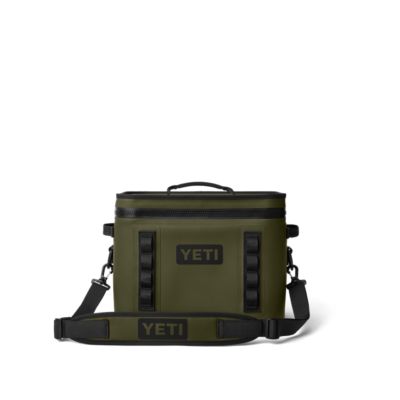
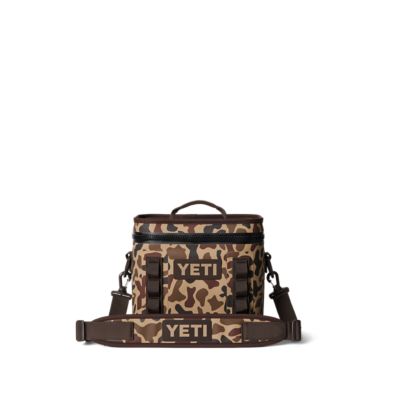
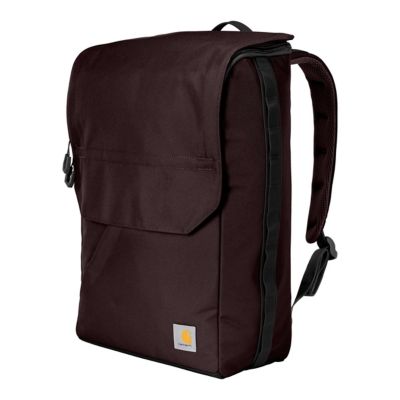
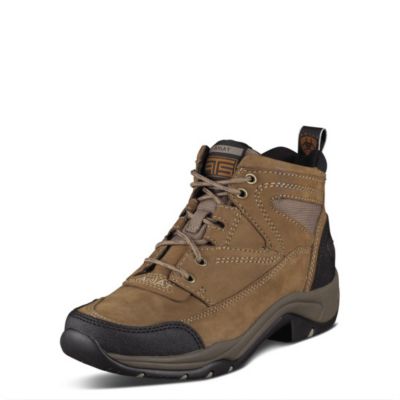
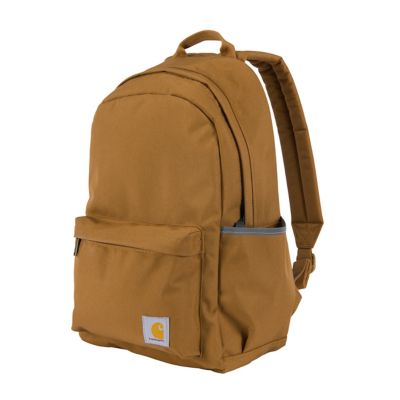
Getting back into the school routine takes more than notebooks and new clothes when a student also has practice, games, physical education and team events on the calendar. Back to school sports gear for students should help them move comfortably from the classroom to the field, court, track or weight room without adding extra hassle to the day. A dependable sports backpack or team bag is a good place to start. Look for enough room for school supplies, practice clothing and personal items, along with sturdy zippers, reinforced handles and shoulder straps that sit comfortably. A separate ventilated compartment can keep cleats, gym shoes or damp clothing away from books and electronics, while mesh panels allow wet gear to air out after practice. Students who walk, ride the bus or spend time outdoors may appreciate a bag with water-resistant material or a cover that helps protect belongings during a sudden shower. Smaller training bags can work well for younger students, short practices or days when only a change of clothes and a water bottle are needed. A supportive pair of everyday training shoes is another useful choice for students who move between P.E. class and after-school activities. Shoes should fit securely without pinching, leave room for natural movement and offer enough cushioning for hard gym floors, sidewalks and repeated drills. Sport-specific footwear may be helpful for athletes with a dedicated practice schedule, while versatile trainers can serve students involved in several activities. Before buying, consider the student’s size, activity level, foot shape and the surfaces where the shoes will be used. A quick fit check at the end of the day, when feet may be slightly swollen, can make a noticeable difference in comfort. Socks deserve attention, too. Cushioned crew socks with a comfortable arch fit can help reduce rubbing during long school days, running sessions and repeated practices. Several pairs make it easier to keep clean, dry socks in rotation, especially when uniforms and laundry pile up quickly.
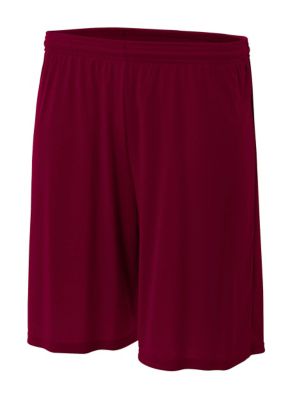
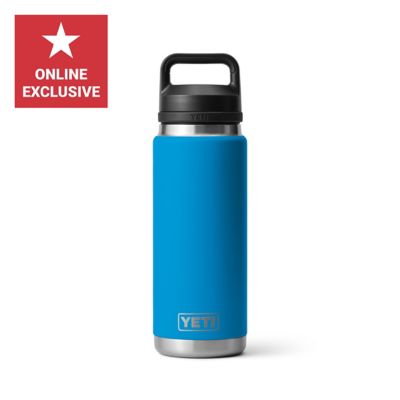
Clothing for student athletes needs to handle changing conditions and busy schedules. Moisture-managing shirts can help move sweat away from the skin during drills, while lightweight shorts, joggers and stretch-friendly layers give students room to run, bend and warm up. A fleece sweatshirt or midweight hoodie can be handy for cool morning bus stops, outdoor warmups and the walk home after the sun starts to drop. Layering works especially well during the broad stretch from late summer into the cooler months, when a morning can feel crisp but practice may warm up by afternoon. Choose clothing that is easy to wash, dries reasonably fast and can stand up to grass stains, playground dust and the everyday wear of school. For outdoor sports such as soccer, football, cross country and baseball, students may benefit from weather-ready layers, breathable caps or lightweight rain protection. Volleyball players, basketball players and students attending indoor training may prefer flexible clothing that does not restrict movement and can be packed without taking up much space. A durable water bottle is useful for nearly every student, from a child heading to P.E. to a high school athlete with a full afternoon of practice. Look for a leak-resistant lid, an opening that is easy to clean and a size the student will realistically carry all day. Insulated drinkware can help keep water cool through long hours in a locker, classroom or sideline bag, while a lighter bottle may be easier for younger students to manage. Labeling the bottle and other frequently shared items can help prevent mix-ups. A compact first-aid kit can also be a practical addition to a team bag or family vehicle for minor scrapes, blisters and everyday mishaps, though more serious injuries should always be handled by a coach, school staff member or medical professional. Families shopping for a student athlete may also want to browse
Back To School Accessories For Students for useful items that make the daily trip to school and practice a little more organized.
The best sports gear depends on the student’s age, sport, practice schedule and how much equipment has to travel between home and school. Younger students often need lightweight bags, easy-open closures and simple layers they can manage without help. Older students may need room for uniforms, extra footwear, warmup clothing, personal care items and recovery essentials. For athletes who practice before school or go straight from class to the field, an organized bag with multiple compartments can save time when every minute counts. Packing a dry change of clothes, an extra pair of socks and a small towel can make the ride home more comfortable after a muddy or sweaty practice. Team families may find practical sports gear helpful as a birthday, graduation or back-to-school gift, especially for students starting a new activity or joining a more demanding program. Coaches, grandparents and relatives can choose versatile items that support daily use without needing to know every detail of a team uniform. Durability matters just as much as appearance; reinforced seams, washable fabrics and solid closures tend to hold up better when gear is tossed in a locker, carried across a parking lot or left beside a practice field. It is also smart to check school and team rules before purchasing, since some programs require specific colors, approved footwear, protective equipment or bag sizes. Keep safety in mind by replacing worn shoes, damaged straps and cracked protective items rather than stretching their use. During warmer stretches, breathable fabrics, shade-ready headwear and dependable hydration can help students stay more comfortable outdoors. During cooler stretches, warm layers, dry socks and weather-resistant storage help them stay ready for practice without hauling a closet full of clothing. With the right mix of dependable basics, students can spend less energy fussing with their gear and more energy learning, playing and building confidence through the season.