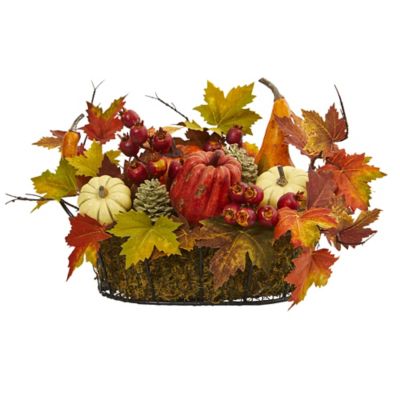
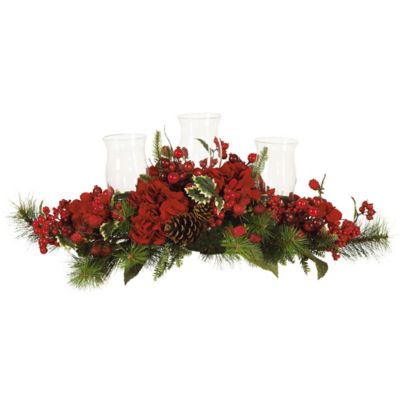
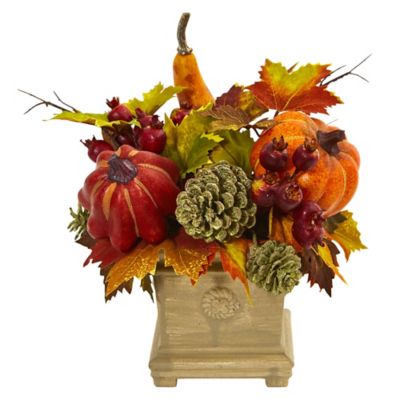
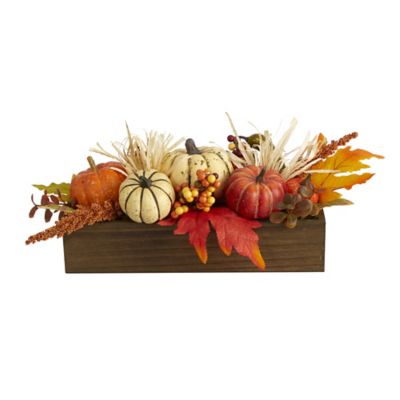
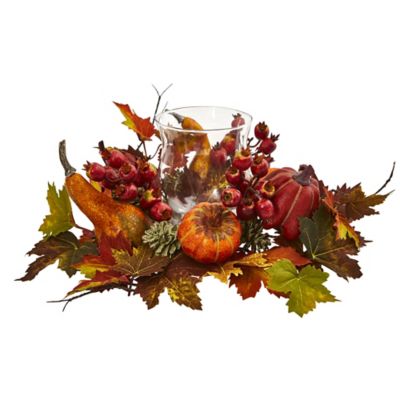
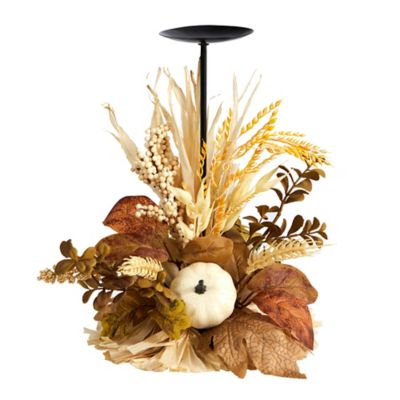
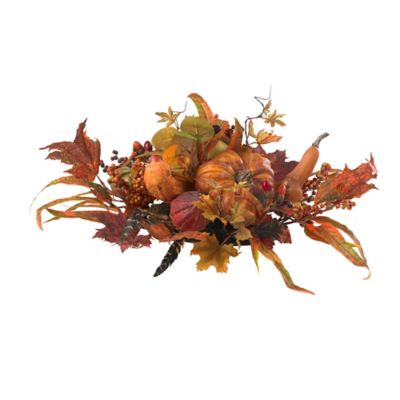
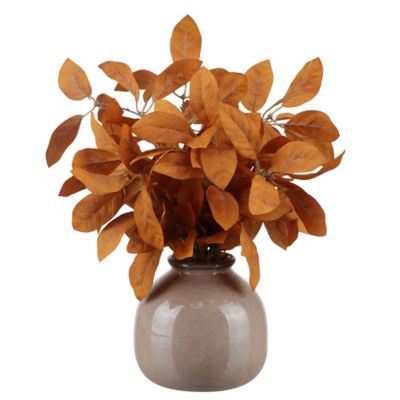
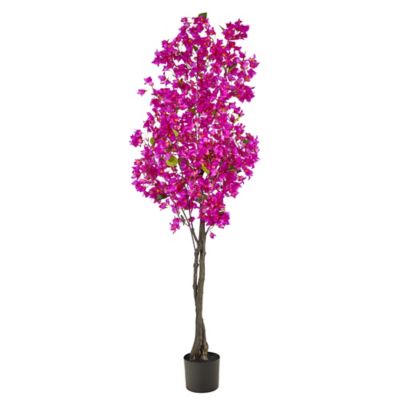
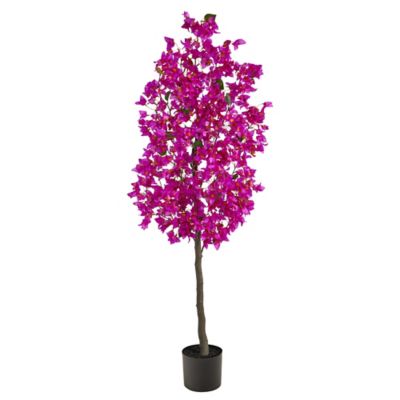
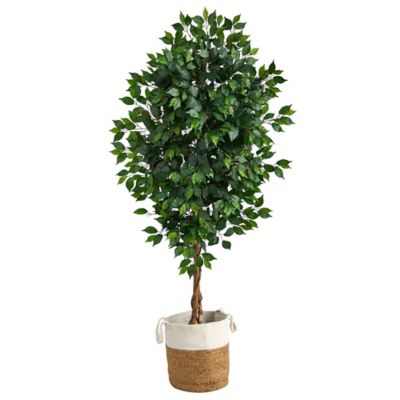
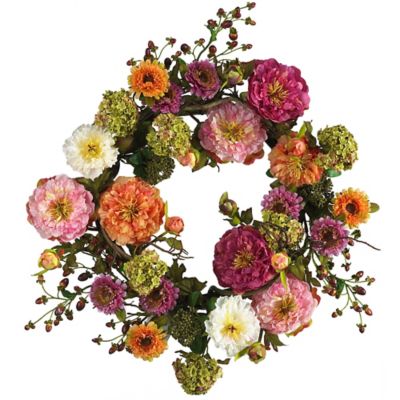
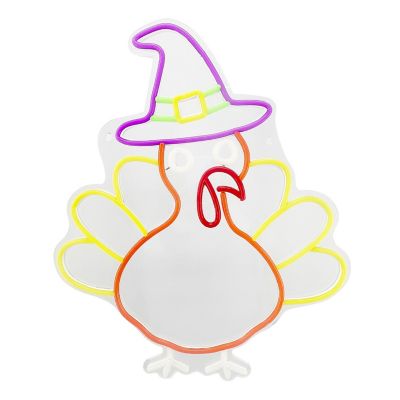
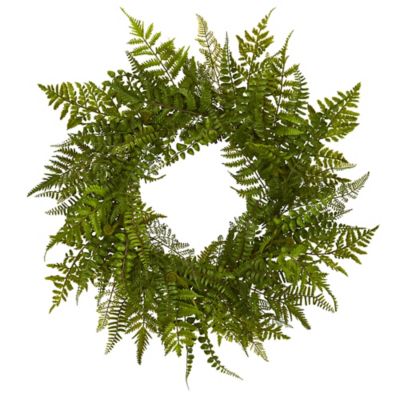
Thanksgiving table centerpieces bring the harvest feel to the heart of the meal, with colors, textures, and shapes that suit everything from a farmhouse kitchen table to a dining room set for extended family. Common centerpiece styles include floral arrangements, pumpkins and gourds, foliage-filled vessels, candle displays, and low groupings arranged along a runner. Rust orange, golden yellow, burgundy, and brown echo fall fields and foliage, while cream, sage, and natural wood tones offer a quieter backdrop for patterned dishes. The best fit depends as much on the meal as the look of the room. A table with platters of turkey, bowls of potatoes, and baskets of rolls needs open space within easy reach of every seat. Low-profile arrangements help folks talk across the table without leaning around tall stems, and a compact footprint leaves room for serving dishes without crowding elbows. On a round table, a single low arrangement often follows the shape of the gathering nicely. A rectangular table can carry a longer, narrower display, while a square table generally suits a balanced arrangement with breathing room on all sides. Overall width matters, including leaves, trailing greenery, and handles that extend beyond the base. A centerpiece that looks small on an empty table may feel much larger once dinner plates, glasses, and serving pieces are in place. A low bowl of flowers brings softness to a sturdy wood tabletop, while a grouping of harvest shapes can give a plain tablecloth a focal point without making the setting feel fussy. Fresh blooms offer natural variation and fragrance; artificial flowers and foliage keep a consistent appearance without watering. Unscented accents are often a comfortable match for a meal where roasted turkey, warm bread, and pumpkin pie already fill the room. For households that serve dinner family-style, an arrangement with a manageable base is easier to move to a sideboard when the food comes out. That balance of good looks and everyday practicality keeps the centerpiece part of the gathering rather than an obstacle in the middle of it.
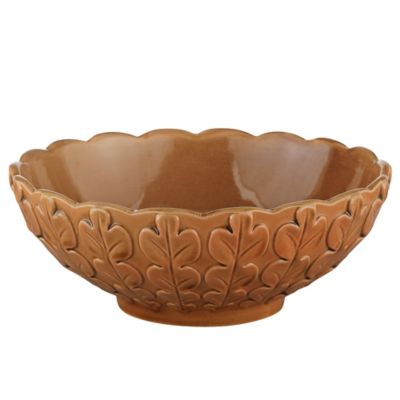
Materials make a noticeable difference in the appearance, weight, and care of Thanksgiving table centerpieces. Wood brings visible grain and a familiar country feel, whether paired with muted foliage or brighter harvest colors. Its finish determines how much protection it needs from moisture, and a protective layer beneath the base can help keep a dining table free of scratches and water marks. Ceramic offers a substantial look, with glazed surfaces that may be easier to wipe clean than porous, unglazed finishes. Glass catches light and keeps an arrangement visually open, though fingerprints and water spots show more readily on clear surfaces. Metal adds contrast beside soft linens and natural textures; care needs vary with the finish, especially where moisture could cause staining or corrosion. Resin can carry detailed shapes and textured surfaces, with handling and cleaning requirements that depend on the construction and finish. Weight alone does not tell the whole story. A broad, level base helps an arrangement sit steadily, and secure stems or attached accents matter when a table gets bumped during a busy meal. For floral centerpieces, a vessel intended to hold water helps protect surrounding surfaces, while a separate liner may be necessary for containers that are not watertight. Natural branches, dried grasses, and seed heads bring field-inspired texture, but some may shed when handled. Artificial stems generally need gentle dusting, with cleaning methods matched to their labels rather than a soak that could loosen glue or affect color. Fabric runners add another layer beneath a centerpiece, and their care labels help clarify whether a spill calls for machine washing, spot cleaning, or another method. Candle arrangements need stable holders and ample separation from fabric, dried foliage, and anything else that can catch fire. Battery-operated candles offer light without an open flame, though battery compartments should stay secured around children and pets. Centerpiece materials also belong separate from uncovered food unless they are specifically intended for food contact. These details matter at a table where gravy gets passed, glasses get refilled, and little hands may reach farther than expected.
A Thanksgiving centerpiece feels at home when it shares a few details with the rest of the table without matching every piece. The connection might be a warm wood tone, a repeated leaf shape, or a touch of rust color carried through the linens. Coordinating the arrangement with
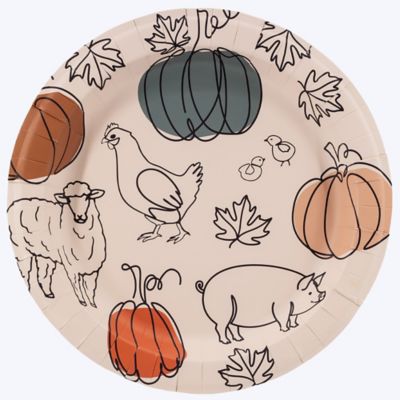
Thanksgiving Place Settings helps the center of the table and each seat feel like parts of the same gathering. Patterned plates often pair comfortably with a simpler centerpiece, while plain dishes leave more room for layered textures and richer harvest colors. A runner can visually connect several small accents on a long table, but it still needs to leave glasses and plates resting securely. For a crowded holiday meal, fewer loose pieces can make setting and clearing the table less of a chore. Families with young children or curious pets may prefer an arrangement without sharp stems, fragile edges, or small parts within reach. Low-fragrance flowers and unscented candles can also suit gatherings where guests have scent sensitivities. Beyond the dining table, a harvest arrangement can welcome company on an entry table or bring a little Thanksgiving character to a buffet, provided it stays clear of hot serving equipment and food preparation space. For a host gift, a modestly sized centerpiece is often easier to place than a sprawling display, especially when the recipient has already planned the table. Neutral vessels and removable seasonal accents offer flexibility for households that like to change the look without replacing the whole arrangement. After the holiday, clean, fully dry pieces are easier to put away without trapping moisture. Padding helps protect breakable vessels, and roomy storage keeps artificial stems and fabric details from being crushed. A centerpiece that fits the table, suits the household, and leaves plenty of space for supper can become a familiar part of Thanksgiving gatherings year after year.