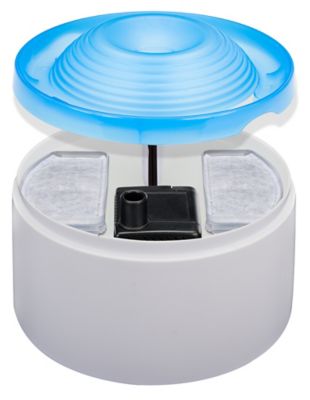
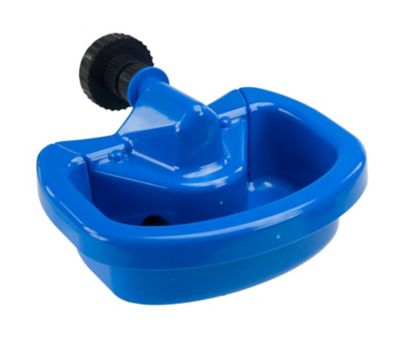
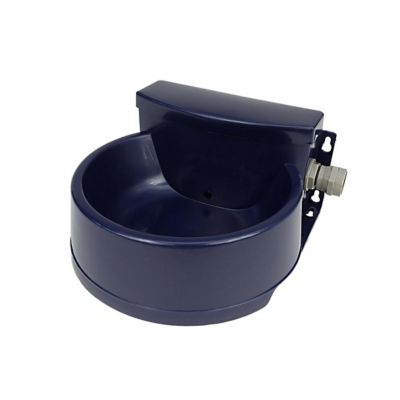
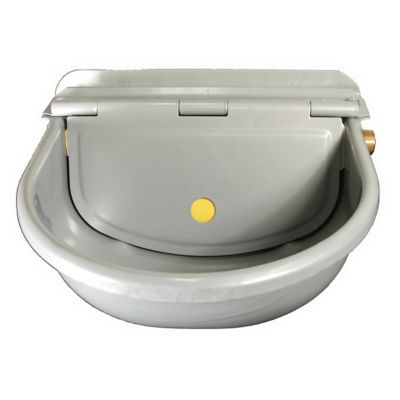
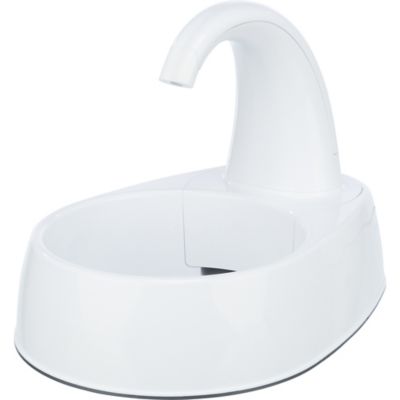
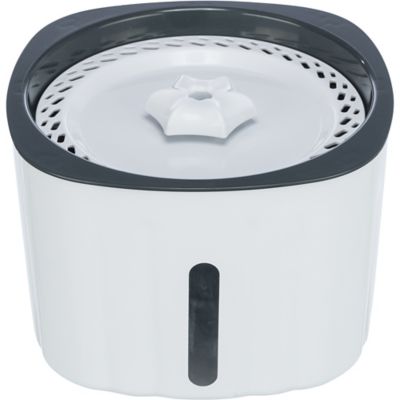
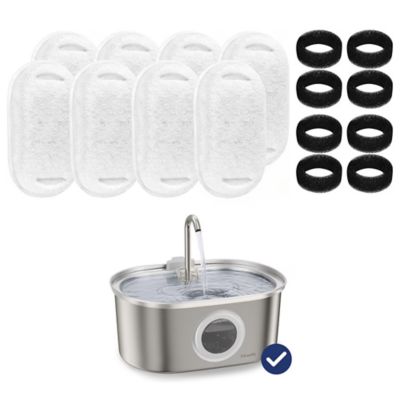
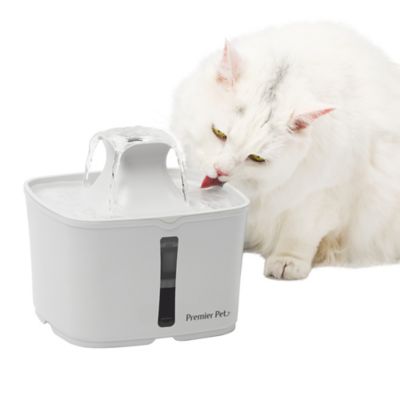
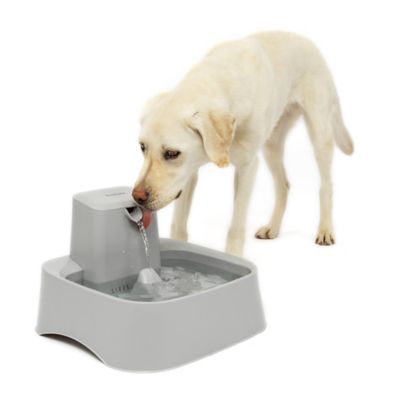
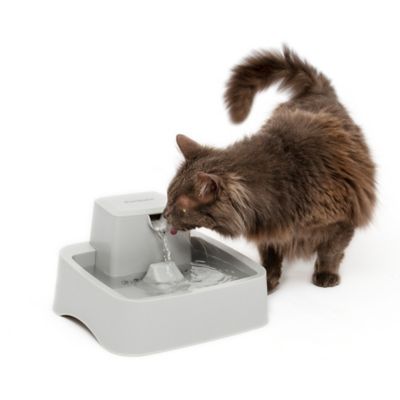
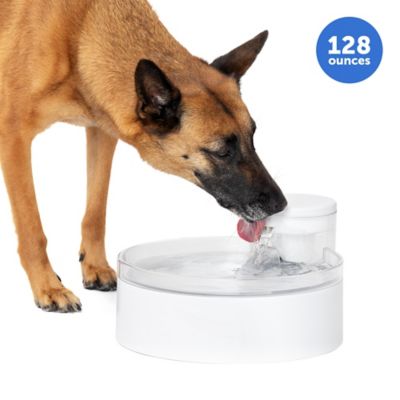
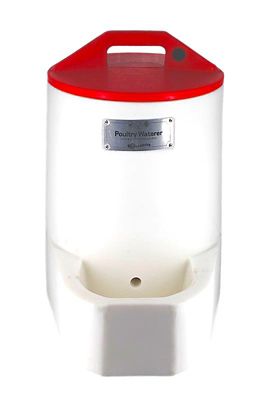
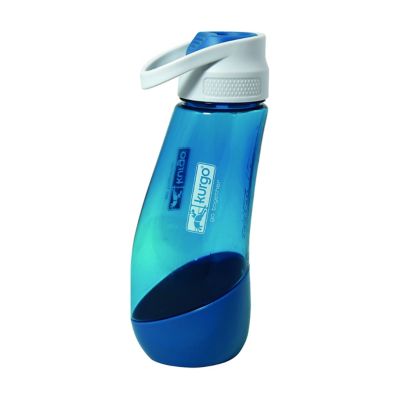
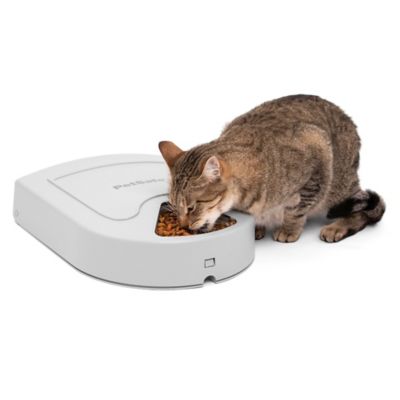
Automatic dog waterers help keep a steady supply of drinking water available when you have a busy household, a large yard, or more than one dog sharing the same space. Instead of relying on a bowl that needs constant topping off, these watering systems refill from a connected water source or hold a larger reservoir for gradual use throughout the day. Outdoor models commonly attach to a garden hose, spigot, or water line and use a float valve that shuts off the flow when the bowl reaches the right level. As your dog drinks, the water level drops and the valve opens to refill it. This setup works well near a kennel, dog run, barn, porch, or fenced-in yard, especially for families whose dogs spend long stretches outside. Indoor fountains and dispensers work a little differently. They draw water from an internal tank and may use a pump to circulate it through a filter, with some models powered by a wall outlet and others designed for battery operation. A circulating fountain can be a handy choice for a kitchen, mudroom, laundry room, or crate area, while a battery-operated design may suit a spot where running power cords would be inconvenient. When comparing automatic dog waterers, start with where the unit will sit and how your dog uses the space. Measure the area, check for a nearby hose connection or outlet, and think about whether the bowl will be exposed to rain, mud, leaves, curious paws, or chewing. A low, wide bowl may be easier for a broad-faced dog to use, while a deeper reservoir can reduce refills for a household with several thirsty dogs. Stainless steel and other easy-to-clean materials are practical choices for daily use, and removable bowls or reservoirs make routine washing less of a chore.
Water needs can change with activity, size, diet, and weather, so capacity is an important part of choosing the right automatic dog waterer. A working dog running around a property, a playful young dog, or several dogs sharing one bowl may go through much more water than a small indoor companion. During warm stretches, outdoor dogs need dependable access to clean water after chasing livestock, playing fetch, or patrolling the fence line. During cooler months, a sheltered placement still helps keep the bowl free of leaves, dirt, and standing debris. No automatic system replaces regular attention. Check the water level, bowl, hose, valve, pump, and filter often, and clean the drinking surface before slime or buildup has a chance to collect. Outdoor bowls may need more frequent rinsing because dust, grass clippings, insects, and bird activity can find their way inside. If the unit connects to a hose, inspect the fittings for leaks and make sure the hose is protected from sharp edges, chewing, vehicles, and freezing conditions. For electric or battery-powered fountains, keep cords secured and dry, replace filters according to the care instructions, and confirm that the pump is moving water properly. A backup bowl is a sensible addition for power outages, travel, maintenance, or an especially hot day. Pet owners who are away at work, manage a farm or acreage, care for dogs in an outdoor kennel, or simply want to make daily chores easier may find an automatic waterer especially useful. It can also make a thoughtful gift for a new dog owner, someone adopting a second pet, or a friend who spends weekends at a cabin, hunting property, or rural home. Match the design to the dog rather than choosing by appearance alone, and look for stable construction that will not slide across concrete when a determined dog noses the bowl.
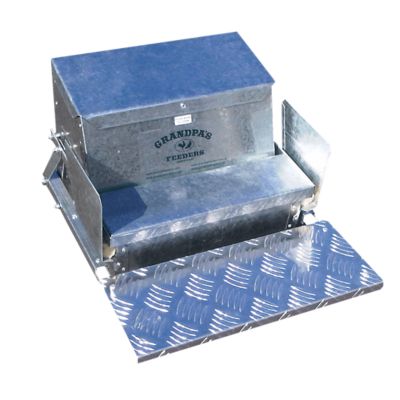
Automatic dog waterers are part of a larger effort to make everyday animal care more dependable. Many rural households use hands-off or refill-friendly equipment for pets and livestock, from dog watering stations by the back door to feeding equipment in the coop, such as an
Automatic Chicken Feeder. The right setup can save trips across the yard while still leaving room for the hands-on care animals need. Before placing a waterer, choose a level location with good drainage and enough clearance for your dog to stand comfortably without bumping into a wall, fence, or kennel panel. Keep the drinking area separate from muddy bedding and waste, and consider a rubber mat or gravel base to help control splashing and tracked-in dirt. If more than one dog uses the space, providing extra access or a second water station can help prevent crowding and keep a shy dog from being pushed away. A hose-connected bowl is often a straightforward fit for outdoor use where a faucet is close by, while an electric or battery-operated reservoir fountain may be more convenient inside or in a covered area without plumbing. Filtered or circulating options can help keep water moving and may appeal to dogs that prefer fresher-tasting water, though filters and pumps need regular care. A larger reservoir can stretch the time between refills, but it should not be filled and forgotten; fresh, clean water matters more than maximum capacity. Whether you are setting up a kennel, preparing for a new puppy, improving a backyard routine, or making chores easier for an older dog, an automatic dog waterer offers a practical way to keep hydration within easy reach through changing weather and busy days.