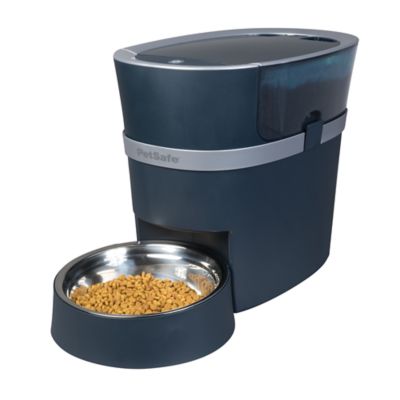
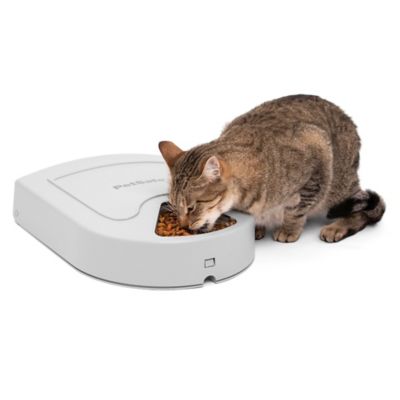
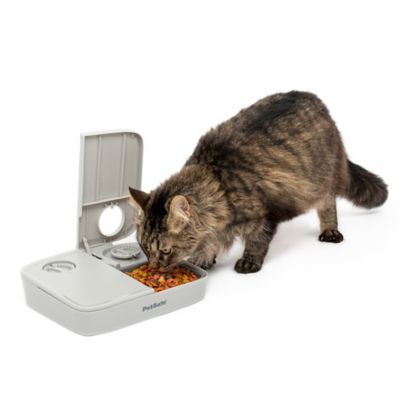
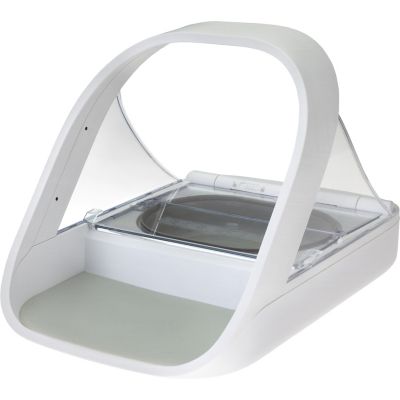
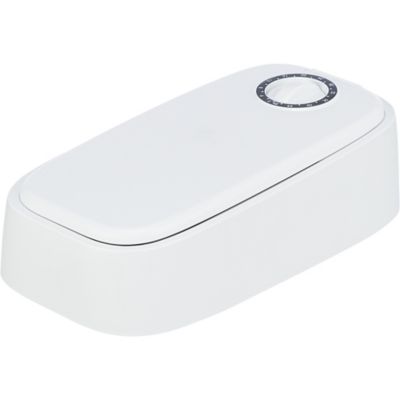
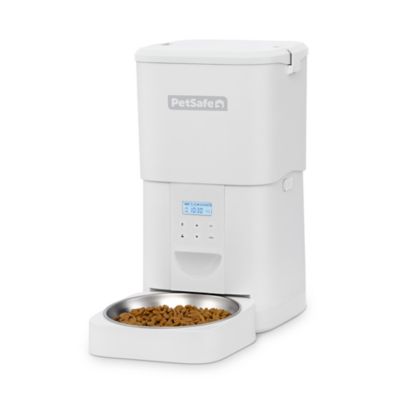
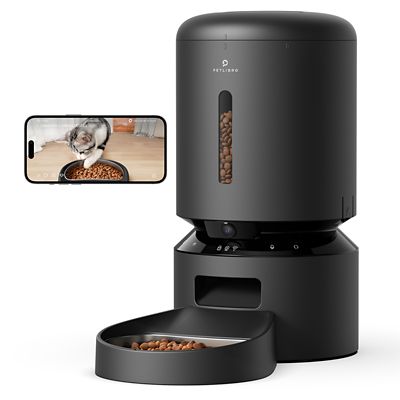
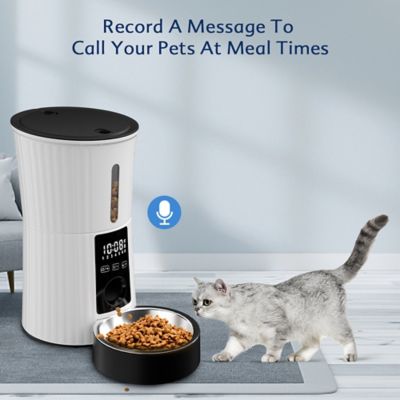
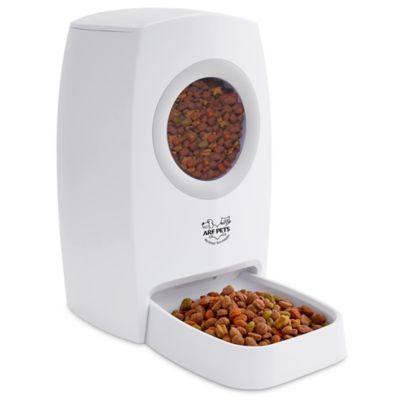
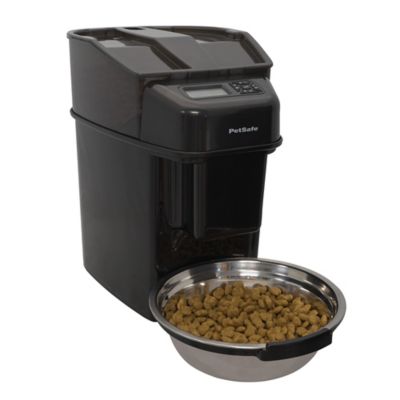
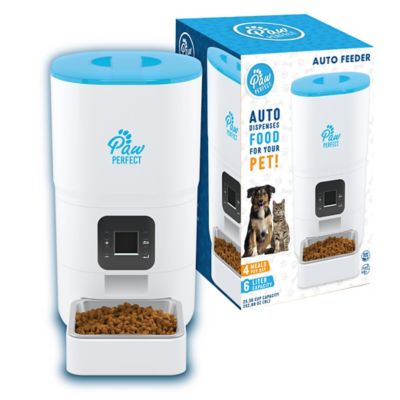
An automatic dog feeder makes a practical holiday gift for a dog owner who wants help keeping meals on schedule and managing daily portions. It takes one recurring chore off the list without taking the person out of the dog’s care. For someone balancing morning barn chores, a commute, and a hungry dog waiting by the kitchen door, a scheduled meal can make the household routine a little smoother. That benefit carries beyond Christmas morning, giving this kind of gift a place in everyday life long after the wrapping paper is gone. Automatic dog feeders come in several general designs, and the way they deliver food matters more than how many features they have. Programmable dispensers release measured servings from a storage hopper, while timed tray feeders open separate compartments at set times. Gravity feeders refill the bowl as food disappears, but they do not provide the same control over meal timing or portions. A scheduled feeder can suit an adult dog with an established feeding routine, though puppies, dogs with medical conditions, and pets on special diets may need closer oversight and a veterinarian’s feeding plan. The right match depends on the dog’s appetite, body size, food, and eating habits, not just the size of the storage container. A big hopper does not necessarily mean a feeder can dispense a large dog’s full meal, and a small serving setting may still be too much for a little dog. Bowl depth and height matter, too: a broad muzzle needs room to reach the food, while a smaller dog should not have to stretch awkwardly over a tall rim. For a thoughtful gift, it helps to know the recipient’s usual kibble and feeding schedule. Many dispensing feeders are intended for dry food within a stated piece-size range; soft, irregular, or oversized pieces may not move through the mechanism as intended. Wet or fresh food belongs only in equipment designed for it, with storage and serving limits that follow the food and feeder instructions.
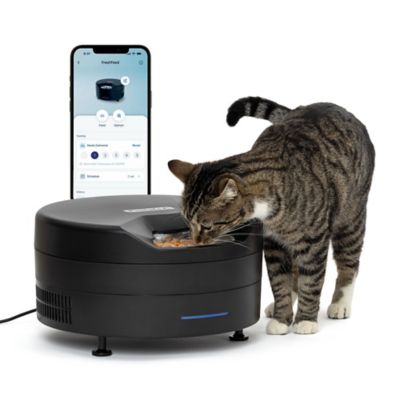
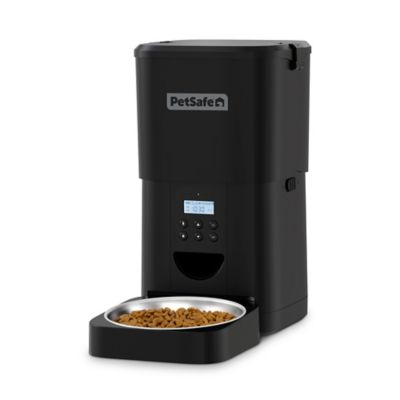
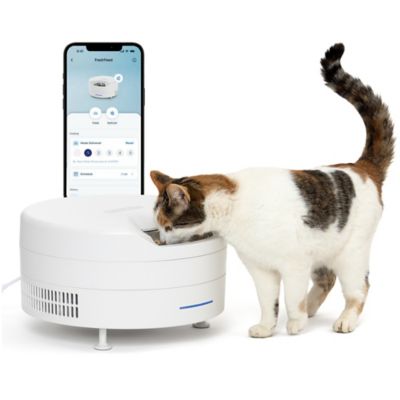
Useful features are the ones that fit the recipient’s home and routine. Straightforward buttons and a readable display may suit someone who wants to set meal times without reaching for a phone. App-connected feeders can offer remote scheduling, meal notifications, or a view of the feeding area when a camera is part of the design. Those features depend on compatible home Wi-Fi, a working connection, and the equipment’s stated capabilities; not every feeder supports every wireless network. A camera may show whether a dog approached the bowl, but it cannot confirm that the dog ate the intended amount or replace a person checking in. Power deserves the same attention as connectivity. Some designs plug into a wall outlet, some run on batteries, and some provide battery backup for interruptions. A
Battery Operated Dog Feeder can be a good fit where an outlet is inconvenient, provided the placement meets the feeder’s indoor or outdoor rating. Backup behavior varies, so checking whether meal settings stay saved and which functions continue without wall power is worth the effort. Materials and construction also make a difference in daily handling. Stainless steel bowls and removable food-contact parts can simplify cleanup, while food-safe plastic components should have smooth surfaces without cracks or rough edges. A secure hopper lid helps keep a curious nose out, although a determined dog may still need a feeder placed in a protected location. A broad base, nonslip feet, and a bowl that stays seated can help when an eager eater noses the dish across the floor. Power cords should stay away from chewing and foot traffic, and an indoor feeder belongs in a dry, sheltered spot rather than beside a muddy entry or an open barn doorway. Storage capacity is another practical detail: it describes how much food the hopper holds, not how long a dog can safely go without personal care. A snug lid helps limit exposure to air and moisture, but it does not make stored kibble last indefinitely.
A good automatic dog feeder holiday gift should also be manageable to clean, refill, and check. Food oils and crumbs collect in bowls, chutes, and dispensing parts, so removable components are helpful for regular washing according to the manufacturer’s directions. Dishwasher-safe claims apply only to the parts identified in those directions; motors, control panels, and electrical connections generally need to stay dry. Everything should dry fully before fresh kibble goes back in. Smaller refills can make more sense than filling a large hopper to the brim, especially for a dog that eats modest portions. Keeping the food’s original package also preserves the feeding directions, expiration information, and lot details. Before relying on a schedule, the recipient should run several meals while someone is home, measure what actually lands in the bowl, and compare that amount with the dog’s daily feeding plan. A dispenser’s portion setting is not always the same as a kitchen measuring cup, and changing kibble can change the amount delivered. Treats and food from other household members still count toward the day’s total. Where offered, a slow-feed function spreads a serving over time, but it is not a substitute for veterinary advice about gulping, choking concerns, or digestive problems. In a home with several dogs, separate feeding spaces may be necessary so one pet does not finish everyone’s supper. A feeder also cannot supply fresh water, exercise, medication, bathroom breaks, or companionship. Holiday travel still calls for a caregiver who can visit, check the equipment, and make sure the dog is eating and behaving normally. The best gift fits into that care rather than standing in for it. For a family member who heads out early to feed livestock, or a neighbor whose dog expects supper before evening chores are finished, a well-matched feeder offers everyday help. Clear controls, suitable portions, easy cleaning, and a feeding area the dog accepts are what turn a useful present into part of a comfortable routine.