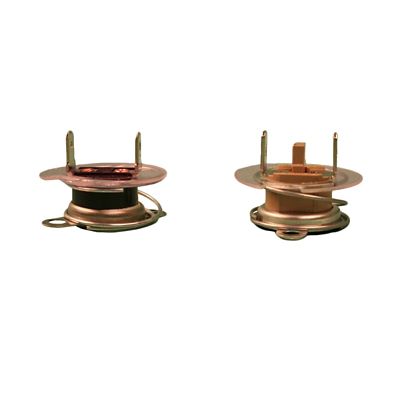
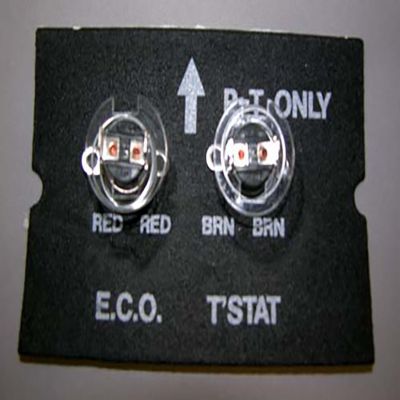
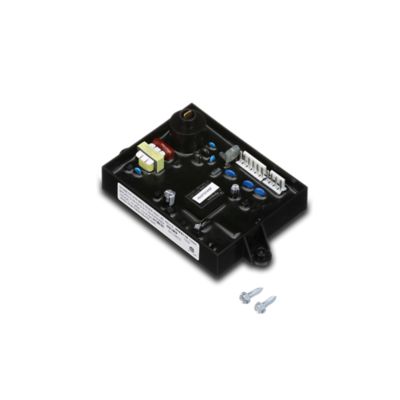
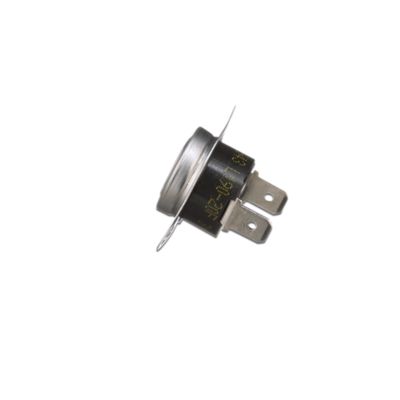
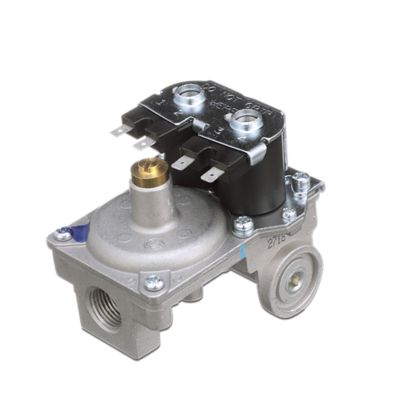
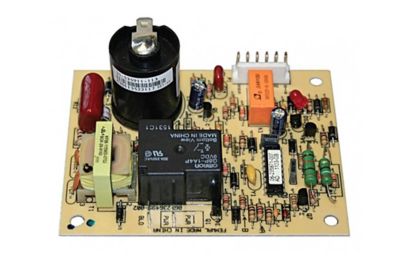
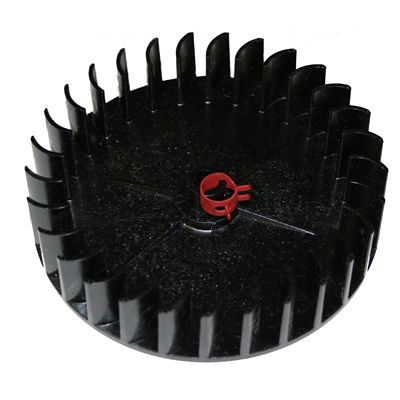
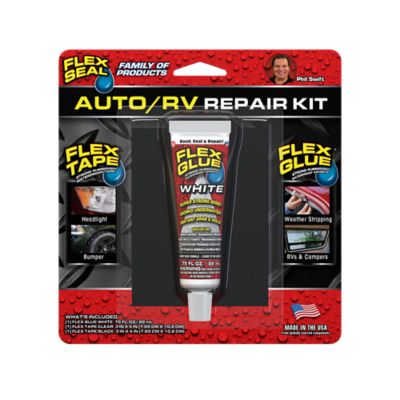
Atwood RV parts are replacement components for compatible appliances and related systems in motorhomes, travel trailers and other recreational vehicles. The Atwood business changed ownership in 2014, so an older equipment label and a later replacement reference may show different manufacturer names. That makes the appliance’s model number, serial number and approved replacement information more useful than appearance alone. A camper’s year and floor plan provide background, but they do not always identify the equipment installed inside it, especially if a previous owner replaced an appliance along the way. Two trailers parked side by side can have different connections, mounting arrangements and operating requirements behind nearly identical access panels. Depending on the system, fit considerations can include physical dimensions, electrical ratings, fuel type, connector shape and the location of mounting holes. Even a small difference can keep a replacement from seating correctly or working with the surrounding assembly. Manufacturer documentation helps distinguish a direct replacement from a component that requires additional approved hardware or professional installation. Revised part numbers also matter: a later number may replace an earlier one without matching every detail of its appearance. On the other hand, a similar-looking piece is not necessarily interchangeable. For owners keeping a familiar camper ready for another trip, the goal is a component that belongs with the installed equipment, not simply one that fits through the opening. Clear equipment records are especially helpful with older RVs, where years of repairs can leave a mix of original assemblies and later replacements. A readable data plate, an existing part number and the applicable service information give the purchase a firmer starting point than a photograph by itself. For folks maintaining a trailer at home or working with an RV service shop, those details help narrow the choices without overlooking the small differences that affect operation.
Materials and construction deserve the same attention as dimensions. RV components work in confined spaces, travel over uneven roads and sit close to plumbing, wiring or fuel connections, depending on their purpose. Metal housings, brackets and fasteners need the appropriate strength and corrosion resistance for their location, while plastic components need the correct shape and material properties for the assembly. Seals and gaskets must suit the fluid, heat and pressure conditions specified for the equipment; matching the outline alone does not establish compatibility. Electrical pieces also depend on the proper ratings, terminals and protective features. A heavier component is not automatically a better match, and a different material is not necessarily an improvement over the original specification. The intended application sets the requirements. Access matters, too. A replacement may need clearance for wiring, room for a service panel to close or space around nearby plumbing without pinching or rubbing. Road vibration can put stress on loose connections and unsupported assemblies, making correct mounting and approved fastening hardware important parts of the repair. Care generally centers on keeping service areas clear, watching for leaks or damaged wiring and following the equipment manufacturer’s inspection and cleaning recommendations. Dust, residue and moisture around an assembly can make developing trouble harder to spot, while harsh cleaners may harm certain finishes, seals or plastics. Storage and handling before installation matter as well, particularly for components with exposed terminals or sealing surfaces. Parts involving propane, combustion, pressurized water or electrical power call for the appropriate service procedures, with a qualified RV technician handling work beyond the owner’s training. The practical aim is steady operation and a sound installation, not a workaround that leaves a cover unsecured or a safety control out of the circuit. Correctly matched components support service life while preserving the way the equipment was designed to function.
The value of RV replacement parts shows up in ordinary camping routines: getting supper ready after pulling into a campsite, keeping onboard systems working during a stay at the fairgrounds or maintaining a trailer that serves as a home base during a livestock show. Weekend campers, families traveling between relatives and owners spending longer stretches on the road may put different demands on their equipment, but all benefit from parts suited to the actual setup. A trailer connected to campground utilities can have different operating considerations from one running on its onboard resources, and the equipment’s documented capabilities still set the limits. For a camper parked beside the barn between trips, a needed repair may become part of the same upkeep routine as checking the hitch and looking over the tires. For someone traveling farther from home, keeping equipment information together can make a service visit more straightforward when a problem interrupts the trip. In either case, replacing the failed component does not always mean replacing the entire appliance; the condition of the surrounding assembly and the manufacturer’s service guidance help determine the sensible scope of the work. A cracked housing, damaged connection or repeated operating fault deserves attention beyond the most obvious symptom. Keeping repair records also gives the next owner or technician a clearer picture of what is installed, including any approved changes made over time. Built-in systems are one part of a comfortable campsite, alongside the practical gear found within
RV Camping Equipment. The connection between them is simple: equipment that fits its job leaves more time for settling in, sharing a meal and enjoying the stop. Whether the camper is a familiar family trailer or a motorhome getting its next round of upkeep, thoughtful replacement choices help keep its everyday systems working as intended. The best match comes back to the same essentials: the right application, the right specifications and care that follows the equipment’s service requirements.