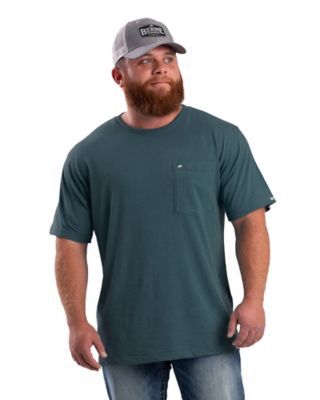
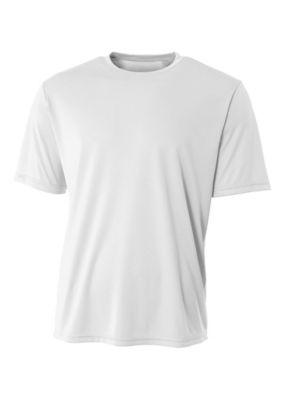
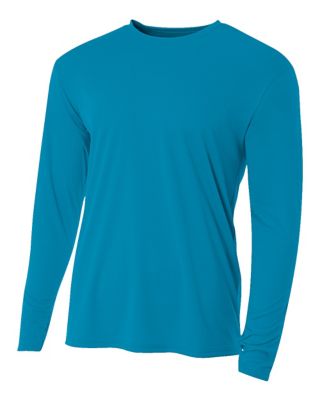
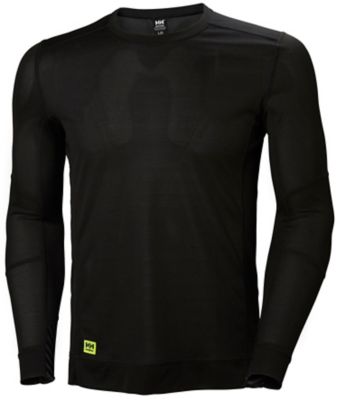
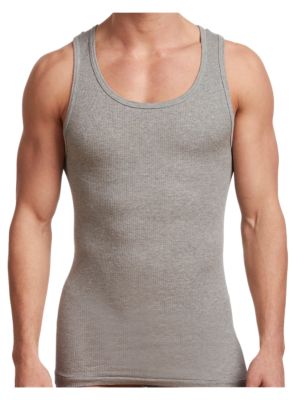
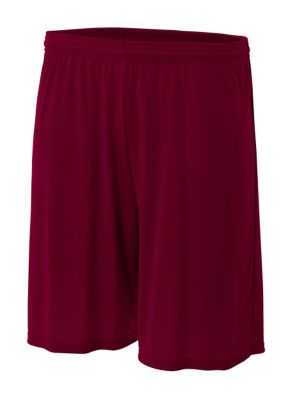
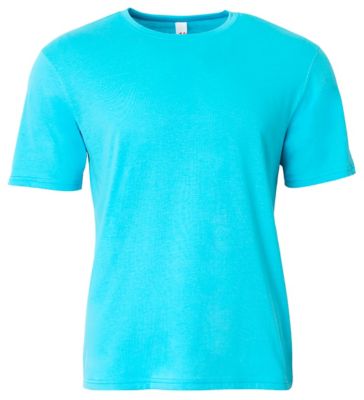
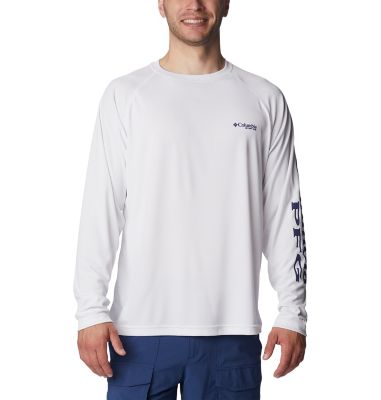
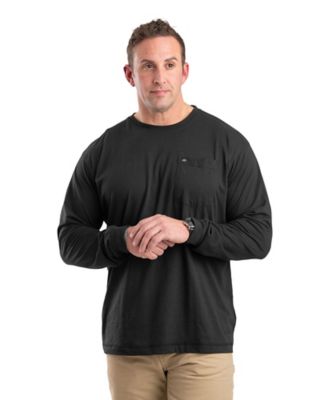
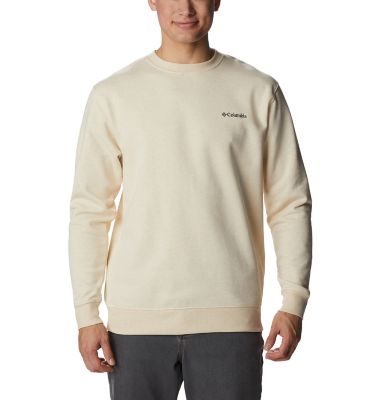
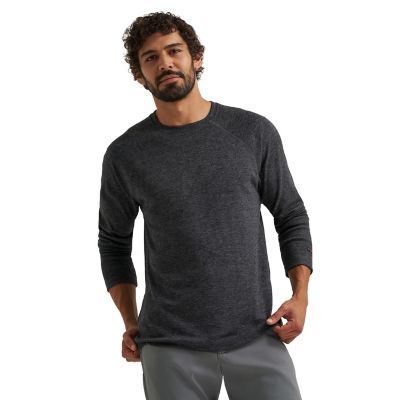
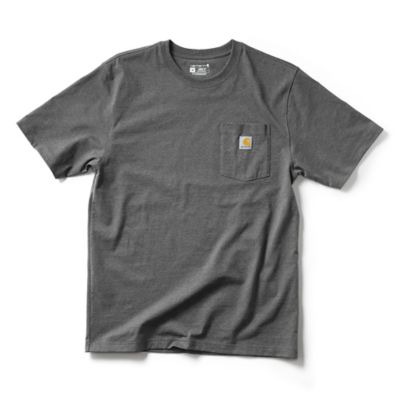
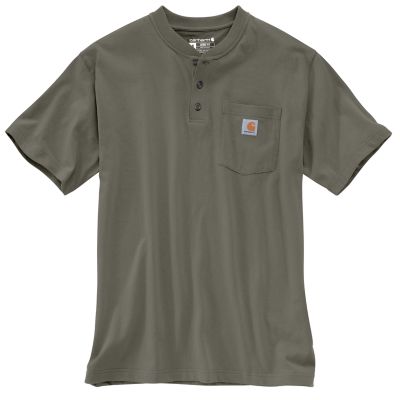
Men's athletic wear includes breathable shirts, flexible shorts, joggers, training pants, and light layers made to keep movement comfortable during exercise and everyday activity. These clothes suit everything from a walk down a gravel lane to weight training, pickup basketball, or a workout squeezed in after chores. Athletic tops generally give the shoulders and arms room to move, while athletic bottoms combine an adjustable waist with enough stretch or ease for bending, stepping, and squatting. The fabric makes a noticeable difference once the pace picks up. Polyester and nylon fabrics often shed moisture and dry faster than cotton, making them practical for activities that bring on a steady sweat. Moisture-wicking construction helps move perspiration away from the skin toward the fabric's outer surface, where it can evaporate. Mesh panels and lighter knits can allow more airflow, though breathability also depends on the garment's thickness and fit. Cotton has a familiar, soft feel that works well for light exercise, stretching, and everyday wear, but it absorbs moisture and may stay damp longer during hard training. Blended fabrics can balance that familiar feel with stretch and faster drying. Elastane, sometimes listed as spandex, gives fabric some give and helps it return toward its original shape after movement. Four-way stretch extends both across and along the fabric, which can make deep squats, lunges, and overhead reaches feel less restricted. The amount of stretch needed depends on the activity: a relaxed walking shirt has different demands than fitted clothing worn through a full strength-training session. Athletic wear also has a place beyond the gym. Comfortable pants and an easy-moving shirt can take a man from a home workout to a trip into town without much fuss. For someone whose day already includes plenty of physical work, exercise clothes offer a change of pace from stiff workwear. They are made for movement, however, and should not be treated as protective clothing around machinery, sharp tools, or other jobsite hazards.
Fit matters just as much as fabric, especially when clothing has to move through more than a few steps across a room. A training shirt should allow the arms to reach overhead without pulling tight across the back, and its length should provide the coverage the wearer prefers when bending or stretching. A closer fit can keep extra fabric out of the way, while a relaxed cut leaves more room through the chest and waist. Neither needs to feel restrictive. Fitted stretch layers should feel snug rather than pinching, and seams should not dig into the underarms, waistband, or backs of the knees. Athletic shorts vary in length, leg opening, and lining, so the right fit depends on the movement and the wearer's comfort. An inseam around five to seven inches is a common option for running and general training; longer cuts provide more leg coverage. A roomy leg opening allows a full stride, while an overly loose hem may get in the way during certain exercises. Built-in liners can provide coverage and reduce the need for an extra layer, although some men prefer unlined shorts with separate undergarments. Joggers and training pants provide more coverage without requiring the stiff feel of everyday work pants. Tapered legs keep excess fabric closer to the body, and ankle cuffs can help keep hems from dragging. Waistbands should sit comfortably without rolling or needing constant adjustment. Drawcords offer a way to fine-tune the fit, especially during repeated movement. Pocket placement deserves attention, too: a phone bouncing against the thigh can be distracting on a run, while an open pocket may be perfectly fine for a relaxed walk. Secure closures help hold small belongings when the activity calls for them. Flat seams, smooth interior finishes, reinforced stress points, and fabric that recovers its shape can all contribute to comfort and resistance to wear. These details are worth considering for clothing that will see frequent workouts and regular washing.
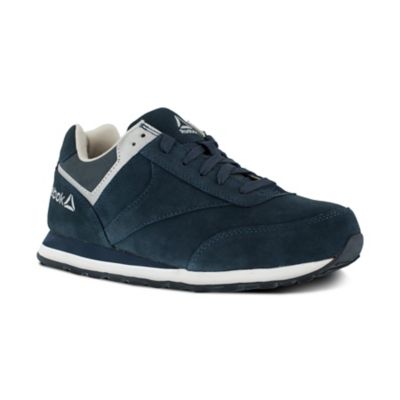
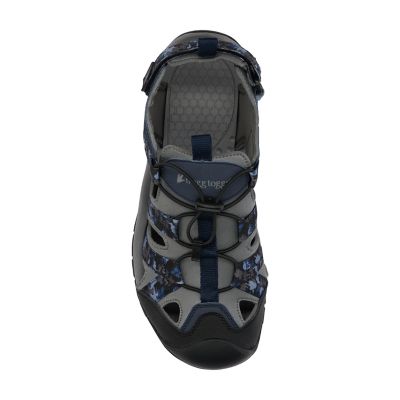
Men's workout clothes are easiest to work into a routine when their intended use matches the way the wearer actually moves. Lightweight, quick-drying pieces fit steady running or circuit training, while flexible bottoms and shirts with room through the shoulders suit lifting, stretching, and mobility work. A light pullover or zip-front layer can be handy before a session begins or after the effort eases, with a zipper offering an easy way to adjust coverage. For walking, errands, and relaxed days, a soft knit and a less fitted cut may matter more than technical features. Footwear completes that setup, and
men's white athletic sneakers can pair easily with athletic shorts, joggers, and simple training tops. Shoe choice should still follow the activity, with attention to fit, traction, and the support needed for walking, running, or gym exercises rather than appearance alone. Regular care helps athletic clothing keep its feel and shape through repeat wear. The care label is the best starting point because fabric blends, prints, liners, and stretch panels can have different washing requirements. Turning garments inside out can limit rubbing on the outer surface, and closing zippers before washing helps prevent snags. Separating athletic fabrics from rough work clothes and exposed hook-and-loop fasteners can also reduce abrasion. Many performance fabrics do better without fabric softener, which can leave a coating that interferes with moisture movement; the garment's instructions should determine the care routine. Damp workout clothes should have room to dry instead of sitting balled up in a bag, and lower dryer settings or air drying may help protect stretch fibers when the label allows them. Athletic clothing can also make a practical gift for a man who walks daily, works out at home, plays recreational sports, or likes an easygoing fit for his downtime. His usual shirt size, waist measurement, preferred inseam, and choice between fitted and relaxed clothing provide a better starting point than guessing from appearance. Familiar cuts and fabrics help make the gift something he will reach for regularly, whether his routine involves an early workout, a long walk, or a little movement at the end of a busy day.