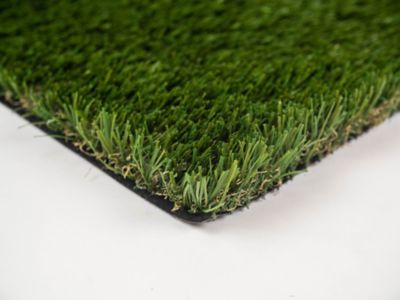
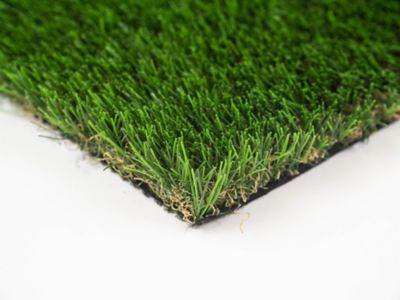
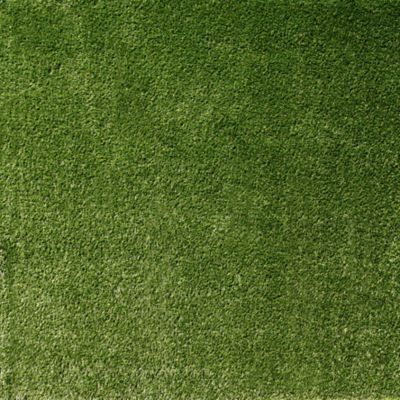
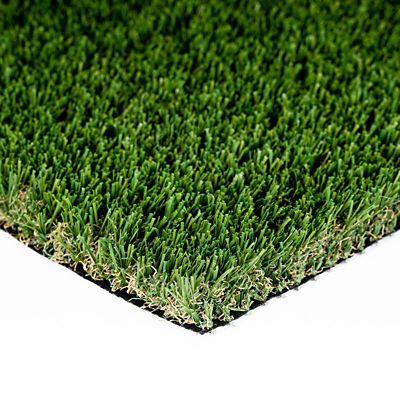
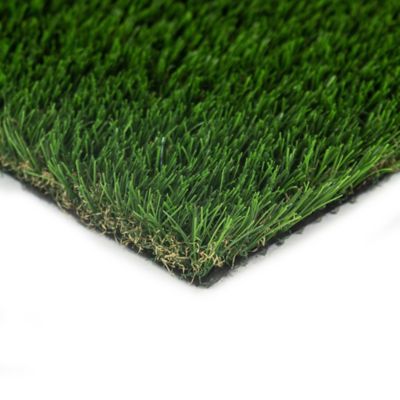
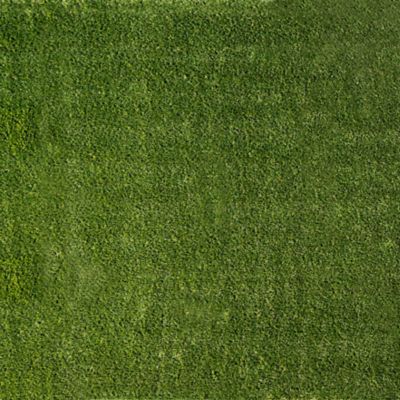
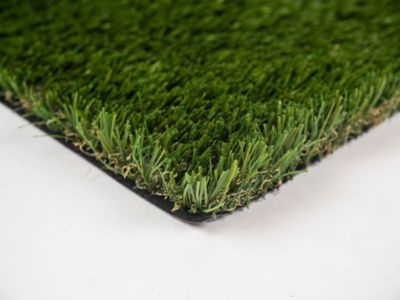
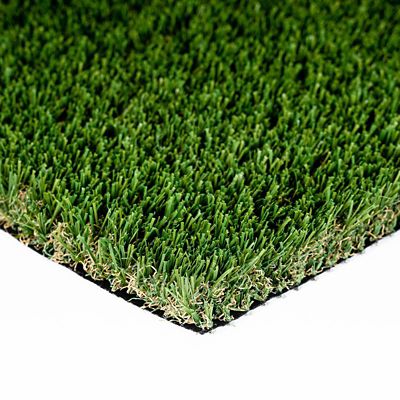
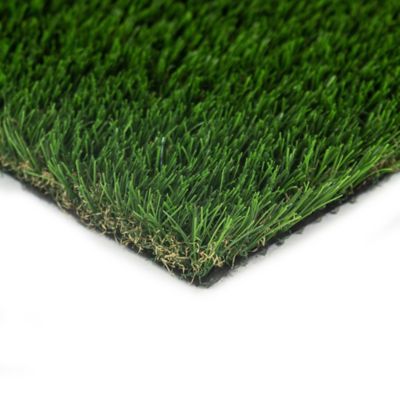
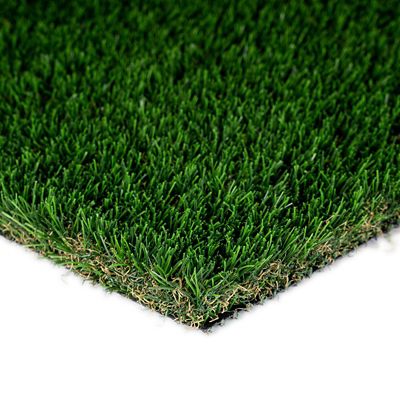
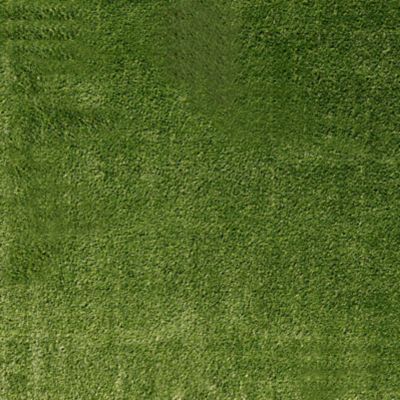
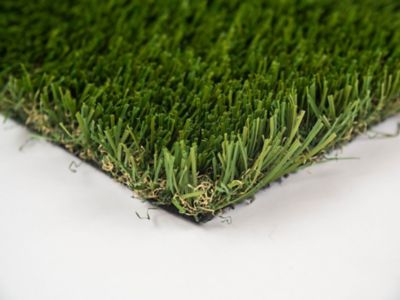
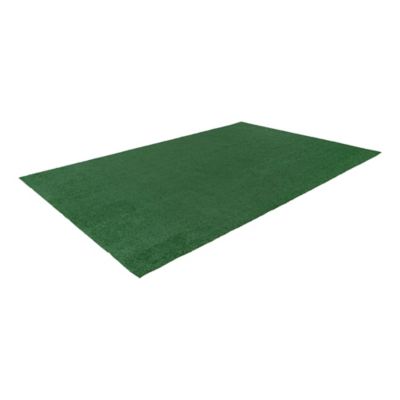
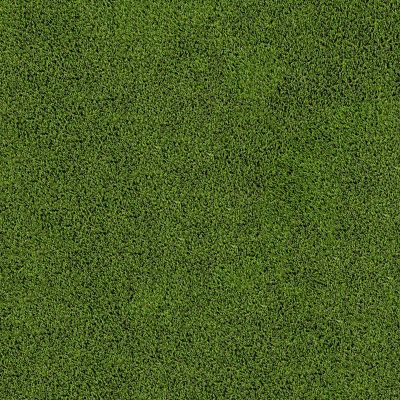
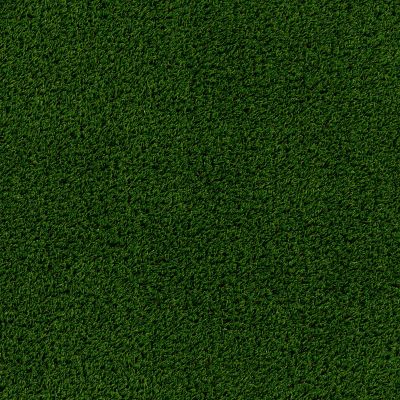
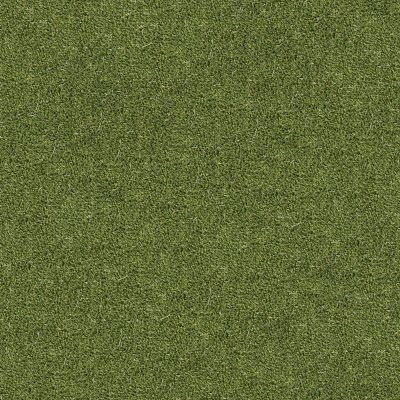
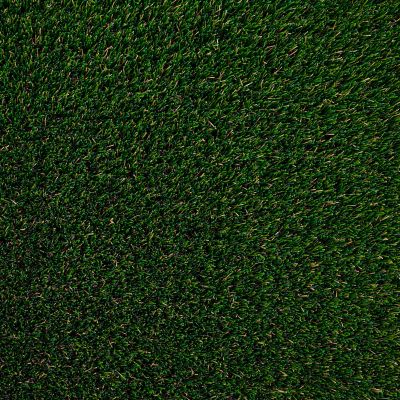
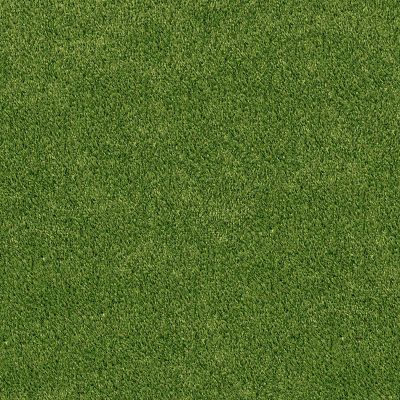
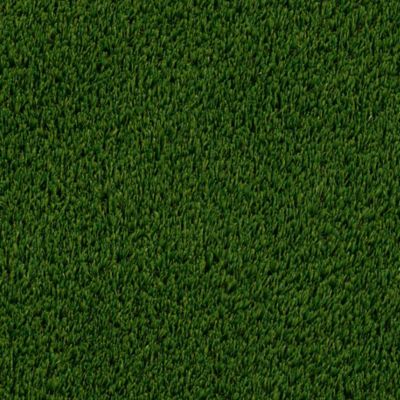
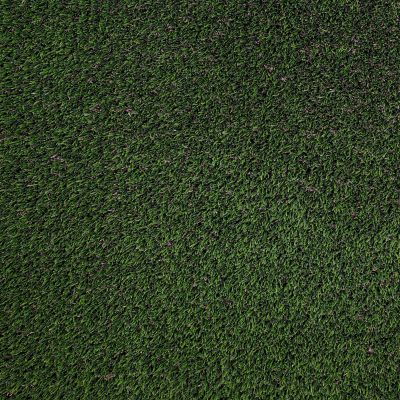
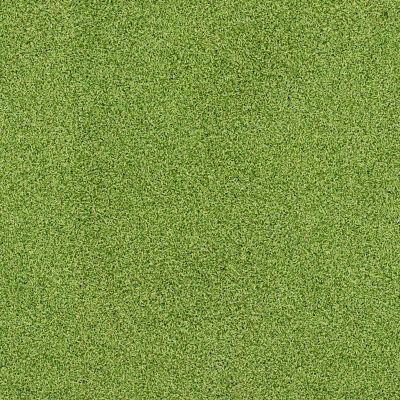
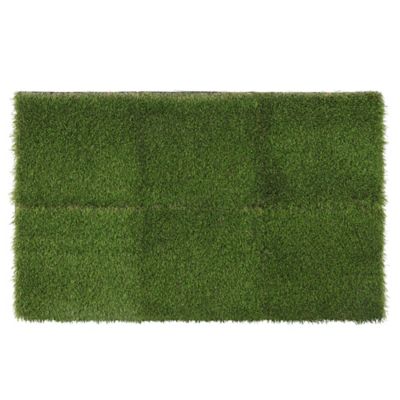
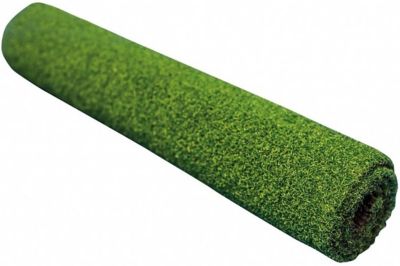
Artificial grass carpets for patios are synthetic turf floor coverings that bring the look of grass to concrete, pavers, and other firm outdoor surfaces without mowing, watering, or tracking loose soil through the back door. They can soften the appearance of a plain slab, define a spot for a table and chairs, or give a small sitting area a greener feel. Unlike living lawn, a grass carpet gets its appearance from manufactured fibers attached to a backing, so its feel and performance depend on both layers. Polyethylene fibers often have a softer feel, while polypropylene is common in shorter, carpetlike constructions. Nylon may also appear in turf designed for stronger fiber recovery. The material alone does not tell the whole story: pile height, fiber density, backing construction, and the way the carpet is secured all affect everyday use. Short pile, often around a quarter to half an inch, generally makes sweeping crumbs and brushing away leaves more straightforward. Taller pile, around three-quarters of an inch or more, can offer a fuller, grasslike appearance, though it may take more brushing to lift flattened fibers and clear trapped debris. A thick-looking surface is not necessarily a cushioned one, especially when the carpet sits directly on concrete. For a patio where folks gather around a table, a lower profile can help chair legs move without catching as much fiber. For a quiet corner with a bench and a place to kick off work boots, a softer surface may matter more. Color and blade shape also change the overall look. A consistent green gives a tidy, carpetlike finish, while mixed green tones and brown thatch fibers can resemble a lawn more closely. These differences make artificial grass patio carpets a practical way to shape how an outdoor space looks and feels without turning that space into another patch of ground to maintain.
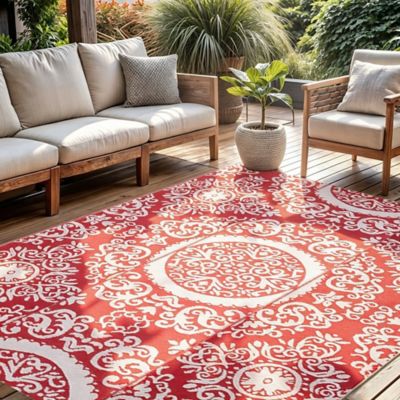
Fit and backing deserve just as much attention as the grassy surface. Patio grass carpets may cover a whole seating area or sit beneath a smaller grouping of furniture, and either arrangement works best when the edges lie flat and stay clear of door swings, steps, and walking paths. A low threshold leaves less room for thick turf, while a table with narrow feet needs a stable surface underneath. On a compact patio, leaving a visible border of concrete or pavers can keep the layout looking settled rather than crowded. Finished edges offer a neat boundary, while turf intended for trimming can accommodate posts, corners, and other fixed features when its construction permits cutting. Loose corners and overlapping sections can become trip points, so the attachment method needs to suit both the carpet backing and the surface below it. Adhesives and tapes are not interchangeable, and some can leave marks or interfere with drainage. For outdoor placement, drainage is a key distinction between a grass carpet and an ordinary indoor floor covering. Perforated or otherwise permeable backing allows rain or rinse water to pass through, but the patio underneath still needs a clear path for that water to escape. Turf cannot correct a low spot in a slab or a blocked drain. Rubber-backed constructions can offer grip, though backing materials vary in how they handle moisture and whether they suit a particular deck coating or patio finish. Product care information should identify those limits. Resistance to sunlight also matters for exposed patios, since UV protection helps fibers retain their color rather than guaranteeing they will never fade. For a different texture or a patterned seating area,
Outdoor Rugs for Small Patios offers another direction to consider alongside the lawnlike appearance of turf. Either style benefits from a footprint that keeps furniture steady and gives people a clear route between the house and the yard.
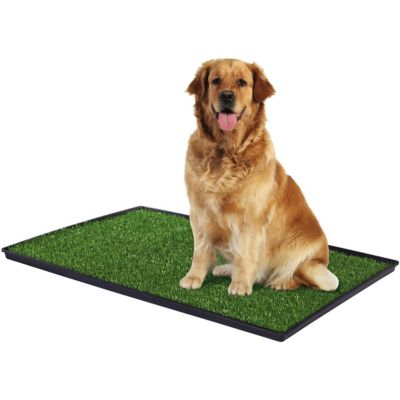
Everyday care for an artificial grass carpet is mostly about keeping grit, spills, and moisture from settling into places where they are harder to remove. A broom with synthetic bristles can lift loose dirt and help straighten flattened blades; a stiff wire brush can damage fibers or backing. Leaves, seed hulls, and crumbs are easier to clear before repeated foot traffic pushes them down into the pile. For washable turf, an occasional rinse can carry away fine debris, provided the water has somewhere to drain and the carpet can dry fully. Mild soap may help with a spill when the manufacturer's care directions allow it, but harsh cleaners, solvents, and pressure washing can harm certain constructions. Underneath matters, too. A removable carpet gives access to sweep the slab and check for trapped grit or damp spots, while a secured installation calls for particular attention to drainage and edge condition. Families with children may appreciate a grasslike place for floor-level play, but a patio carpet is not a substitute for impact-rated playground surfacing. Households with pets have a different set of needs: rinse-through backing can help with cleanup, but artificial turf does not absorb or break down pet waste like soil. Prompt pickup, thorough rinsing, and a cleaner approved for the turf material help manage residue and odor. No general grass-carpet description establishes that a particular material is suitable for chewing, so pets that tug at fibers need supervision. Around a grill, smoker, fire pit, or workshop doorway, sparks, hot grease, and heated equipment can melt or scorch synthetic fibers. Keeping turf outside those work zones helps protect the surface and leaves a sensible place for messy chores. Furniture feet can also press down the pile, especially under a loaded table or a heavy bench. Broad contact points and occasional repositioning, where practical, can reduce concentrated wear. With the right construction, fit, and routine cleanup, artificial grass carpet can give a patio a comfortable, pulled-together look while keeping the upkeep focused on the floor covering rather than lawn care.