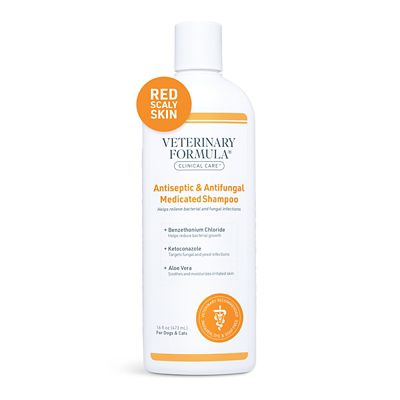
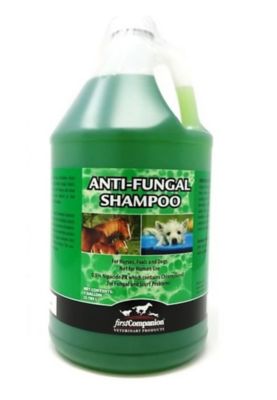
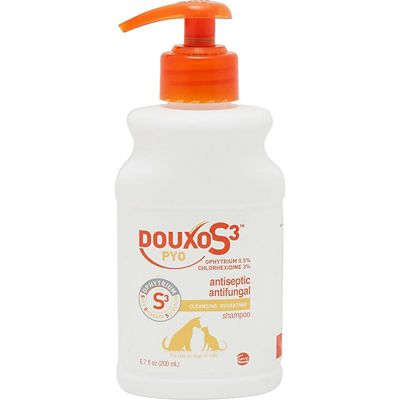
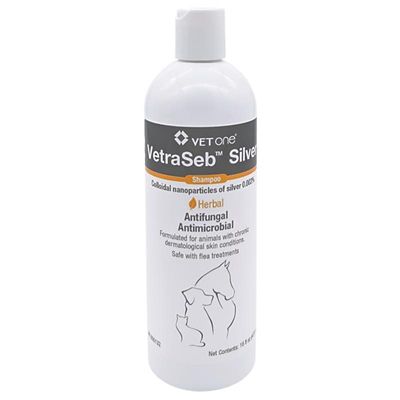
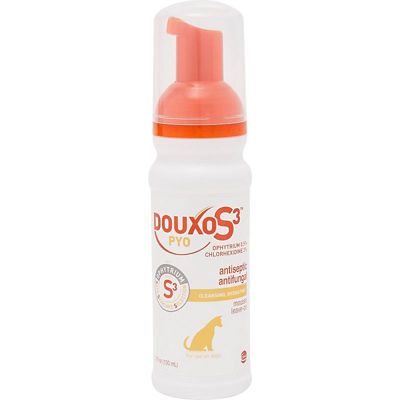
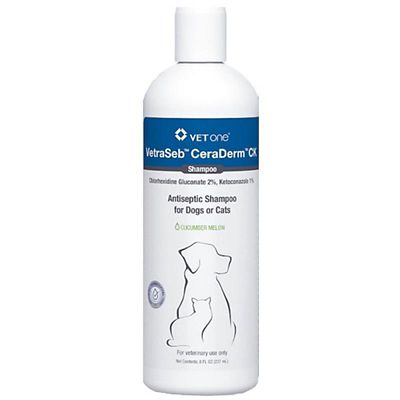
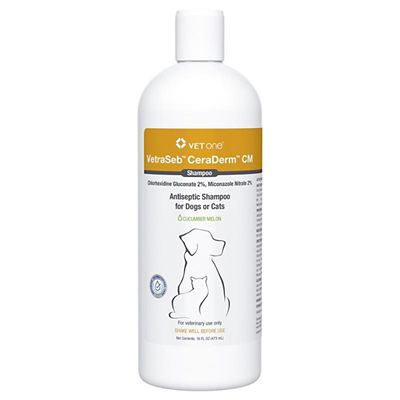
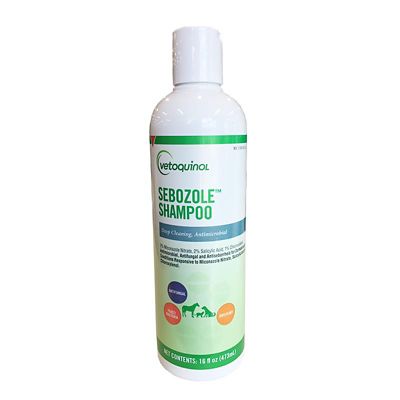
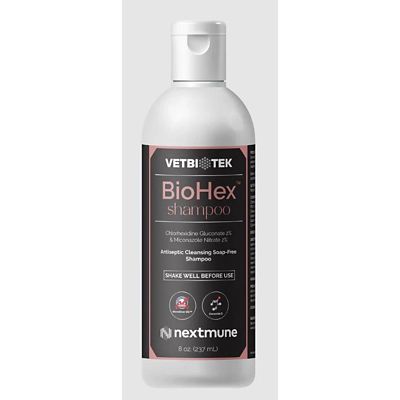
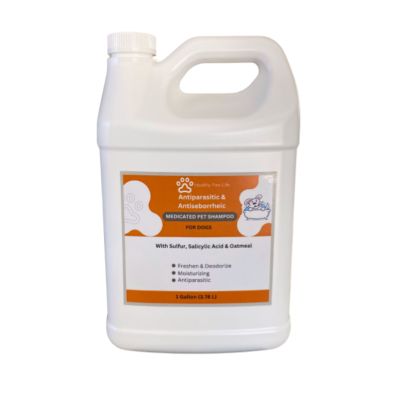
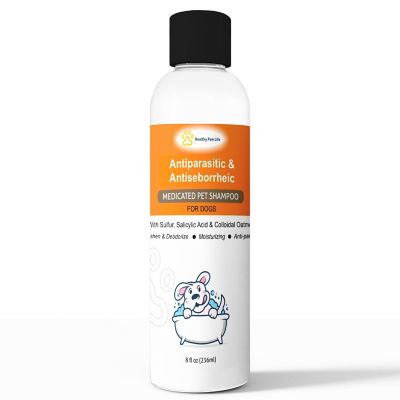
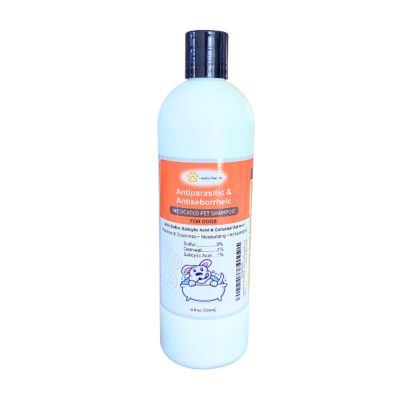
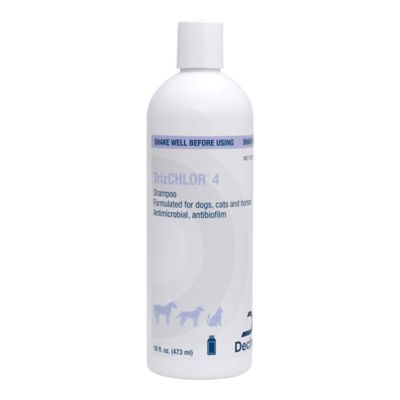
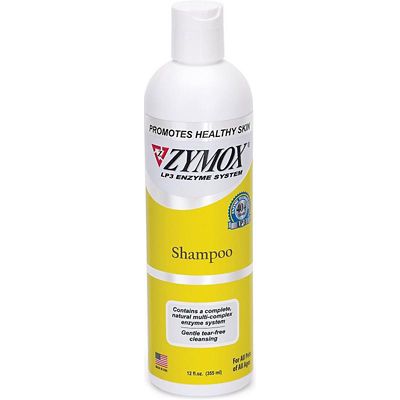
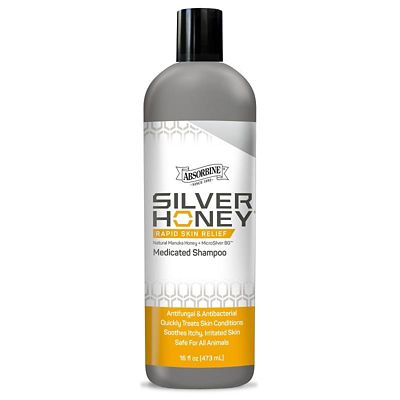
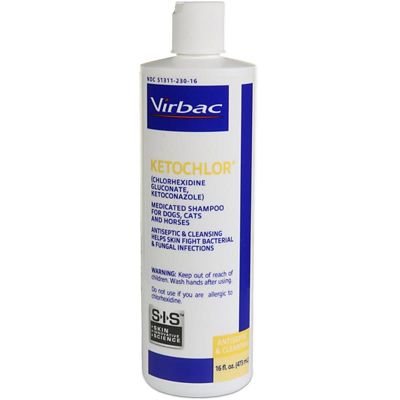
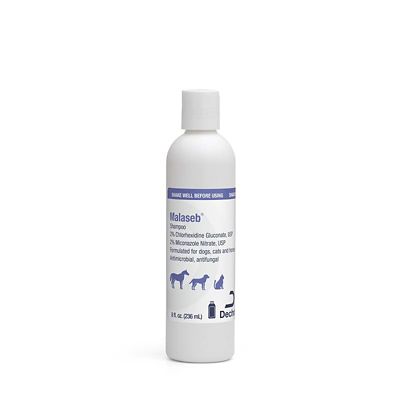
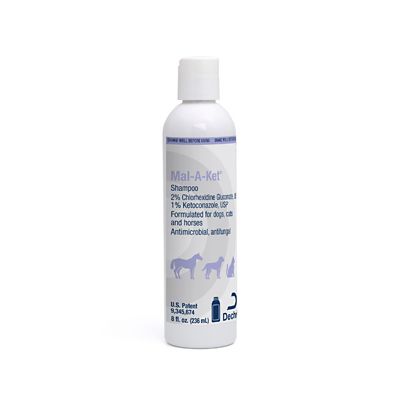
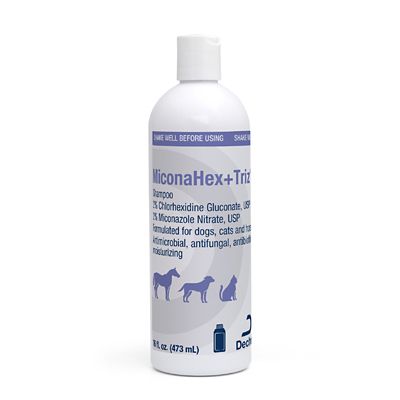
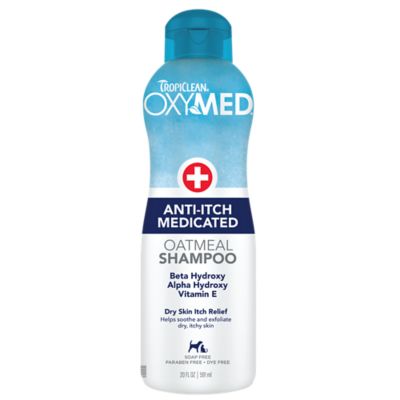
Antifungal dog shampoo is a medicated wash formulated to help manage certain fungal skin problems, including yeast overgrowth, when the formula is appropriate for the condition. Unlike a basic grooming shampoo, an antifungal formula contains an active ingredient intended to act against susceptible fungi on the skin. Ketoconazole and miconazole are examples of antifungal ingredients found in some veterinary shampoos. Chlorhexidine is an antiseptic that may appear alongside an antifungal ingredient to address bacteria and some yeasts; it is not a substitute for every antifungal treatment. These differences matter when comparing medicated dog shampoos, because similar-looking bottles can have different purposes. A dog with greasy patches, flakes, itching, or a lingering musty smell may have yeast overgrowth, but those signs can also come from allergies, parasites, bacterial infections, or other skin conditions. The smell alone does not tell the whole story. A veterinarian can examine the skin and check samples to help identify the problem before a bathing routine gets underway. Ringworm is another fungal condition, and shampoo may be part of a veterinarian-directed treatment plan when the formula is appropriate, but it is often not enough on its own. Ringworm can spread to other animals and people, making diagnosis and household cleaning important, too. Whether your dog rides along for chores, spends the day nosing around the yard, or claims a favorite spot beside the couch, the goal is the same: a wash matched to the skin problem rather than a stronger scent to cover it up. Antifungal dog shampoo belongs in targeted skin care, not automatically in every dog’s regular bath routine. Recurring trouble may also call for treatment of an underlying issue, such as an allergy, rather than a different bottle at each bath. Medicated shampoo can support that broader plan without replacing it.
When comparing antifungal shampoo for dogs, the active ingredient, its concentration, and the labeled purpose deserve a closer look than the scent or the size of the bottle. A higher concentration is not automatically a better match, especially for a dog whose skin is already irritated. Some formulas combine antifungal and antibacterial ingredients, while others focus on a narrower purpose. The label should make clear which animals the shampoo is for, any age restrictions, and the precautions that apply. Puppies, pregnant or nursing dogs, and dogs receiving other skin treatments may need extra guidance from a veterinarian. Coat type matters for handling, too. A short, smooth coat allows easier access to the skin, while a dense double coat or thick curls can take more effort to wet, work through, and rinse. The shampoo needs to reach the affected skin rather than simply sit on top of the hair. Conditioning ingredients may help keep the coat manageable, but terms such as moisturizing or gentle do not replace checking the active ingredient and safety directions. Fragrance can also matter for a dog with sensitivities, and a strong smell is no sign that a wash will work better. Human shampoo, dish soap, and household mixtures are not interchangeable with a dog-labeled medicated wash. The same care applies in a home with more than one kind of animal: a shampoo intended for dogs is not automatically suitable for cats. For a separate feline concern involving greasy skin or scaling,
Antiseborrheic Shampoo For Cats is a related category to discuss with a veterinarian. Antiseborrheic and antifungal describe different treatment purposes, even when skin symptoms seem alike. Keeping each animal’s diagnosis and label directions separate helps prevent mix-ups at bath time, particularly when several pets share the same wash area.
Contact time is an important part of medicated bathing, and it can make antifungal dog shampoo different from an ordinary quick wash. Many medicated shampoos call for the lather to remain in contact with the skin for 5 to 10 minutes before rinsing, but the directions for the particular formula take priority. Leaving it on longer is not automatically more effective and may increase irritation. Bathing frequency also depends on the formula, the diagnosis, and the dog’s response, so there is no single schedule that fits every dog. Follow the label and the veterinarian’s plan rather than adding extra baths whenever scratching returns. For a restless farm companion or a big dog that would rather be anywhere but the tub, a nonslip bathing surface and a calm handler can make the required waiting time easier to manage. Supervision matters throughout the bath so the dog cannot lick the lather, and shampoo should stay away from the eyes, mouth, and inside the ears. Medicated body shampoo is not an ear treatment. Thorough rinsing helps remove residue, especially beneath a thick coat, between skin folds, and around areas where suds tend to collect. Gentle towel drying is generally easier on irritated skin than hard rubbing, and clean bedding supports the overall care routine. If a separate conditioner or leave-on skin product is part of the routine, check with the veterinarian about how it fits with the medicated wash. Increased redness, discomfort, swelling, or worsening itching after bathing calls for stopping the product and seeking advice. Open sores, spreading hair loss, or a dog that seems unwell also deserve veterinary attention rather than another round of shampoo. With the right diagnosis and clear directions, antifungal dog shampoo can serve a practical role in caring for affected skin while keeping bath time focused on what the dog actually needs.