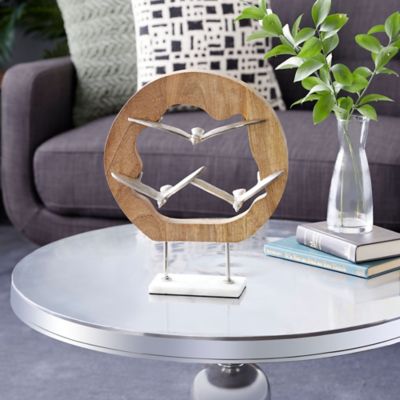
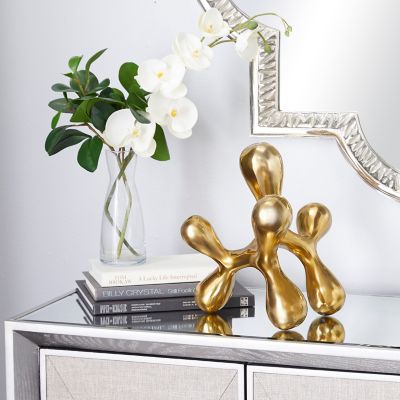
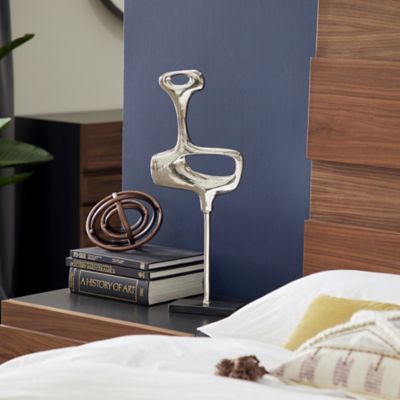
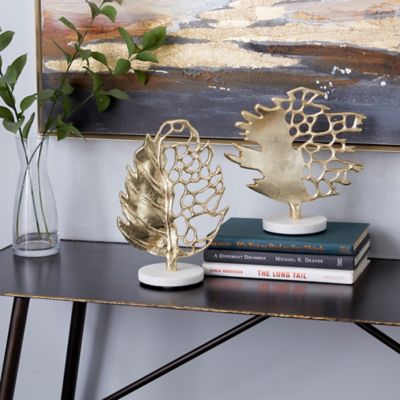
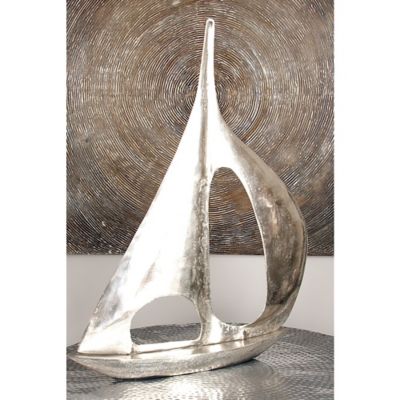
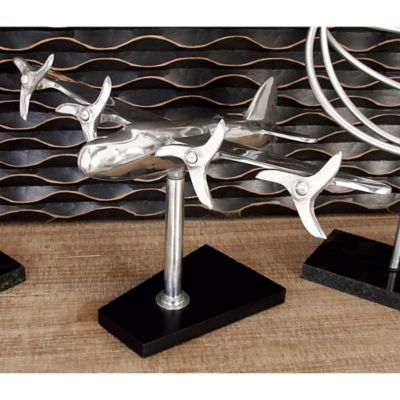
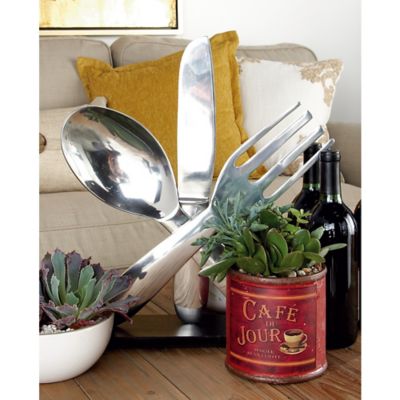
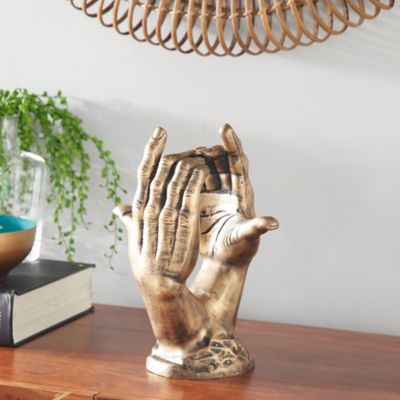
Aluminum sculptures add shape, character, and a little personality to the places where life happens, from a farmhouse entry to a quiet corner of the yard. Their appeal comes from the way metal can take on so many different forms: a recognizable animal silhouette, a flowing abstract shape, or a nature-inspired design with the look of leaves and branches. Some forms feel right at home beside rough-sawn wood and stone, while others bring a clean contrast to a brick wall or a simple wooden shelf. Aluminum generally weighs less than iron or bronze at a comparable size, which can make placement and occasional rearranging more manageable. Actual weight still depends on the sculpture’s dimensions, wall thickness, construction, and base. A hollow form and a solid casting can feel quite different when lifted, even if they occupy about the same amount of space. Cast aluminum can capture raised textures and rounded details, while cut or formed aluminum can create crisp outlines and open shapes that let the background show through. Those differences affect how a sculpture looks from across the yard as well as up close. A bold outline tends to read clearly from a distance; finer surface detail invites a closer look near a doorway or seating area. Finish matters just as much as shape. Smooth metallic surfaces catch light and emphasize curves, while painted or textured finishes can soften the appearance or bring out small features. Color can either blend with the setting or give the eye somewhere to land. Against dark siding, a lighter finish may stand out clearly, while a deeper tone can hold its own beside pale stone. The best fit comes from considering the whole setting rather than the sculpture alone, including nearby plants, furniture, building materials, and the amount of open space around the piece.
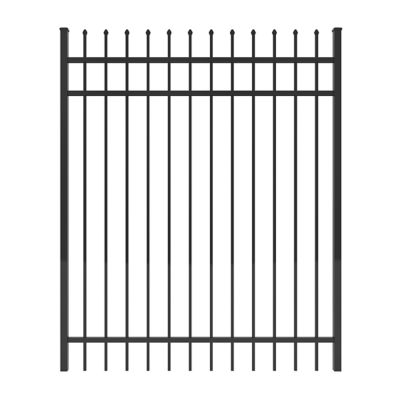
Size on a listing is only part of the picture when choosing aluminum sculptures for a home or property. Height, width, depth, and base dimensions all influence whether a piece feels settled in its spot or squeezed into it. A tall, narrow shape can bring interest to an empty corner without spreading far across the floor, while a broad form needs enough room for its outline to remain clear. On a mantel, console, or shelf, the supporting surface needs room for the full base and enough load capacity for the sculpture’s listed weight. Felt pads or another suitable barrier may help protect finished furniture, provided they do not make the base unstable. Around a porch, entry, or garden path, placement works best when people can pass comfortably without stepping around projecting details. A sculpture near a gate should leave the gate’s full swing clear, and anything beside a driveway belongs outside the space needed for vehicles and equipment. For a yard bordered by
Aluminum Fencing, a sculpture can echo the surrounding metalwork or create a contrast through a different finish and shape. It does not need to match every rail or post to look at home. Keeping some breathing room between the sculpture and nearby structures helps each outline remain visible. Ground placement calls for a level, firm supporting area, along with any anchoring specified by the manufacturer. A lighter sculpture may be easier to move, but weight alone does not determine stability; the base footprint, center of gravity, and approved mounting method matter too. Freestanding art should not be treated as a handhold, climbing feature, or hitching point. In spaces shared with children or animals, rounded contours, secure placement, and clearance from busy routes deserve attention. The goal is a piece that belongs in the setting without getting in the way of everyday chores.
Aluminum has practical advantages for sculptural pieces, though its finish and construction still deserve a close look. Unlike iron, aluminum does not develop red rust, and its surface naturally forms a thin oxide layer. That does not make every aluminum sculpture suitable for every location. Coatings, fasteners, joined sections, and any other materials in the piece can have their own care requirements, so the manufacturer’s indoor or outdoor placement rating matters. Painted surfaces may scratch, and contact with rough masonry or metal tools can leave marks. A sound base and careful handling help preserve both the appearance and the structure, especially on shapes with slender legs, extended wings, or narrow connecting points. For routine cleaning, a soft cloth and a mild soap solution are often appropriate when permitted by the care directions. Gentle rinsing or wiping, followed by drying, helps prevent residue from settling into textured areas. Abrasive pads, harsh cleaners, and metal brushes can damage a finish, so a gentler approach is usually the better starting point. Recessed details may need a soft brush to lift dust without scraping the surface. Lifting from the main body or designated handling points, rather than a small projecting detail, also reduces strain when moving a sculpture for cleaning. Beyond care and placement, these pieces can make thoughtful gifts for people who enjoy animals, country living, gardening, or metal art. A familiar subject can connect with a favorite pastime or a place that means something to the recipient, whether the sculpture is marking a housewarming, an anniversary, or a retirement. Gift selection is easier when the intended space, preferred colors, and comfort with upkeep are already known. For someone with a compact porch or a full bookshelf, proportions may matter more than height or visual impact. A well-chosen aluminum sculpture adds interest without asking the rest of the home or yard to change around it.