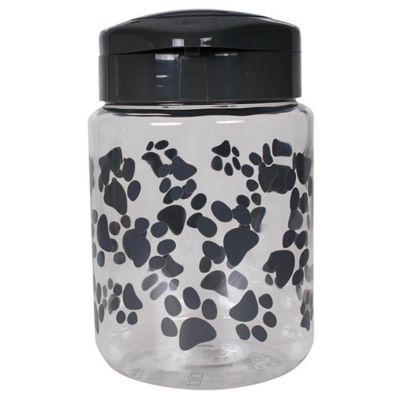
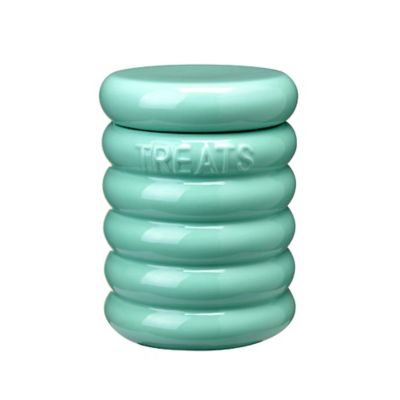
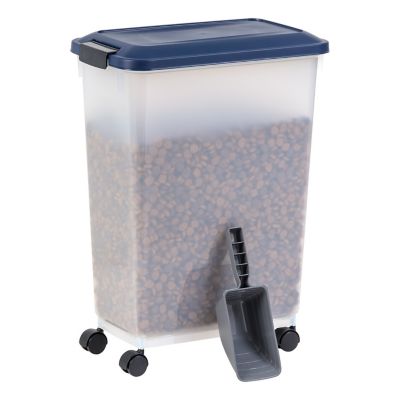
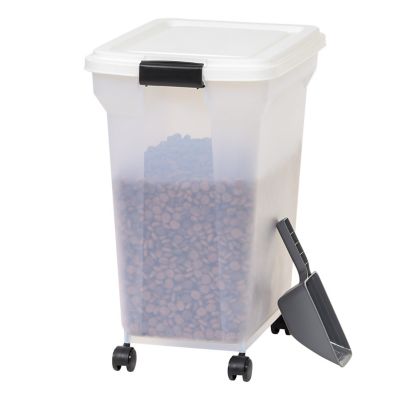
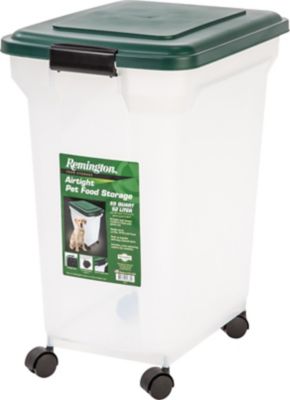
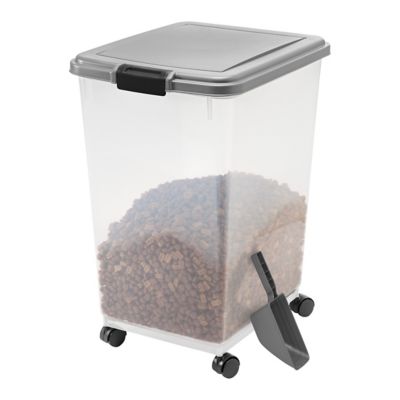
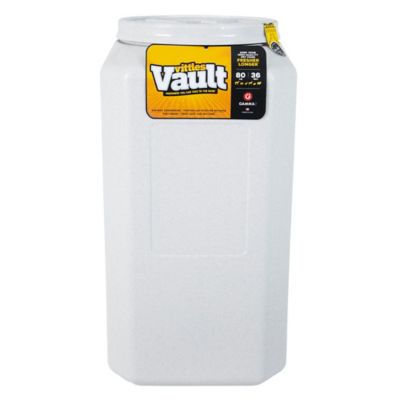
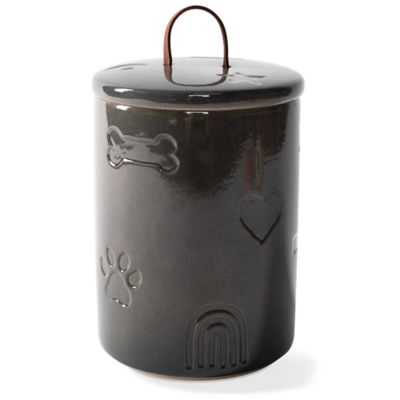
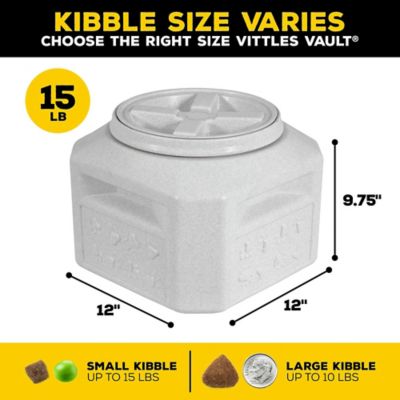
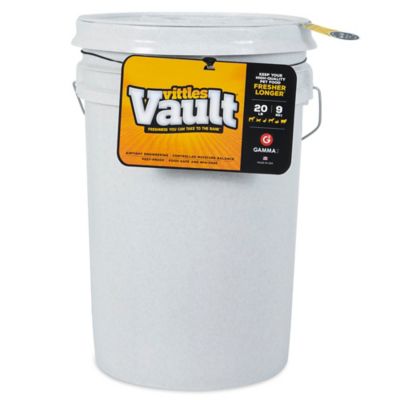
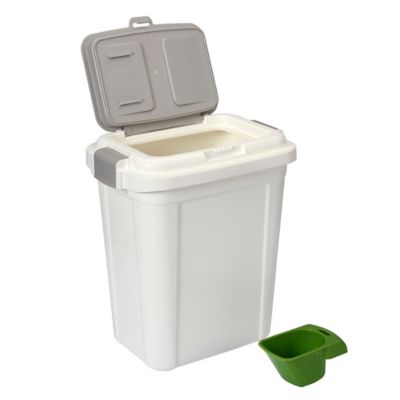
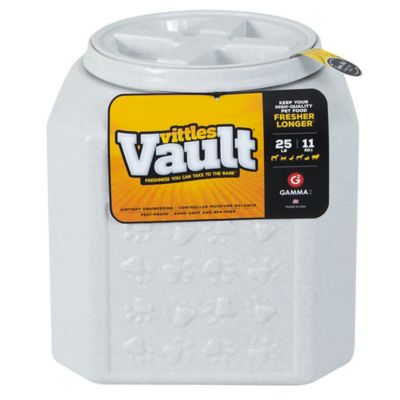
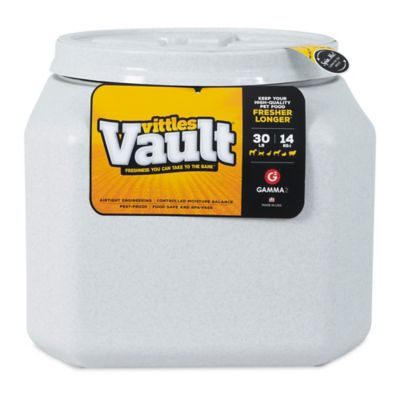
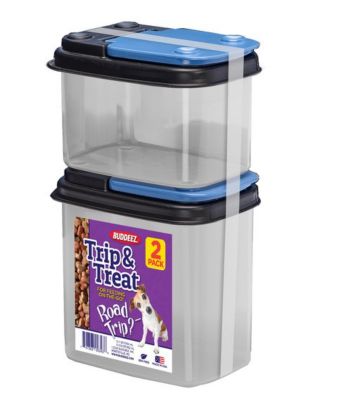
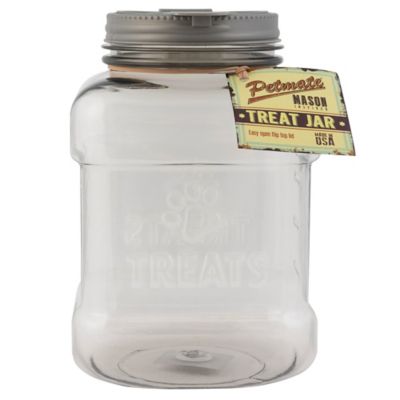
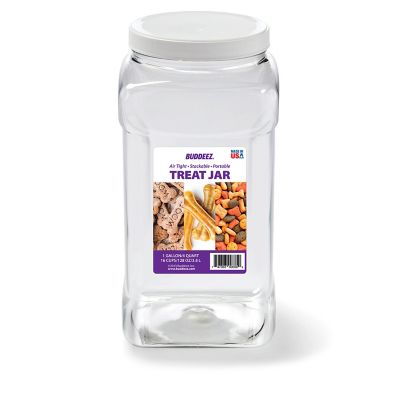
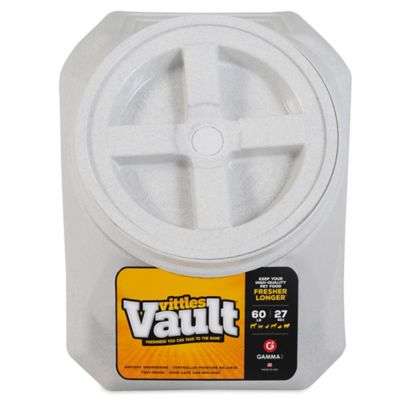
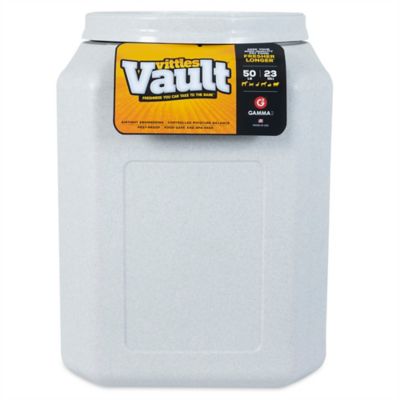
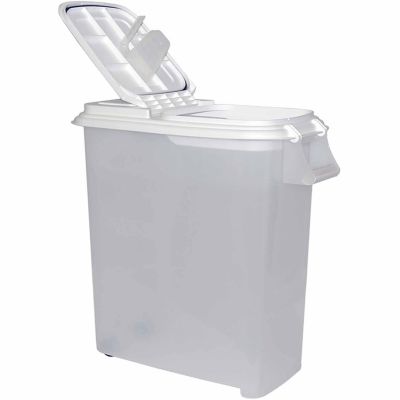
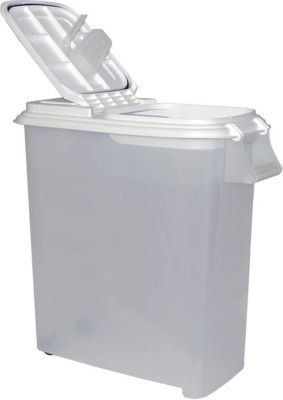
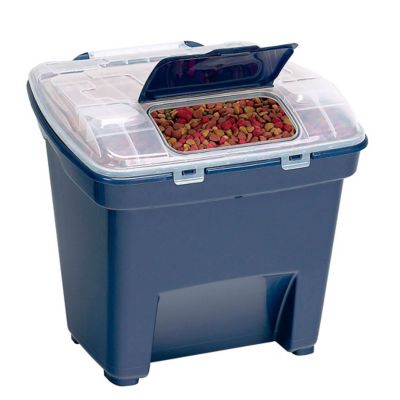
Airtight containers for dog treats help limit contact with air and moisture so crunchy biscuits stay crisp and soft rewards are less likely to dry out. A well-sealed lid also helps contain the smell of meat or fish treats, keeping the kitchen or pantry from smelling like an open snack bag. That makes these containers handy for everyday rewards, short training sessions, and the biscuit handed out after a dog comes in from chores. The working part is the closure: a gasket that sits evenly, a threaded lid that tightens snugly, or latches that pull the top firmly against a seal. A lid that simply rests on top may keep crumbs contained without providing an airtight barrier. Size matters just as much as the closure, especially when a container has to fit beside the coffee maker or beneath a pantry shelf. Small training bites pack into a jar differently than thick biscuits, while longer chews need enough height to stand or lie flat without pressing against the lid. Capacity listed in cups, quarts, or gallons describes interior volume, not a guaranteed weight of treats. Room beneath the rim helps keep snacks out of the seal and leaves space for a scoop. A compact canister suits a single dog's daily reward routine, while a larger bin can make sense for several dogs or frequent training. Neither needs to take up more room than the household can spare. A wide opening makes it easier to reach the last few biscuits without tipping the container, and a clear side lets someone spot a nearly empty stash before heading out for training class. For pantry storage, the lid also needs enough clearance to open without bumping the shelf above it. A good fit holds the treats comfortably, closes fully, and stays easy to reach for the person handing them out.
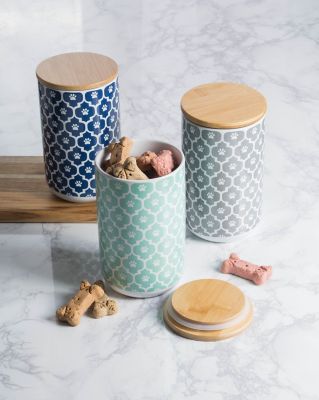
Materials affect how an airtight dog treat container handles everyday life, from a crowded feed-room shelf to a busy kitchen counter. Food-contact plastic keeps the container light enough to lift and carry, and transparent walls make the contents easy to see. Thicker walls and well-supported hinges are worth considering when a bin will move around often, since thin edges and small latch connections can take a beating with repeated handling. Stainless steel offers a solid body without the breakage concerns of glass, though an opaque canister means opening the lid to check how much remains. Glass provides a clear view and a surface that generally does not hold onto treat smells, but its weight and potential to break make placement important. A glass jar belongs on a stable surface away from a wagging tail or the edge of a crowded counter. Whatever the body material, the lid and seal need the same attention. A gasket should sit flat in its channel, and a closure should engage without forcing the parts together. Smooth interior corners make crumbs easier to remove, while a removable seal can make cleaning more thorough when the care directions allow it. For someone reaching for rewards throughout the day, an easy-grip lid or a latch that opens without a struggle can be more useful than an elaborate shape. Carrying handles help with larger containers, but a handle does not make a lid spillproof, and airtight does not automatically mean waterproof. A container traveling to obedience class needs a secure closure and an upright spot where it will not tumble around. Stackable shapes can save shelf space when designed for that purpose, provided the lower lid still closes properly and the stack stays steady. Around dogs that investigate every food smell, storage out of reach matters more than the promise of a tight lid. An airtight container is not automatically chew-proof or rodent-proof.
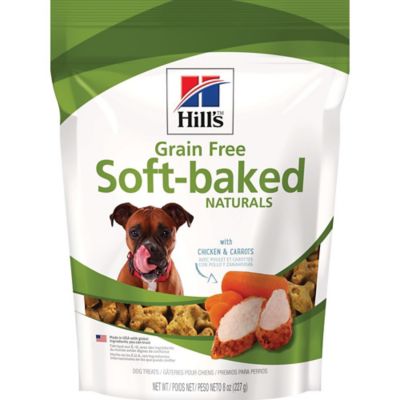
Regular care helps the seal do its job and keeps yesterday's crumbs from mixing into the next refill. Treat dust, sticky residue, and grease can collect around lid channels, particularly with soft bites or rich meat-based rewards. Washing according to the container's care directions, rinsing thoroughly, and letting every part dry completely before refilling helps prevent trapped moisture and lingering smells. Dishwasher care varies by material and component, so a washable body does not necessarily mean the lid and gasket can go through the same cycle. Cracked walls, stretched seals, and latches that no longer hold firmly are signs that the closure needs attention. Fresh treats also deserve a clean start rather than repeated topping off over an old layer of crumbs. When space allows, keeping the original treat bag inside the container preserves the feeding directions, ingredient list, lot number, and best-by date while adding another storage barrier. If treats go directly into the canister, saving that label information separately makes later checks easier. An airtight lid does not reset a best-by date or replace refrigeration when the package requires it. Treats with unexpected moisture, mold, or an off smell should not go back into the reward rotation. Households managing food sensitivities can keep separate, clearly labeled containers and scoops so one dog's snacks do not get mixed with another's. The same separation makes sense when cats share the home;
Airtight Containers for Dry Cat Food offer a related storage option for keeping each pet's food in its own place. For a new dog owner, a practical treat canister can also make a welcome gift, especially when its size suits the counter or cupboard where it will live. Whether the daily routine involves puppy practice by the back door or a biscuit after evening chores, well-fitting storage keeps rewards organized, helps protect their freshness, and makes the next treat easy to find.