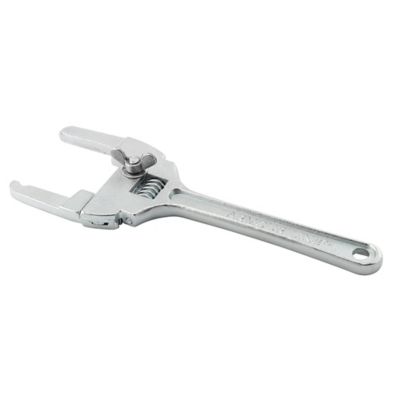
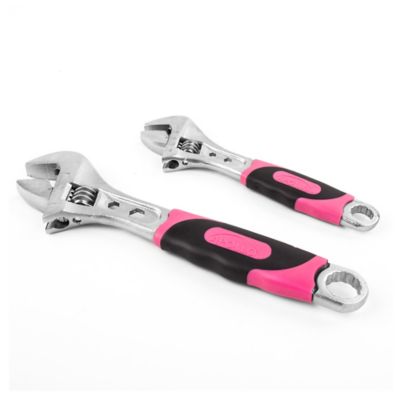
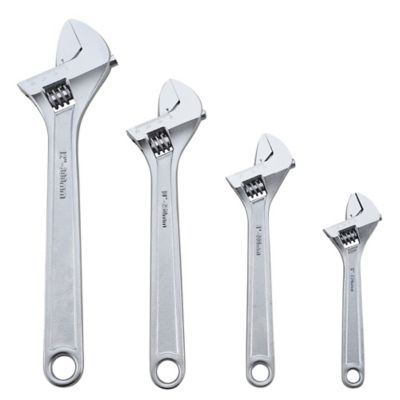
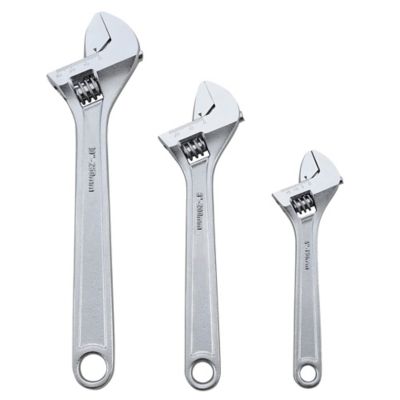
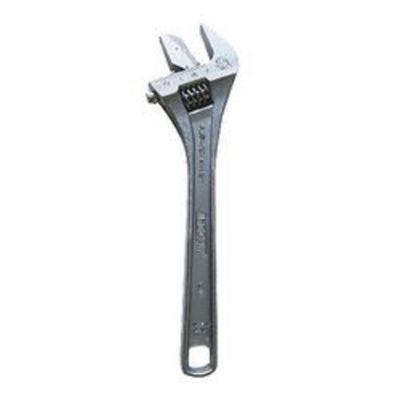
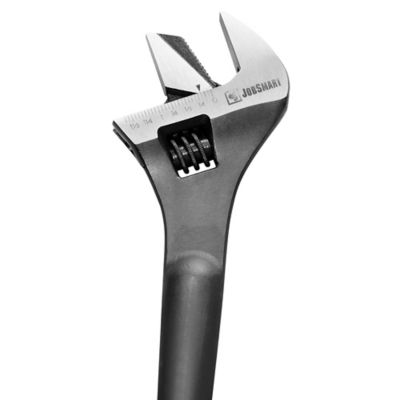
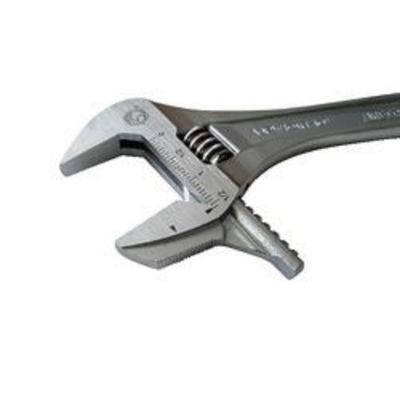
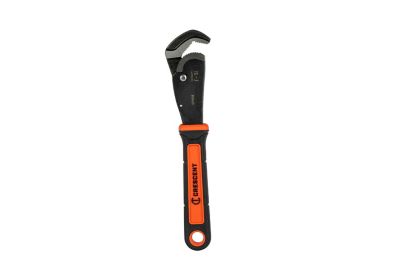
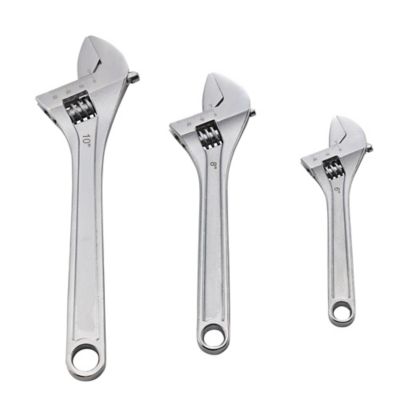
Adjustable wrenches for plumbing earn their place in a toolbox by fitting several sizes of nuts and bolt heads without requiring a separate wrench for every connection. Their movable jaws make them handy around faucet supply connections, shutoff valves, and other plumbing hardware with flat gripping surfaces. That versatility comes in handy beneath a farmhouse kitchen sink, beside a laundry tub, or at a utility sink in the shop, where room to work can be tight and fitting sizes may vary. A standard adjustable wrench has smooth jaws designed to bear against the flats of a fastener; it is not meant to grip a smooth, round pipe. For shopping purposes, two measurements deserve separate attention: overall wrench length and maximum jaw opening. Length affects reach, leverage, and how much room the handle needs to swing, while jaw capacity determines whether the wrench can fit around a particular nut. A 6-inch or 8-inch wrench often suits confined spaces, while a 10-inch or 12-inch wrench offers more reach and leverage where clearance allows. Those lengths do not guarantee a particular opening, so the stated jaw capacity matters more than appearances when matching a tool to larger plumbing nuts. Wide-jaw designs can provide a larger opening on a shorter handle, a useful combination when a supply line, cabinet wall, or drain assembly crowds the workspace. Head thickness matters, too: a slim head may reach narrow flats that a thicker wrench cannot seat against properly. Jaw depth also affects how much contact the tool makes with the fitting. The best fit leaves both jaws seated squarely on the flats rather than perched on an edge. Under a sink, where a wrench may have only a small arc of movement, the combination of opening, head shape, and handle length matters more than simply choosing the longest tool.
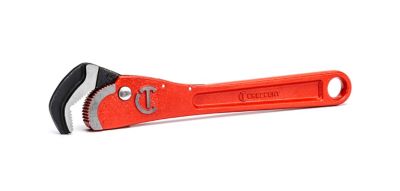
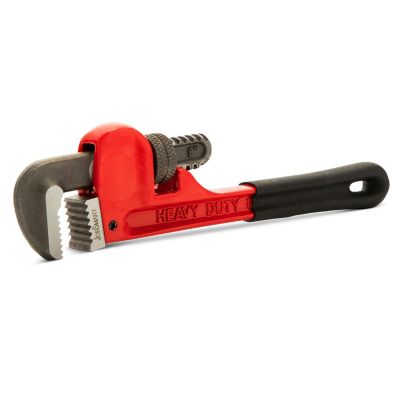
Materials and adjustment feel help distinguish adjustable plumbing wrenches that look similar at first glance. Forged alloy steel is common, and heat treatment helps the jaws and handle resist deformation under appropriate loads. Chrome-plated and other corrosion-resistant finishes help protect the steel during work around water, though no finish replaces cleaning and dry storage. A smoothly turning adjustment screw makes small changes easier when fitting the jaws around a supply nut, while a movable jaw with limited side-to-side play helps maintain solid contact. Excess movement can let the wrench shift on the flats, especially when the handle is working at an awkward angle. Marked jaw scales can provide a quick size reference, but the final setting still needs to match the actual fastener closely. Smooth jaws are generally the better match for flat-sided brass, chrome-plated, or other finished plumbing nuts because they do not have teeth intended to bite into the surface. Even smooth jaws can leave marks if they are dirty, loose, or allowed to slip; they are not a guarantee against damage to a polished faucet connection. For round metal pipe and fittings that can accept tooth marks,
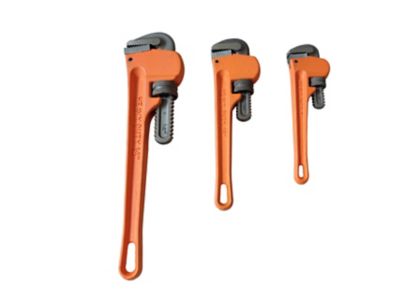
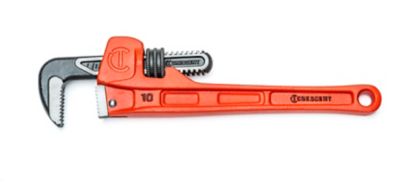
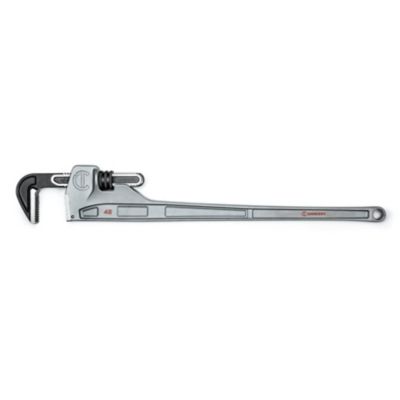
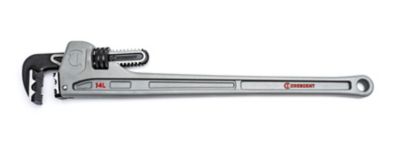
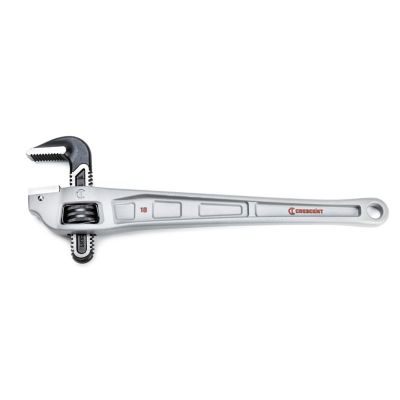
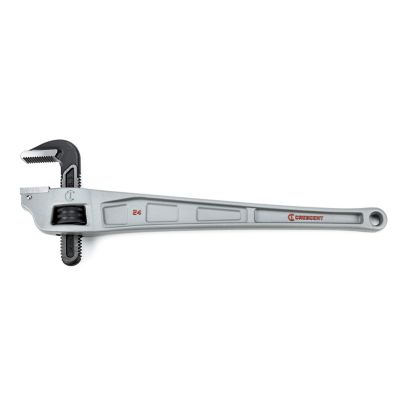
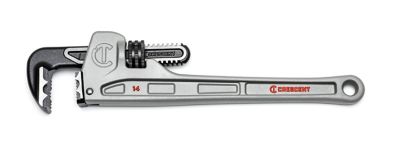
Plumbing Pipe Wrenches offer a different gripping action. Their teeth are meant to bite, making them a poor match for exposed finishes that need to stay free of scratches. Some adjustable wrench designs include a reversible jaw with a toothed side for certain gripping tasks, but that feature changes how the tool contacts the work and is not suitable for every fitting. Handle construction deserves attention as well. A bare metal handle can have a slimmer profile, while a cushioned grip may feel more comfortable during repeated adjustments. Grip thickness affects clearance inside a crowded cabinet, and neither style should be mistaken for electrical insulation. Clean, dry gripping surfaces matter when hands and tools are working around damp plumbing connections.
A single adjustable wrench can handle plenty of everyday plumbing hardware, while a selection of lengths gives a homeowner, plumber, or farm maintenance worker more flexibility across cramped and open work areas. Two appropriately matched wrenches can also serve different roles at a connection: one holds the mating fitting steady while the other turns the nut, helping keep force from twisting attached tubing or pipe. That does not mean every plumbing connection calls for an adjustable wrench. Deeply recessed faucet mounting nuts may call for a basin wrench, and plastic fittings, thin-wall parts, and specialty connections need the tool and tightening method specified by their manufacturer. More leverage is useful for some stubborn metal connections, but it also makes overtightening easier. Brass threads, compression fittings, and small valve bodies can be damaged by force that feels modest at the end of a long handle. Adjustable wrenches provide leverage, not torque measurement, so they are not a substitute for a torque tool when a connection has a specified tightening value. Plumbing work also calls for the water supply to be isolated and line pressure relieved before a connection is opened. For someone building a first household toolbox or keeping a shop maintenance kit ready, a well-fitting adjustable wrench makes a practical gift with a clear purpose beyond a single repair. Care is straightforward: wiping away water and grit after the job helps protect the finish and keeps debris out of the adjustment mechanism. Occasional lubrication according to the tool maker’s directions helps the screw move freely, with excess wiped away so it does not collect dirt or make the handle slippery. Dry storage keeps the wrench ready for the next leaky connection or fixture replacement. Bent handles, cracked jaws, heavy wear, or an adjustment mechanism that will not hold its setting are reasons to take a wrench out of service rather than ask it to handle another tight fitting.