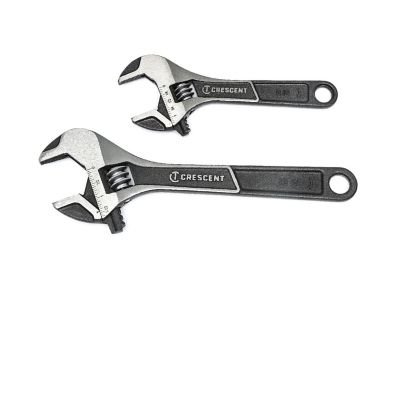
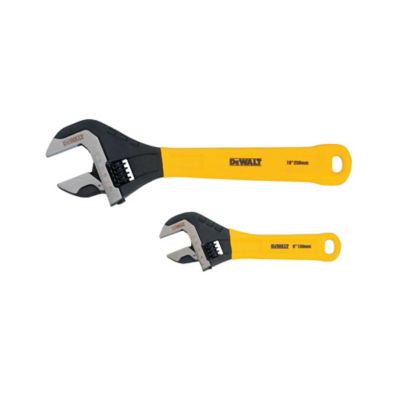
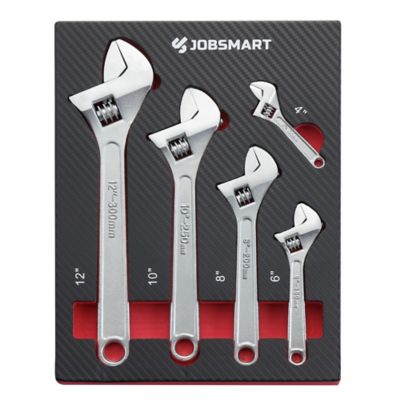
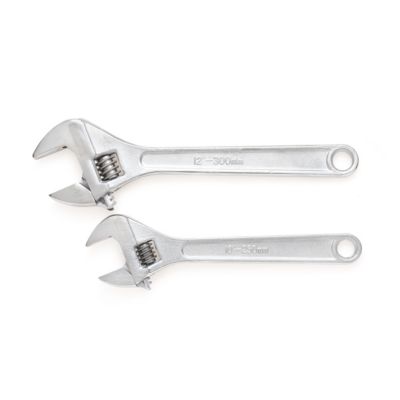
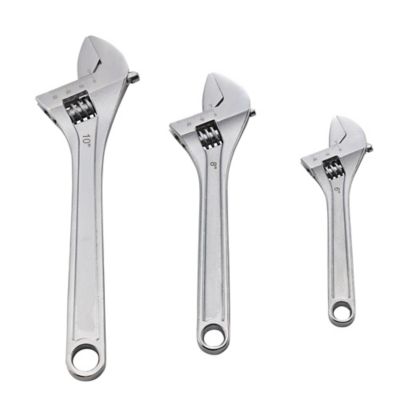
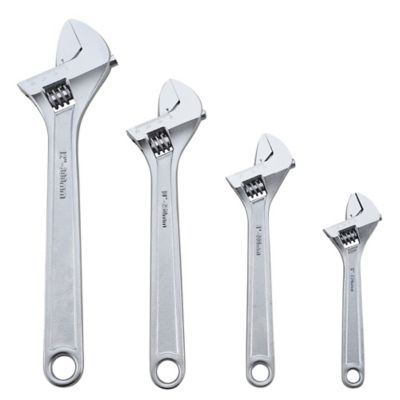
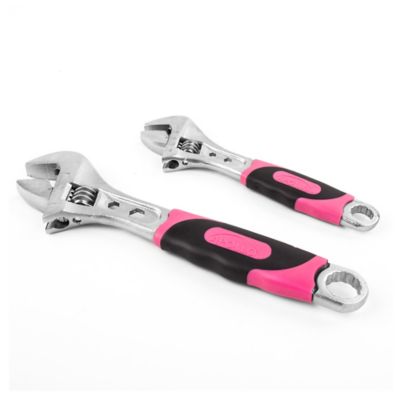
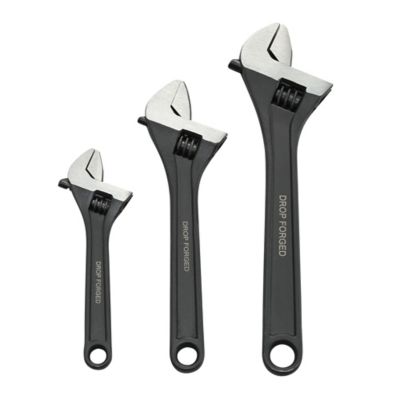
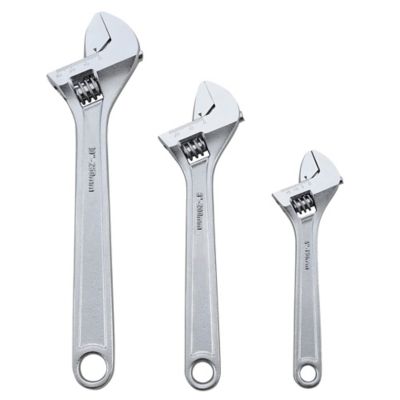
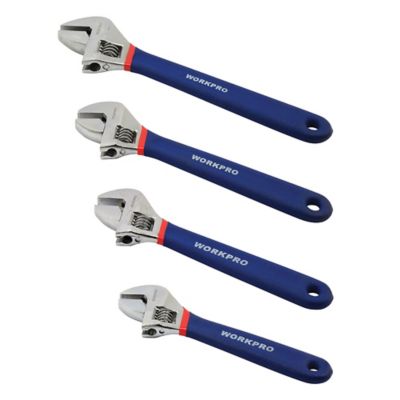
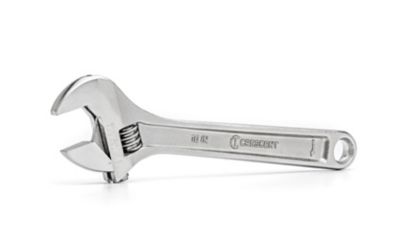
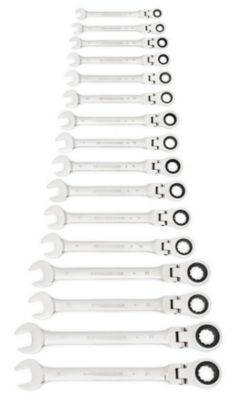
An adjustable wrench set brings together wrenches with different handle lengths and jaw capacities for turning a range of nuts, bolts, and flat-sided fittings. A movable jaw lets each wrench fit more than one fastener size, making these sets handy for farm maintenance, shop work, plumbing repairs, and everyday jobs around the house. Standard adjustable wrenches can fit both inch and metric fasteners within their jaw-opening range, so a set can cover plenty of ground without requiring a separate wrench for every size. That versatility comes in handy when a gate hinge needs snugging up, a workbench needs leveling, or a replacement fitting has a different hex size than the one it replaced. Different wrench lengths serve different purposes, though. A shorter wrench is easier to maneuver beside a cabinet wall or between closely spaced parts, while a longer handle offers more leverage where there is room to swing it. Handle length and jaw capacity are separate measurements, so both deserve a look when comparing adjustable wrench sets. A compact wrench with a wide opening may reach a larger fitting in a tight spot, but its shorter handle will not provide the leverage of a longer tool. Head thickness matters, too, especially around recessed nuts or fittings tucked behind equipment panels. For a farm truck toolbox, a garage drawer, or a maintenance bag carried between buildings, a useful mix of sizes helps keep the right balance of reach, leverage, and working clearance close at hand. The number of pieces tells only part of the story; the range between the smallest and largest wrench matters just as much. A set with well-spaced sizes can cover small adjustments and larger repair work without several tools doing nearly the same job. Matching that range to familiar equipment makes the set more practical than choosing by piece count alone. For someone who works on both household fixtures and farm equipment, that spread can mean fewer trips back to the bench.
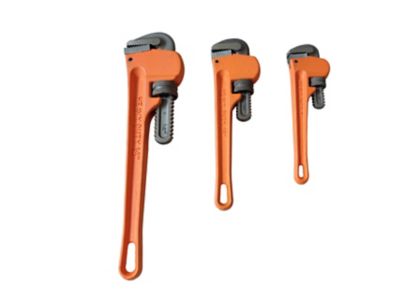
Materials and construction influence how an adjustable wrench feels in the hand and how well its jaws hold their position under load. Forged steel is common, with carbon steel and alloy steel among the materials found in this tool category. Heat treatment helps steel resist wear and deformation, while finishes such as chrome plating or black oxide help protect the surface when paired with proper care. No finish makes a wrench immune to rust, and scratches, moisture, and neglected storage can still take a toll. Jaw alignment and adjustment are worth close attention because the wrench needs firm contact with the fastener’s flats. Excessive play in the movable jaw can make it harder to maintain that contact, especially on a stubborn nut. A smoothly turning adjustment screw makes small changes easier, whether the task involves a plumbing connection beneath a sink or a bracket on a piece of shop equipment. Some designs include measurement markings beside the jaw opening, offering a quick reference for getting close to the needed size before making the final adjustment. Those markings do not replace checking the actual fit. A snug fit helps limit slipping and damage to fastener corners, particularly when the hardware already shows wear. Jaw depth also affects how fully the wrench can engage a nut, while a slim head can help with access where surrounding parts leave little space. Standard adjustable wrenches are intended for flat-sided fasteners, not for biting into smooth, round pipe. For gripping and turning suitable threaded metal pipe,
Adjustable Pipe Wrenches have a different jaw design suited to that work. Keeping those roles separate helps protect both the workpiece and the tool. Finish-sensitive fittings may need a purpose-built tool or the fitting manufacturer’s recommended protection, since even smooth wrench jaws can leave marks if they slip. These details matter most on jobs where replacing a damaged fitting would turn a simple adjustment into a longer repair. Good contact and enough working room are often more helpful than simply reaching for the biggest wrench.
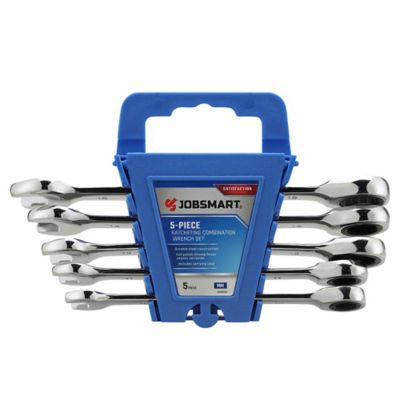
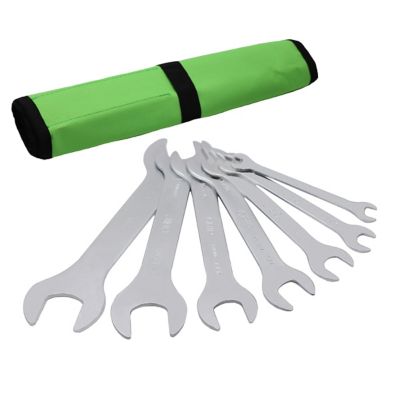
Comfort, storage, and routine care help determine how well an adjustable wrench set fits into daily work. Bare-metal handles slip easily into tool rolls and narrow drawer spaces, while cushioned grips can make the handle more comfortable to hold during repeated adjustments. Grip shape matters with work gloves on, and added handle thickness can take up room around cramped fittings. Oil and grease can make any handle slippery, so a clean gripping surface remains important regardless of the design. A storage tray, pouch, or organizer can keep the sizes together and make an empty space easy to spot before the toolbox goes back in the truck. For someone who carries tools across a property, overall weight and packed length may matter as much as the largest jaw opening. Back at the bench, wiping away grit and moisture helps keep the adjustment mechanism moving freely. A small amount of lubricant at the moving parts, applied according to the tool maker’s directions, can help prevent binding; excess should be wiped away rather than left to collect dirt. Wrenches with bent handles, cracked jaws, or badly worn adjustment parts belong out of service. Proper fit and steady pressure are better than forcing a loose wrench, striking its handle, or adding a pipe for leverage. An adjustable set also works well alongside sockets and fixed-size wrenches, rather than taking their place for every task. Repeated work on the same fastener size often calls for a dedicated wrench, and high-load or torque-specified connections may require other tools. For a new homeowner, a farmhand building a personal tool kit, or someone who enjoys keeping equipment running, adjustable wrench sets can make a practical gift with a clear purpose. The best match is a set that suits the person’s usual jobs, fits the available storage space, and offers enough size range to handle the next loose bracket or fitting without a lot of hunting around.