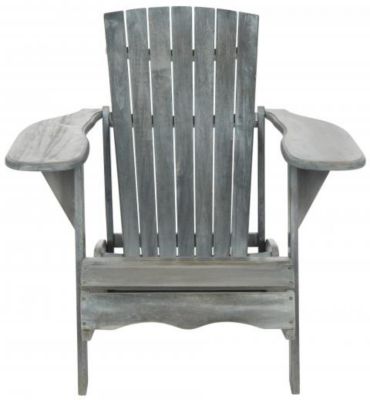
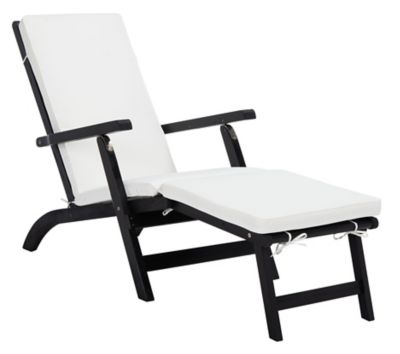
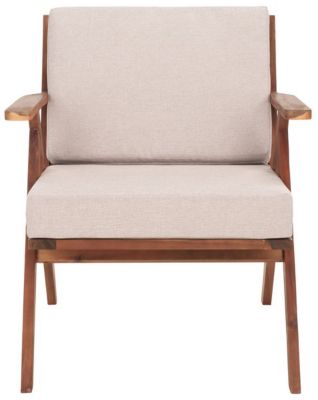
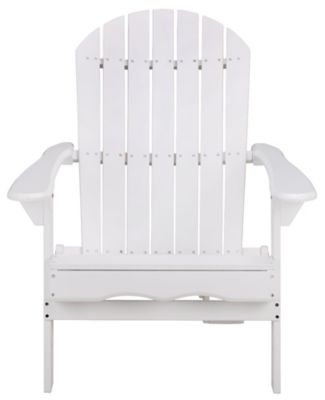
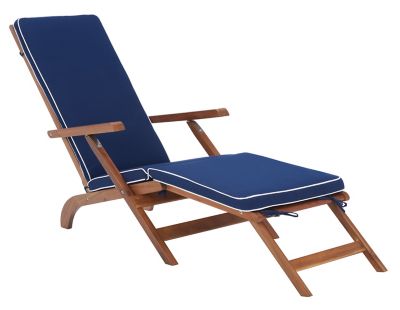
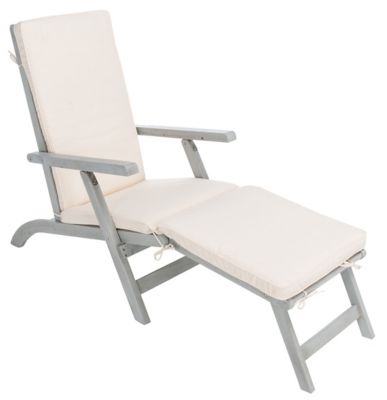
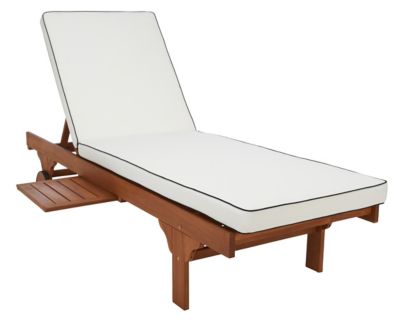
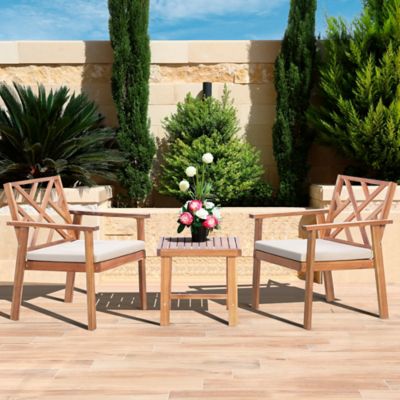
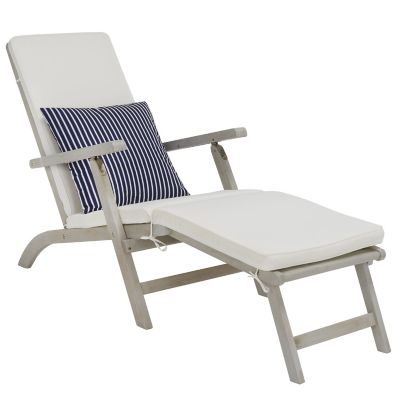
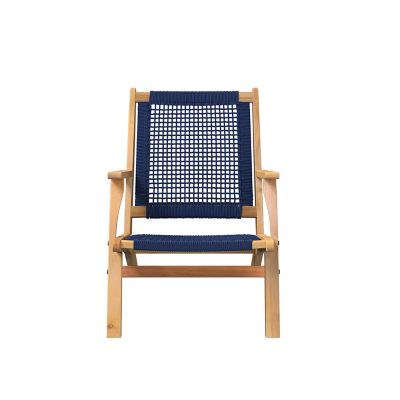
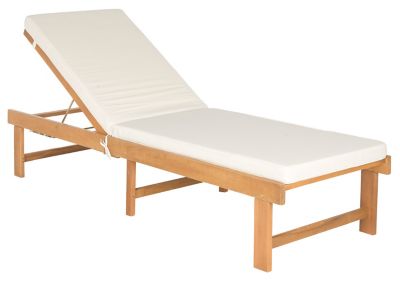
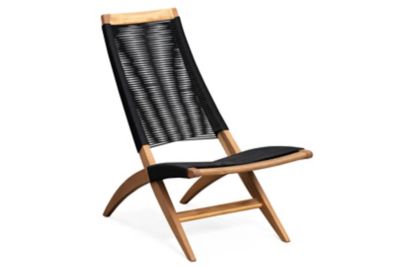
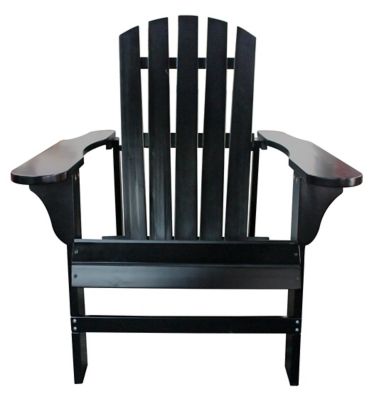
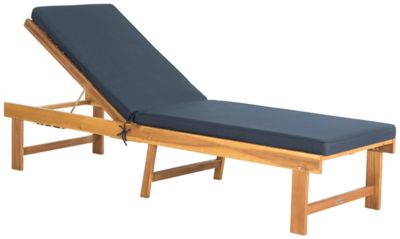
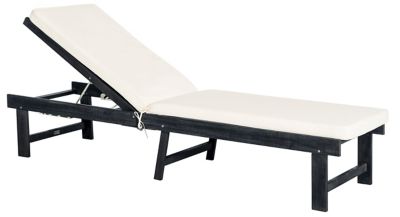
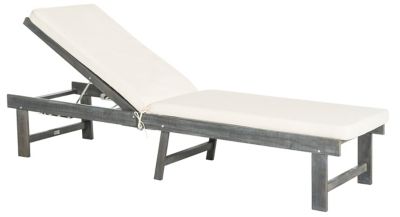
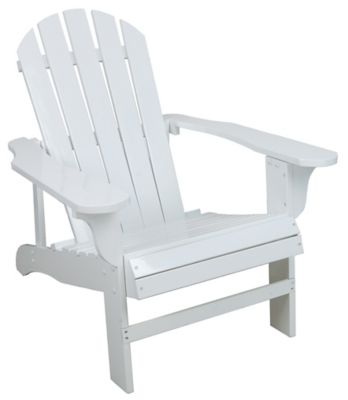
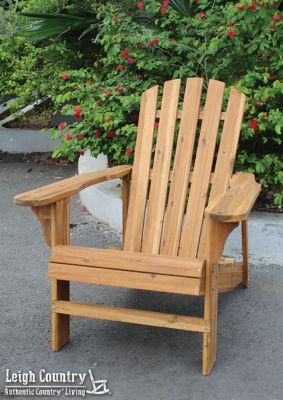
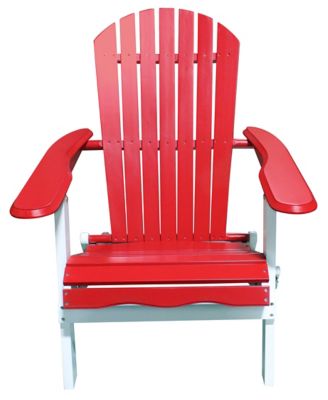
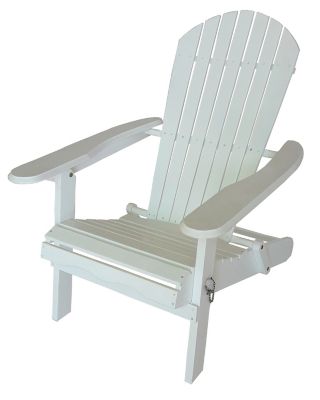
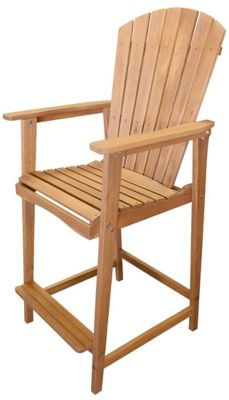
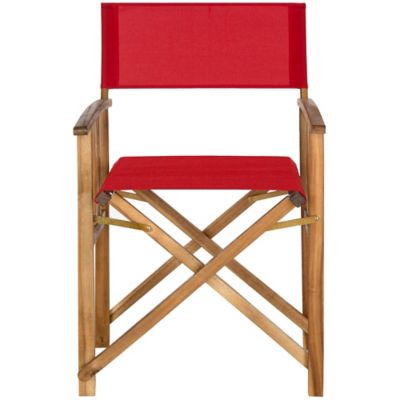
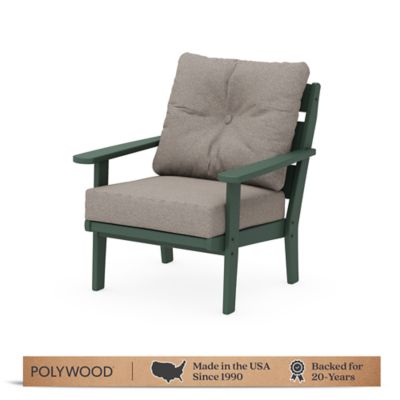
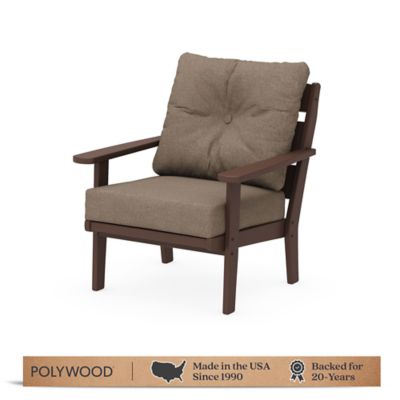
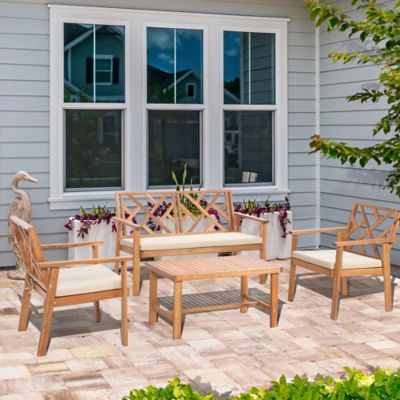
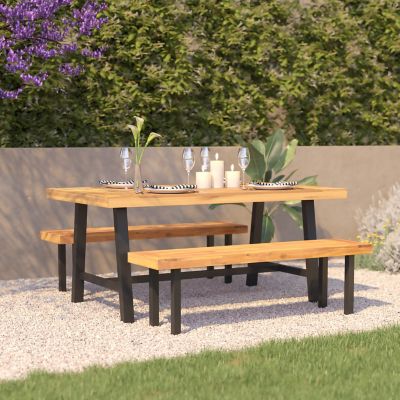
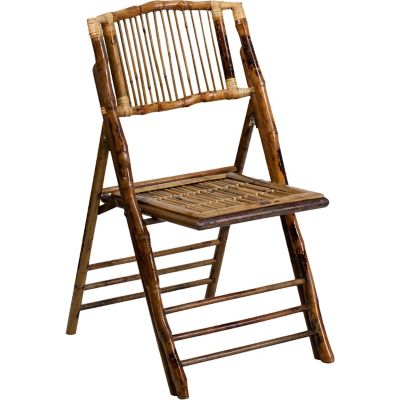
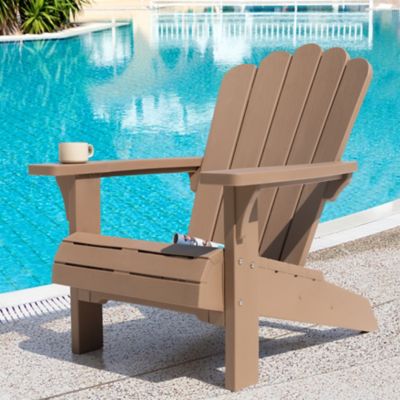
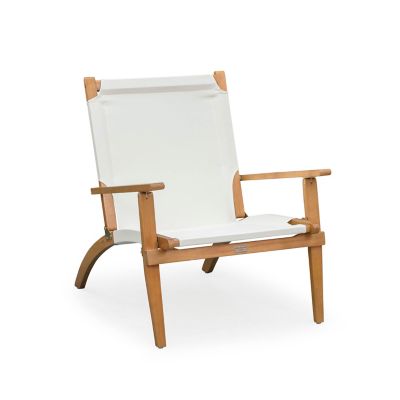
Acacia wood patio chairs are outdoor seats made from a dense hardwood with a visible grain and a firm feel. The wood can range from pale gold to deep brown, with light and dark streaks sometimes running through the same board. A clear finish lets those differences show, while a stain can give a group of chairs a more even tone. Acacia stands up well to everyday use, but the build matters as much as the wood. Sturdy legs, snug joints and a frame that sits square on the floor make a difference when chairs are pulled out for supper and pushed back in several times a day. The shape of the chair helps determine where it’ll feel most at home. An upright dining chair brings people close enough to the table to pass a plate without leaning forward, while a low Adirondack-style seat with wide arms gives someone room to settle in with a cup of coffee. A deeper lounge chair makes sense where there’s space to stretch out, though a shorter seat can be more comfortable for someone who likes to sit with both feet flat on the floor. On a narrow porch, a pair of armless chairs can leave more room to get past the steps or open the screen door. Folding chairs are handy when the same space serves as a spot for two most days and a place to seat a few extra folks when they drop by. Details like a gently curved back, rounded arm edges and a smooth front rail can matter more over a long sit than they do at a glance. Slatted seats let a splash drain instead of pooling, while a seat cushion adds a softer surface for reading or visiting. A cushion with ties can help keep it in place, especially on a chair with a seat that slopes toward the back.
For chairs that will sit around a table, a good fit depends on more than how many seats can line up along the edge. There should be room to pull a chair back, stand up and walk behind it without asking everybody else to scoot in. Leave enough space between places for elbows, and account for table legs or crossbars that may limit where a chair can go. A broad seat can feel just right on its own but take up more room than expected once several chairs are lined up side by side. Seat height is worth checking along with arm height, particularly if the chairs need to slide underneath when supper’s over. The apron, the board that runs just below some tabletops, may hang low enough to catch an armrest even when there’s plenty of clearance under the top itself. Pairing chairs with
Acacia Wood Patio Tables can carry the same grain and tones across a seating area, though the finishes don’t have to match exactly to look right together. A pair of chairs angled slightly toward each other can make a comfortable place to visit, with a small table between them for drinks and a book. Placement matters underfoot, too. Broad feet can sit more steadily on pavers with wide gaps, while feet with protective pads can help keep chairs from scuffing porch boards as they move. Frame weight and the chair’s listed weight limit are separate considerations: One affects how easily a chair can be carried, and the other tells how much it’s built to support. A single acacia chair can make a thoughtful housewarming gift for someone with an empty corner by the door. A pair may be a better fit for a household that likes to sit outside together, as long as there’s enough room for both without crowding the entry.
Acacia patio seating can hold up well with simple care, especially when spills and grit don’t get a chance to settle into the wood. A soft cloth or brush can lift crumbs and dust from between the slats, and a cloth dampened with water and a little mild soap is generally enough for sticky spots left by a glass of sweet tea. Wipe away any soap residue and let the chair dry fully. Soaking the wood or blasting it with a pressure washer can be harder on the finish than the dirt itself. If a chair sits near a pool, wipe off splashes rather than letting water collect around the seat joints or under the feet. Cushions can hold moisture against the wood, so it helps to lift them off if they get wet and let both surfaces dry before putting them back. How the chair is finished determines what kind of upkeep it needs. An oiled surface may call for another coat of a recommended outdoor wood oil once the finish begins to look dry or uneven. A painted or sealed chair may need a different treatment, so check the care directions before putting oil or another finish over it. Small shifts in color can be part of how wood looks over time and don’t necessarily mean the frame is wearing out. A wobble is worth a closer look: Check whether all four feet are on level ground before checking the hardware, and make sure a folding chair opens fully and locks into place if it has a latch. When chairs spend stretches of time tucked away, a dry spot or a breathable furniture cover can help keep them clean without trapping moisture. A chair that fits the space, feels good through a long visit and is simple to wipe down after a meal is one folks are likely to pull up again and again.