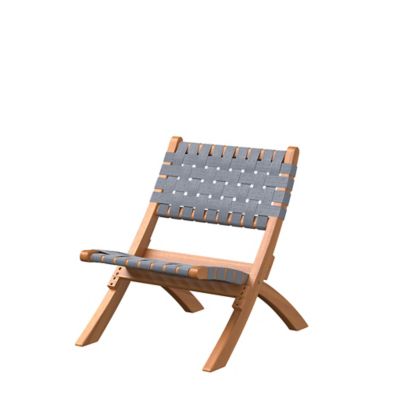
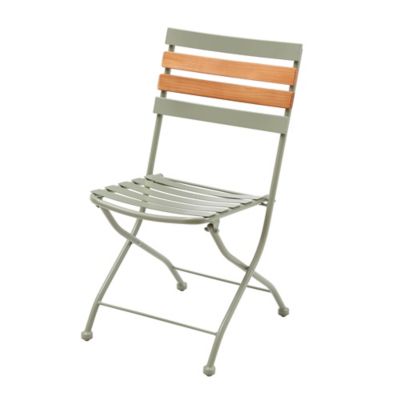
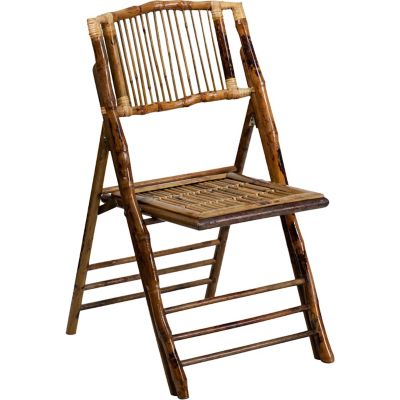
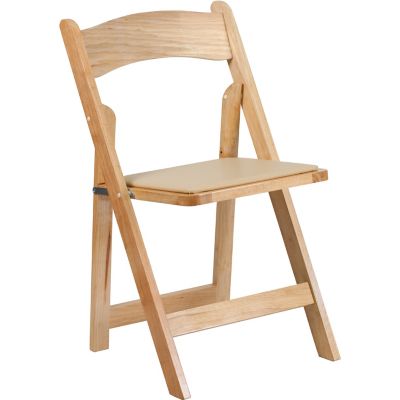
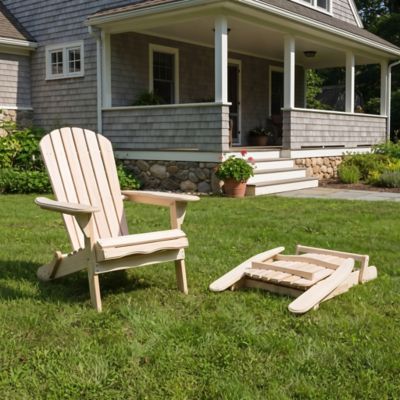
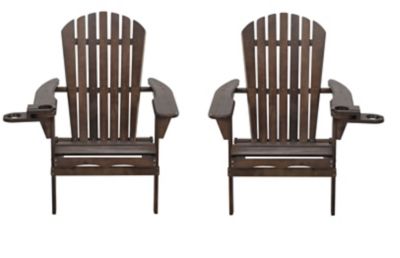
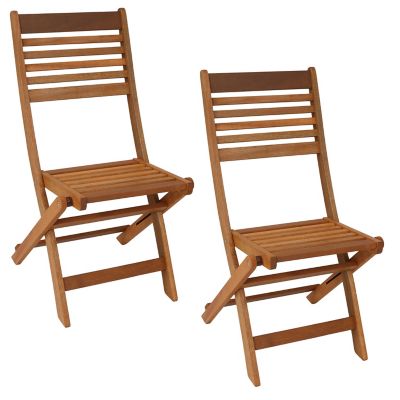
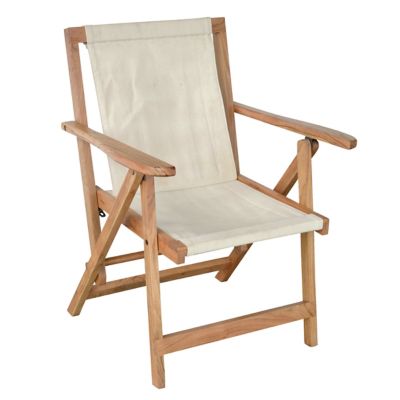
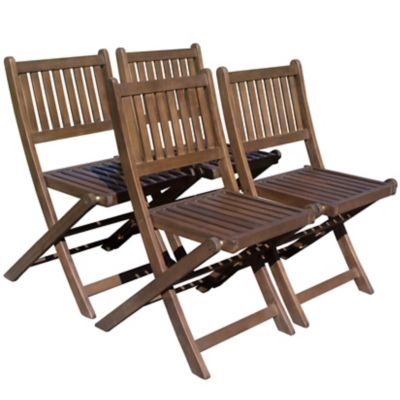
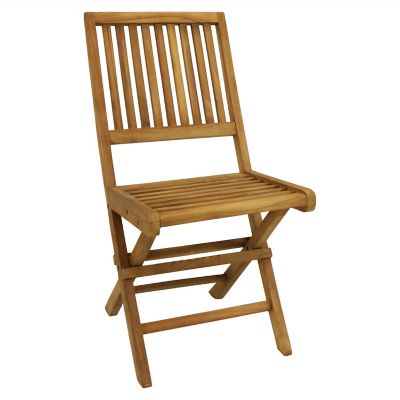
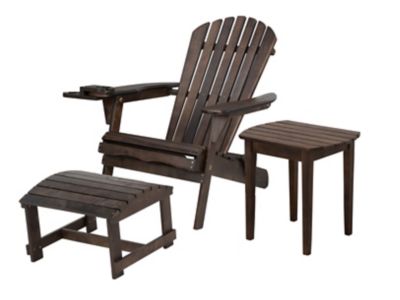
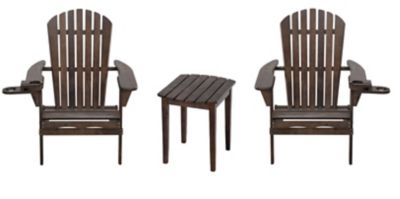
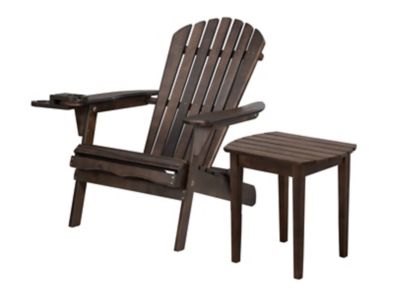
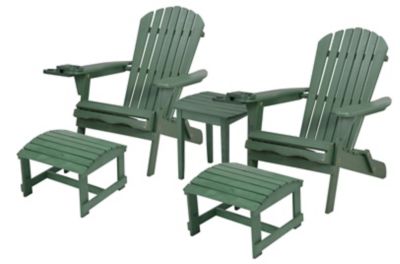
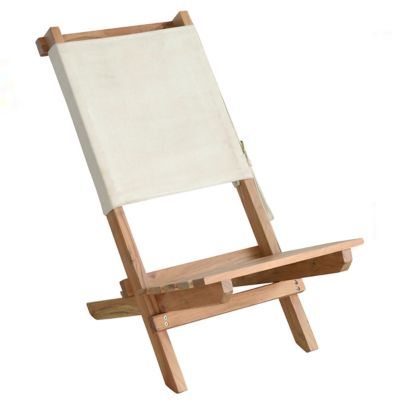
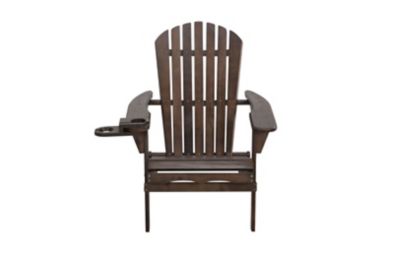
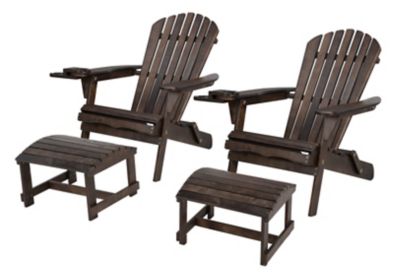
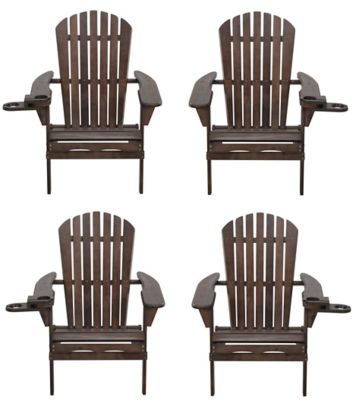
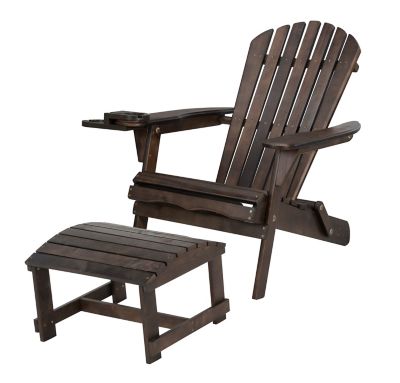
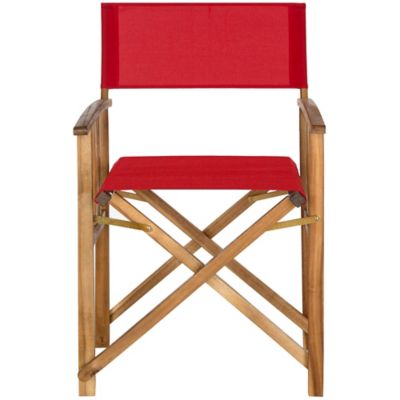
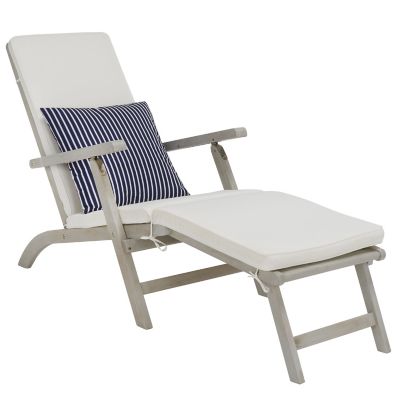
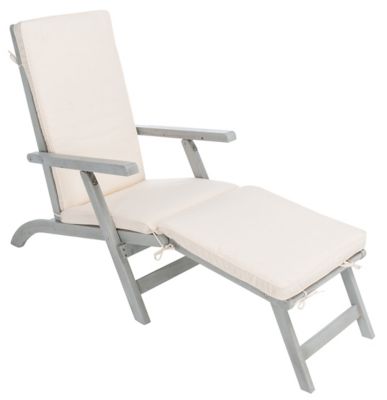
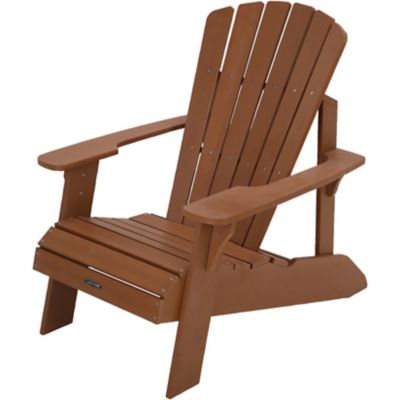
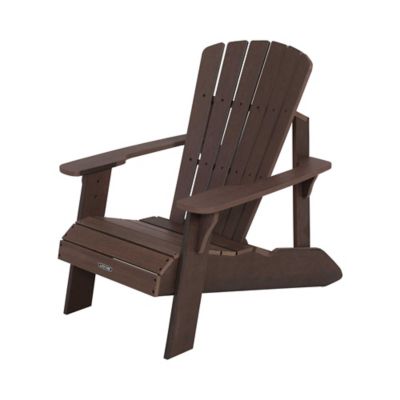
Folding wooden patio chairs bring the warmth of real wood to outdoor seating without tying up porch or patio space all year. They suit the everyday rhythm of a country home: a cup of coffee before chores, supper outside when the air feels good, or a few extra seats when neighbors stop by. The folding frame makes room for different gatherings, whether that means pulling chairs around a backyard table or clearing a covered porch before rough weather moves in. Wood species, frame construction, seat shape and folded size all affect how a chair fits those jobs. Teak contains natural oils that help it resist moisture and decay, and unfinished teak generally develops a silvery gray surface with outdoor exposure. Acacia often has pronounced grain and warm color variations, though its performance outdoors depends on the particular wood, finish and care it receives. Other woods may rely more heavily on a protective coating and shelter from prolonged dampness. No wood chair is completely weatherproof, and even naturally rot-resistant lumber benefits from good drainage and time to dry. Slatted seats and backs allow airflow and give rain fewer places to collect, while broad, flatter surfaces show off more of the wood’s grain. Rounded edges, smooth contact surfaces and firmly fitted joints matter just as much as appearance, especially on chairs that move between the table, porch and storage shed. Hardware suited to outdoor exposure helps limit rust, although coastal air and persistently wet conditions can be hard on metal connections. A painted finish brings a different look from a clear coating or bare wood, and each calls for its own upkeep. For a farmhouse porch, brick patio or gravel-side seating area, folding wooden patio chairs offer a grounded, natural look that works alongside metal tables, woven cushions and simple outdoor benches. Their appeal comes from that combination of familiar material and a frame that folds away when the space needs to serve another purpose.
Comfort in a wooden folding patio chair comes down to proportions, not just the presence of a cushion. Seat width and depth determine how much room a person has to settle in, while seat height affects whether feet rest comfortably on the ground. A deep seat may feel roomy for a taller adult but leave a shorter person sitting forward without back support. A shaped seat and gently angled back can make a noticeable difference during a long supper or an evening spent visiting. Upright frames tend to suit dining and conversation around a table; lower, more reclined frames lend themselves to resting with a view of the yard. Armrests give elbows somewhere to land, but they also add width and may keep a chair from sliding beneath a table apron. Armless frames can fit closer together, provided everyone still has room to sit down and stand up without bumping a neighbor. Overall dimensions, rather than seat measurements alone, show how much space each open chair needs. Around a patio table, room behind the chairs matters for carrying a serving dish or walking through with a full mug. Weight capacity is another essential specification, and it applies to the complete chair rather than the apparent thickness of its boards. A folding frame should open fully and engage any locking or bracing mechanism before someone sits down. Firm, level footing also matters: narrow chair legs can sink into soft soil, and uneven pavers can leave a frame rocking. Cushions can soften a wood seat, but their thickness changes sitting height and the feel of the backrest. Ties help keep them in place on breezy porches, and outdoor fabrics still need drying time after rain. For households weighing different seat materials,
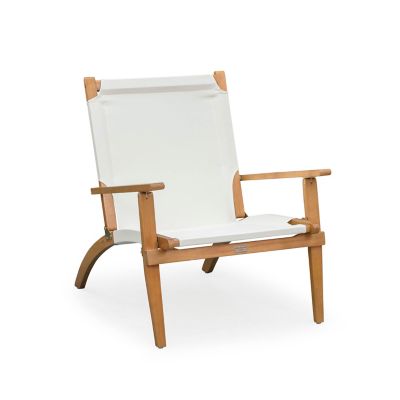
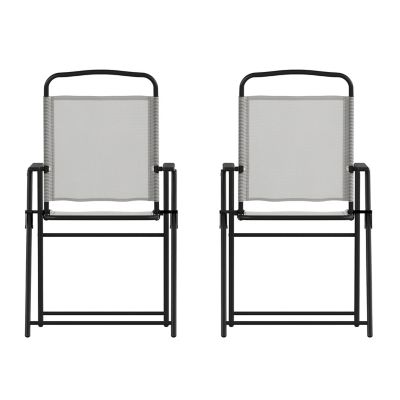
Folding Patio Sling Chairs offer another seating style with fabric stretched across a frame. Wood has its own appeal for anyone who prefers a firm seat, visible grain and a substantial feel at the table.
The practical side of folding wooden outdoor chairs becomes especially clear when it is time to put them away. Folded height, width and thickness determine whether a chair fits beside a shelving unit, along a garage wall or inside a porch storage area. A chair that folds nearly flat may still be too tall for a low cabinet, and several folded frames can take up more floor space than expected. Wood weight varies by species and construction, so carrying comfort matters for anyone moving seating across the yard or up porch steps. A manageable frame with a smooth folding motion makes that routine easier, while hinges and closing joints require care to keep fingers clear. Children should stay away from the mechanism while an adult opens or folds the chair. For everyday cleaning, a soft brush or cloth can remove dust, pollen and loose dirt before they settle into joints. Mild soap and water may be appropriate when permitted by the care directions, followed by drying in a ventilated spot. Pressure washing can damage wood fibers or strip a finish, so forceful cleaning is best avoided unless the manufacturer specifically allows it. Protective treatments also depend on the wood and existing finish; oil, stain and paint are not interchangeable solutions. Occasional checks for loose fasteners, rough edges and cracks help catch small problems before the next gathering. During the cooler months, sheltered storage can reduce exposure to repeated soaking and freezing conditions. Chairs should be clean and fully dry before folding them away, and cushions belong in a dry storage space rather than trapped between damp wood surfaces. Where outdoor covers are appropriate, airflow underneath helps prevent moisture buildup. These details make folding wood seating a practical fit for homeowners who want outdoor chairs without a permanent arrangement. A pair can also make a thoughtful housewarming or wedding gift when the recipients’ seating needs, storage space and willingness to care for wood are known. From a quiet porch corner to extra places around the family table, the right fit rests on comfortable proportions, sound construction and care that suits life outdoors.