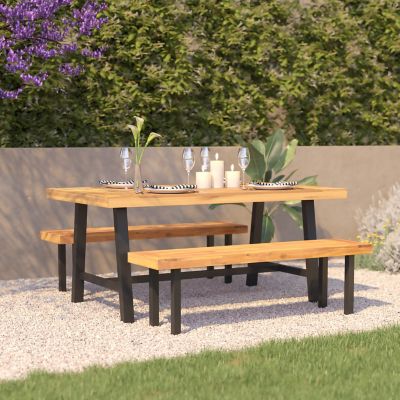
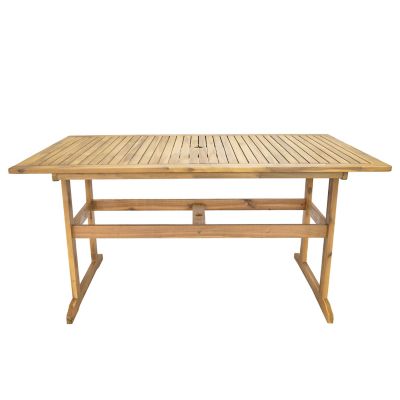
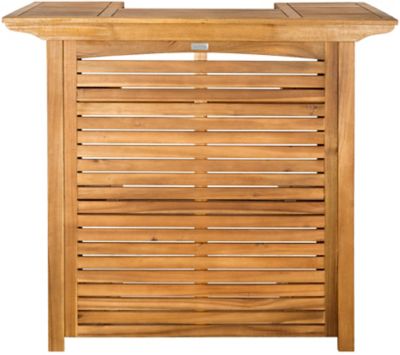
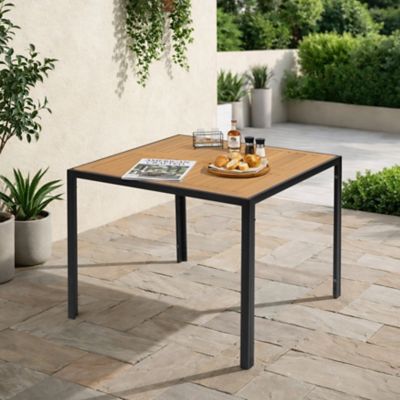
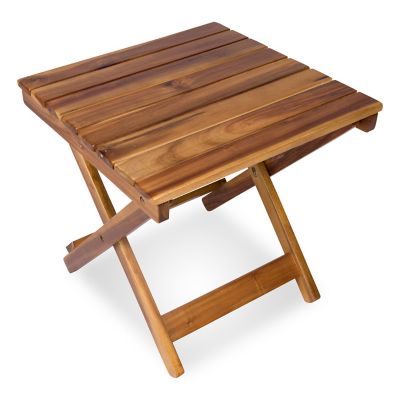
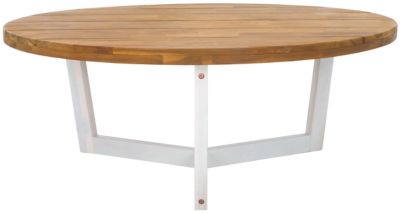
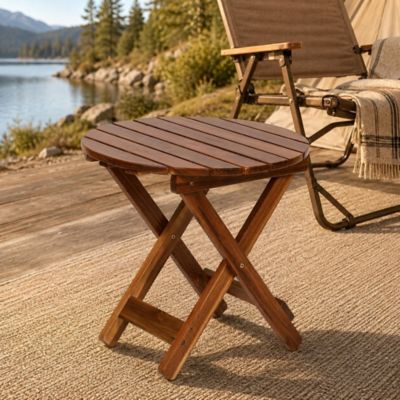
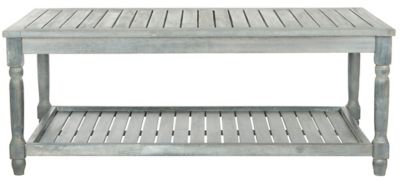
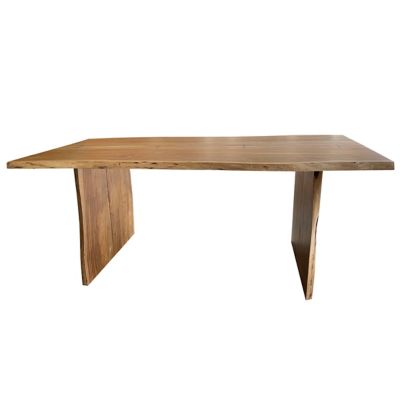
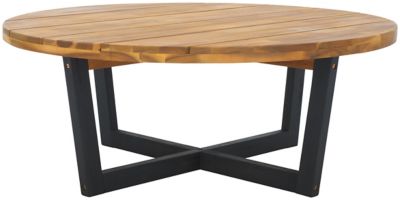
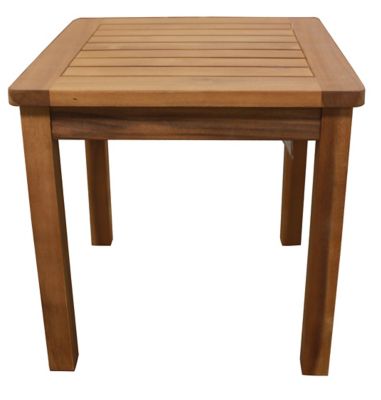
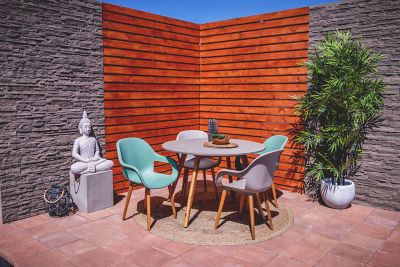
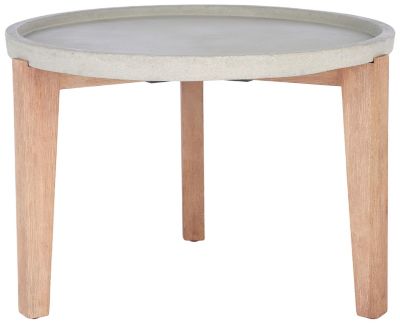
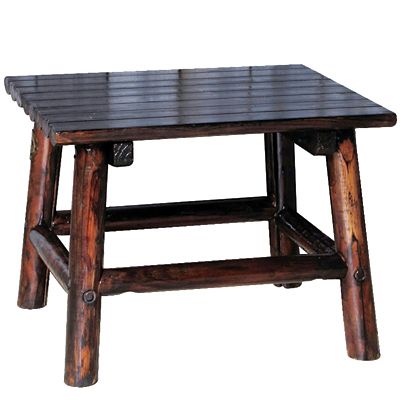
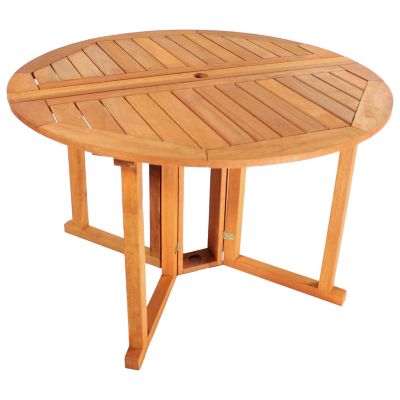
Acacia wood patio tables bring a natural hardwood surface to outdoor dining areas, porches and backyard gathering spots. Acacia is a dense hardwood with visible grain and colors that can range from honey brown to deeper reddish brown, depending on the wood and finish. Those variations give a tabletop character without needing much else around it: a few chairs, a pitcher of tea and room to pass a serving bowl can make a comfortable place to settle in. The wood’s hardness helps it stand up to everyday knocks, but it can still scratch, stain or develop surface checks without suitable care. Outdoor performance depends on more than the wood alone. Construction, protective finish, hardware and placement all play a part in how a table holds up. Acacia patio tables intended for outdoor use may pair wood tops with matching hardwood legs or metal bases, giving shoppers different looks and levels of upkeep to consider. A wood base creates a coordinated appearance, while a metal frame can bring slimmer lines and extra legroom, depending on its design. Metal parts also need an outdoor-suitable finish and attention anywhere that coating gets scratched. Slatted tops leave narrow gaps between boards, allowing water to drain rather than collect across a broad surface. Solid-looking tops offer a more continuous place for dishes, though standing moisture still needs prompt attention. Smooth edges, well-fitted joints and a steady base matter whether the table is holding Sunday dinner or a cup of coffee after chores. A level location helps keep the frame from rocking, especially on pavers or uneven porch boards. Acacia is not maintenance-free, and a protective finish does not make wood waterproof. With that in mind, these tables suit folks who enjoy the look and feel of real wood and are comfortable giving outdoor furniture a little regular attention.
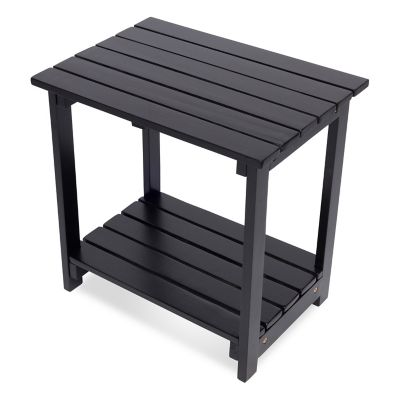
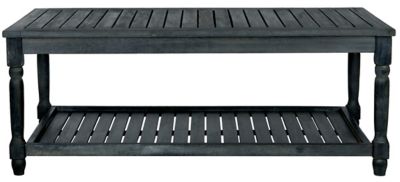
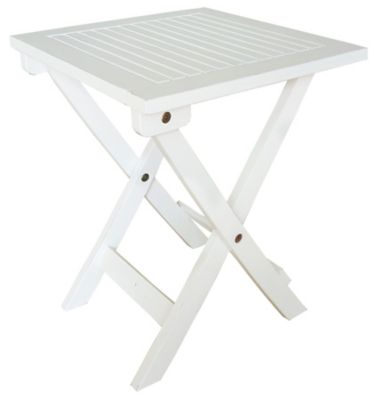
The right size and shape depend on how the space works, not just how many seats fit around the edge. A small round acacia patio table can create an easy conversation spot near a porch swing, while a rectangular dining table gives longer patios a clear gathering place for meals. Square tables can fit neatly into compact seating areas, and oval tops soften the corners along a walking route. Coffee tables and side tables serve a different purpose, keeping drinks, books and snack plates close to lounge chairs without taking up dining-table space. For seated meals, about 24 inches of table edge per person is a useful starting point, though broad chairs and generous place settings may call for more. Table width matters, too: plates on both sides leave less room down the center for platters, condiments and a bread basket. Roughly 36 inches between a dining table’s edge and a wall or railing gives diners room to move chairs back, while a busy walkway may need more clearance. Table legs and support rails can change the seating arrangement, so the distance between them matters as much as the overall tabletop measurement. A bench needs room to slide beneath the top if keeping the walkway open is part of the plan. Chair arms also need clearance below the tabletop or apron. Pairing the table with
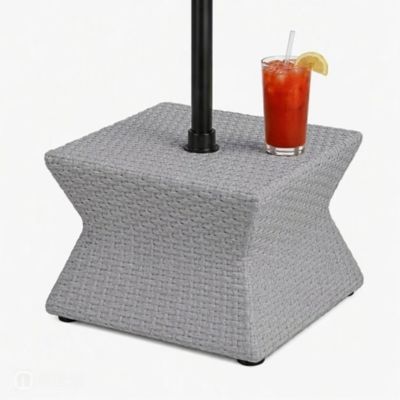
Acacia Wood Patio Chairs can create a coordinated seating area, with seat height, arm height and cushion thickness helping determine a comfortable fit. Extension designs can make sense for households that usually eat outside in smaller groups but occasionally gather more family around the table. Their expanded footprint and the storage needs of any separate leaves deserve consideration. An umbrella opening is another useful feature where overhead shade is limited, provided the opening, pole and supporting base fit together and the table’s instructions allow that arrangement.
Everyday care helps preserve the surface and keeps an acacia wood patio table ready for the next meal. A soft cloth and a mild cleaning solution approved by the furniture manufacturer are generally a better match for finished wood than abrasive pads or strong household chemicals. Crumbs and grit are worth clearing away before wiping, since dragging them across the top can leave scratches. Spilled drinks, greasy serving dishes and damp flowerpots can also leave marks when they sit too long. Coasters, placemats and heat-resistant trivets provide a simple buffer, especially beneath hot pans that should never rest directly on the wood. After cleaning, allowing the surface to dry thoroughly helps keep moisture from lingering at joints or beneath table coverings. Acacia can gradually change color with exposure to light, and the finish may need refreshing over time. The appropriate treatment depends on the original coating: an oil-finished table and a table with a film-forming finish may require different products and preparation. Following the manufacturer’s care directions avoids applying an oil or sealer that does not belong on that surface. A fitted, breathable furniture cover can reduce exposure and keep debris off the top, but covering damp wood can trap moisture. Air circulation beneath the cover matters, and furniture should be clean and dry before being put away. Periodic checks of screws, bolts and extension hardware help catch loose connections before a small wobble becomes a bigger problem. Moving the table by lifting rather than dragging also reduces strain on legs and joints. For a household that enjoys porch suppers, board games or a quiet place to sort garden seeds, an acacia table can serve several roles without making the space feel crowded. It can also be a thoughtful housewarming gift when the recipient’s patio measurements and care preferences are known. Matching the table’s scale, construction and upkeep needs to daily life is what makes it feel at home.