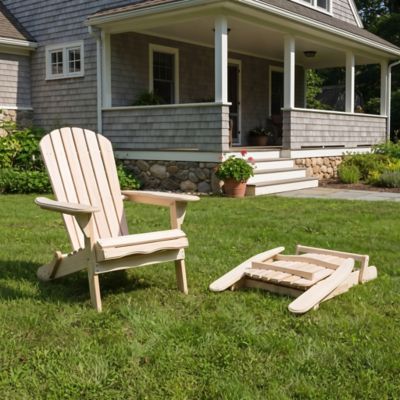
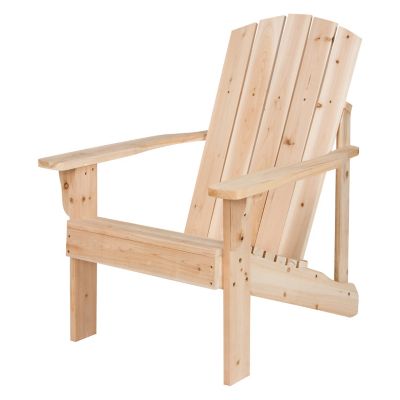
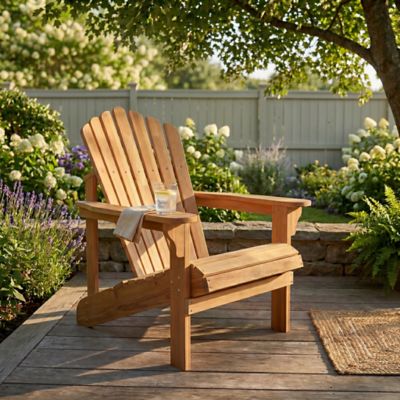
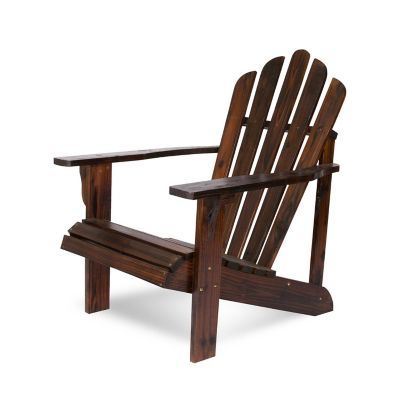
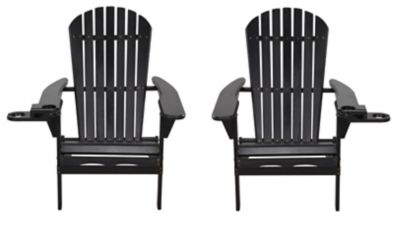
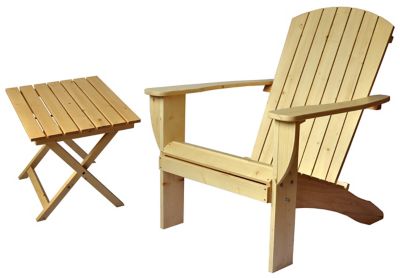
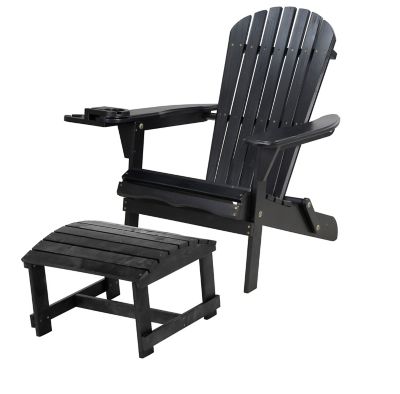
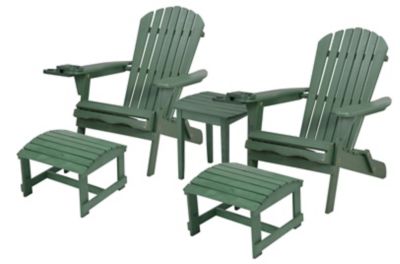
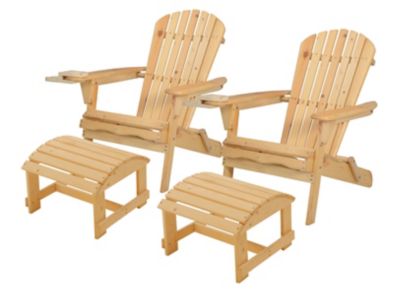
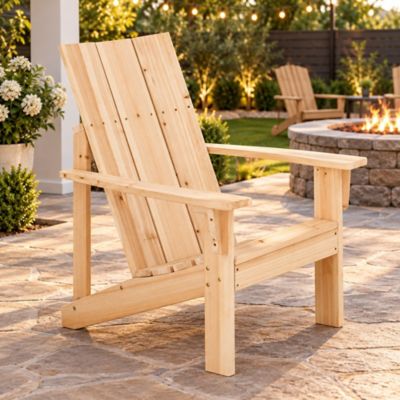
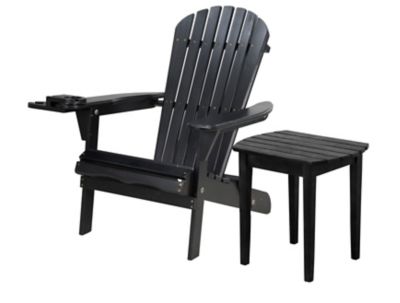
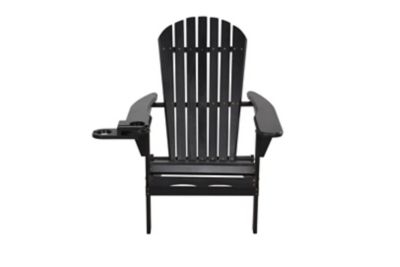
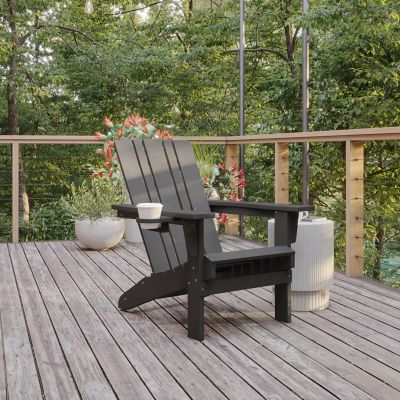
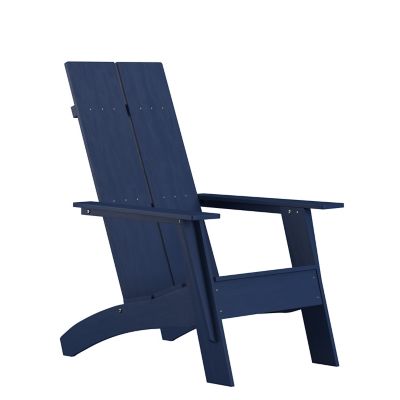
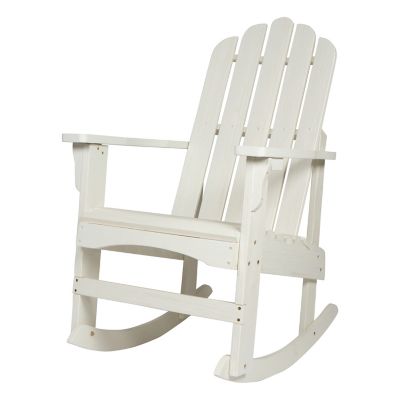
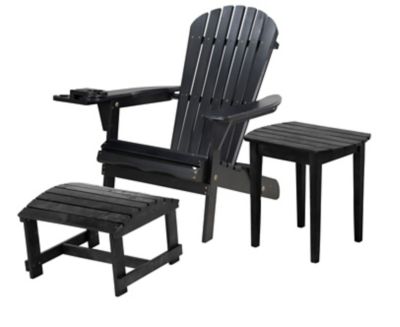
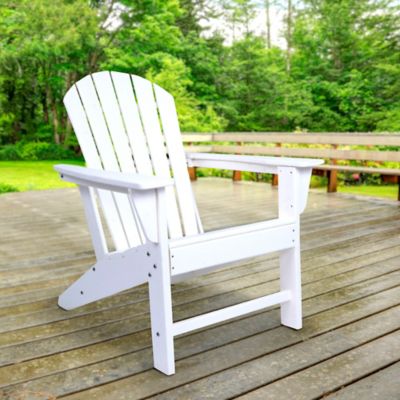
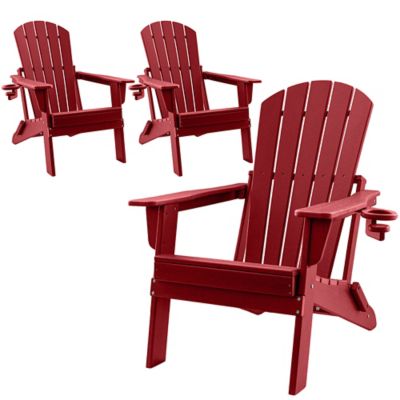
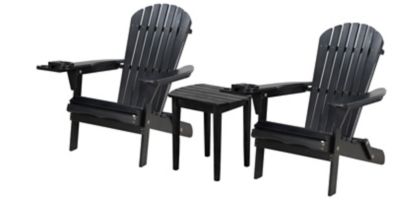
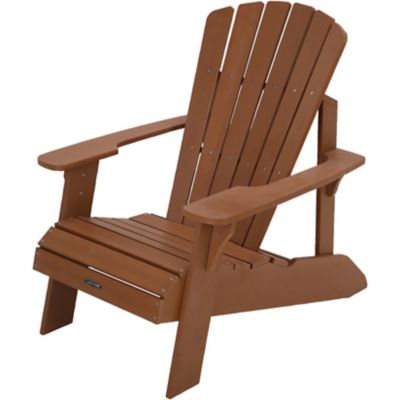
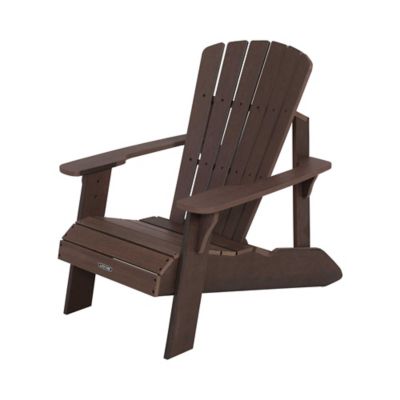
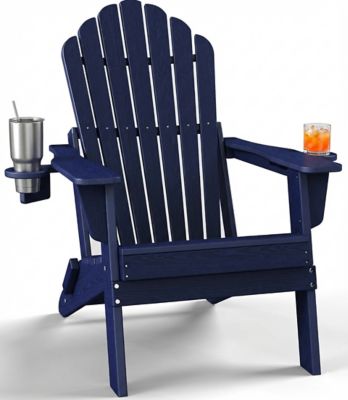
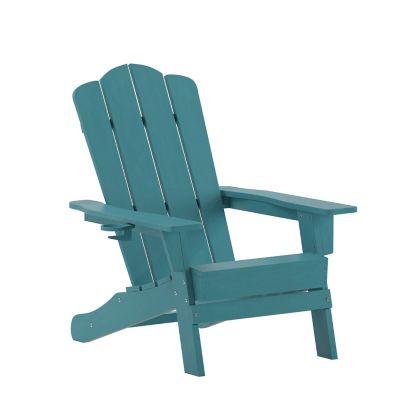
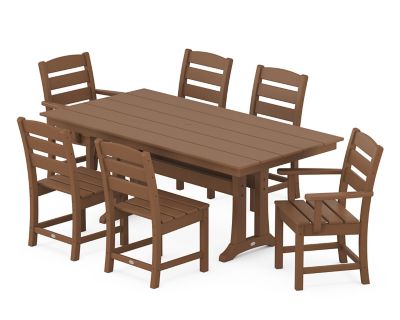
Solid wood Adirondack chairs bring an easygoing, laid-back feel to porches, patios, fire-pit areas, garden paths, and wide-open spots out by the barn. With their deep seats, broad arms, tall backs, and gently angled design, they are made for settling in rather than rushing through the day. A pair beside the front door gives guests a comfortable place to sit while visiting, while a row around an outdoor table creates a welcoming setup for morning coffee, family meals, or an evening spent watching the sky change colors. These chairs fit right in with both rustic and more polished outdoor spaces, and the natural grain of solid wood gives each one a warm, lived-in character. They can be useful for anyone who enjoys spending time outside, from folks who like to keep an eye on the garden to families looking for extra seating during cookouts and gatherings. They also make thoughtful gifts for new homeowners, newlyweds, parents, grandparents, or anyone fixing up a cabin, porch, or backyard retreat. Unlike lightweight lawn seating that may feel temporary, a well-made wooden Adirondack chair can become part of the setting for years, picking up a little personality with every season. Place one near a shaded tree for reading, beside the garden for a quiet break after yardwork, or near the grill so the cook has a comfortable seat between batches. For spaces where a little more support is welcome,
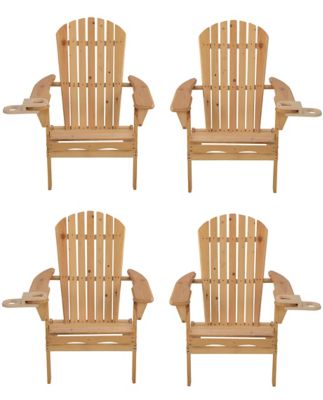
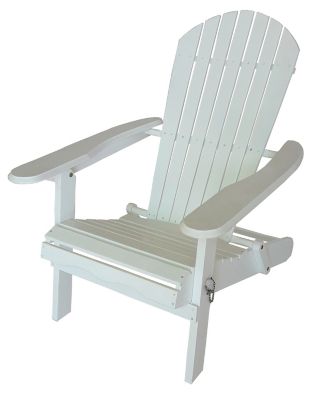
High Back Adirondack Chairs offer the familiar Adirondack shape with extra back height. When choosing from solid wood Adirondack chairs, consider how much room you have, how many seats you need, and whether you want chairs that stay in one spot or can be moved around the yard as the day goes on. Folding designs can be handy for seasonal storage, tailgates, campsites, or clearing space when company arrives, while stationary chairs often give a sturdier, more permanent feel. Check the chair dimensions carefully, especially the seat width, arm width, and overall height, so the fit works for your household and the space around it. A generous armrest is useful for setting down a mug or book, but leave enough clearance between chairs for people to get in and out without bumping knees or scraping walls.
Wood species play a big part in the appearance, weight, price, and upkeep of an Adirondack chair. Teak and acacia are popular premium hardwood choices for outdoor furniture because they are dense, durable, and naturally better at standing up to moisture, insects, and everyday wear. Their rich grain can look especially handsome on a covered porch or open patio, and they tend to suit shoppers who want a long-term investment with a substantial feel. Cedar is lighter to move and has a naturally pleasant wood aroma, along with a tight grain that helps it handle moisture and resist warping when properly cared for. Its soft, warm color can be left to weather toward a silvery tone or maintained with an outdoor finish when a richer appearance is preferred. Pine is often an affordable way to bring the classic Adirondack look to a porch or yard, making it a practical choice for furnishing several seats at once or trying out a new outdoor arrangement. Because pine is less naturally resistant to weather than teak, acacia, or cedar, it generally benefits from regular staining, sealing, or painting to help protect it from rain, strong sunlight, and changing temperatures. Solid wood furniture may show natural knots, grain variations, and small color differences; those details are part of the character of real wood rather than a flaw. Think about the local conditions, too. A chair in a covered area will have different needs than one sitting in full sun beside a pool or exposed to steady rain. During the warmer part of the year, wood chairs make it easy to enjoy breakfast outdoors, watch children play, or linger around a fire after supper. As the weather turns cooler, they can still be useful with a cushion, throw blanket, or sheltered placement, giving you a comfortable seat for crisp afternoons and quiet evenings. If you live in a damp climate or expect heavy exposure, prioritize a wood type and finish suited to those conditions, and look for sturdy construction, smooth edges, secure hardware, and a stable base. Weight matters as well: a heavier chair may stay put better on a breezy deck, while a lighter chair is easier to carry from the porch to the lawn.
Like any outdoor furniture, solid wood Adirondack chairs look and perform their best with a little routine care. Brush away leaves, grass clippings, and dirt before they hold moisture against the wood, then clean the surface with mild soap, water, and a soft brush or cloth. Avoid harsh cleaners that can strip the finish or leave the wood looking uneven. Allow the chair to dry thoroughly, and check the joints, screws, and feet from time to time, particularly after a stretch of wet weather or heavy use. A weather-resistant cushion can add softness and color, but it should be removed or dried after rain so moisture does not sit against the seat. When the cooler months bring long periods of rain, freezing temperatures, or snow, move chairs beneath a roof or store them in a dry, ventilated place if possible. A breathable furniture cover can help when indoor storage is not available; avoid wrapping damp wood tightly, since trapped moisture can encourage mildew. Chairs with a clear coat, stain, or paint may need touch-ups as the finish wears, while unfinished or naturally weathering woods can be refreshed according to the care instructions for that species. Let the wood’s natural color guide your choice: some people enjoy the honeyed tones of fresh lumber, while others like the soft gray patina that develops outdoors over time. Whether you are furnishing a small front stoop, adding seats around a fire ring, or creating a restful corner at the edge of a field, solid wood Adirondack chairs offer comfortable outdoor seating with a classic shape and dependable charm. Compare materials, dimensions, finishes, folding features, and care requirements to find chairs that fit the way your household spends time outside. With the right placement and a little upkeep, they can hold the quiet moments that make a property feel like home—coffee before the chores, conversation after supper, and a peaceful seat when there is nowhere else you need to be.