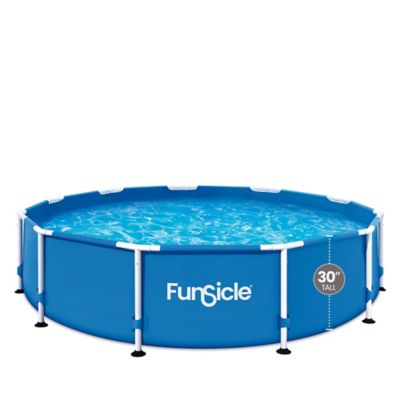
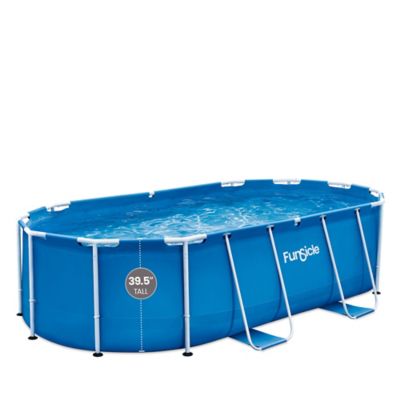
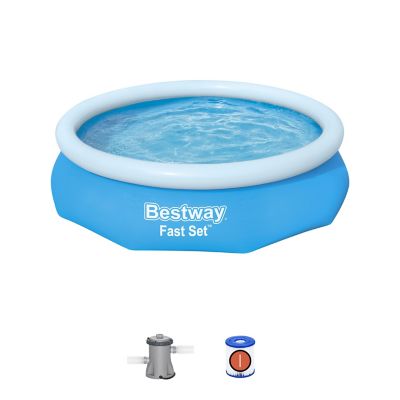
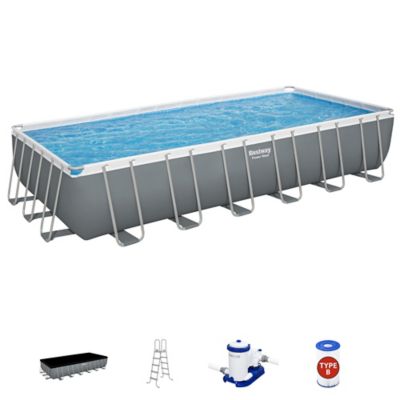
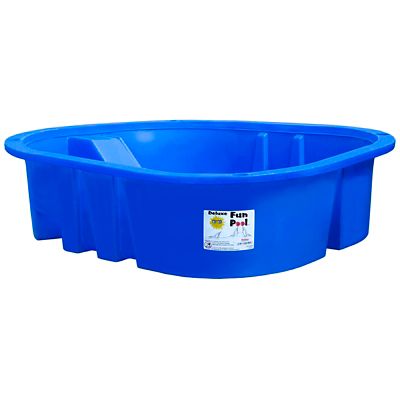
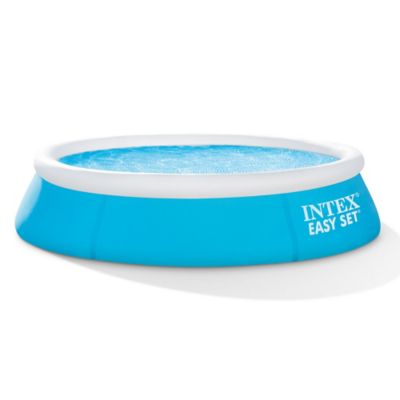
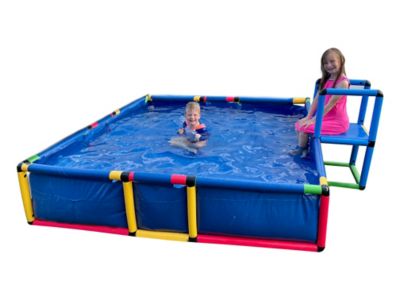
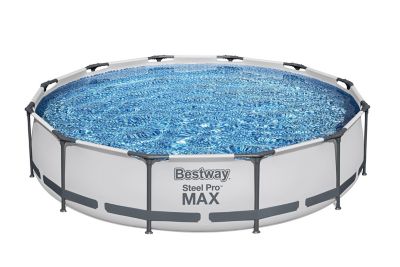
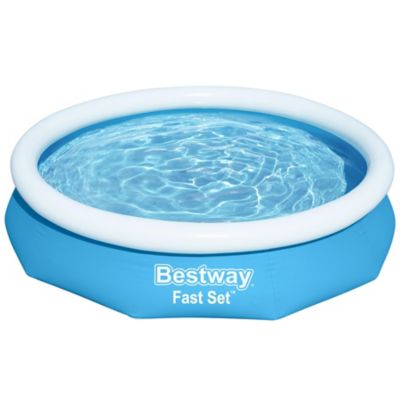
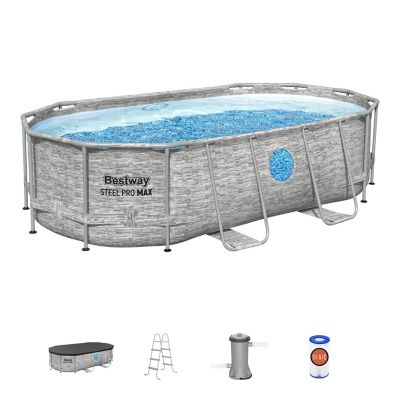
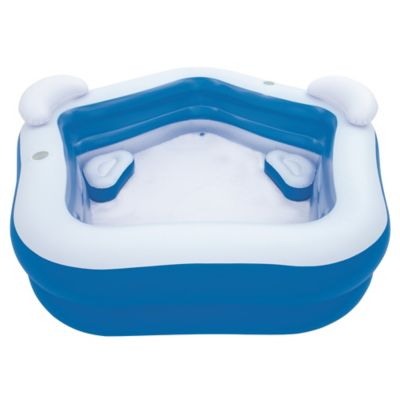
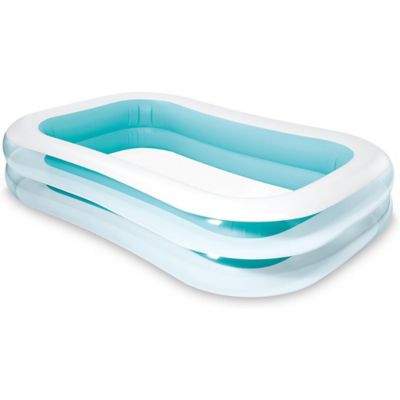
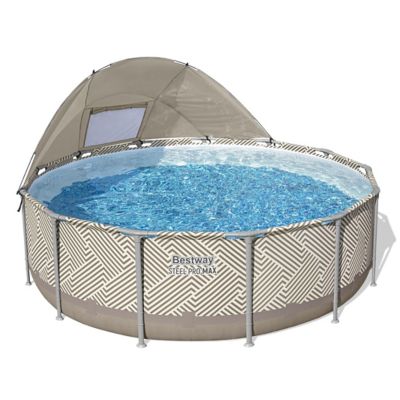
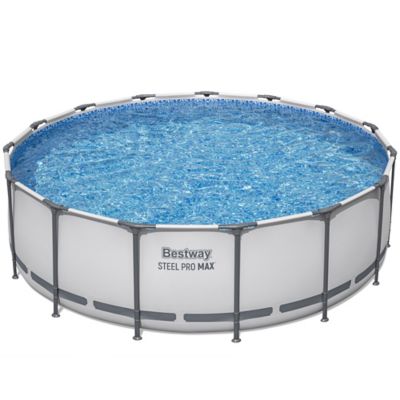
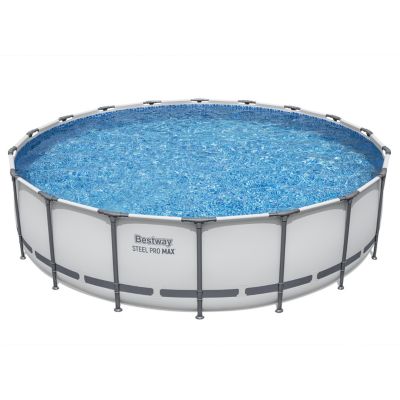
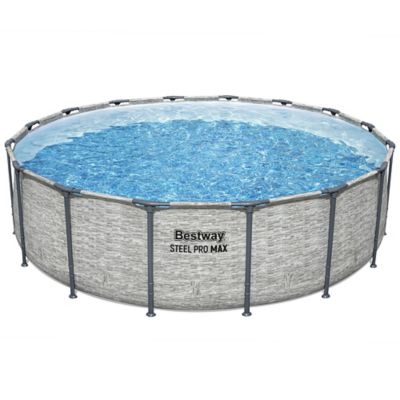
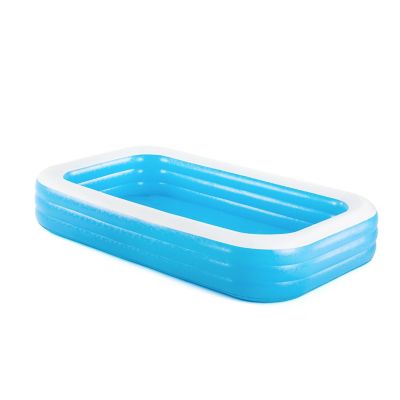
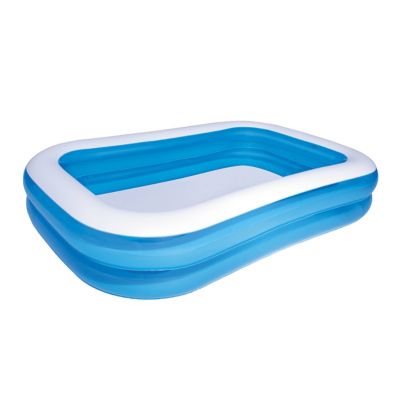
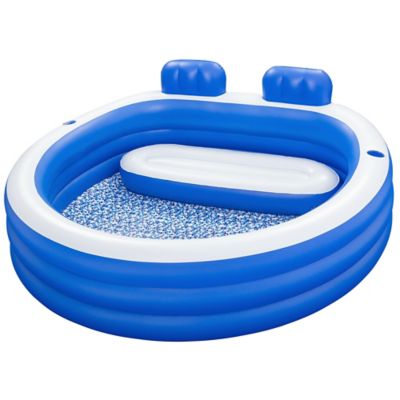
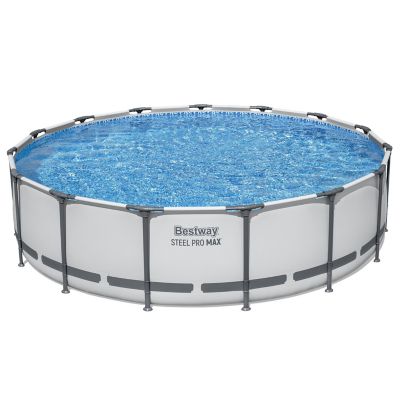
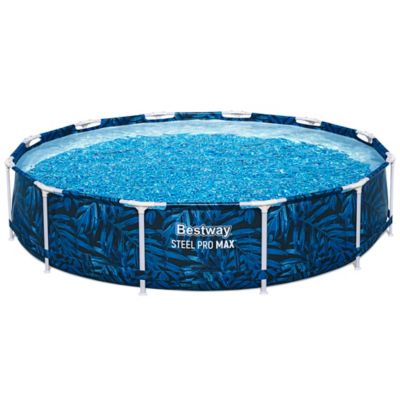
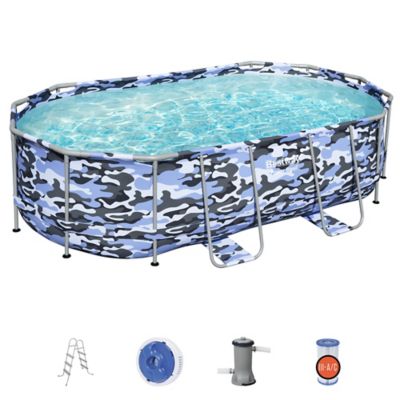
Above-ground pools for families bring swimming, floating and backyard play closer to home, with sizes and styles that fit different households and outdoor spaces. The best fit depends on the room in the yard, the people getting in the water and how much upkeep fits into the family routine. A pool meant for a parent and child to splash together has different space needs than one where teens stretch out on floats while adults cool off after chores. Round pools offer open space for gathering and playing, while oval and rectangular shapes may work better in a longer yard or leave a clearer path between the house and outbuildings. Listed dimensions tell only part of the story: support legs, braces, ladders and filtration equipment can extend beyond the pool wall. Leave the clearances required by the manufacturer, along with room to walk around the outside and reach equipment without squeezing past a fence. Wall height also differs from actual water depth, since pools fill below the top edge. Neither a lower wall nor water shallow enough for a child to stand in makes a pool safe without close supervision. Swimming ability, age and the intended activity matter more than a depth label alone. Younger children and inexperienced swimmers need an attentive adult within arm’s reach, and every family pool needs a designated adult watching the water without distractions. Above-ground pools are generally for splashing, floating and casual swimming rather than diving; follow all posted rules and manufacturer restrictions. Families comparing roomier layouts can explore
Large Backyard Swimming Pools while keeping the full setup footprint in mind. Extra space can help separate a quiet float from a lively game, but a larger pool also holds more water and takes more time to fill, clean and maintain. Matching pool size to everyday use, rather than the biggest gathering of the year, helps keep backyard swimming manageable.
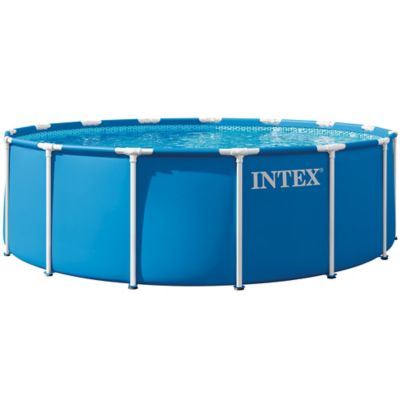
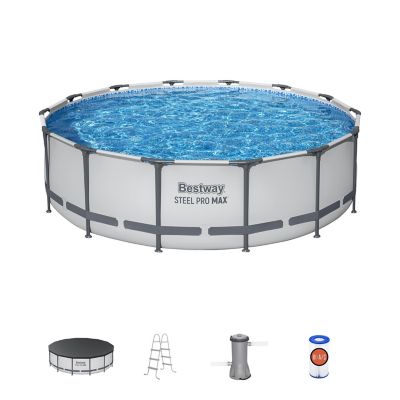
Construction makes a difference in how an above-ground family pool goes together, handles regular activity and fits into long-term backyard plans. Soft-sided frame pools commonly pair a flexible, reinforced liner with a metal support structure. They can suit households looking for a seasonal setup, although taking one down still means draining, cleaning, drying and storing its parts according to the manufacturer’s directions. Hard-sided pools typically have steel, aluminum or resin structural components surrounding a separate liner, with installation and support requirements that differ from those of portable frame styles. Steel provides rigidity, but scratched protective coatings can leave it vulnerable to corrosion. Resin components resist rust, though they still need protection from impact and care appropriate to the material. Liners may contain vinyl or layered synthetic materials, and their service life depends on more than thickness alone. Smooth ground preparation, balanced water, careful entry and protection from sharp objects all help limit wear. A buckle on a toy, gravel tracked in on bare feet or a chair set against the wall can cause trouble that has little to do with pool size. The ground beneath the pool matters just as much as the walls: it needs to be firm, level and prepared exactly as the installation instructions require. A pool full of water places a substantial load on its base, so a sloping patch beside the pasture or loosely filled ground is not a shortcut to a sound setup. Ground cloths and approved base materials serve particular purposes; they do not correct an uneven site. Pool placement also needs to account for drainage, overhead lines, buried utilities, septic systems and access to an appropriate electrical supply. Before installation, check local permit, setback, fencing and electrical requirements. A broad stretch of open yard is appealing, but the right spot also leaves a clear view from the supervising adult’s position and keeps the pool away from equipment, livestock traffic and objects children could climb to reach the water.
Day-to-day care is part of owning a family swimming pool, whether it serves two swimmers after chores or a houseful of cousins. Filtration needs to match the pool’s water volume and the equipment manufacturer’s specifications; a pump that moves water is not automatically the right match for every pool. Cartridge filters collect debris in a removable element that needs cleaning and eventual replacement, while sand filtration systems require backwashing and other care according to their instructions. Neither system replaces water treatment. Testing sanitizer and pH regularly, including before swimming and more often with heavy use, helps keep water suitable for bathers. Clear-looking water alone does not establish that the chemistry is right. Follow treatment labels, keep chemicals secured away from children and pets, and never mix pool chemicals together. A simple routine of skimming leaves, brushing surfaces and removing settled debris keeps buildup from becoming a bigger job. Yards near trees or gravel drives may bring more debris to the water, and a clean entry area helps keep grass clippings and grit out. Ladders and steps should match the pool’s wall height, attachment requirements and weight limits, with stable footing and handholds suited to the people climbing in and out. Secure or remove access equipment when the pool is unattended, as directed by the manufacturer, and provide a code-compliant barrier with a self-closing, self-latching gate. An ordinary pool cover is not a safety barrier; only a cover specifically designed and rated for that purpose should be considered a safety cover. End-of-season care depends on construction and climate. Some pools require disassembly and dry storage before freezing temperatures, while others call for winterizing in place; draining a pool completely without checking its instructions can damage the structure. Keeping liners clean, protecting fittings and inspecting connections before the next fill can help extend the pool’s service life. With space, construction, access and care matched to the household, an above-ground pool can make room for plenty of shared backyard time without leaving the practical details to chance.