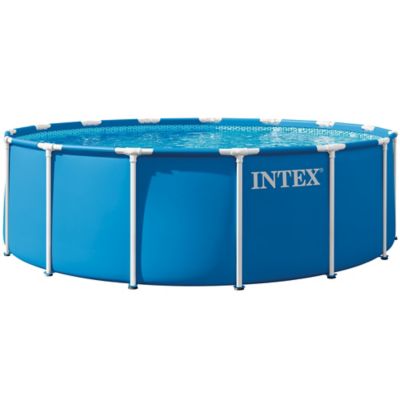
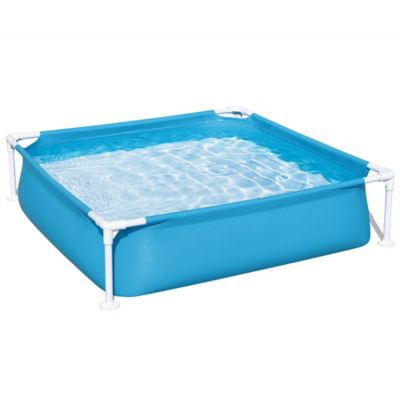
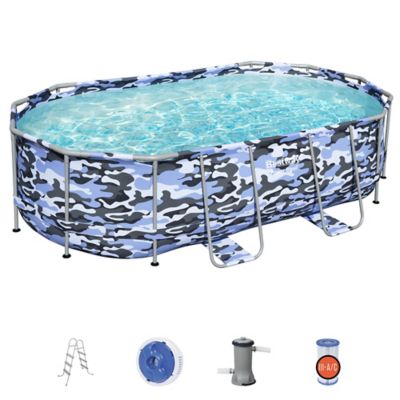
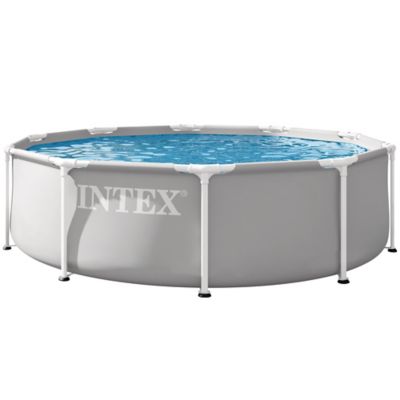
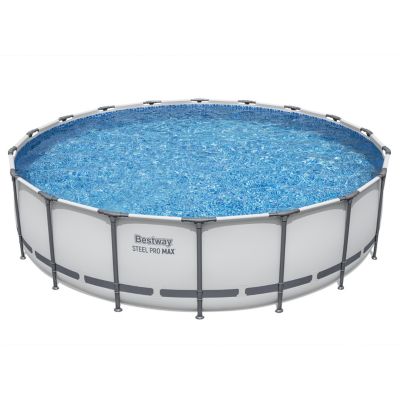
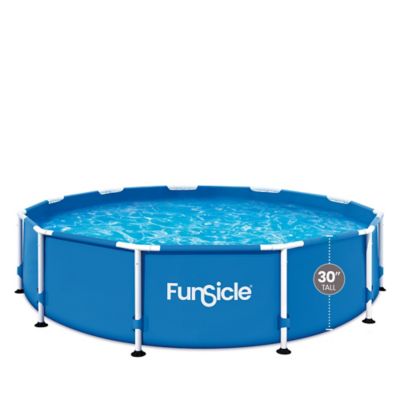
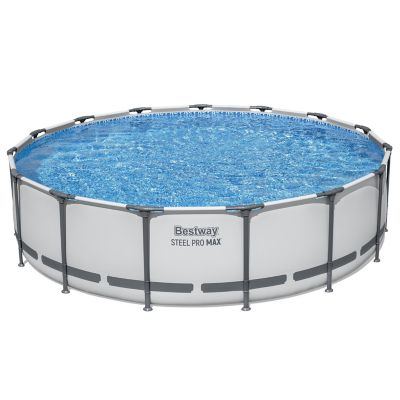
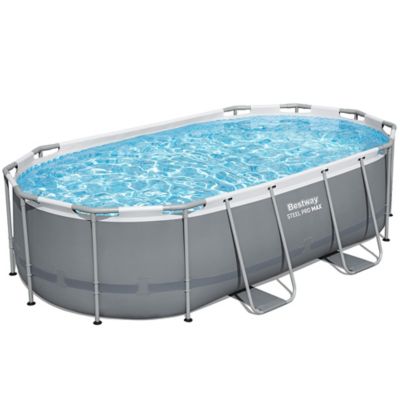
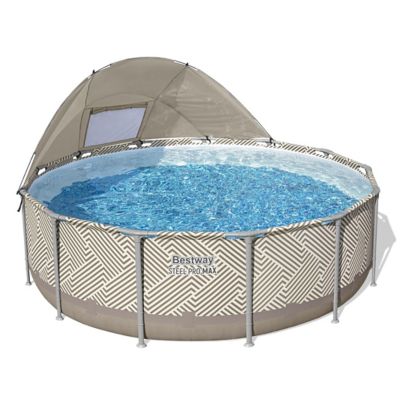
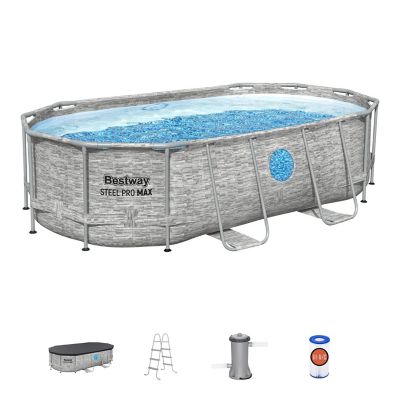
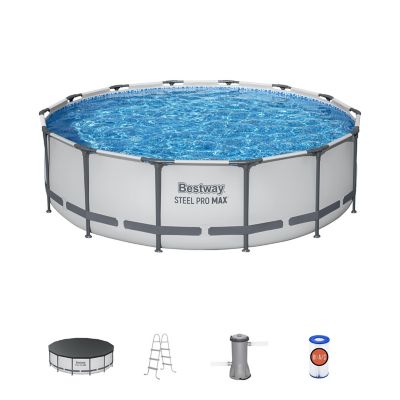
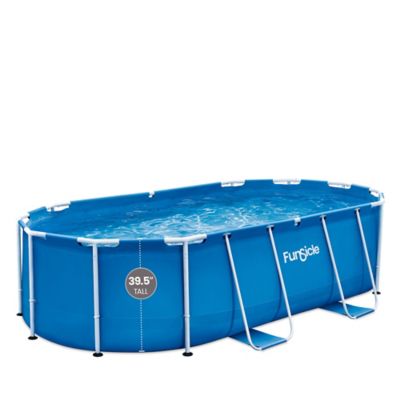
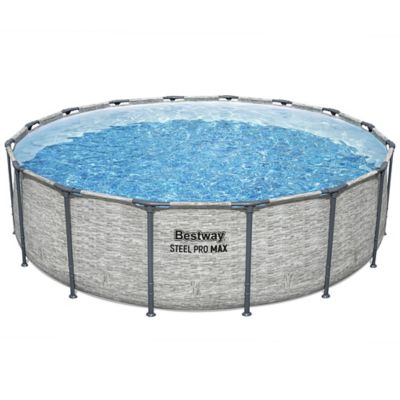
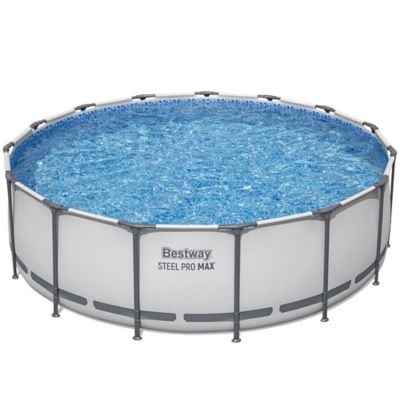
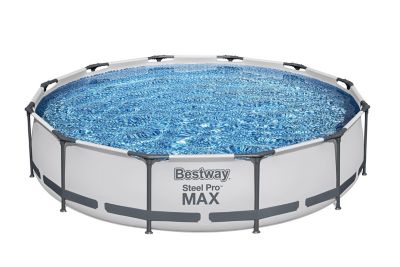
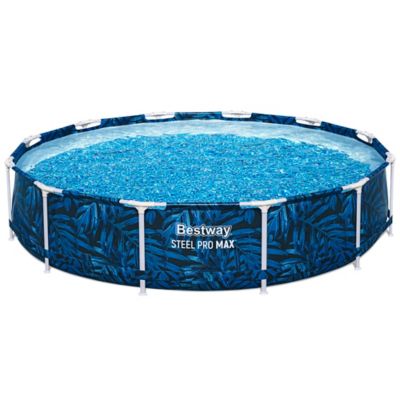
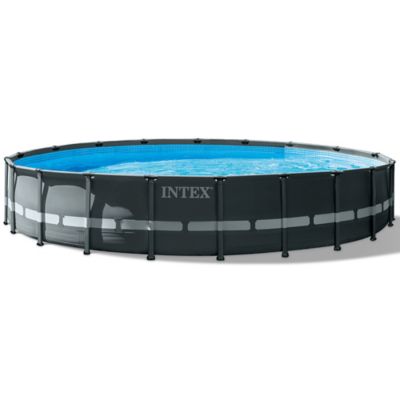
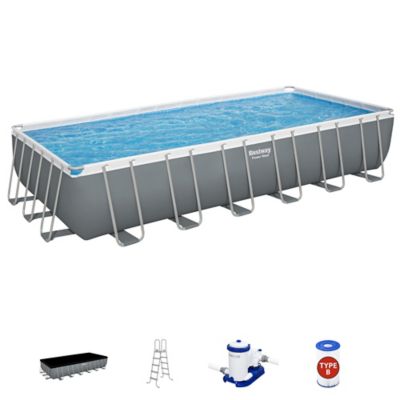
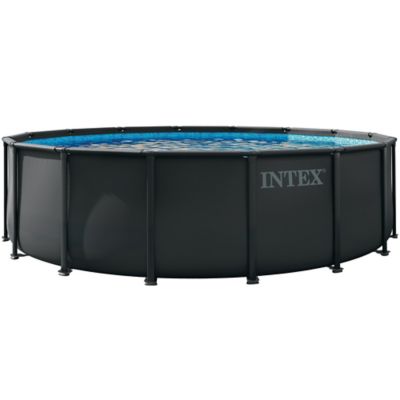
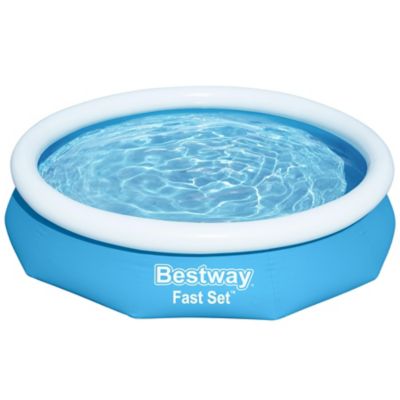
Metal frame above ground pools are backyard swimming pools supported by an exterior metal framework, typically steel, with a flexible liner that holds the water. The frame keeps the pool’s shape, while the liner forms the swimming area. Many designs pair tubular rails and upright supports with a reinforced PVC liner, sometimes built with a polyester mesh layer between sheets of material. That construction differs from a rigid steel-wall pool, where a continuous wall surrounds a separate liner. For households wanting a place to splash, float or unwind after chores, a metal frame pool brings swimming closer to home without an in-ground installation. Round and rectangular shapes suit different yards and activities. A round pool creates an open gathering space for relaxed swimming, while a rectangular layout can leave a longer stretch for moving through the water. Neither shape guarantees room for lap swimming; the actual interior dimensions matter more than the shape alone. Pool height also deserves a close look, since the stated wall height is not the same as the operating water depth. The recommended fill line sits below the top edge, and the usable swimming area may be smaller than the outside measurements suggest. A family planning gentle water play has different space needs than adults looking for room to stretch out on a float. The overall footprint includes more than the pool itself: angled support legs, a ladder, filtration equipment and access around the sides all take up yard space. Comparing those measurements with the intended spot helps keep a promising pool from becoming a tight squeeze beside the porch or garden fence. Water capacity is another practical consideration because it affects filling time, filtration needs and routine water treatment. Capacity should be considered alongside the water source, especially on properties served by a private well. A large open yard may offer plenty of room, but the pool still needs a suitable location and a water supply that can support the initial fill without straining household needs.
The best fit for a property depends as much on the ground underneath as on the pool’s dimensions. Filled pools place a substantial load on their base, so metal frame above ground pools generally need firm, level ground prepared to the manufacturer’s requirements. A patch of lawn that looks flat from the kitchen window can have enough slope to put uneven pressure on the frame. Soft fill, low spots and ground that collects runoff can also create problems. A ground cloth may help protect the liner from contact with the surface, but it does not correct an uneven or unstable base. Raised decks, platforms and other structures require a separate assessment of their ability to support the full load; ordinary deck space should never be assumed suitable. Around a rural property, it also makes sense to keep the swimming area away from livestock traffic, equipment routes and places where yard work could send debris toward the liner. Trees offer shade but can add leaves, twigs and extra cleanup. Materials and finish matter, too. Depending on the design, steel components may have painted, powder-coated or galvanized surfaces intended to limit corrosion. Those finishes do not make metal immune to rust, especially where scratches expose bare steel or moisture remains trapped at joints. Smooth connections, properly fitted supports and clear assembly requirements all deserve attention when comparing construction. The liner has its own care needs, including protection from sharp stones, pet claws and equipment dragged across the edge. Entry and safety provisions belong in the same conversation as size and materials. Local rules may call for permits, barriers, gates or electrical protections, and the pool wall alone should not be assumed to satisfy fencing requirements. A compatible ladder needs the right height and weight rating, with access controlled when swimming is over. Shallow backyard pools are not for diving, and children need close, active adult supervision whenever they are near the water. Clear sightlines from the sitting area help, but they never replace a designated adult watching swimmers.
Everyday upkeep is part of owning a metal frame pool, whether the plan is a quick dip after mowing or a longer afternoon with the family. Clear-looking water still needs testing, balanced chemistry and circulation suited to the pool’s capacity. Pump flow ratings and filter requirements should match the pool manufacturer’s specifications, rather than being selected by appearance or pool width alone. Filter type affects the maintenance routine, while access to the pump and connections affects how easily that work gets done. Compatibility matters for hoses, fittings and replacement components, too. A well-matched setup makes routine care more straightforward than an assortment of parts with different connection sizes. Leaves and grass clippings add to the cleanup, so a convenient place to rinse feet before climbing in can help keep yard debris out of the water. Covers can reduce falling debris and evaporation when properly fitted, but an ordinary pool cover is not a substitute for a required barrier or active supervision. The frame and liner also benefit from regular attention to loose connections, rubbing points, small leaks and early signs of corrosion. Treatment chemicals need to be handled and stored according to their labels, away from children, animals and incompatible materials. For pools taken down between swimming seasons, storage space is worth considering before installation: the liner, frame sections and other components need a clean, dry location protected from pests and damage. Some designs require seasonal disassembly, while others have different closing requirements; the manufacturer’s directions determine whether a pool can remain assembled through freezing conditions. For a different construction style,
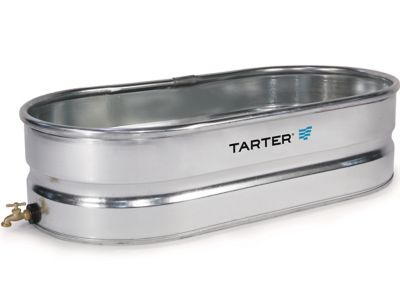
Galvanized Stock Tank Pools offer a related option to explore, though their capacity, edges, filtration setup and safety needs deserve their own consideration. With any backyard pool, the right match comes down to usable swimming space, a suitable site and a maintenance routine that fits the household. Those practical details help make the pool a comfortable part of everyday life, with room to cool off after a dusty chore and enjoy a little time together close to home.