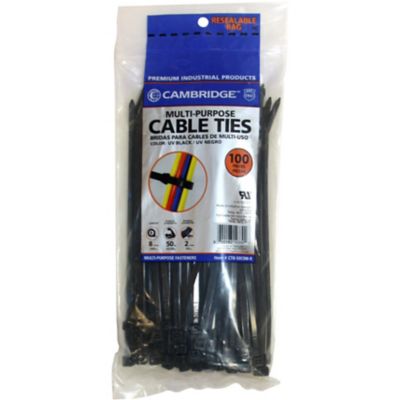
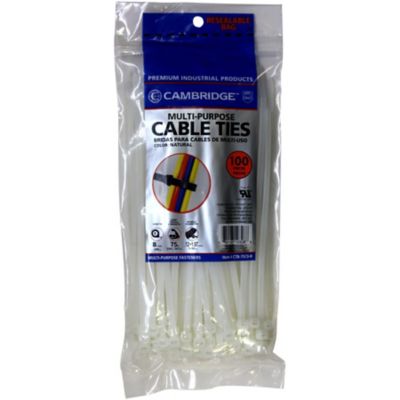
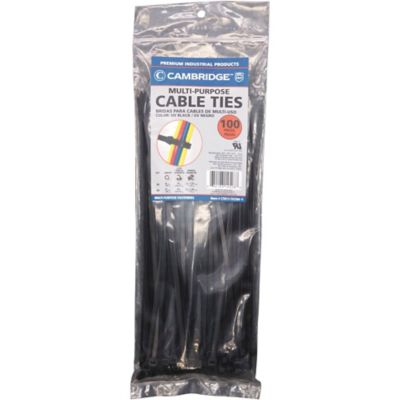
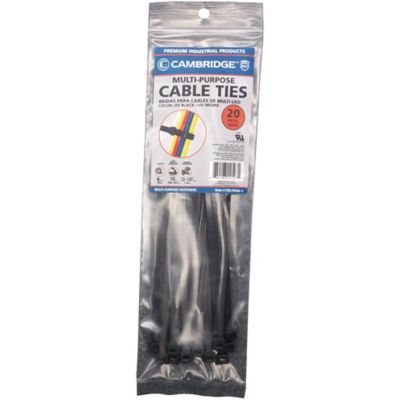
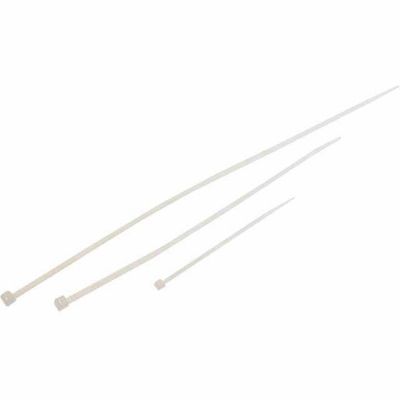
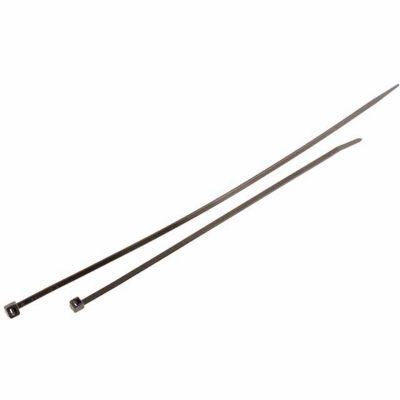
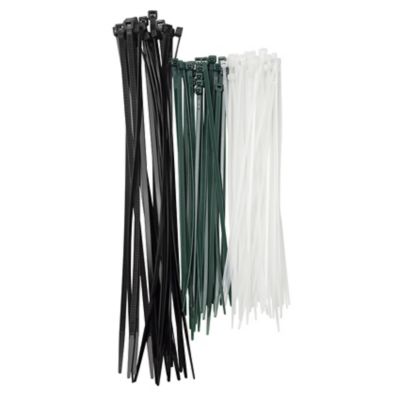
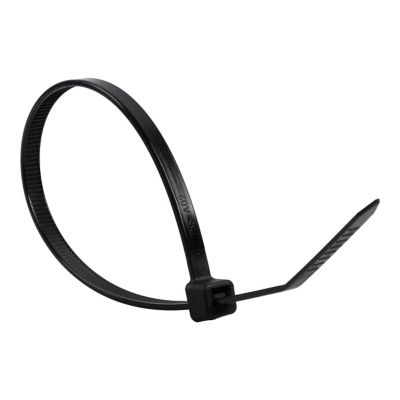
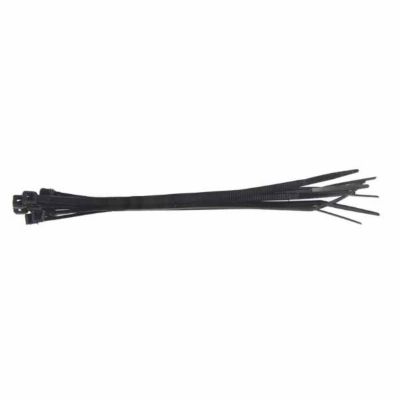
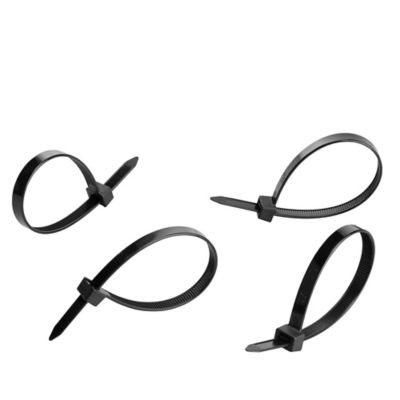
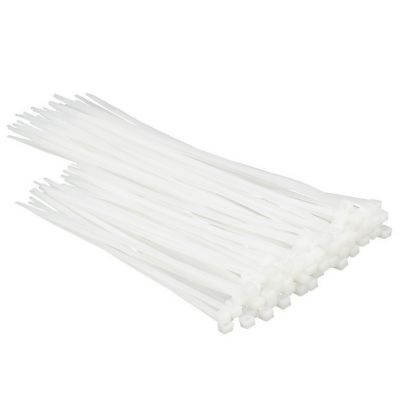
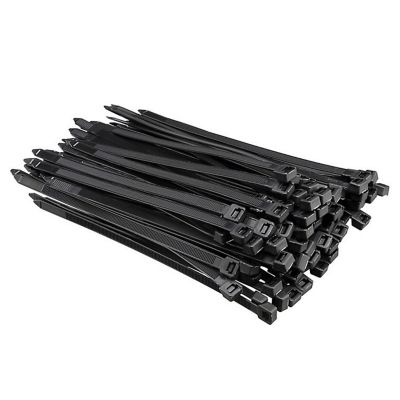
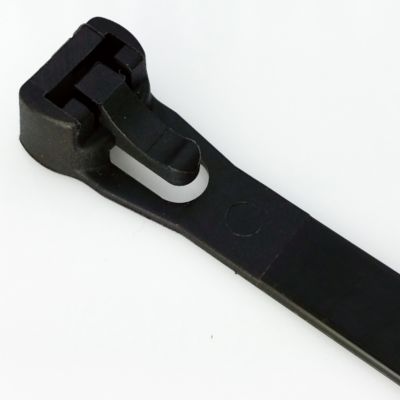
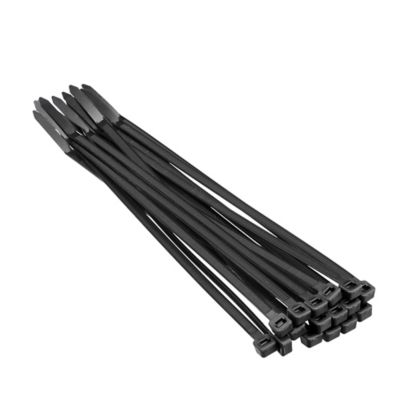
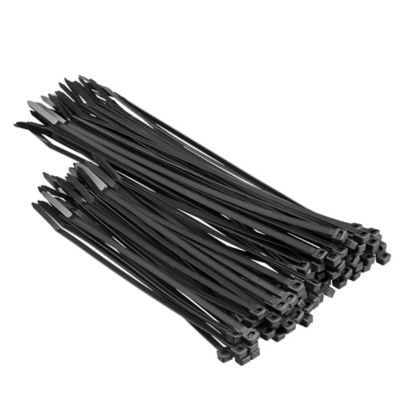
Eight inch cable ties are handy for the everyday jobs that come up around a home, barn, shop, garage, or work truck. They are long enough to gather a bundle of cords, hoses, wire, or light-duty fencing materials without leaving a large loop of extra plastic, while still being easy to handle with gloved hands. Many folks keep a few in a toolbox, tackle box, utility drawer, or the pocket of a work jacket because a loose line or dangling cable has a way of showing up when you are already in the middle of another project. Use them to tidy extension cords near a workbench, hold together holiday lights and outdoor decorations, organize battery cables, secure netting, bundle irrigation tubing, or keep a set of tools grouped for storage. Around the farm, they can help with temporary organization in the shop, greenhouse, shed, or livestock area, though they should not be treated as a replacement for purpose-built livestock fencing, load-rated hardware, electrical connectors, or permanent structural fasteners. For a quick repair or a cleaner setup, an eight inch tie can save a trip back to the hardware aisle and make a noticeable difference in how safely and neatly a space is arranged.
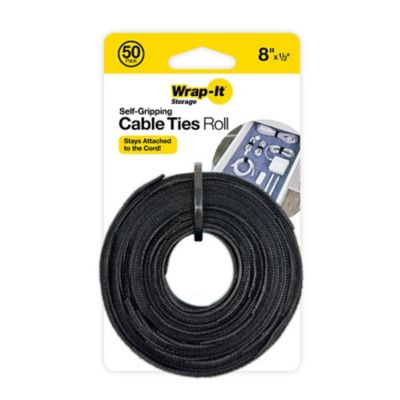
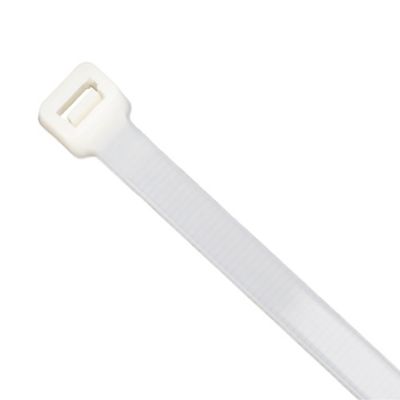
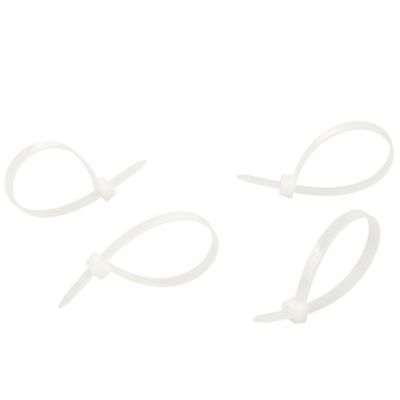
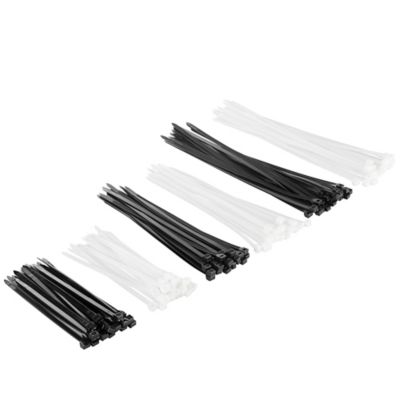
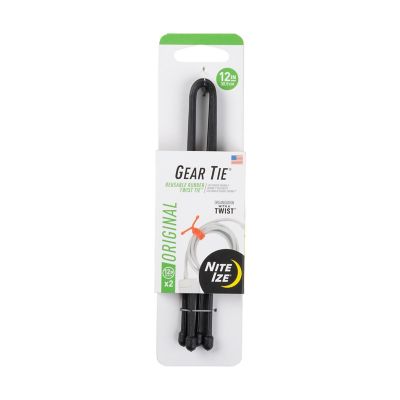
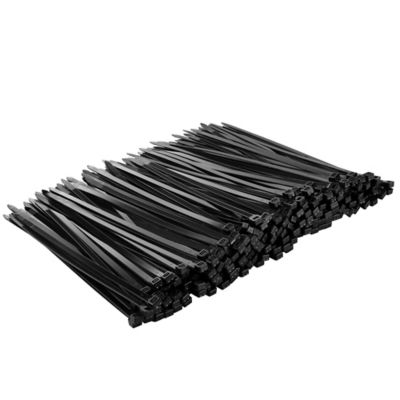
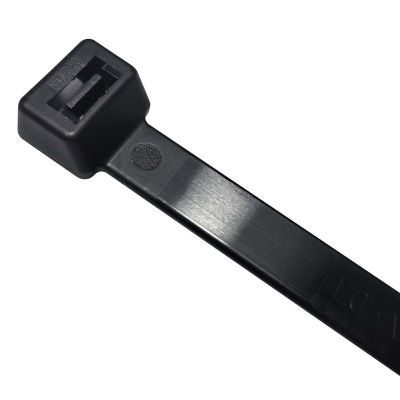
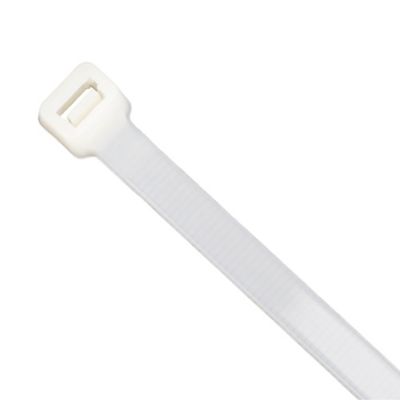
When choosing cable ties, start with the job rather than the package count. Length matters, but width, material, and rated strength matter just as much. An eight inch tie may work well for smaller bundles, but the actual usable circumference depends on the width of the material and the size of the locking head. Measure around the items you plan to gather, then leave a little room so the bundle is not pinched tight. Cords and hoses need enough space to avoid crushing or kinking, and wire bundles should be supported without putting pressure on insulation. Look for a strong, evenly molded strap and a locking head that engages cleanly instead of slipping when pulled snug. Standard nylon ties are a practical choice for indoor organizing and many general repairs. For outdoor use, especially where sunlight, damp ground, dust, or changing temperatures are part of the picture, look for ties made for outdoor exposure or treated with UV resistance. Black ties are often preferred for outdoor work because they generally hold up better in sunlight than light-colored versions, while natural or white ties can make it easier to see labels and identify different bundles indoors. A flush cutter or pair of side cutters gives a neat finish after trimming, and wearing eye protection is a smart habit when cutting a tie under tension. If a bundle will be opened and rearranged often, reusable or releasable styles may be a better fit than one-time locking ties. For larger, heavier, or more demanding jobs, compare the tie’s working temperature range and tensile strength with the conditions it will face. The
Heavy Duty Cable Ties selection can be useful when a basic tie is not enough for the size, weight, or exposure involved.
Eight inch cable ties also make a practical addition to a gift for someone who enjoys fixing, building, or keeping a place in good working order. They fit nicely in a care package for a new homeowner, a handy relative, a college student setting up a workshop, or a neighbor who spends weekends maintaining equipment and outbuildings. They are the kind of supply that may sit unnoticed in a drawer until a fence needs a quick temporary hold, a trailer light cord needs tidying, or a mess of chargers and power cords needs to be sorted before the cooler months send more projects indoors. Use them in the garage to keep seasonal gear grouped, around a garden shed to organize hand tools, or at a campsite to manage low-voltage cords and lightweight gear. They can also help make storage areas safer by keeping loose lines off walkways and away from moving parts, heat sources, sharp edges, and areas where animals could chew or become tangled. Before fastening anything, check that the tie will not rub against a hot engine component, interfere with a fan or belt, block a drain, or become a hazard for pets and livestock. For outdoor decorations and temporary setups, leave enough slack for wind movement and inspect the ties after rough weather. A few minutes spent choosing the right length, strength, and material can keep a simple organizing job from turning into a broken bundle or a frustrating cleanup. With a supply of eight inch cable ties on hand, small fixes, tidy-up work, and seasonal storage are easier to handle from the workbench to the barn.