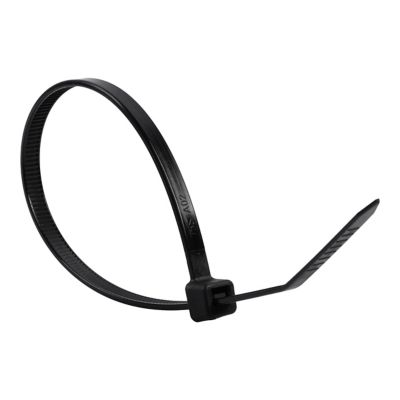
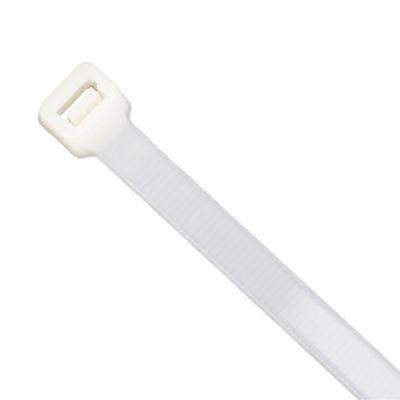
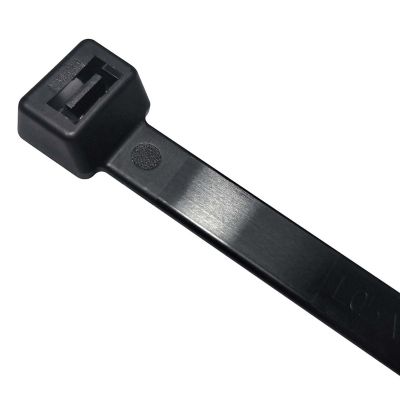
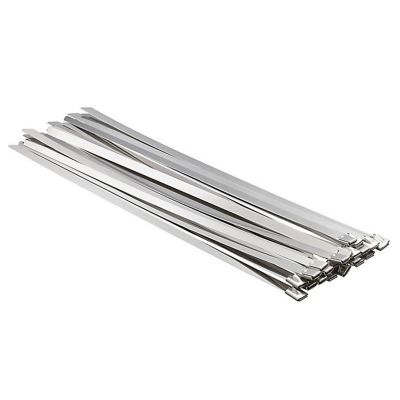
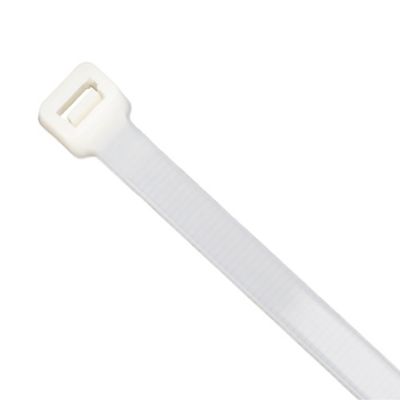
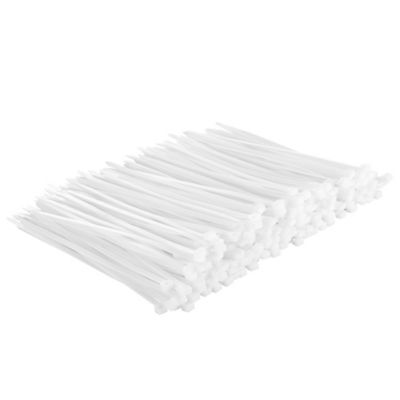
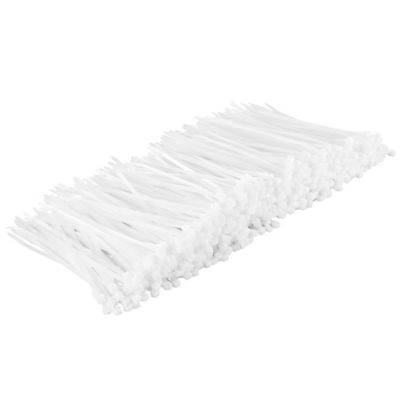
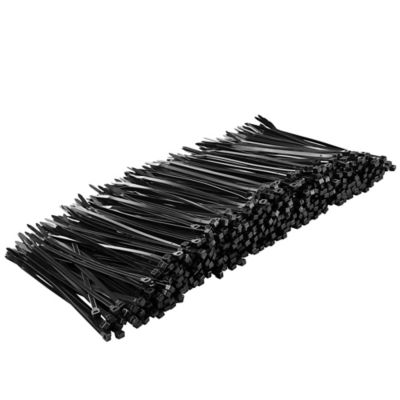
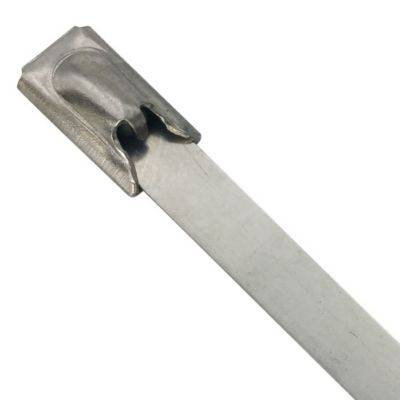
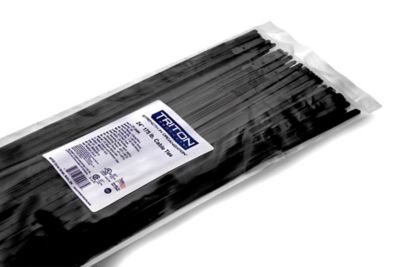
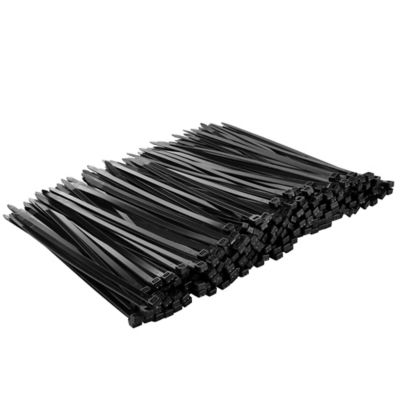
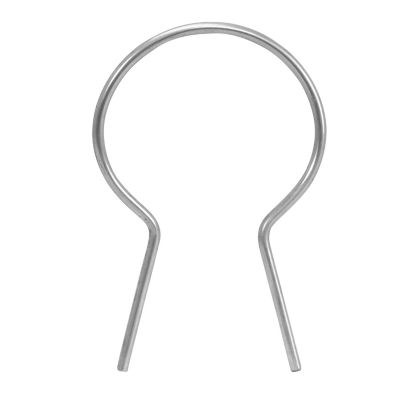
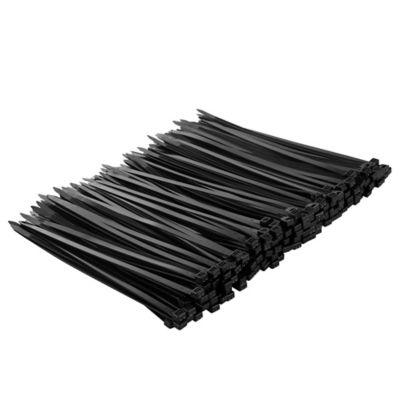
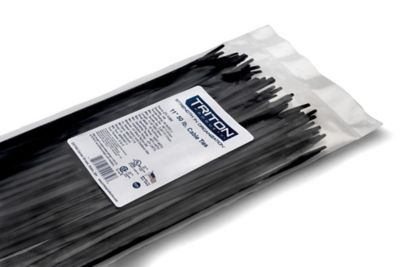
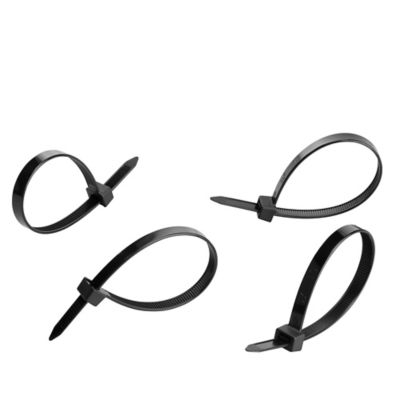
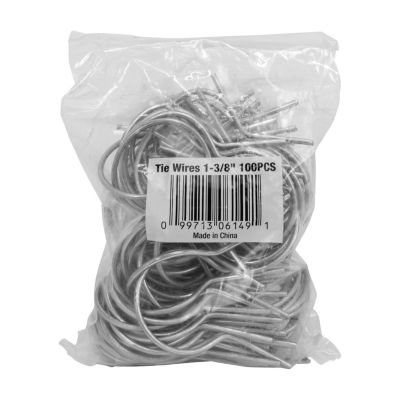
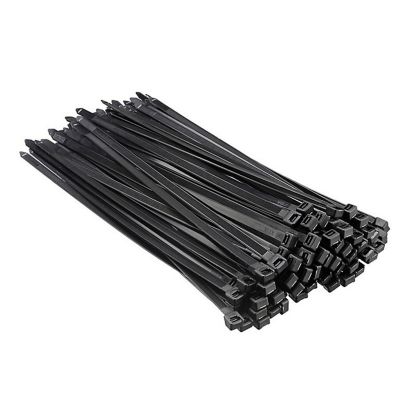
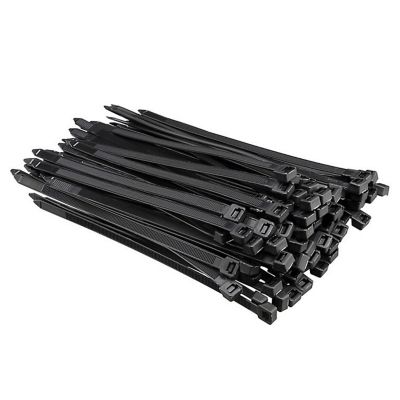
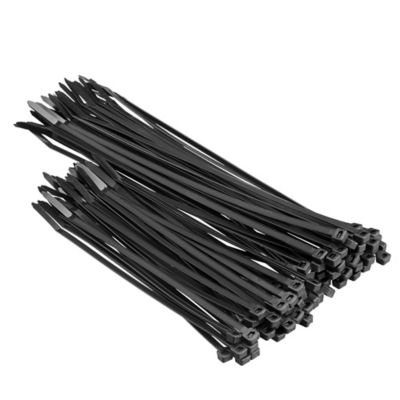
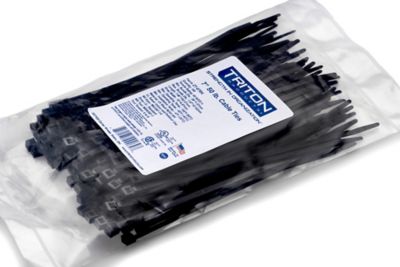
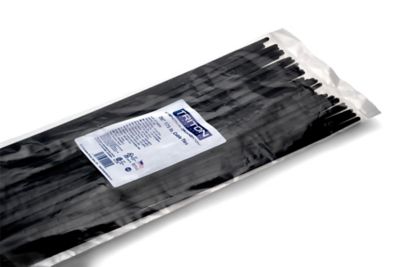
Heavy-duty wire ties, often called cable ties, bring order to thick wire bundles, loose cords, and other materials that need a firm hold around the farm, shop, or garage. Common material choices include nylon and stainless steel, with different lengths, widths, and locking designs suited to different jobs. Many heavy-duty ties have published loop tensile-strength ratings of roughly 120 to 350 pounds or more, but the rating for the individual tie matters more than the heavy-duty label. That number describes performance under specified test conditions; it is not a working-load limit for lifting, towing, or securing cargo. A broad nylon strap can gather a substantial cable bundle, while a stainless steel tie may suit an installation that calls for greater resistance to abrasion or certain chemicals. Nylon 6/6 is a common choice for general cable management because it combines flexibility with strength and has a smooth strap surface. For runs exposed to sunlight, look for a stated UV-resistance designation rather than assuming a black tie has that protection. Stainless steel offers corrosion resistance, though the steel grade, nearby metals, and contact with cleaning agents or other substances still affect suitability. Coated metal ties add a covering between the metal strap and the bundled material, but that covering does not automatically make a tie suitable for every electrical application. Around wiring, the tie should hold the bundle without cutting into insulation, flattening softer coverings, or putting pressure on a connection. Around hoses, it should organize the run without restricting flow or replacing the proper hose clamp. Those distinctions matter beside a workbench, along a utility trailer frame, or inside an equipment compartment. The strongest tie is not necessarily the best fit; a tie with the right material, size, and locking system can make a neater installation without putting unnecessary stress on what it holds.
Length and width both deserve a close look when comparing heavy-duty wire ties. Overall length does not tell the whole story, since part of the strap passes through the locking head and enough tail must remain for proper engagement. The listed maximum bundle diameter is often the more useful measurement for a thick group of cables or a bundle wrapped around a support. A tie that barely reaches can be awkward to fasten, especially in a tight corner behind a cabinet or along a piece of equipment. Extra length gives more room to work, although the remaining tail needs attention so it does not snag clothing or scratch a hand reaching past it. Strap width affects the space a tie occupies, its flexibility around small bends, and the pressure it places on the bundle. Wider ties may spread that pressure over a larger area, but delicate wiring and soft tubing still need a light touch. Locking styles make a difference, too. Many nylon ties have a toothed strap and a ratcheting head for a one-way closure, while some metal ties have a ball-lock mechanism. Releasable designs allow access when a group of cords needs rearranging, provided their stated ratings match the job. Mounting-head ties and compatible cable mounts can provide an attachment point, but the screw, mounting surface, and any adhesive must also suit the installation. A strong strap cannot make up for a loose fastener or a mount attached to a dirty surface. Electrical installations may require particular listings, support methods, or spacing, so the tie is only one part of the setup. Near hinges, shafts, belts, or other moving parts, clearance matters just as much as holding strength. A tidy cable run needs enough room for its intended movement without drooping into a pinch point or pulling tight at a connector. Tightening and cutting tools should match the tie material and width, with attention to a smooth finish wherever hands or animals might reach.
Farm owners, equipment operators, electricians, mechanics, and folks keeping a home workshop in order all have reasons to keep suitable wire ties within reach. One job might call for gathering disconnected tool cords along a storage rack; another might involve organizing a wiring harness at the designated attachment points on a trailer. Projects involving
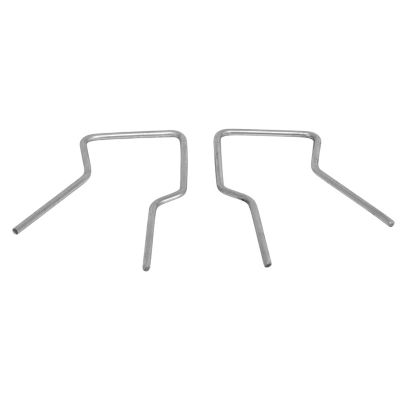
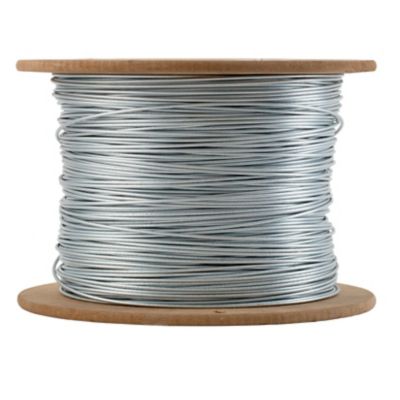
Heavy Duty Wires may also call for ties with enough reach to surround the bundle without straining insulation or crowding connections. Fence-line work deserves a separate distinction: a general-purpose cable tie is not a substitute for specified fence clips, tensioning hardware, structural fasteners, or livestock restraints. Even when the fastening task looks simple, sharp mesh edges, rubbing surfaces, and repeated movement can shorten a tie’s service life. Protective sleeves, suitable edge protection, or a different fastening method may make more sense where contact cannot be avoided. Care starts with storage before a tie ever reaches the job. Keeping ties in their original packaging, away from direct sunlight and substances that could affect the material, helps preserve their condition; nylon ties also benefit from following the manufacturer’s storage directions rather than sitting loose beside a solvent can. Once installed, ties deserve a look during routine equipment checks. Cracks, a damaged locking head, frayed edges, corrosion, or a strap rubbing through its coating are reasons to reassess the fastening point and replace affected ties. A single-use tie belongs in the discard pile after removal rather than back in the toolbox. For ongoing maintenance, having a sensible mix of lengths can be handier than forcing one size onto every task. Smaller bundles do not always need the widest strap, and larger bundles need enough room for the head to engage as intended. Material, bundle capacity, published strength, and the surrounding equipment together determine whether a tie belongs on that job. Matching those details helps keep cords manageable, inspection points accessible, and everyday work areas easier to navigate.