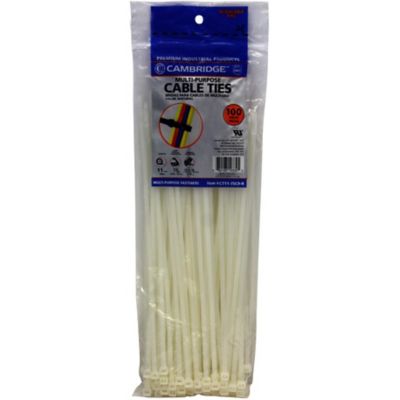
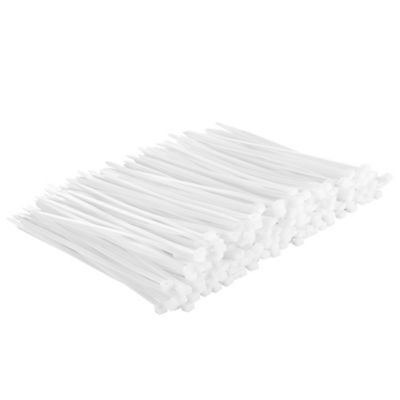
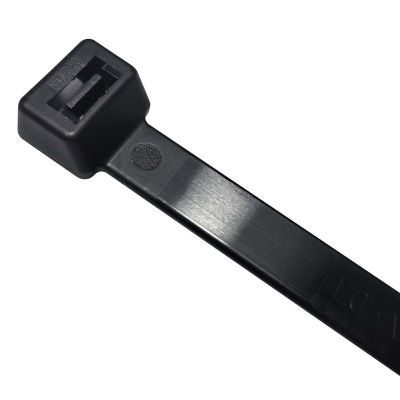
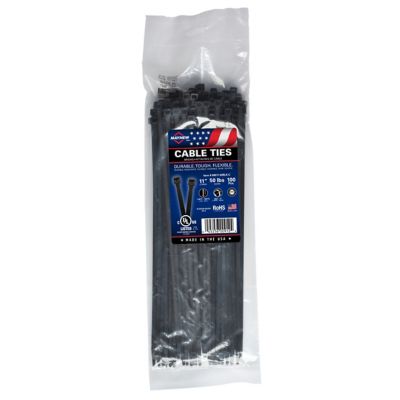
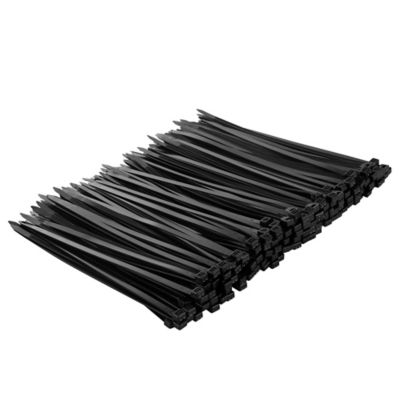
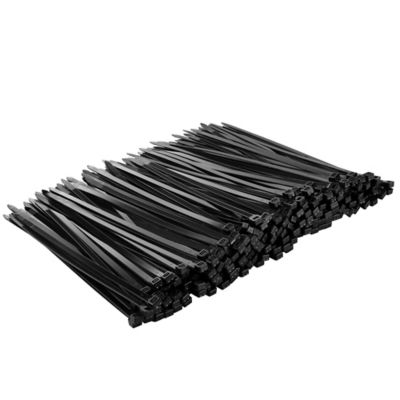
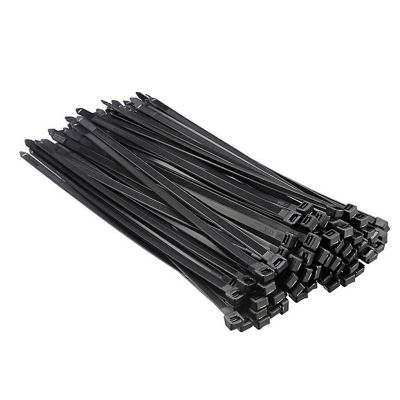
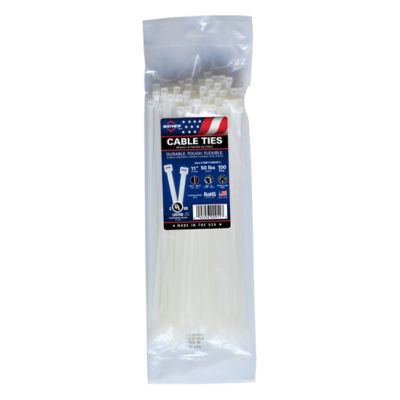
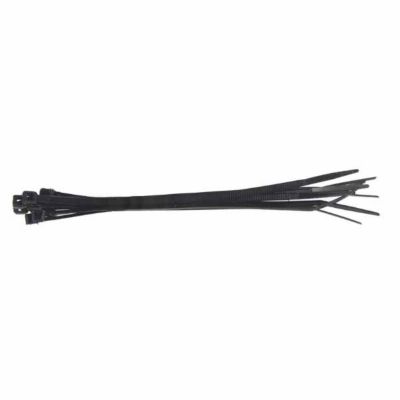
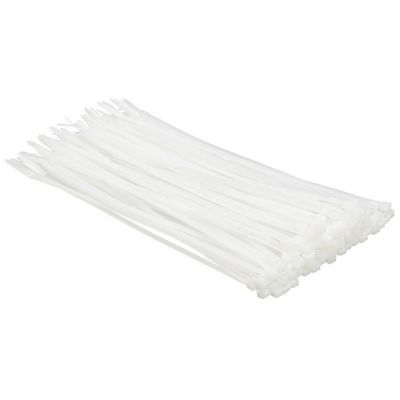
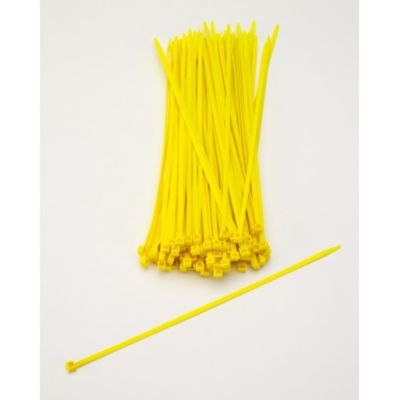
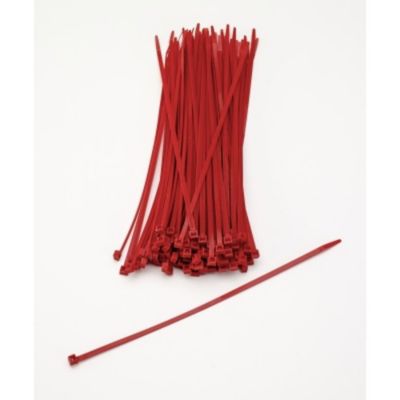
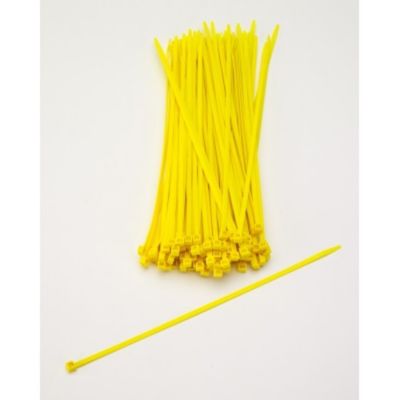
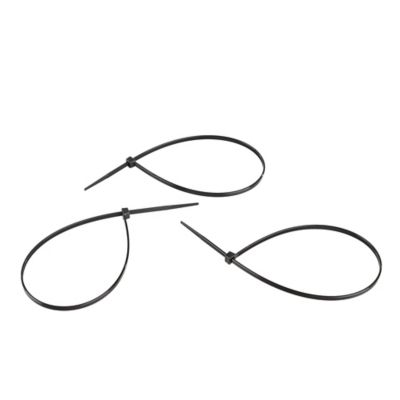
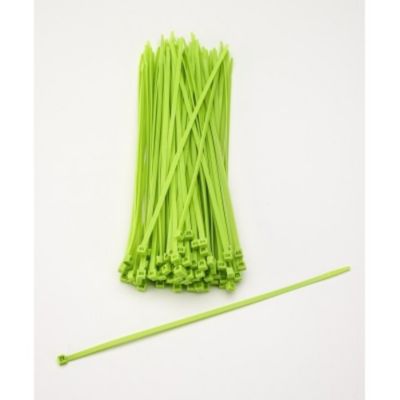
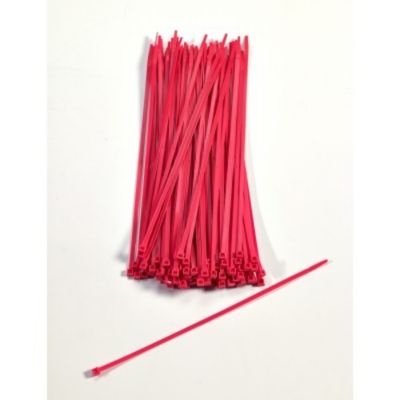
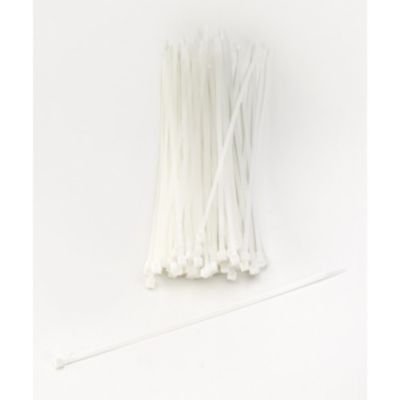
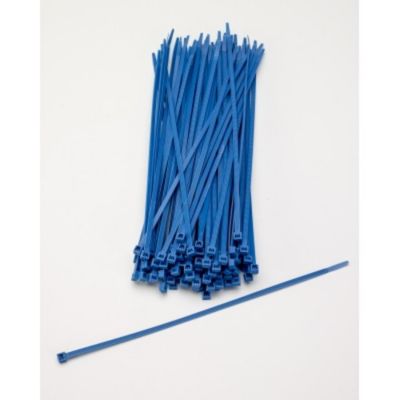
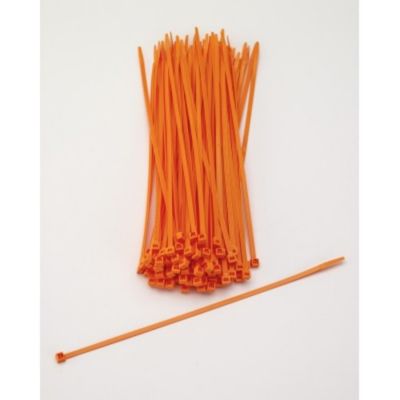
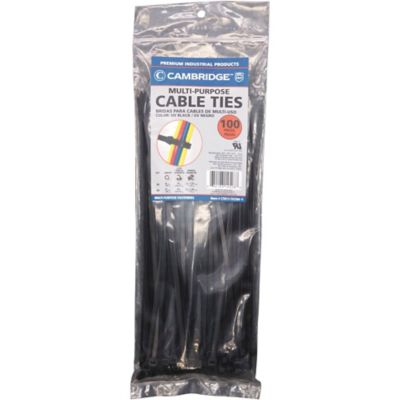
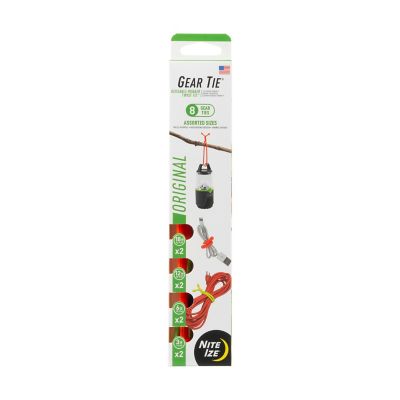
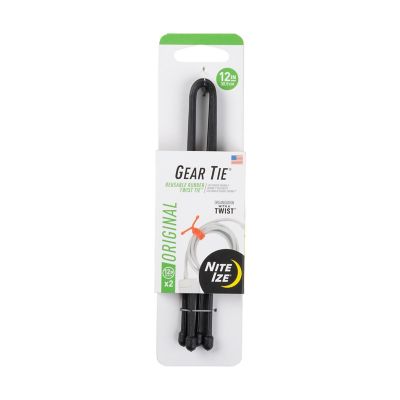
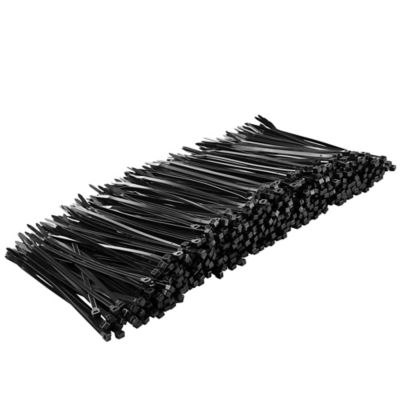
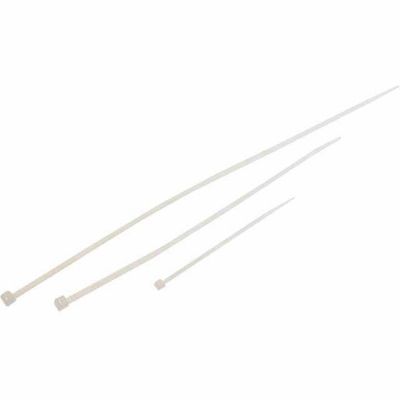
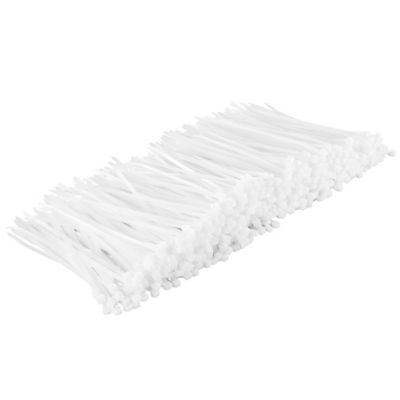
Eleven-inch cable ties are a handy fix for the everyday jobs that tend to pile up around a home, farm, shop, garage, barn, or worksite. Made for bundling and securing, these self-locking nylon fasteners help bring a loose handful of cords, wires, hoses, plant stems, or light-duty materials under control without knots, tape, or complicated hardware. At 11 inches long, they offer more reach than short cable ties and work well for medium-to-large bundles, including extension cords, shop lighting wires, computer cables, small irrigation lines, and equipment wiring. They are also useful for keeping holiday lights, seasonal decorations, and outdoor cords neat as the weather changes. A quick pull through the locking head creates a snug hold, and the extra length can be trimmed away with side cutters or a sharp pair of snips. Many standard ties are made from strong nylon 6/6 and have a tensile strength in the range of 40 to 50 pounds, though actual performance varies by design, temperature, and how the tie is installed. Heavy-duty options may be rated for substantially more weight, with some reaching up to 120 pounds. Cable ties are not a replacement for bolts, wire rope, fencing hardware, or load-bearing fasteners, but they are a simple way to organize, bundle, label, and keep lighter materials from dragging, tangling, or catching on equipment. A few packs can earn their keep quickly in a tool drawer, and they make a practical addition to a housewarming gift, new homeowner kit, workshop starter set, or farm supply box.
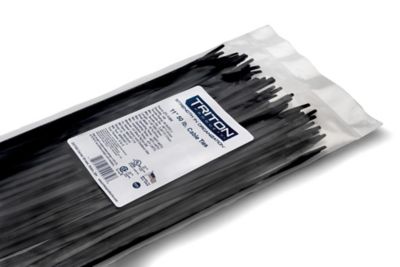
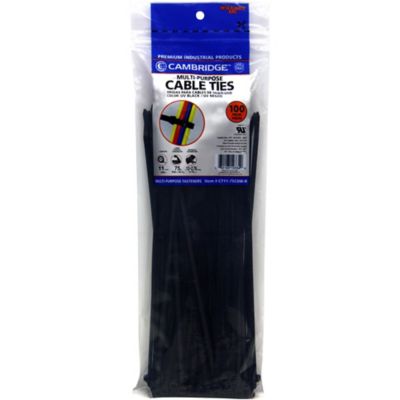
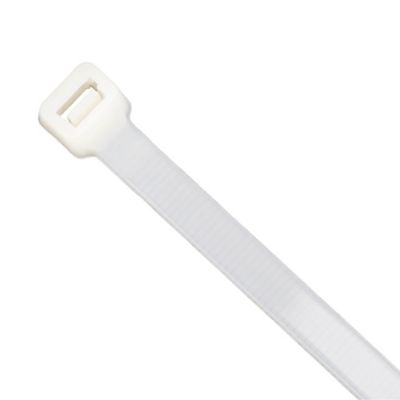
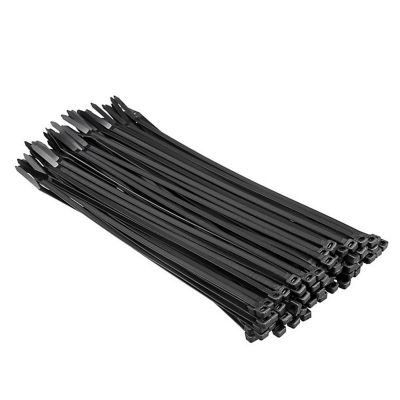
When choosing 11-inch cable ties, start with the material, color, strength rating, and intended location. Natural or white nylon ties are often a good fit for indoor wiring, shop organization, office cords, and areas where a clean appearance matters. Black ties are commonly chosen for outdoor work because they may include additives that help protect the nylon from ultraviolet light. For projects exposed to direct sun, changing temperatures, moisture, or winter weather, look for ties specifically described as UV resistant, such as these
UV Resistant Cable Ties. Regular indoor-grade ties can become brittle after extended exposure to sunlight, so an outdoor-rated option is a smart choice for fence-line cameras, trailer wiring, exterior lighting, garden supports, and other jobs that stay outside. Temperature ratings also deserve a close look. Many nylon cable ties are designed to handle a broad range, sometimes roughly from -40°F to 185°F, but the exact rating depends on the tie and the conditions around it. Cold can make nylon less flexible during installation, while heat, chemicals, and constant tension can affect long-term performance. Match the tie to the job rather than relying on length alone. An 11-inch tie may wrap around a surprisingly large bundle, but it still needs room for the locking head to engage fully. Avoid stretching a tie until the strap is sharply bowed or the head is pulled sideways. For a tidy, dependable bundle, gather the material loosely, leave enough space to avoid pinching cords, then tighten until everything stays in place without crushing insulation or restricting a hose. If the bundle is especially thick, use several ties spaced along its length instead of forcing one tie to do all the work.
Around the farm or property, 11-inch cable ties can help sort extension cords in the barn, keep battery and trailer wires from hanging low, gather netting and landscape fabric for storage, and secure small sections of plant supports or trellis material. In the garage, they can separate air-tool hoses from electrical cords, keep jumper cables coiled, and hold together bundles of seasonal equipment before everything gets tucked away for the cooler months. They are useful for organizing a utility trailer, cleaning up a workbench, or keeping replacement wiring grouped by project. Gardeners may use them to guide vines, tomato plants, or young branches, but ties should be installed with room for growth and checked as the plant gets larger. A loose loop or a soft plant tie may be better for delicate stems, while a cable tie is more appropriate for securing a support structure or bundling materials after cleanup. Indoors, these fasteners can make a noticeable difference behind a television, under a desk, near a battery charger, or around a stock tank pump. Keep them away from moving belts, hot engine parts, sharp edges, and locations where they could rub against livestock or wildlife. Never use a cable tie as a collar, leash, restraint, or substitute for proper animal-handling equipment. For electrical work, turn off power when appropriate and follow local codes and the instructions for the equipment. Having several lengths and strengths on hand makes it easier to handle everything from a small cord bundle to a larger group of shop wires without over-tightening. Whether they are headed for a tool chest, a ranch truck, a garden shed, or a stocking stuffer for someone who enjoys fixing things, 11-inch cable ties are an affordable, compact supply that helps turn loose, unruly materials into safer, cleaner, easier-to-manage bundles.