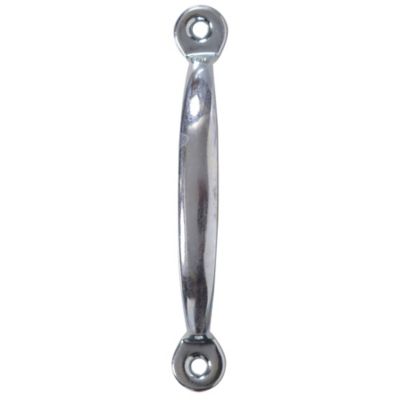
Seven-inch drawer pulls give cabinets and furniture a substantial handhold without letting the hardware take over the whole drawer front. Their longer shape can look right at home on a kitchen drawer filled with cast-iron cookware, a bathroom vanity holding folded towels, or a mudroom cabinet where work gloves and spare keys land at the end of the day. The important distinction is what the seven-inch measurement describes. For a pull with 7-inch center-to-center spacing, the centers of its two mounting holes sit seven inches apart, equivalent to 177.8 millimeters and often rounded to 178 millimeters. Some hardware descriptions instead refer to overall length, which includes any portion extending beyond the mounting posts. Those measurements are not interchangeable, and a pull measuring seven inches end to end will not necessarily fit holes spaced seven inches apart. Likewise, 178-millimeter spacing should not be treated as a match for 180-millimeter spacing. Matching the listed hole spacing to the drawer’s existing holes helps avoid extra drilling and mismatched mounting points. On drawer fronts roughly 18 to 36 inches wide, a seven-inch pull often creates a balanced appearance, though that range is a visual starting point rather than a fit requirement. A broad, flat drawer front can carry a different look than a narrow frame surrounding a recessed panel, even when both drawers measure the same width. The handle’s thickness, shape, and overall length also influence how substantial it looks. Wider drawers may suit a longer handle or two pulls, depending on the cabinet layout and drawer construction. For replacement hardware, the marks beneath the old mounting posts matter, too. A new pull can match the holes yet leave an outline of faded finish or compressed wood showing around its feet. Mounting bases with suitable coverage help keep the finished appearance tidy, especially on cabinets that have seen years of everyday chores.
Material and finish give 7-inch drawer pulls much of their character, but their practical differences matter just as much as their looks. Stainless steel offers corrosion resistance that can suit kitchens, laundry rooms, and other spaces where damp hands are common, although the grade of steel and the surrounding conditions affect its performance. Solid brass has a reassuring weight and can develop a darker patina when left unlacquered; coated brass keeps a more consistent appearance while its protective finish remains intact. Zinc alloy allows for a wide range of shapes and surface finishes, while steel pulls depend on their coating or plating for much of their protection against rust. A metallic color alone does not identify the underlying material, so the material description is more useful than a photograph when comparing construction. Matte black creates a clear outline against pale paint or light wood, brushed nickel offers a softer silver tone, and polished chrome catches more light. Brass tones bring warmth to painted cabinets and darker wood grain. For a farmhouse utility cabinet or a workroom with weathered wood and metal shelving,
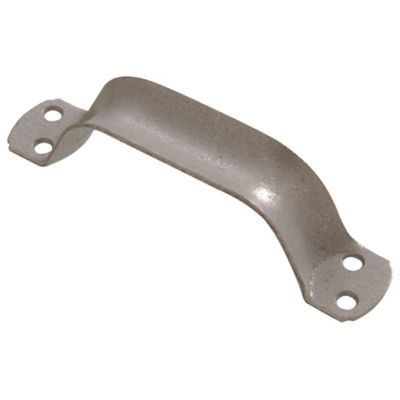
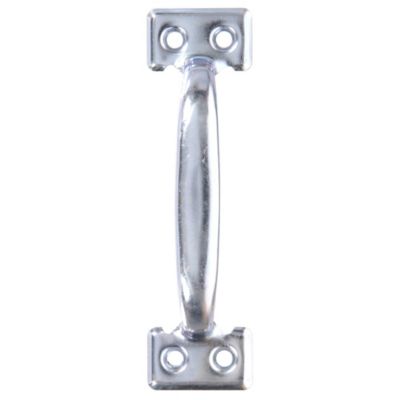
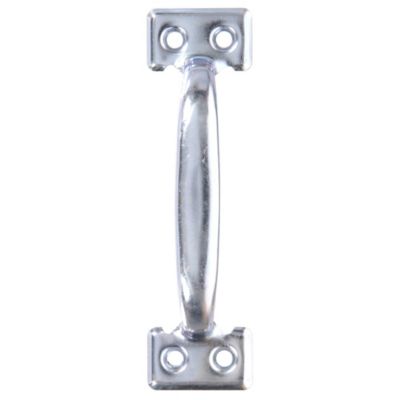
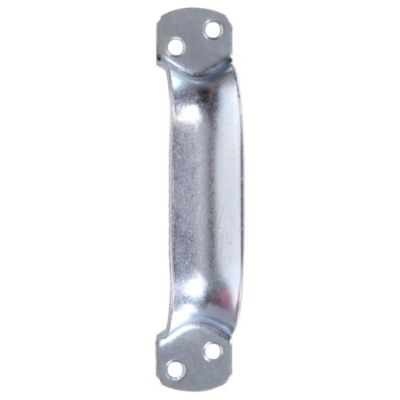
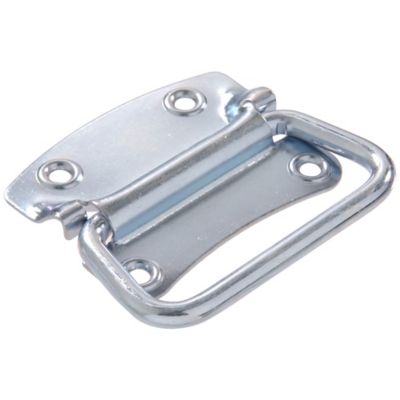
Galvanized Drawer Pulls offer another finish direction to consider, with suitability depending on the individual hardware’s stated application. Shape affects daily handling as well. Smooth bars are straightforward to wipe down after flour-dusted hands reach for a baking drawer, while reeded or knurled surfaces provide texture under the fingers but give dust and grease more places to settle. Rounded ends and handles that return toward the drawer front can be less likely to catch a jacket pocket than bars with projecting tips. Finger clearance deserves equal attention: a pull may look generous from the front but leave little room between the grip and the cabinet face. Adequate clearance and a comfortable grip are especially helpful for larger hands, stiff fingers, or a mudroom drawer opened while wearing light work gloves.
Long-term performance comes from the whole setup, not simply the size of the handle. Seven-inch cabinet pulls need mounting screws with the correct thread and enough engagement to hold firmly without bottoming out inside the posts. Drawer fronts vary in thickness, and a drawer box attached behind a separate front can require a longer screw than a single furniture panel. Included hardware varies, so screw dimensions and the mounting arrangement deserve a look before installation. A firm connection helps prevent rocking that can loosen fasteners or wear the surface around the holes; excessive tightening, on the other hand, can damage threads or dent softer wood. Straight alignment also makes a noticeable difference across a bank of kitchen drawers, where small variations stand out along repeated horizontal lines. On paneled fronts, a flat mounting surface lets both posts sit squarely rather than straddling a raised edge. For busy households, these details matter every time someone reaches for a saucepan, a clean dish towel, or the flashlight tucked beside the back door. Workshop storage brings a different set of demands, with grit, oily fingers, and heavier contents making grip comfort and easy cleaning especially useful. A household cabinet pull should not be assumed suitable for heavy equipment drawers or outdoor exposure unless its specifications support that application. A larger handle also will not correct binding slides or make an overloaded drawer safe to pull. Routine care is generally simple: a soft cloth, mild soap when permitted by the manufacturer, and thorough drying help remove everyday residue without rough treatment. Abrasive pads, harsh cleaners, and prolonged moisture can harm many finishes, particularly around seams and mounting bases. Textured surfaces may benefit from a soft brush that lifts debris without scratching the coating. An occasional check for loose screws helps keep a frequently opened drawer feeling steady. Whether the setting is a hardworking farmhouse kitchen, a guest bathroom, or a bench-side storage cabinet, the best-fitting 7-inch drawer pulls bring together matching hole spacing, comfortable clearance, suitable materials, and a shape that feels natural through the day’s ordinary tasks.