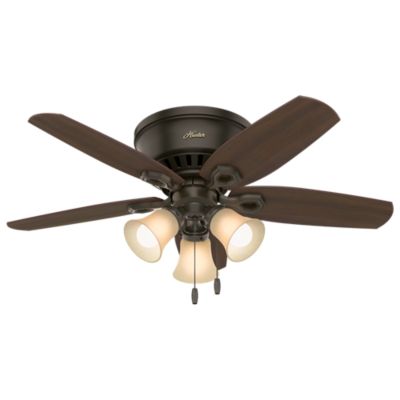
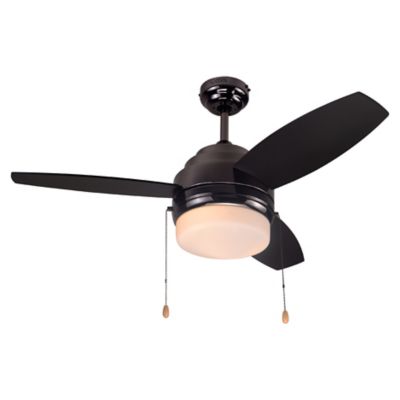
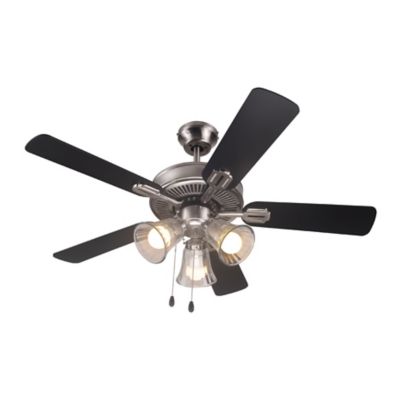
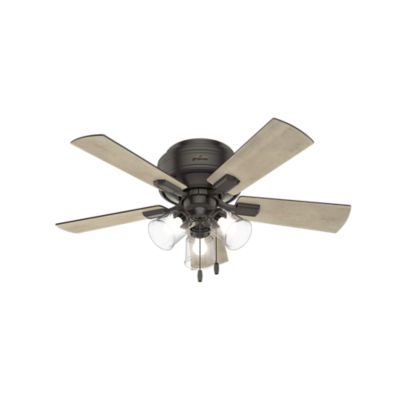
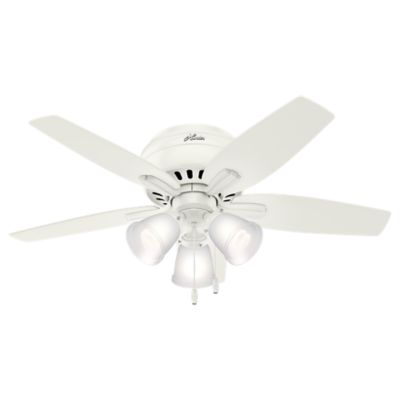
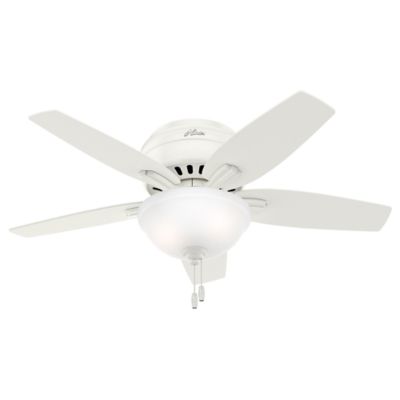
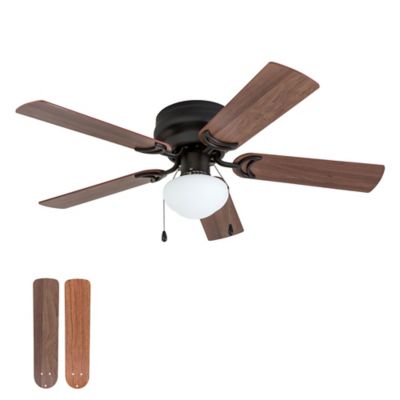
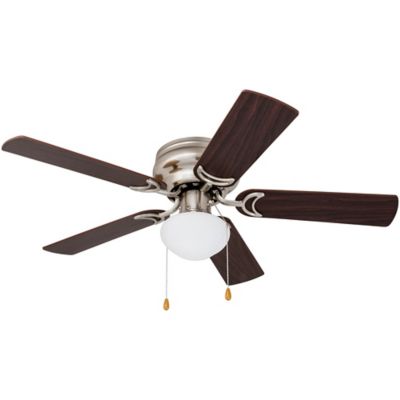
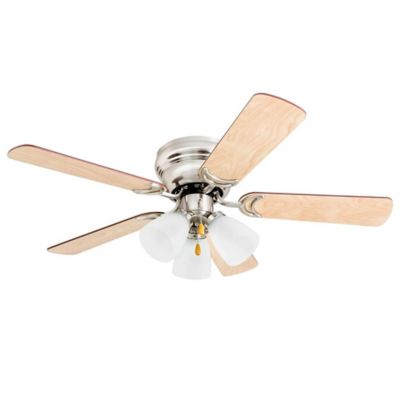
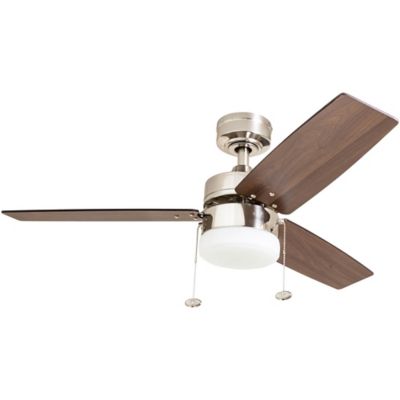
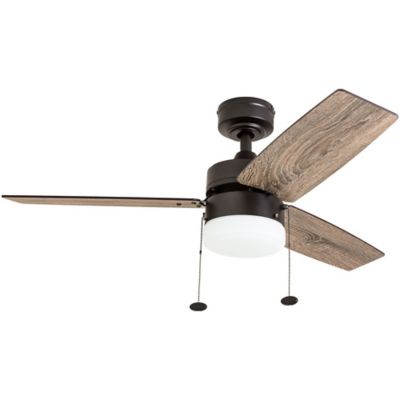
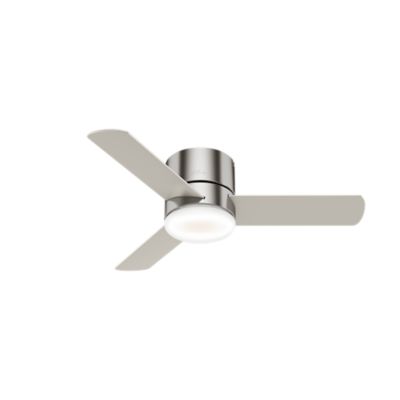
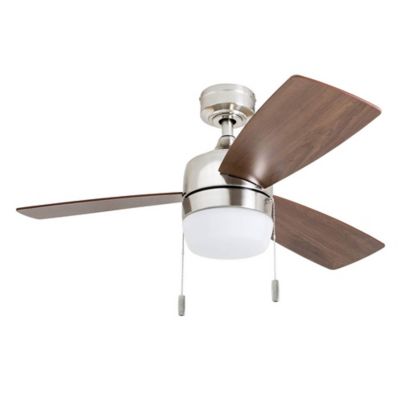
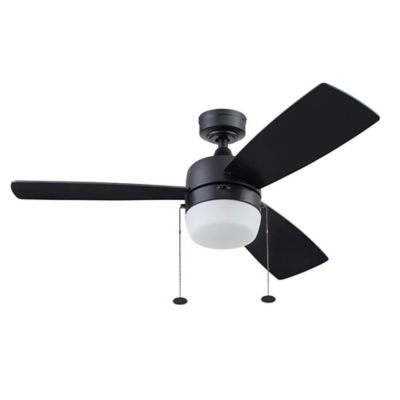
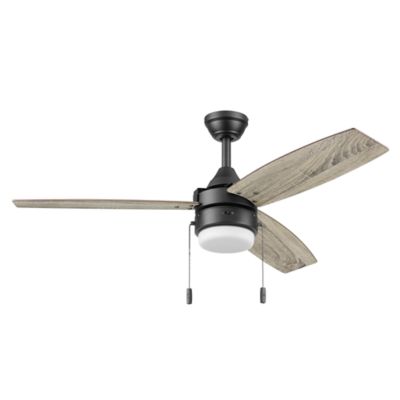
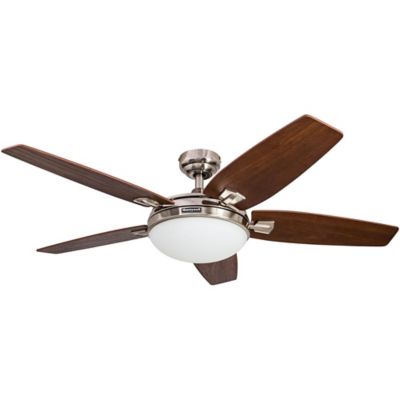
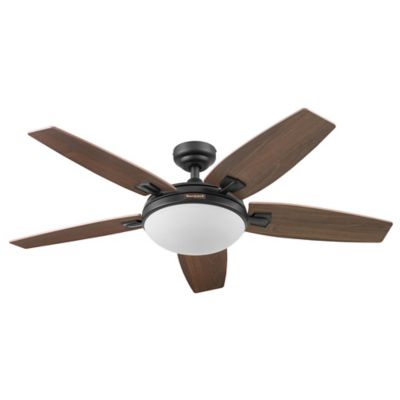
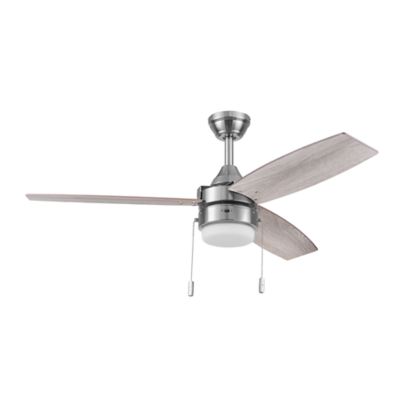
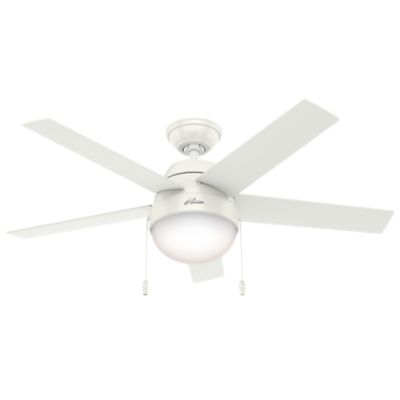
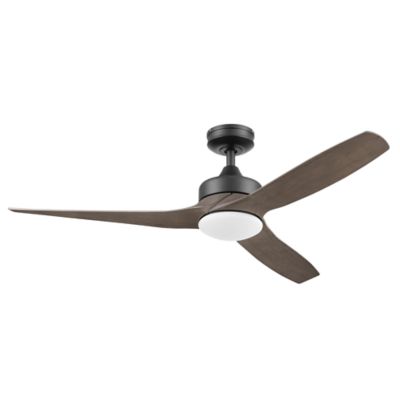
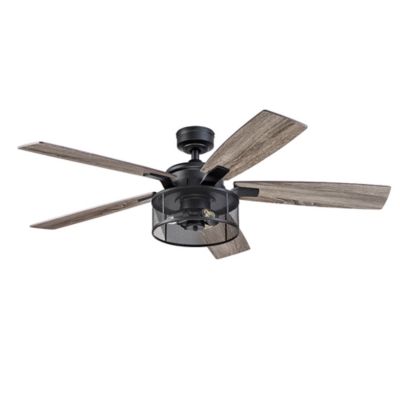
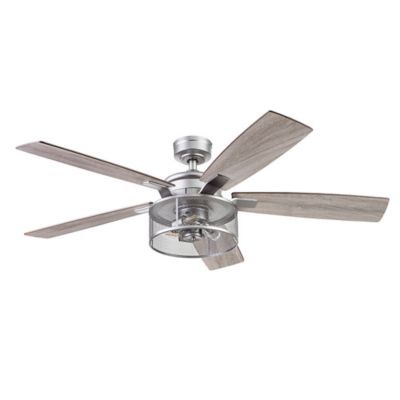
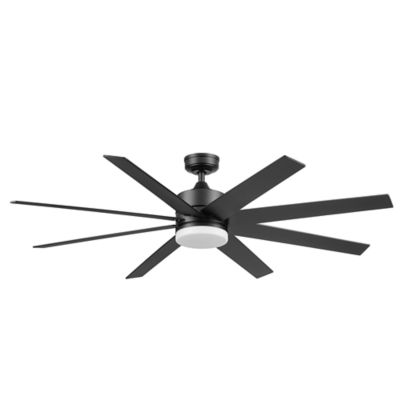
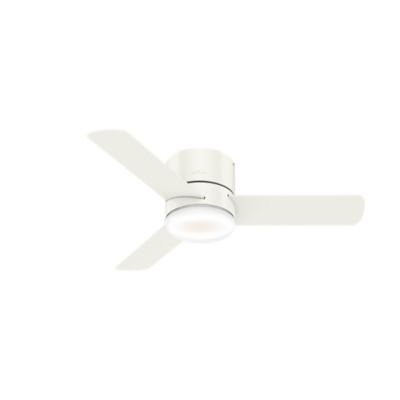
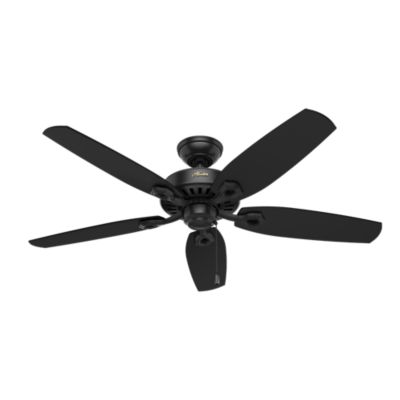
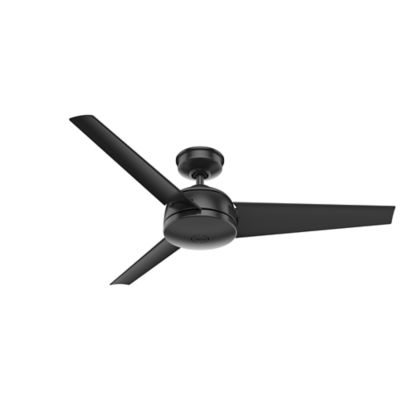
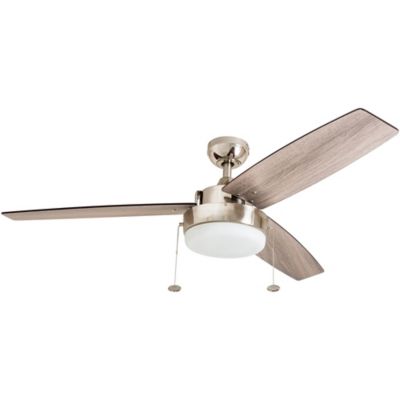
42-inch ceiling fans with lights bring overhead lighting and steady air movement together without taking up floor space. That combination makes sense in a smaller bedroom, a home office off the kitchen, or a breakfast nook where a table and chairs already fill much of the room. The 42-inch measurement refers to the full blade span, not the length of a single blade, so it helps describe how much space the fan occupies overhead. Room shape matters along with square footage: a square bedroom, a narrow mudroom, and an open room with a tucked-away dining area can all call for different placement. A fan centered over the main living area generally feels more balanced than one squeezed close to a wall or tall cabinet. Ceiling height, furniture layout, and the manufacturer’s room-size recommendations help determine whether this blade span fits the space. A smaller fan does not automatically mean less airflow, either; blade shape, motor design, and operating speed all contribute to performance. Airflow ratings in cubic feet per minute provide another useful point of comparison alongside dimensions. Materials and finishes also affect how a fan fits into everyday surroundings. Depending on the design, blades may be made from wood, engineered wood, metal, or molded plastic, with finishes ranging from painted surfaces to wood-grain looks. A darker housing can sit comfortably alongside iron cabinet pulls and a sturdy dining table, while a lighter finish can blend into a painted ceiling and keep a small room from feeling crowded. Blade count changes the overall appearance, but it does not tell the whole story about airflow or sound. For a room that handles everything from folding laundry to settling in with a book, the right balance is a fan that suits the space, provides useful light, and stays out of the way of daily life.
Lighting makes these fans especially practical where a single ceiling connection needs to serve more than one purpose. The fixture might provide general light for finding clothes in a bedroom, sorting mail at the kitchen table, or getting boots and jackets together by the back door. Light output deserves a closer look than wattage alone, since watts describe energy consumption rather than how much light reaches the room. Lumens offer a better measure of brightness, while the shade or diffuser affects how that light spreads. A frosted cover can soften the appearance of the light source, though the overall result still depends on output, fixture design, ceiling height, and nearby surfaces. Light color matters, too. A softer white can suit a bedroom or sitting area, while a more neutral white may feel better in a room where reading, paperwork, or sorting household supplies happens regularly. Some designs offer selectable light color, dimming, or both, but those features vary and should match the intended controls. Fans with integrated LED lighting and those with replaceable bulbs have different maintenance considerations, including access to replacement parts and the type of lamp the fixture accepts. Even a bright ceiling fixture may benefit from a reading lamp beside a chair or focused lighting over a work surface. Fan controls are another part of the everyday fit. Pull chains offer straightforward operation when they are within comfortable reach; a remote or compatible wall control can make adjustments easier from a desk or bedside. Independent control of the light and fan lets the room stay illuminated without running the blades, or keeps air moving with the light off. Motor type, speed settings, and published sound information can help narrow the choice for quieter spaces. Bedrooms and home offices often benefit from gentle low-speed operation, while a multipurpose room may need a broader range of airflow settings. Smooth performance also depends on proper mounting, balanced blades, and secure connections—not just the motor itself.
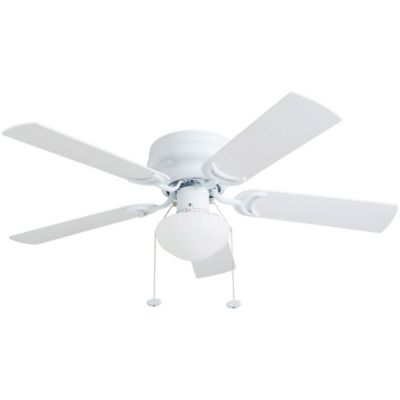
Mounting style is worth considering before a fan becomes part of the room. A downrod can position the blades farther below the ceiling, while a close-to-ceiling design keeps the assembly tucked higher. For spaces where hanging depth is a concern,
low profile ceiling fans with lighting offer another mounting style to consider alongside the required clearances. Many installation instructions call for at least 7 feet between the floor and the blades and at least 18 inches between blade tips and walls, but the requirements for the particular fan and local building rules govern the installation. The light housing may extend below the blades, so total fixture height matters as well. A sloped ceiling can require a compatible mounting system, and an existing light-fixture box is not necessarily rated to support a ceiling fan. A fan-rated electrical box and proper structural support are essential; a qualified electrician can handle wiring or mounting questions when the setup is uncertain. Location ratings matter just as much as dimensions. An indoor room, a covered porch, and a space exposed to water do not place the same demands on a fixture, so dry, damp, and wet ratings should match the actual installation. A roof overhead alone does not establish that a fan is suitable for a porch. Once installed, regular attention helps keep the fan looking tidy and running smoothly. Dust can collect along blade edges and around the light cover, especially near frequently opened doors or in rooms with pets. With power switched off, a soft cloth and the cleaning method specified by the manufacturer help protect finishes; abrasive cleaners or excess moisture can damage some surfaces. Loose hardware, blade wobble, or a new clicking sound deserve attention rather than being ignored. Access to compatible replacement globes, blades, remotes, and lighting components can also matter over the life of the fixture. For households furnishing a smaller room or updating an everyday gathering spot, a well-fitted fan with lighting can become a useful part of the space without crowding it.