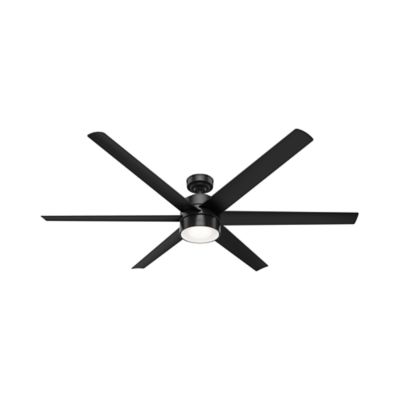
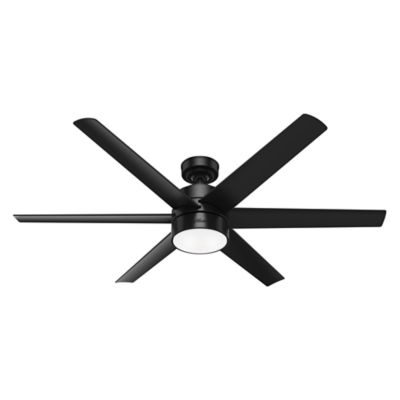
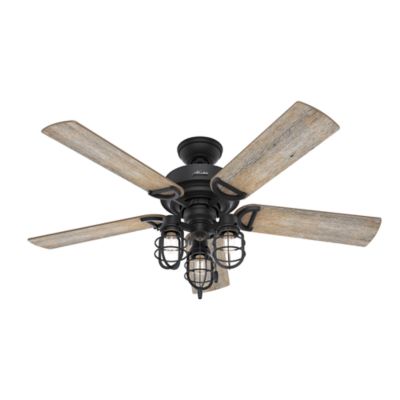
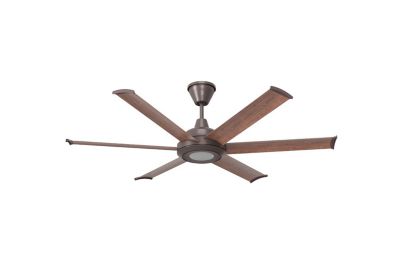
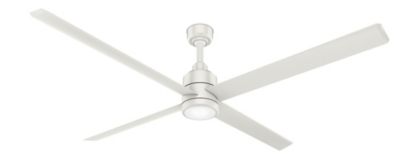
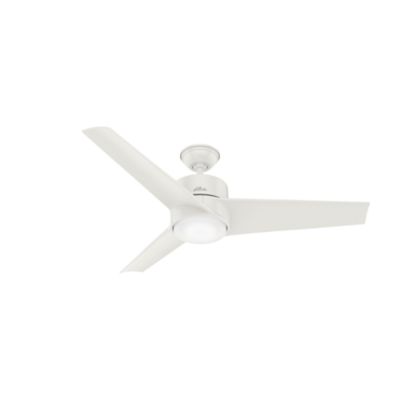
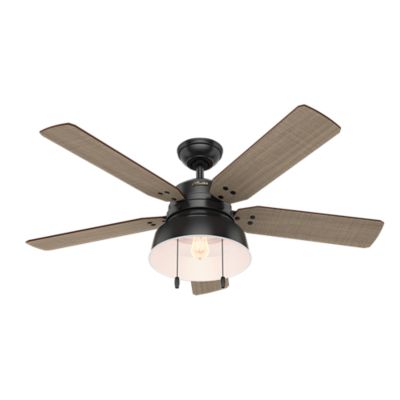
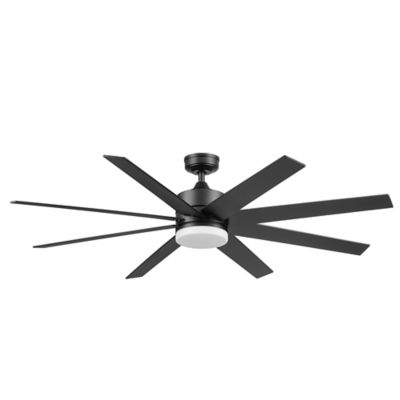
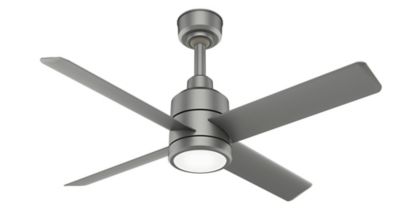
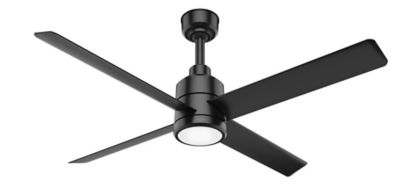
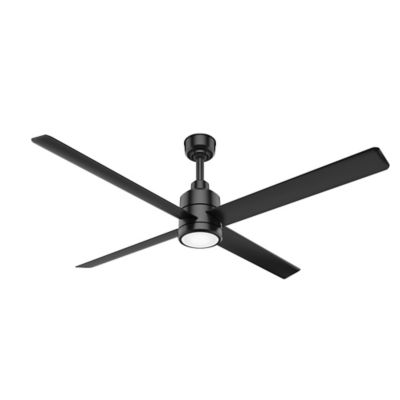
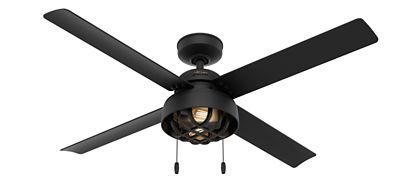
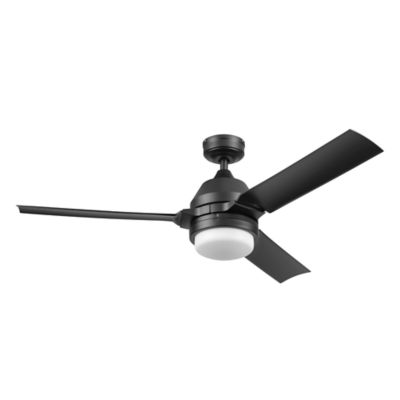
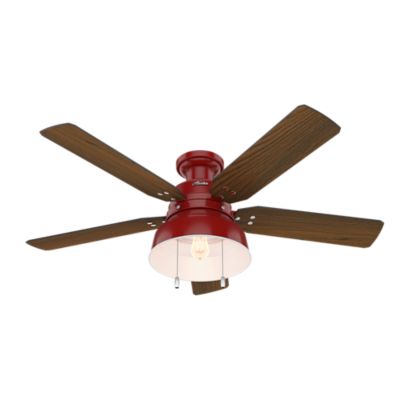
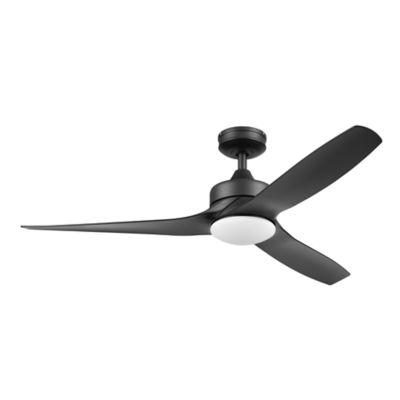
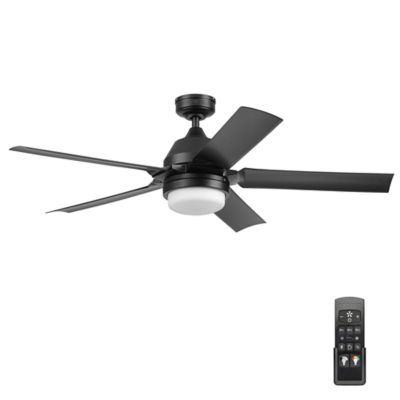
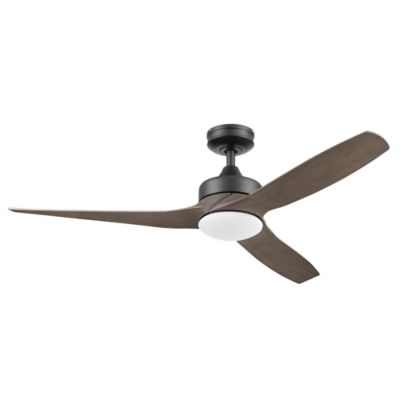
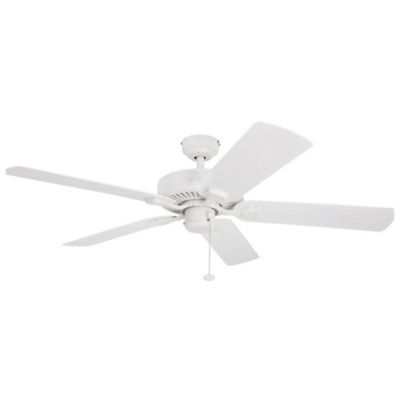
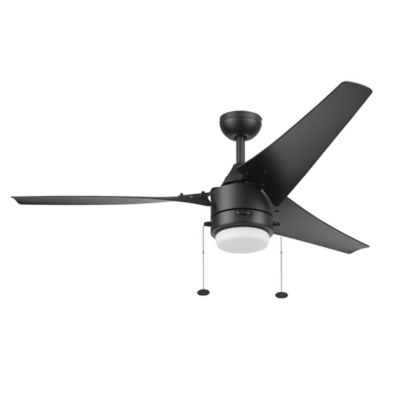
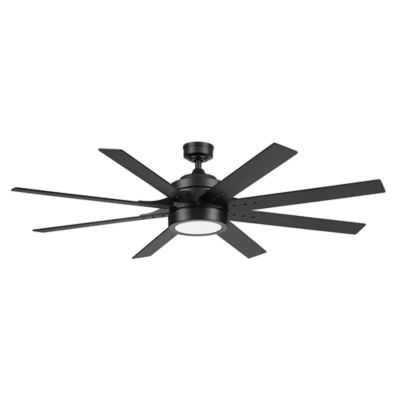
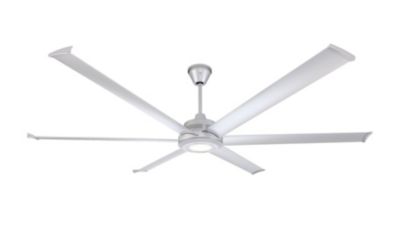
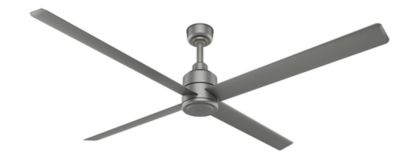
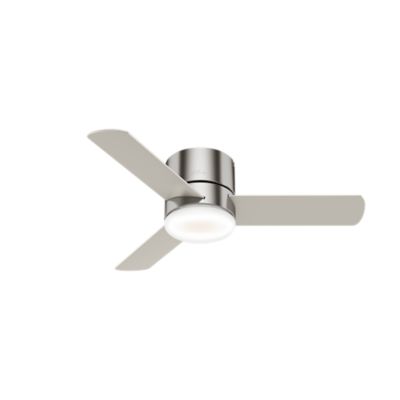
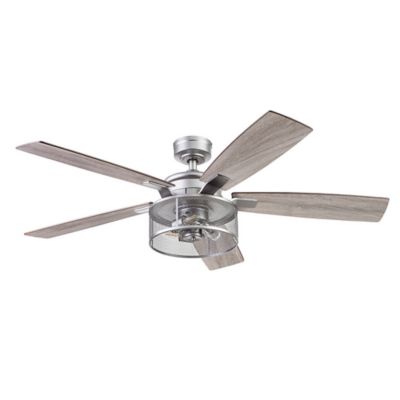
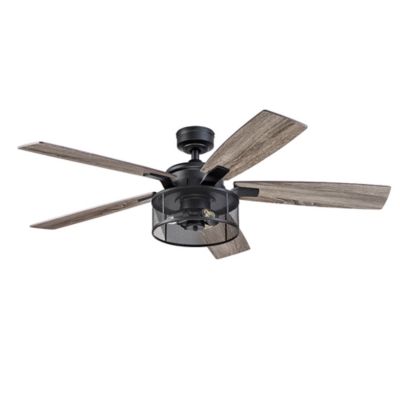
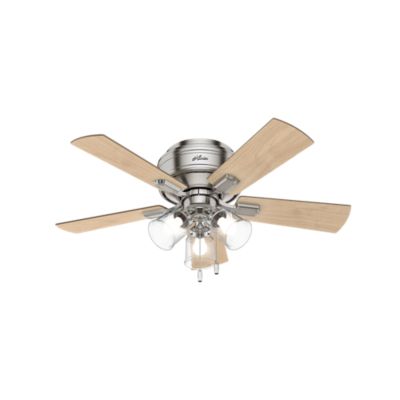
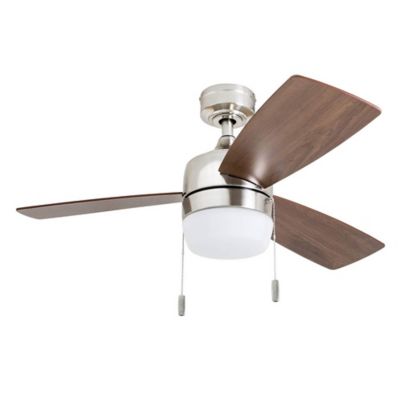
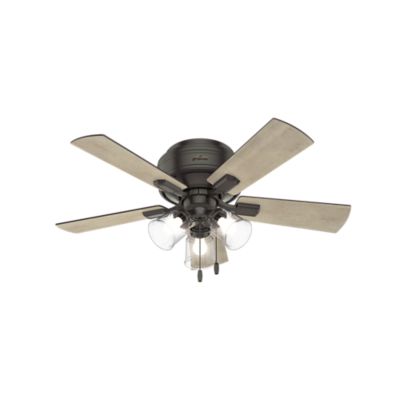
Indoor outdoor ceiling fans with lights bring air movement and overhead lighting together in one fixture, making them a practical fit for living rooms, enclosed sunrooms, screened porches and covered patios. They help keep gathering spaces comfortable without taking up floor space, leaving room for a farmhouse table, porch chairs or a clear path between the house and backyard. The important distinction is the fan’s location rating: a dry-rated ceiling fan belongs indoors in a dry space, a damp-rated fan can handle moisture in a sheltered location without direct water exposure, and a wet-rated fan is built for locations where water may reach the fixture, subject to its installation requirements. A roof overhead does not automatically make every porch suitable for a damp-rated fan; moisture exposure at the mounting spot matters, too. Outdoor-rated fans can also work indoors when their electrical and mounting requirements match the space, which can help carry the same look from a family room to an adjoining porch. Materials play a big part in that flexibility. Molded ABS plastic blades and other outdoor-rated blade materials resist moisture-related swelling better than blade materials intended only for dry rooms. Metal housings with corrosion-resistant finishes help protect exposed surfaces, although homes near saltwater need particular attention to the manufacturer’s coastal-use recommendations. Blade material alone does not establish an outdoor rating; the motor housing, light assembly and electrical components must also suit the location. Matte finishes, simple blade shapes and enclosed light shades fit easily alongside painted siding, wood ceilings and everyday household furnishings. For a busy household, the appeal is straightforward: light over the seating area, steady air movement and fewer separate fixtures overhead. A fan above a porch conversation area serves a different purpose from one centered in a large indoor gathering room, but both benefit from a design that feels at home in the space and has the right rating for the job.
Size and mounting style shape how well an indoor outdoor ceiling fan with lights fits its surroundings. Blade span is the diameter of the circle the blades sweep, not the length of a single blade, and it should be considered alongside room dimensions, ceiling height and the area where people actually sit. A broad porch may call for a larger fan or more than one properly spaced fixture, while a compact breakfast nook needs a size that leaves plenty of clearance from walls, cabinets and doors. Manufacturer coverage recommendations offer a better starting point than judging size from a photo. Airflow ratings, expressed in cubic feet per minute, or CFM, help show how much air a fan moves at a stated speed; efficiency ratings in CFM per watt show that airflow relative to electrical power consumption. Comparing figures at similar speeds makes those details more meaningful. Blade count alone does not determine airflow, since motor performance, blade pitch and overall design work together. Ceiling height also affects mounting. Many installations aim for blades about 8 to 9 feet above the floor, with at least 7 feet of floor clearance and commonly at least 18 inches between blade tips and walls, while the manufacturer’s directions and local code govern the final placement. For rooms where overhead space is limited,
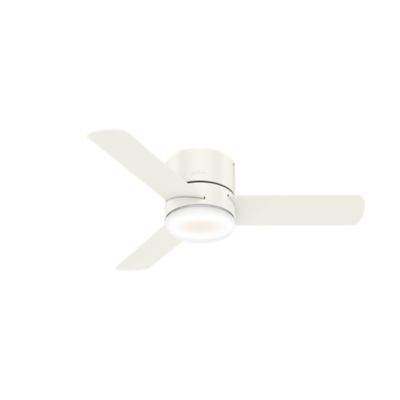
Low Profile Ceiling Fans With Lighting offer a related mounting style worth considering, provided the full fixture meets clearance requirements. Higher ceilings may need a compatible downrod, and sloped ceilings may require an approved angled mounting adapter. The light housing hangs below the blades on many designs, so its lowest point deserves attention over walking paths. A fan-rated electrical box and proper structural support are essential because a ceiling fan puts moving weight on its mounting point. A qualified electrician can confirm support, wiring and control compatibility, especially when replacing a light fixture that never supported a fan.
Lighting and controls make the difference between a fixture that simply fills a ceiling spot and one that suits everyday routines. A porch where folks share supper needs useful light across the table, while a sitting room may benefit from a softer glow for conversation and brighter output for reading. Lumens describe light output, making them more helpful than wattage alone when comparing brightness. Shade shape and lens material affect how that light spreads: a frosted lens softens the view of the light source, while a deeply enclosed housing may direct more light downward. Integrated LED light kits combine the light source with the fixture and typically consume less electricity than comparable incandescent lighting. Fixtures with replaceable bulbs offer another approach, allowing bulb changes within the socket type, wattage limits and enclosure requirements specified by the manufacturer. With integrated lighting, checking whether the LED module can be replaced helps clarify long-term maintenance. Dimming is convenient over a dining table or seating area, but the light, receiver and wall control must support the same dimming arrangement. A standard light dimmer should not control the fan motor. Pull chains keep operation straightforward when they are within easy reach; handheld remotes make adjustments easier from a chair, and compatible wall controls give the household a fixed place to change settings. Some designs offer separate fan and light operation, multiple speeds, reversible motors or connected controls, though each feature depends on the fixture. DC motors often provide several speed settings with lower power consumption, while actual sound levels and efficiency depend on the whole assembly. Care is generally simple: turn off power before cleaning, follow the manufacturer’s directions and remove dust with a soft cloth rather than soaking the motor housing or light assembly. Outdoor ratings do not make every fan suitable for a hose-down. Periodic checks for loose hardware, blade damage and changes in balance help keep operation smooth. With suitable materials, sensible clearance and lighting that matches the room, these fans earn their place above everyday spaces, from the family card table to the chairs where everyone settles after chores.