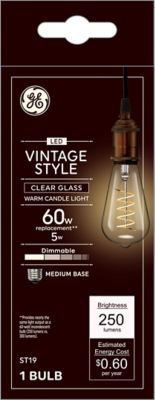
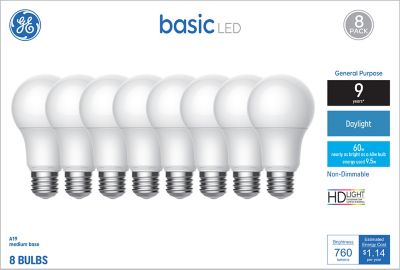
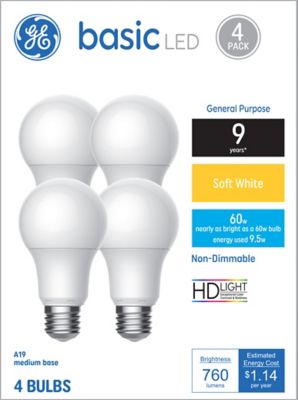
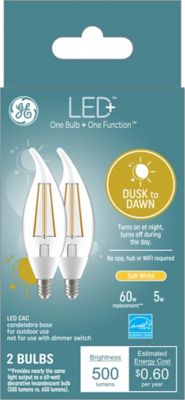
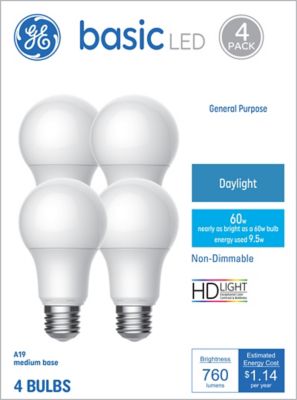
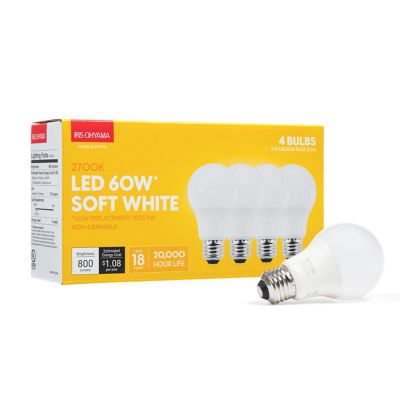
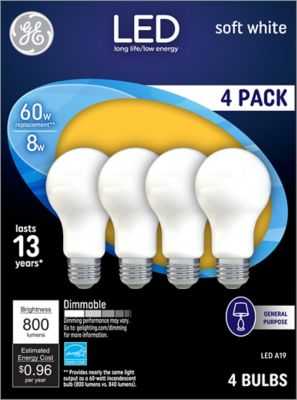
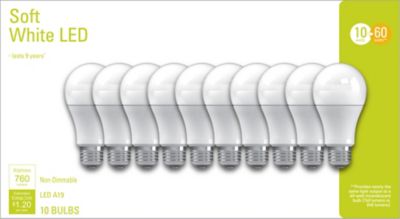
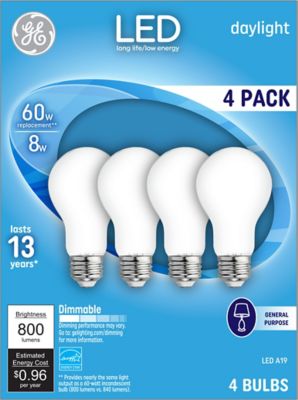
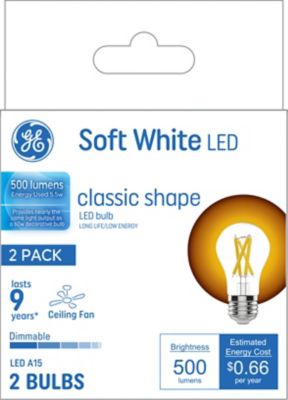
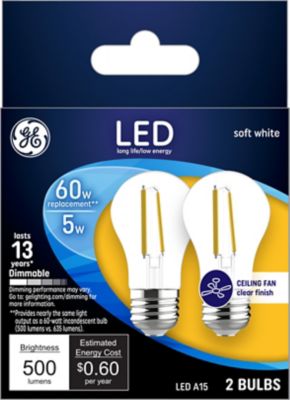
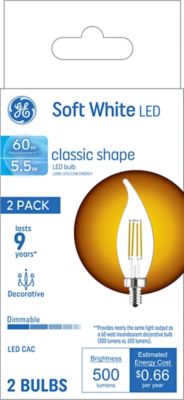
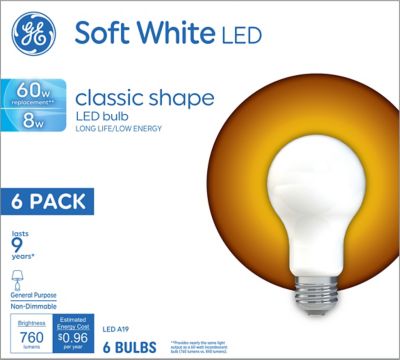
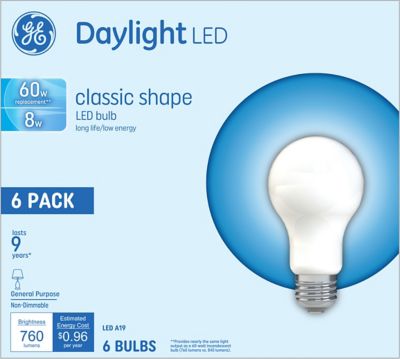
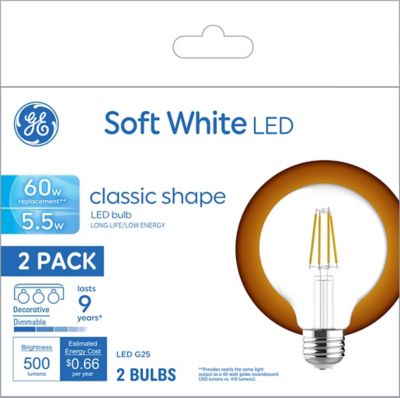
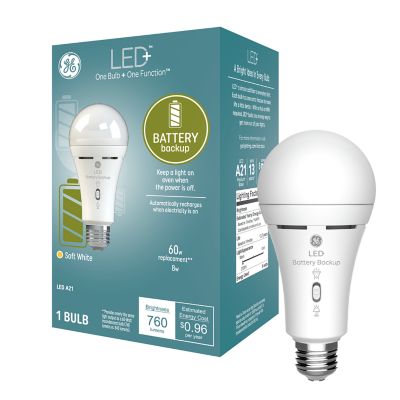
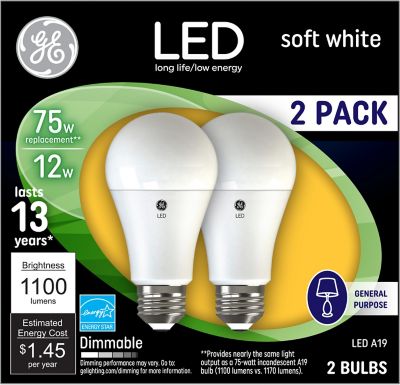
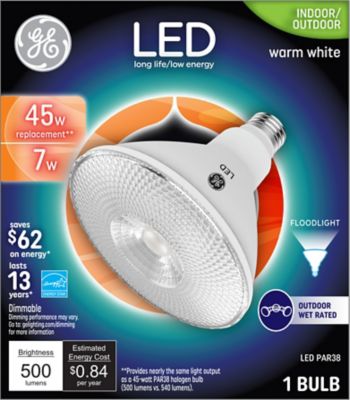
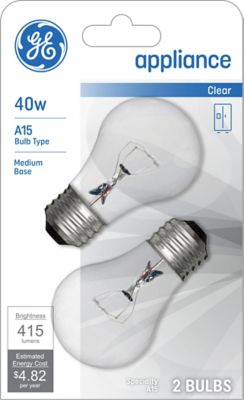
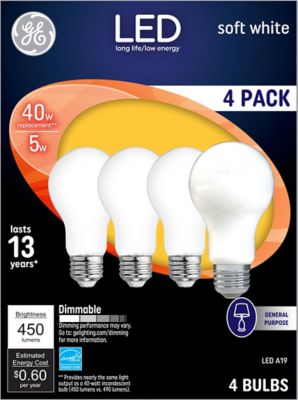
When you’re shopping for 60 Watt Lamps, it helps to look beyond the wattage printed on the package. A traditional 60-watt incandescent bulb produces about 800 lumens, a familiar level of light for reading, everyday chores, bedside tables, hallways and general room lighting. Today, many LED lamps are labeled “60-watt equivalent,” which means they provide a similar amount of light while using only about 9 to 10 watts of electricity. That lower power draw can be handy in a busy home, workshop, barn office or guest room where lights stay on for long stretches. It also makes LED options a practical choice for fixtures with lower wattage limits, though the fixture’s safety label should always be checked before installation. A standard household lamp commonly uses an E26 medium base, but not every socket is the same, so compare the base size and shape with the fixture you have on hand. A quick look at the old bulb or the socket label can save a trip back to the store, especially when you’re replacing a light in a hard-to-reach ceiling fixture or a favorite table lamp that has been part of the household for years. For more lighting choices around the house, shop
Electric Lamps and look for a size, style and light output that fit the space.
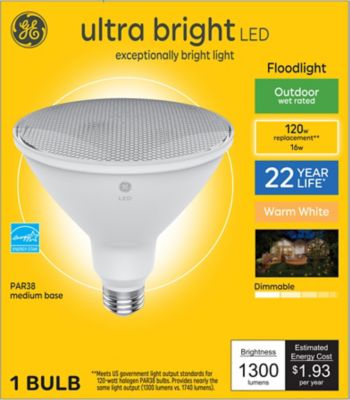
Light color makes a real difference in how a room feels. Soft white bulbs, often listed around 2700K, cast a warm, mellow glow that works well in bedrooms, living rooms, porches and lamps beside a well-worn recliner. This is the kind of light that settles nicely over a book, a quilt project or a late supper without making the room feel harsh. For kitchens, mudrooms, craft areas, home offices and workbenches, a brighter color temperature may make it easier to see details. Daylight bulbs, often listed around 5000K, provide a crisp, cooler appearance that can help tools, paperwork and small parts stand out. Neutral or cool white options fall between those two looks and can be a good fit for multipurpose rooms. Brightness matters, too: lumens tell you how much light the lamp gives off, while watts tell you how much energy a traditional bulb uses. A 60-watt equivalent LED can deliver roughly 800 lumens without actually pulling 60 watts from the socket. If you use a dimmer switch, choose a bulb marked dimmable and make sure the switch is compatible with the bulb type. Otherwise, the light may flicker, buzz or fail to dim smoothly. For enclosed fixtures, damp locations or outdoor lanterns, check the package for the proper rating instead of assuming any household bulb will work. Outdoor-rated options are better suited to covered entries, sheds and porch lights exposed to moisture, while bulbs intended only for dry indoor locations should stay inside.
These lamps fit plenty of everyday routines and can make a useful, easy-to-wrap gift for someone settling into a new home, fixing up a workshop or refreshing a guest room. A small collection of warm, 60-watt equivalent bulbs is practical for a college student’s desk lamp, a new homeowner’s first tool-and-household supply shelf or a family member who is replacing older bulbs throughout the house. They are also handy to keep in a utility drawer for the evening when a hallway light goes out or a porch bulb burns out before company arrives. During the cooler months, dependable lighting becomes especially welcome as daylight fades earlier and more time is spent indoors. A reading lamp near the sofa, a bright bulb over the kitchen table or a clear light above a workbench can make ordinary tasks easier and more comfortable. In farm and country homes, it is worth keeping the intended location in mind: a lamp in a dry bedroom has different needs from a fixture in a dusty shop, tack room or covered outdoor area. Always turn off the power before changing a bulb, allow a hot incandescent bulb to cool, and never exceed the maximum wattage listed on the fixture. Even when an LED uses less electricity, match the lamp’s recommended size and base, seat the bulb fully without forcing it, and replace cracked or damaged sockets. With the right brightness, color temperature, base and location rating, 60 Watt Lamps can provide steady light for quiet mornings, evening chores, weekend projects and all the little jobs that keep a home running.