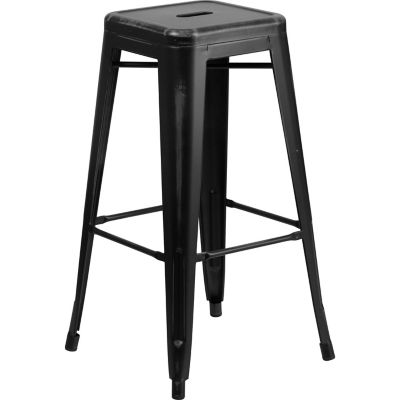
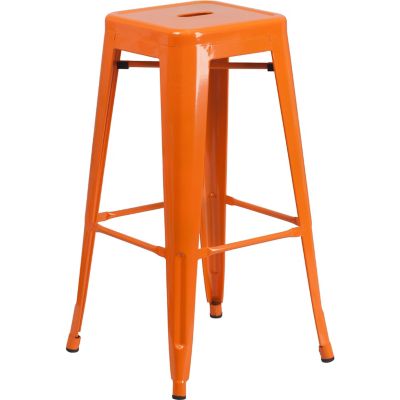
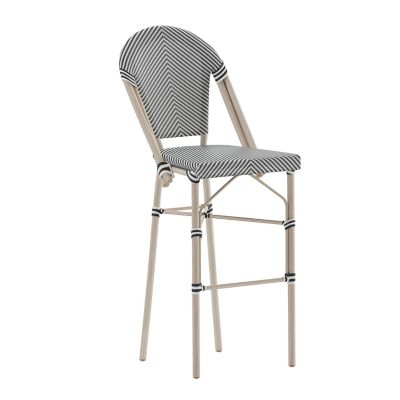
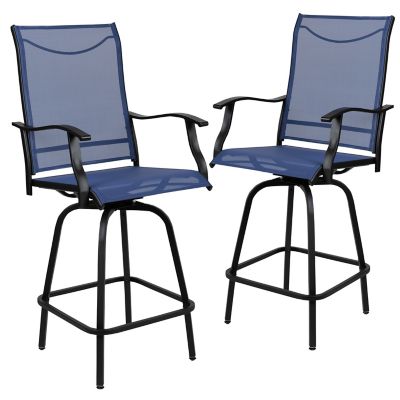
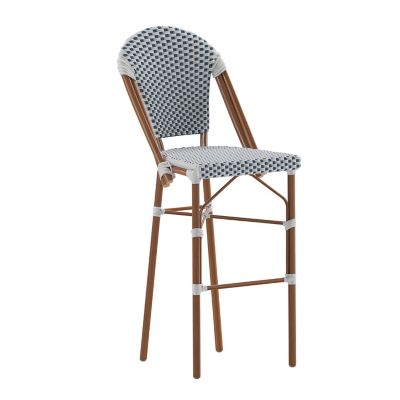
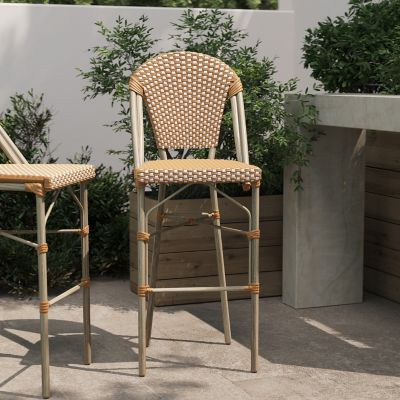
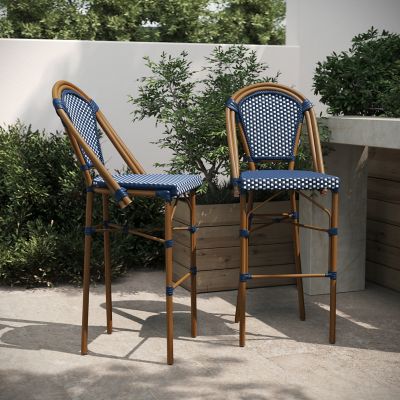
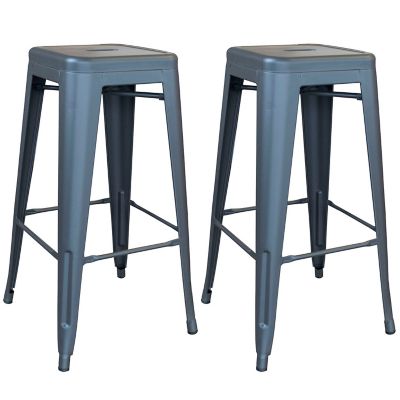
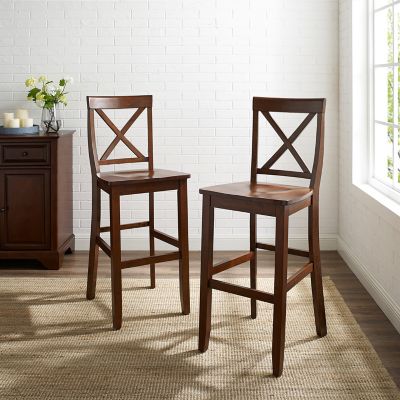
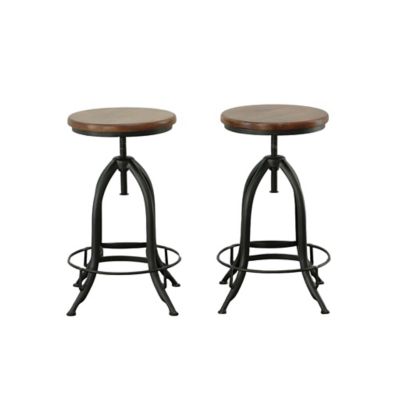
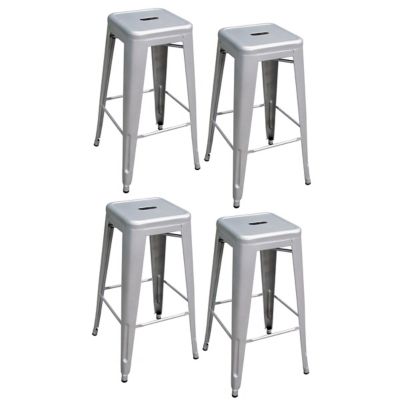
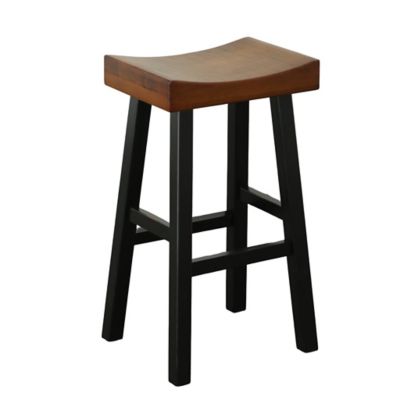
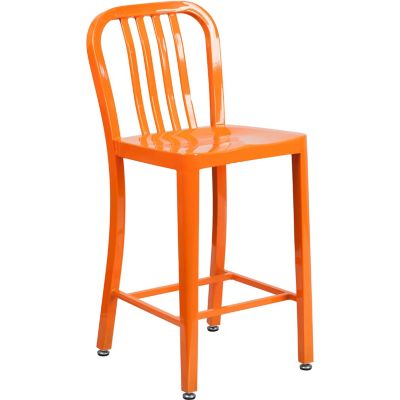
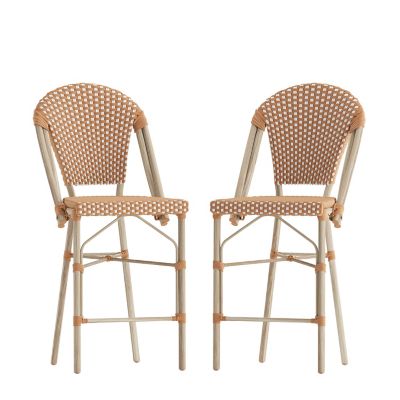
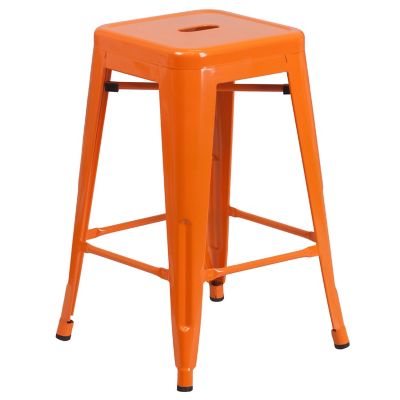
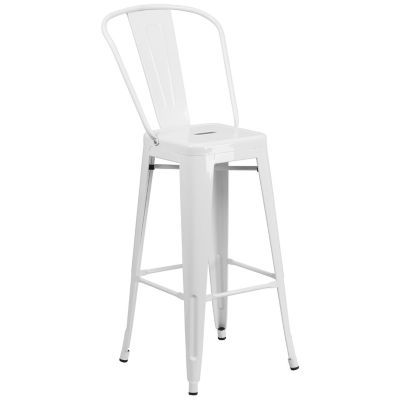
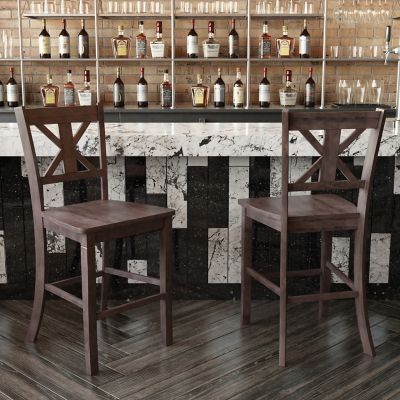
30-inch bar stools have seats about 30 inches off the floor and generally suit bars or high counters measuring 40 to 43 inches tall. That taller seat brings people closer to the surface for eating, visiting, or setting down a cup of coffee before chores. Seat height is measured from the floor to the top of the seat, not to the top of the backrest, so a stool’s overall height can be quite a bit taller than 30 inches. The right fit depends on more than the height of the counter, though. Countertop thickness, support brackets, and an apron beneath the edge can all take away knee room. Around 10 to 12 inches of clearance between the seat and the underside of the counter is a helpful starting point, with enough room to sit naturally without pressing thighs against the edge. For standard kitchen counters around 34 to 36 inches tall,
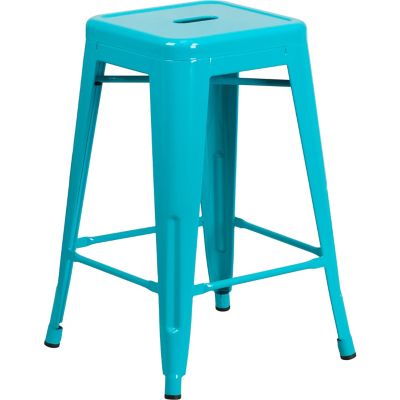
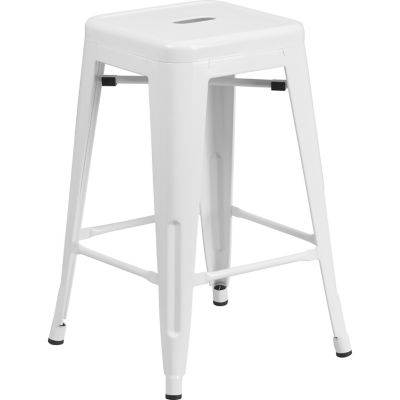
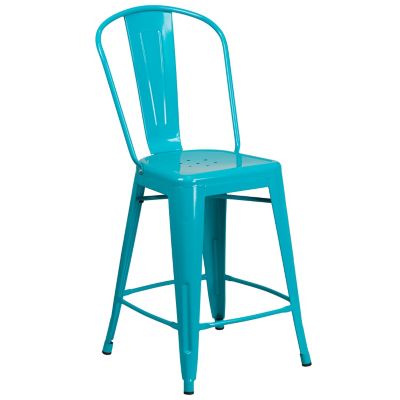
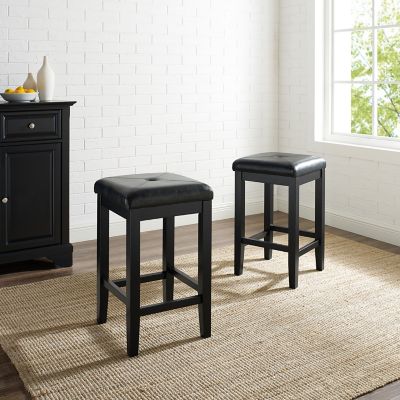
24 Inch Counter Height Stools are generally a better match than bar-height seating. Along a higher breakfast bar or gathering table, spacing matters just as much as height. Allow roughly 24 to 30 inches of counter length per person, adjusting for the actual seat width and leaving more space for arms or a broad backrest. About 6 inches between seat edges helps keep elbows from bumping during a meal. A stool also needs room behind it so someone can step away without blocking a doorway or crowding the next seat. Backless designs can tuck beneath an overhang when their dimensions allow, while stools with backs stay more visible in the room. Measuring the full footprint, rather than just the seat, helps show how a row of stools will fit beside a kitchen walkway, home bar, or tall dining table. A cardboard outline on the floor can make that footprint easier to picture before settling on a size.
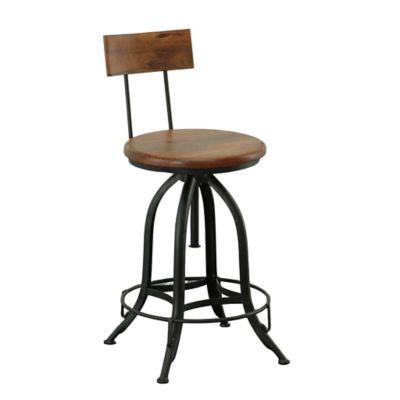
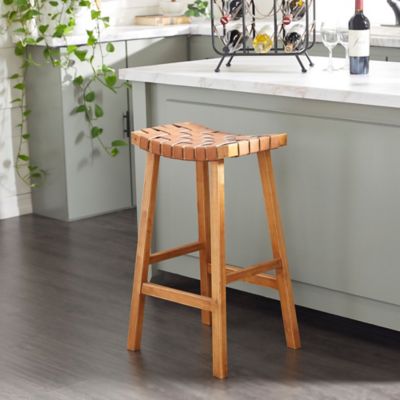
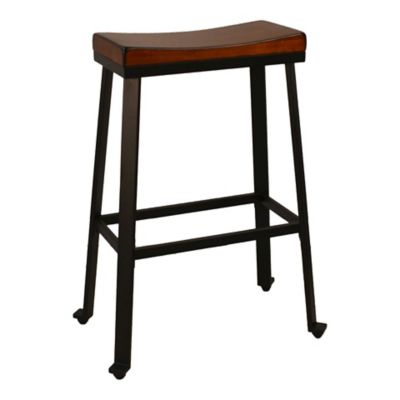
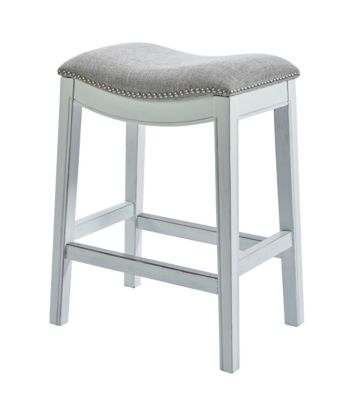
Materials give 30-inch bar stools much of their character, but they also affect how the seating handles everyday life. Wood brings grain, warmth, and a familiar farmhouse feel to a kitchen or gathering space. Its appearance varies with the species, finish, and construction, and a stained seat may show different grain patterns from one stool to another. Metal frames can give a room a simpler, more workmanlike look, especially with straight legs, open backs, or a wood seat. Painted and powder-coated surfaces still need care around sharp belt hardware, boot buckles, and repeated contact with the counter. Joints, welds, braces, and fasteners deserve attention because a tall stool needs a steady foundation. Crossbars can help support the frame, while a footrest gives feet somewhere to settle instead of leaving legs dangling. A metal plate over a wood footrest can help limit scuffs where boots land, though the care directions still matter. Upholstered seats bring a softer feel for longer visits, card games, or meals at a high table. Fabric texture, seams, padding, and cleaning requirements all play a part in how that seat fits the household. Smooth, wipeable upholstery may make small spills easier to manage, while woven fabric can bring a softer look; neither should be assumed stainproof without the maker’s guidance. In homes with pets, a tightly woven covering may be less prone to catching claws than a loose, nubby weave. Color can tie the stools to cabinet hardware, a table base, or nearby woodwork without requiring every finish to match exactly. A dark frame with a lighter seat can keep the seating from looking too heavy, while a single finish creates a more even appearance along a long counter. For a porch or patio bar, seating should be specifically rated for outdoor use rather than chosen on looks alone.
Comfort comes down to the details that show up after the first few minutes of sitting. A shaped seat can feel different from a flat one, and a wide seat does not always mean a roomy fit if raised edges or arms narrow the sitting area. Backrests offer support during a slow breakfast or an evening spent catching up with neighbors, while backless stools keep sightlines open across the kitchen. Arms provide another place to rest, but their height needs to clear the counter if the stool is meant to slide underneath. Swivel seats make turning toward a conversation easier, provided there is enough room for the seat and back to rotate without striking cabinets or another stool. Some swivel mechanisms return to a starting position, while others turn freely, so that movement is worth checking. A steady, level base is especially important at bar height. Follow the stated weight capacity and assembly directions, and check fasteners periodically as part of normal care. Stools are seating, not steps for reaching an upper shelf, and children need supervision around tall seating. On wood, tile, or vinyl floors, suitable glides can help limit scratches; grit caught beneath them should be cleared away. Adjustable leveling feet, when included, can help address small variations in the floor without makeshift shims. Cleanup is usually simplest when spills are handled promptly with the method recommended for the surface. Wood should not be left wet, metal should be dried after wiping, and upholstery cleaners should match the covering’s care label. Abrasive pads and harsh cleaners can damage finishes even when the frame feels substantial. For a housewarming gift or a newly finished gathering area, knowing the recipient’s counter height, floor space, and seating preferences matters more than choosing a favorite color. The best-fitting 30-inch bar stools leave room for knees, support feet comfortably, and make it easy to settle in without getting in the way of daily traffic.