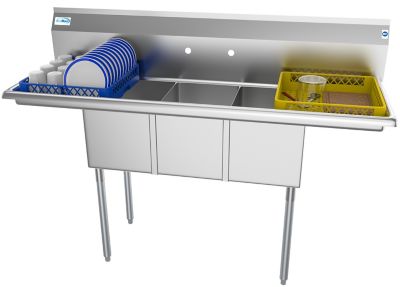
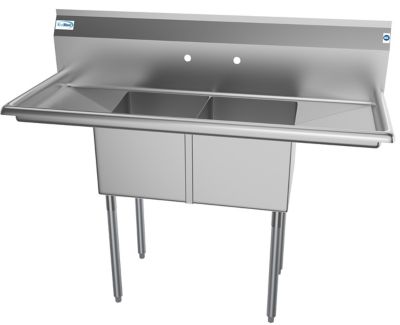
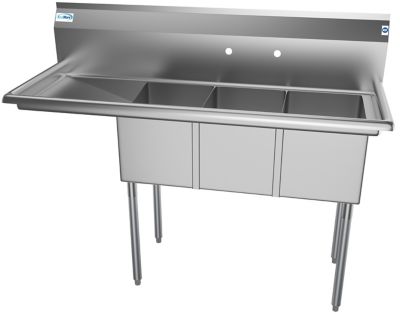
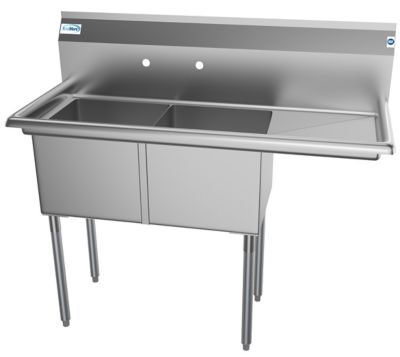
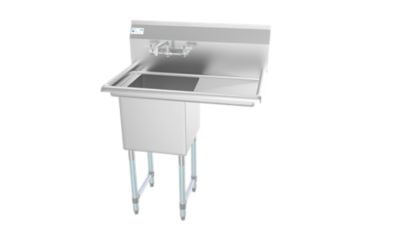
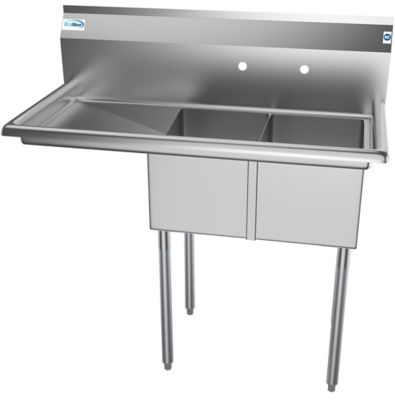
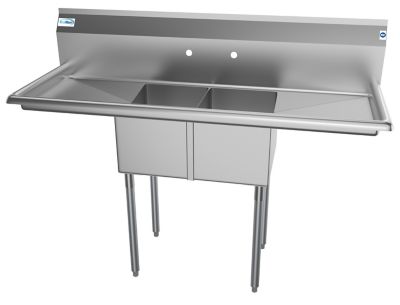
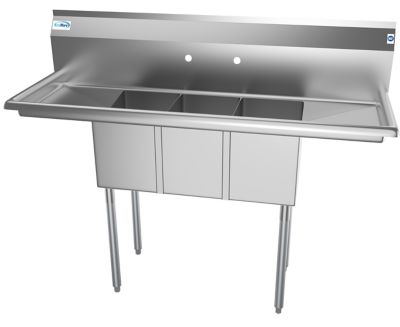
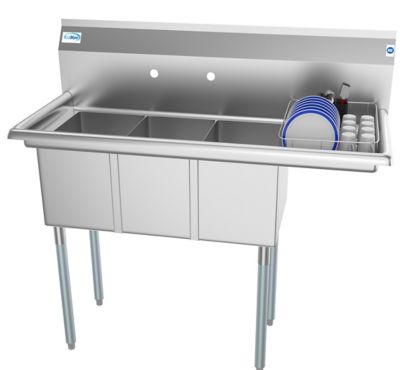
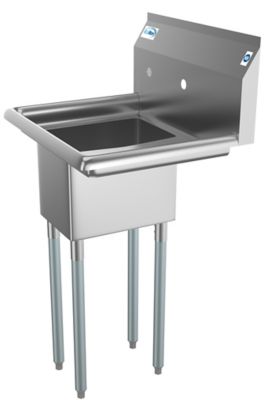
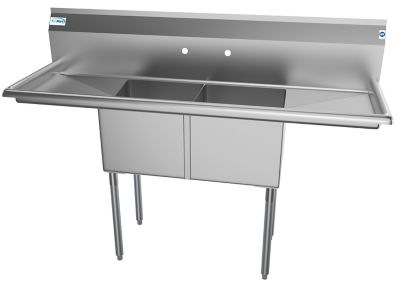
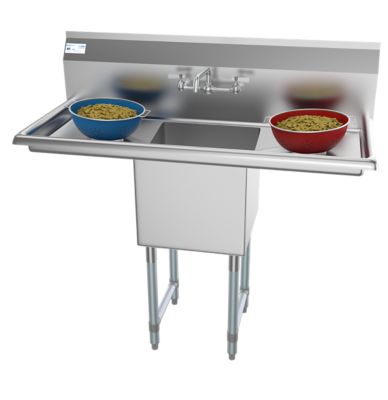
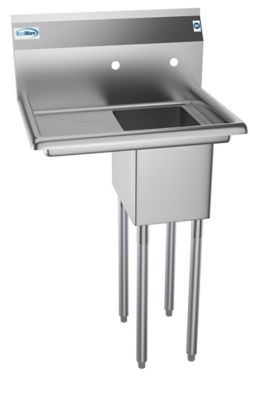
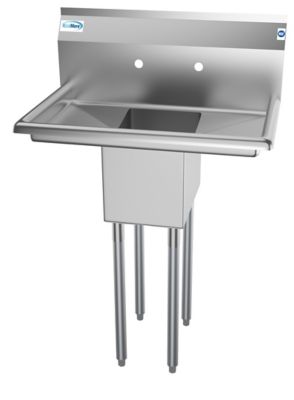
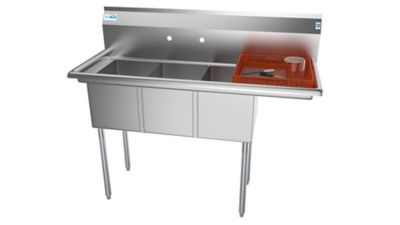
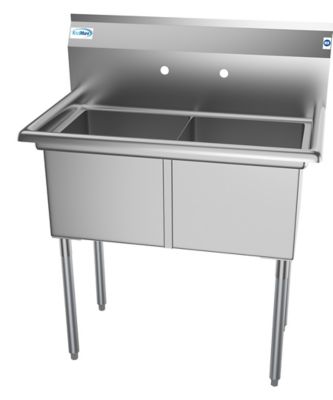
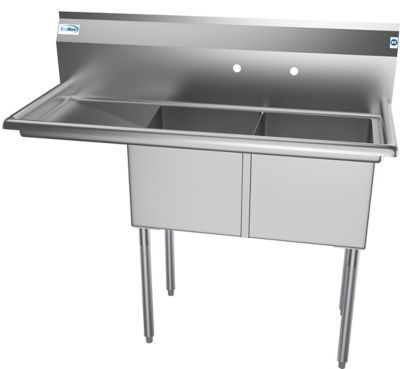
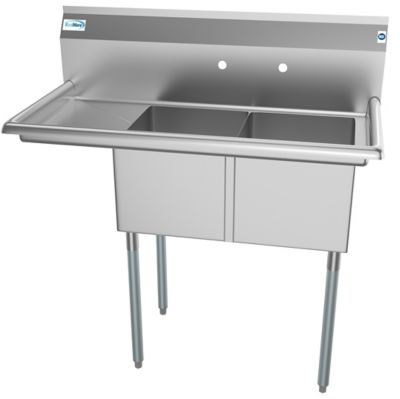
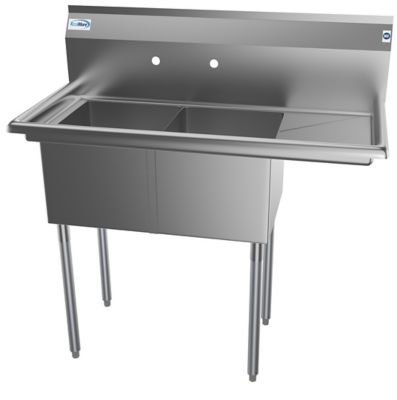
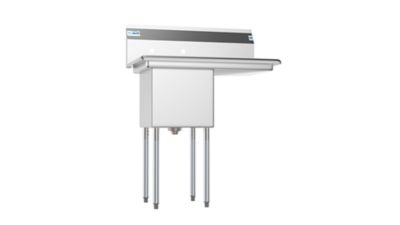
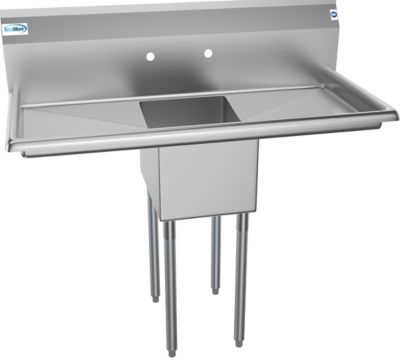
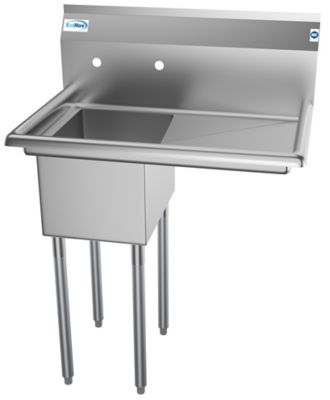
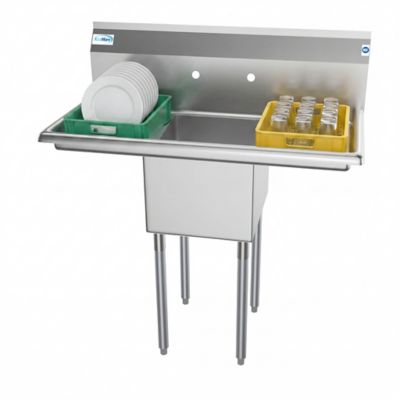
An 18 gauge stainless steel sink is a practical choice for kitchens, laundry rooms, utility spaces, workshops, and other hardworking areas around the home. “18 gauge” refers to the thickness of the stainless steel, which is generally about 1.2 millimeters. That places it in a popular middle ground for residential sinks: sturdy enough for everyday washing, rinsing, soaking, and cleanup, while often remaining more budget-friendly and easier to handle during installation than heavier-gauge options. Stainless steel also brings a clean, straightforward look that fits right in with modern kitchens, country homes, rental properties, cabins, and older houses getting a well-earned refresh. The smooth surface resists rust and corrosion when properly cared for, and it does not hold onto food odors the way some porous materials can. For folks who spend a lot of time cooking, preserving garden produce, washing muddy hands, or cleaning up after a busy day outside, an 18 gauge stainless steel sink can be a dependable part of the daily routine. It gives you room to rinse a stockpot, scrub a cast-iron skillet, or clean vegetables fresh from the garden without requiring fussy upkeep. Many residential kitchens use 18 gauge stainless steel because it offers a sensible balance of durability, appearance, and cost. It is not an indestructible surface, and any metal sink can show scratches or water spots over time, but those marks often blend into the natural brushed finish and tell the story of a well-used kitchen. For a comparison with thicker, more rugged construction, take a look at
Heavy Duty Stainless Steel Sinks.
When choosing among 18 Gauge Stainless Steel Sinks, start by measuring the available cabinet opening instead of relying only on the overall sink dimensions. The length and width of the basin, the depth below the countertop, the number of bowls, and the placement of the drain can all affect whether a sink will fit comfortably in the space. Check the required cabinet size, countertop cutout, faucet-hole arrangement, and mounting style before making a purchase. Drop-in styles can be a convenient option for many replacement projects, while undermount designs create a smooth countertop edge that makes it easier to sweep crumbs and spilled feed into the basin. A single deep bowl offers plenty of room for large pans, buckets, and baking sheets, while a divided bowl can make it easier to separate washing from rinsing. Think about the work that happens at the sink most often. A family kitchen may benefit from generous basin space for meal prep and cleanup, while a mudroom or laundry area may call for a deep basin that can handle muddy boots, paint brushes, pet bowls, and gardening tools. Sound-deadening pads or sprayed insulation on the underside can help soften the clatter of running water and dishes, especially in an open kitchen or a busy utility room. Pay attention to the finish as well. A brushed or satin surface tends to be forgiving in a hardworking home, while a shinier finish may show mineral deposits and fingerprints more readily. Drain placement can leave extra room beneath the sink for plumbing, trash bins, or storage, so it is worth considering how the lower cabinet will be used after installation. If you are replacing an old sink, keep the existing countertop material, plumbing connections, disposal setup, and faucet style in mind. A careful measurement and a quick look under the cabinet can save a trip back to the hardware aisle.
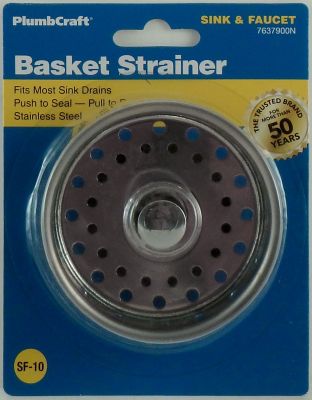
Stainless steel is easy to live with, but a little regular care helps an 18 gauge stainless steel sink stay bright and pleasant for years. Rinse away food scraps and soap after use, then wipe the basin dry with a soft cloth to reduce water spots, especially in areas with hard water. For routine cleaning, use mild dish soap, warm water, and a nonabrasive sponge. Follow the direction of the sink’s brushed grain when wiping rather than scrubbing in circles, which helps keep the finish looking even. Avoid steel wool, harsh scouring powders, and cleaners that contain chlorine bleach, since they can dull the surface or leave behind tiny scratches and discoloration. A protective sink grid or basin rack can help keep heavy cookware from striking the bottom, while a simple drain strainer helps catch scraps before they reach the plumbing. Even with everyday use, try not to leave cast-iron cookware, wet cans, or metal tools sitting in standing water for long periods. These sinks are a solid fit for homeowners working through a kitchen update, landlords preparing a rental, new homeowners settling into a fixer-upper, or anyone adding a dependable wash station to a shop, barn office, or cabin. They can also make a thoughtful housewarming gift when paired with practical kitchen or utility-room essentials, particularly for someone who enjoys cooking, gardening, preserving food, or tackling hands-on projects. During the cooler months, a deep stainless basin becomes a handy place to wash winter boots, rinse muddy pet gear, and clean up after outdoor chores without crowding the main kitchen. With the right size, mounting style, and basin layout, an 18 gauge stainless steel sink can quietly take on a whole lot of work while keeping the room looking neat and ready for the next job.