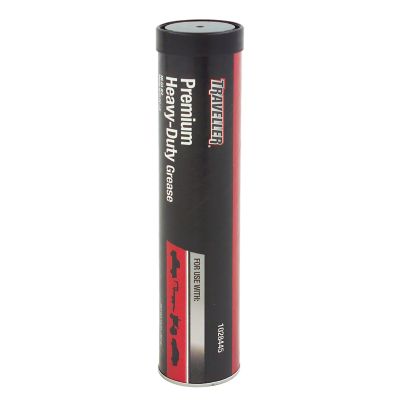
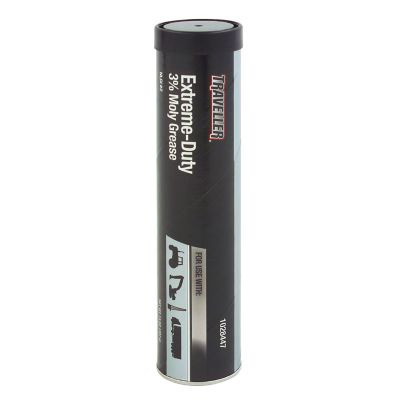
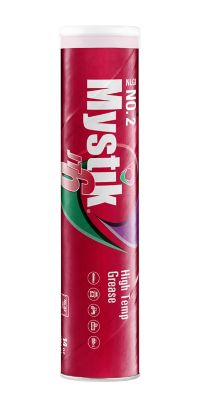
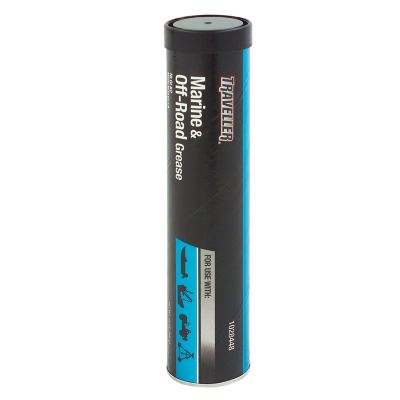
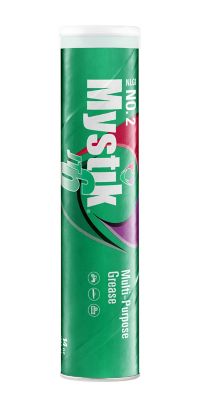
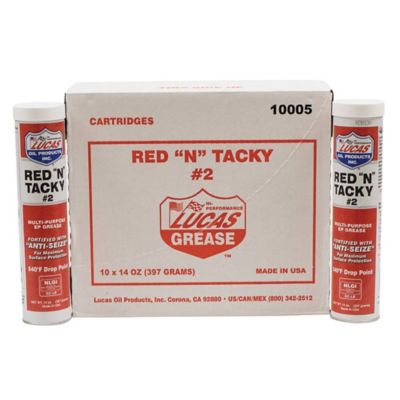
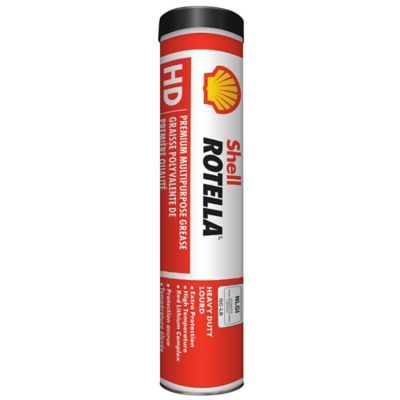
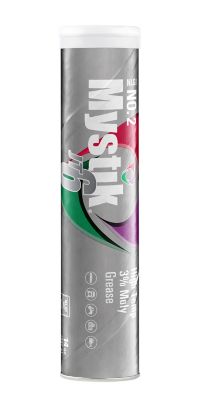
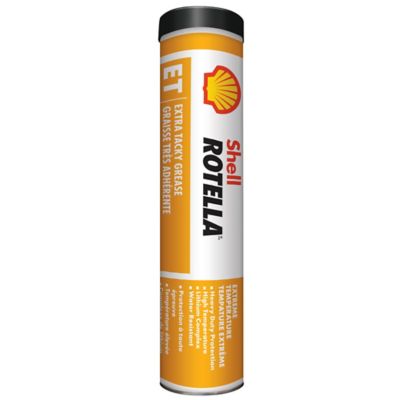
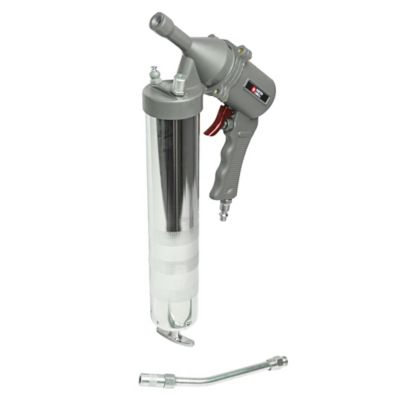
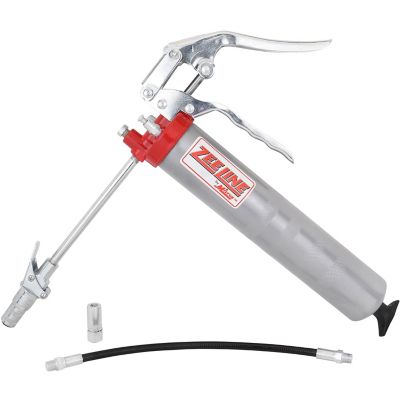
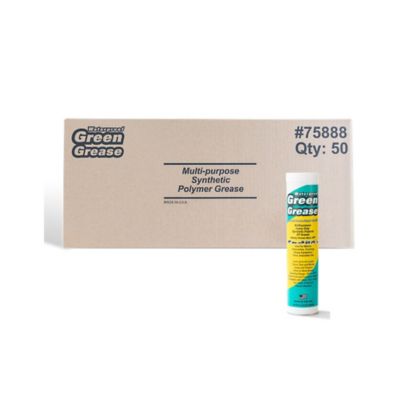
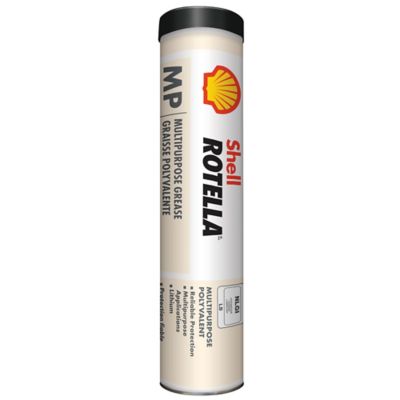
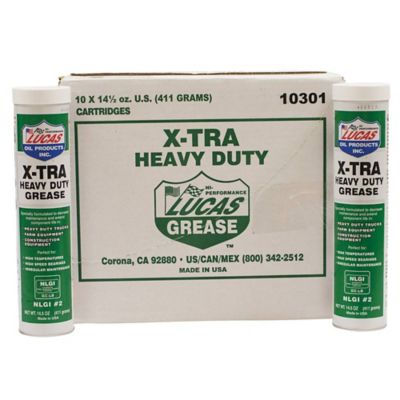
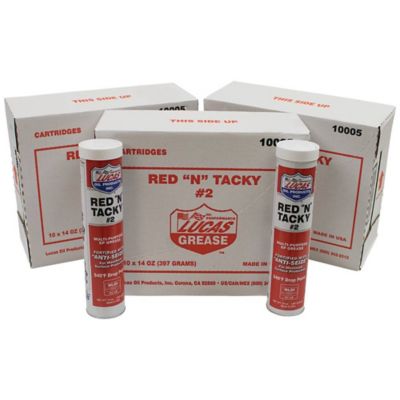
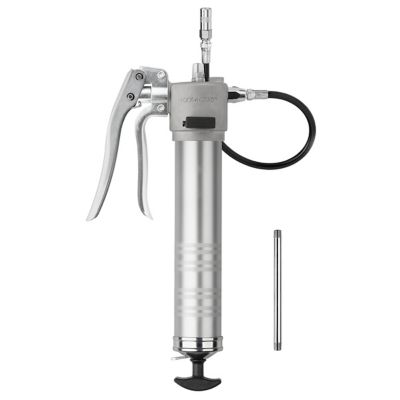
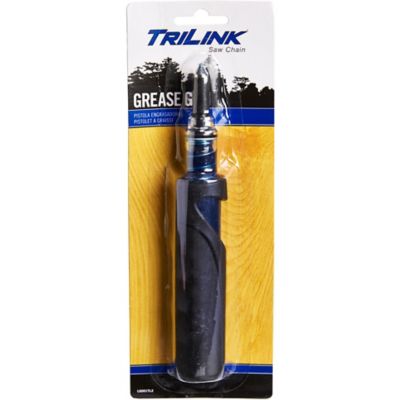
A 14-ounce grease cartridge keeps lubrication close at hand for the equipment that earns its keep around a farm, shop, or acreage. This common cartridge size fits many full-size manual, pneumatic, and battery-powered grease guns, making it a familiar choice for routine work on tractors, implements, trailers, and other machinery with serviceable grease fittings. Each cartridge contains 14 ounces of grease by weight, or about 397 grams; that number describes the fill rather than the tube’s dimensions. Cartridge bodies are typically about 2 inches in diameter and roughly 9 inches long, although packaging dimensions vary, so the grease gun’s stated cartridge requirements remain the best reference for fit. Compact grease guns often take smaller cartridges, and some systems call for a different package altogether. Inside a 14-ounce tube, the grease generally consists of a base oil, a thickener that holds the oil in place, and additives selected for particular operating conditions. That combination helps lubricate moving surfaces while, in suitable applications, helping protect against rust, corrosion, and moisture. The cartridge format contains the grease for loading and storage, with sealed ends that help keep grit out before opening. For someone maintaining a loader before chores or checking a mower ahead of storage, a full-size cartridge offers a practical amount for regular lubrication without handling an open container. The size alone does not tell the whole story, though. Two tubes with the same fill weight can have very different temperature limits, water resistance, and load-carrying properties. Grease selection comes down to the machinery’s requirements and the job at the fitting, whether that means a slow-moving pivot, a chassis joint, or a bearing assembly approved for grease lubrication. Equipment manuals, grease labels, and technical data sheets give those differences meaning, helping match the contents of the cartridge to the work rather than treating every tube as interchangeable.
Among 14 oz grease cartridges, common formulation families include lithium, lithium complex, and calcium sulfonate, along with greases described as white lithium or multipurpose. Those names offer a starting point, but performance specifications matter more than a broad category or the color showing at the coupler. Many general automotive and farm greases carry an NLGI Grade 2 consistency rating. That rating describes how firm the grease is, not its overall suitability for high heat, heavy loads, or water exposure. Base oil viscosity, additive chemistry, and application approvals also influence where a grease belongs. A loader pivot carrying a heavy bucket works under different conditions than a fast-turning bearing, even when both accept grease through a fitting. Extreme-pressure additives may be specified for heavily loaded contact points, while certain formulations contain solid lubricants such as molybdenum disulfide for applications that call for them. Those additives are not a reason to put the same grease into every bearing on the property. For serviceable wheel bearings, the relevant bearing or vehicle specification takes priority; where the equipment calls for it, an NLGI GC-LB classification identifies grease meeting defined automotive wheel-bearing and chassis performance requirements. Water resistance deserves attention around wet pastures, wash areas, and equipment that spends time outdoors, but resistance to washout does not make a component waterproof. Likewise, a high dropping point is not the same as a maximum continuous operating temperature. Published service-temperature ranges provide a better basis for judging heat exposure or cold-weather operation. During the cooler months, pumpability can become especially noticeable when the grease gun and machinery have been sitting in an unheated shed. Color is no shortcut here: red, blue, amber, or white grease can vary substantially in chemistry and performance. Changing formulations also calls for care, since greases with different thickeners or additive systems may not mix well. Compatibility information from the grease and equipment manufacturers helps protect the consistency and lubrication properties the application needs.
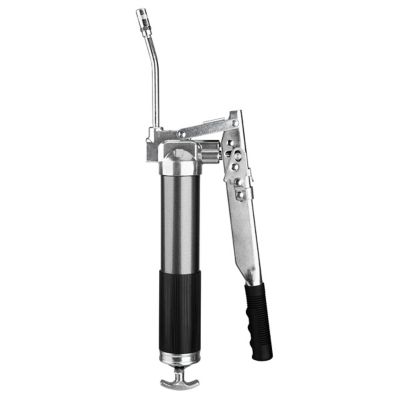
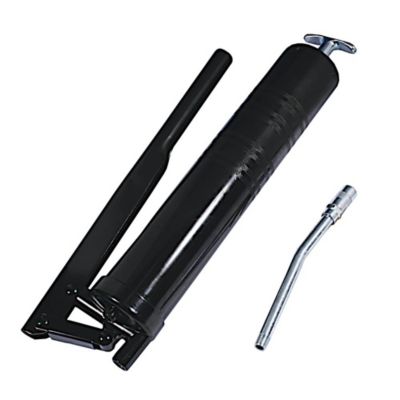
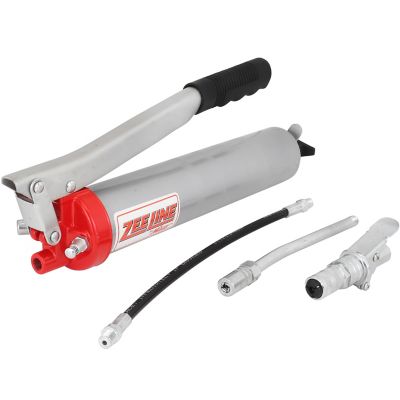
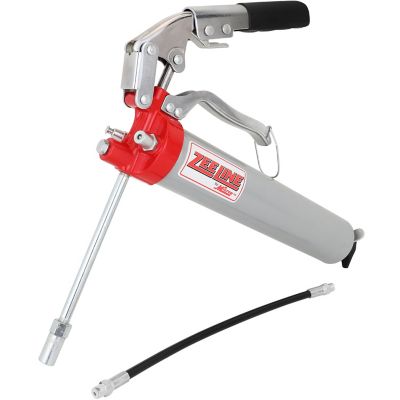
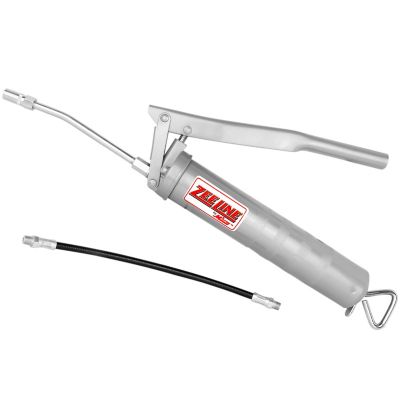
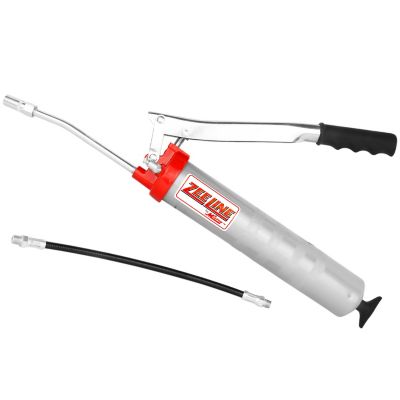
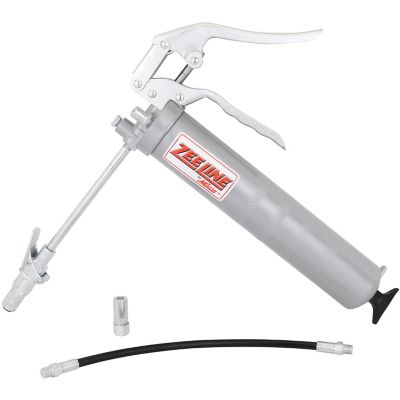
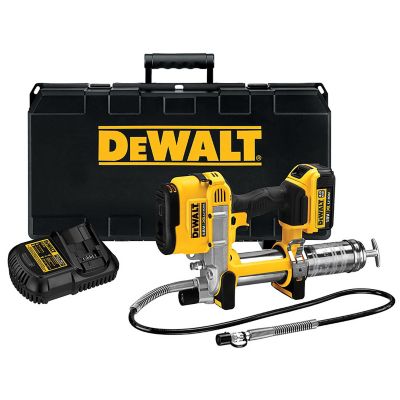
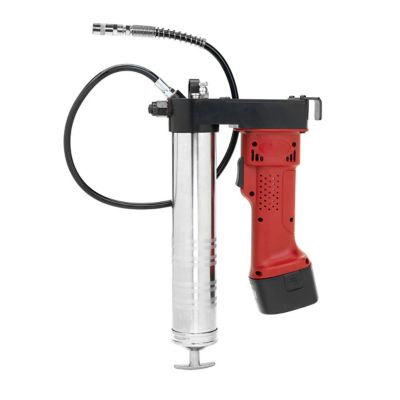
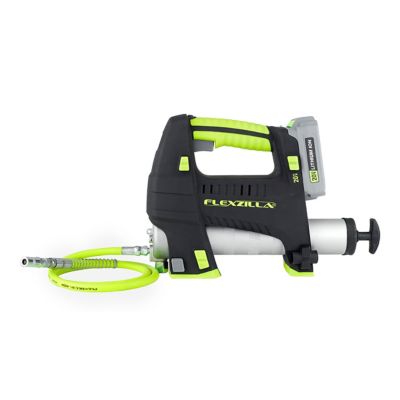
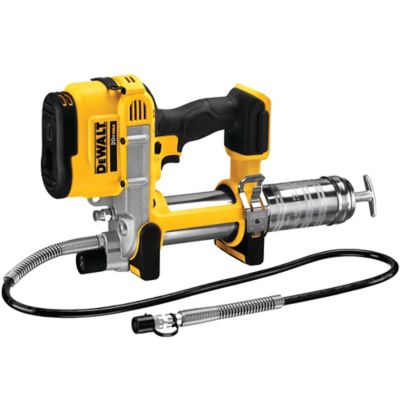
Fit and handling matter just as much once a cartridge reaches the workbench. A compatible tube should seat correctly in the gun’s barrel and work with its follower and sealing arrangement; a cartridge that looks close in size is not necessarily the right match. Lever-style guns suit many routine shop tasks, while
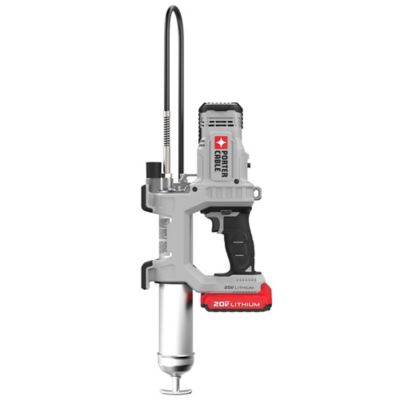
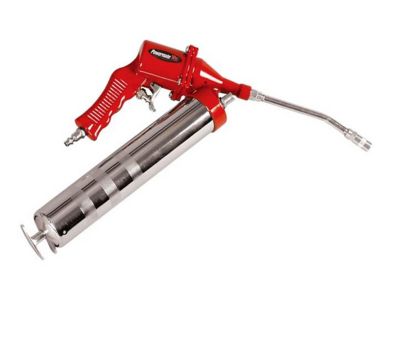
Pistol Grip Grease Guns offer one-handed pumping that can leave the other hand free to steady the hose or coupler. Powered guns can make repeated lubrication points less tiring, but the cartridge and grease still need to meet the tool’s requirements. Clean loading and proper priming help limit air pockets that can interrupt grease delivery, so the gun manufacturer’s loading directions are worth keeping nearby. Cartridge packaging should remain intact until loading, and unopened tubes belong in a clean, dry place within the manufacturer’s storage limits, away from prolonged heat and direct sunlight. Keeping labels readable makes it easier to tell formulations apart when several machines have different lubrication needs. A clearly marked grease gun also helps prevent an unintended mix when more than one person handles maintenance. Out by the equipment, wiping dirt from a fitting before attaching the coupler helps keep field dust and grit from entering the joint. The correct amount and service interval come from the equipment maker, not from how much grease a fitting will accept; excess grease can damage seals or create other problems in some assemblies. Long component life depends on that balance of suitable grease, clean handling, and regular attention. These cartridges make sense for farmers, ranchers, mechanics, grounds crews, and property owners whose maintenance rounds run from a tractor’s front end to serviceable implement bearings. A tube tucked into a maintenance kit can be practical, too, provided its specification matches the recipient’s equipment. Whether the work happens beside a muddy gate or under the shop lights, the right cartridge size and formulation help keep lubrication straightforward and matched to the machinery doing the job.