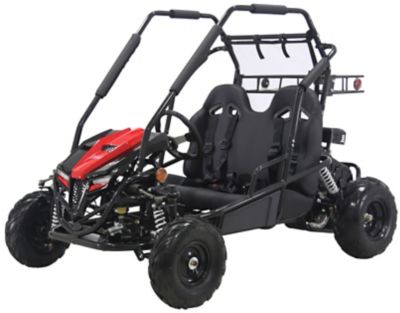
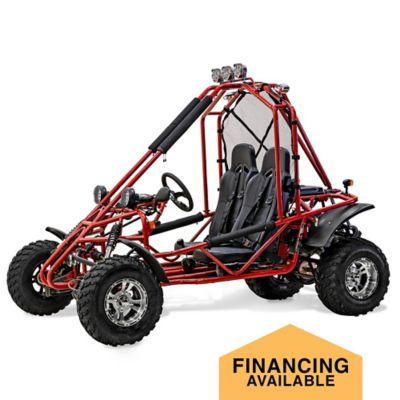
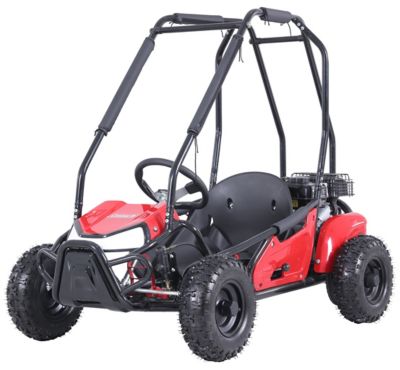
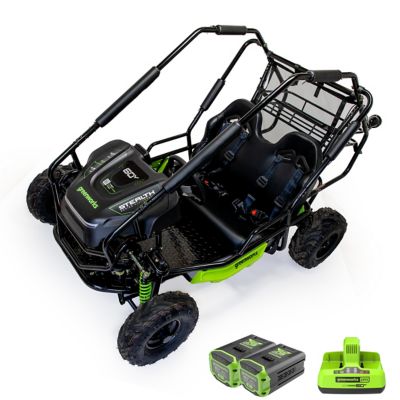
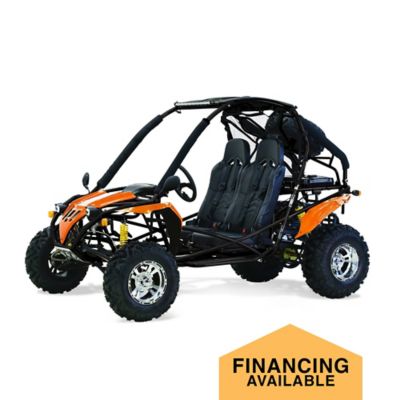
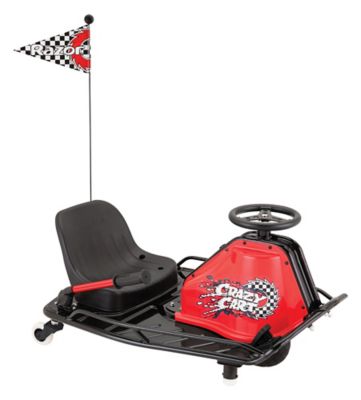
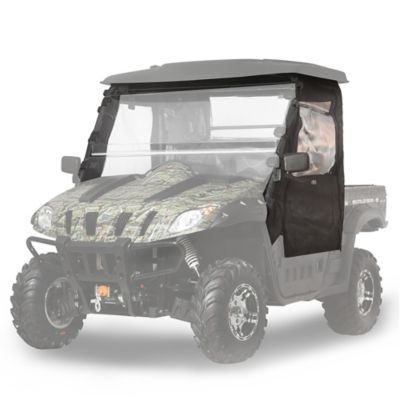
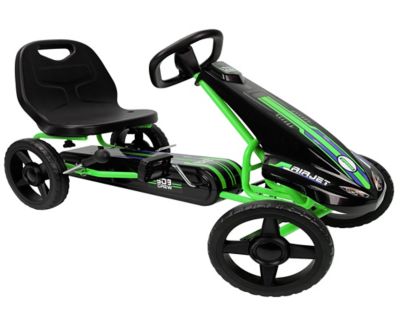
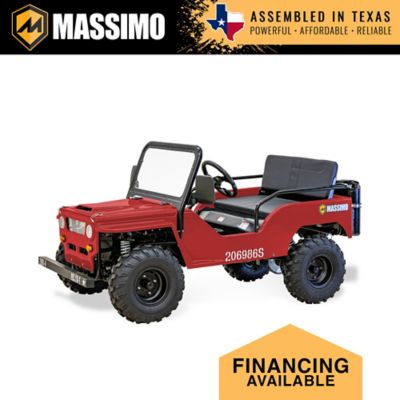
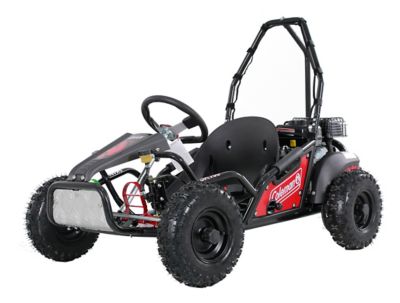
Go karts with roll cages are built for drivers who want more coverage than an open-frame kart can provide while traveling across private trails, packed dirt, grassy fields, and other approved off-road areas. The cage forms a protective frame around the seating area, helping shield riders from low branches, flying dirt, and contact with the ground if a tip-over occurs. Many models also include bucket-style seats, lap belts, or multi-point harnesses that help keep the driver and passenger in position as the kart moves over bumps and uneven ground. A roll cage is an important part of the kart’s design, but it does not take the place of a helmet, eye protection, sturdy footwear, or careful driving. Look for a frame that surrounds the occupants without blocking their view, with smooth entry points and enough overhead room for the intended riders. Check the vehicle’s listed rider capacity, weight limit, ground clearance, tire size, and recommended terrain before making a selection. A compact youth kart may suit supervised rides around a mowed property, while a larger two-seat buggy may be a better fit for adults, older teens who meet the manufacturer’s requirements, or an adult and child riding together. Seat adjustability can make a big difference when more than one family member will climb behind the wheel, especially when the kart is shared through the seasons. For families comparing the many configurations available, the collection of
Best Go Karts can help provide a broader look at features and sizes.
Power and terrain are two of the biggest factors to weigh when choosing a go kart with a roll cage. Gas-powered models are often selected for longer rides, open acreage, and trails where refueling is more convenient than waiting for a battery to charge. Electric models may appeal to households looking for quieter operation around the property, along with simple start-up and less engine noise near barns or neighboring homes. Pay attention to engine size or motor output, top speed, braking design, reverse capability, and the way power reaches the wheels. A kart intended for smooth gravel and maintained paths does not need the same setup as one traveling through loose soil, shallow ruts, wooded lanes, or rolling pasture. Larger tires and generous ground clearance can help the kart move over rough ground, while a limited-speed setting may be helpful when younger riders are learning. If two people will ride together, check whether the passenger seat has its own restraint and whether the combined rider weight falls within the stated limit. Before buying, measure the doorway or gate where the kart will pass, as well as the available space in a shed, trailer, or garage. Plan for a dry, covered storage spot away from livestock, standing water, and extreme temperature swings. During cooler months, inspect tire pressure, battery condition, fuel lines, belts, steering parts, and fasteners before the first ride of the day. Keeping a simple routine for cleaning mud from the frame and checking the harness helps the kart stay ready for the next trip down the lane.
These karts can make a memorable present for a family with room to ride, though the right fit depends on the recipient’s age, height, experience, and access to private property. A parent may choose a youth-sized model for supervised trips around a farm, while an adult rider might prefer a two-seat off-road buggy for checking fence lines, heading to a hunting blind, or taking a passenger along a dirt path. Even when the kart is given as a holiday gift during the cooler months, it is wise to have the safety gear, storage plan, and riding area ready before the keys change hands. Every driver should wear a properly fitted helmet and follow the manufacturer’s age, height, and speed recommendations. Children should ride only with direct adult supervision, and passengers should keep hands, arms, feet, and loose clothing inside the cage. Keep the kart away from public roads unless it meets local requirements for road travel, and check county, state, or property rules before operating it on shared paths or open land. New riders benefit from starting on flat ground at low speed, practicing smooth turns and controlled stops, and learning how the kart reacts before moving onto hills or rough trails. Avoid steep side slopes, deep water, unstable banks, and areas with hidden stumps or wire. A roll cage adds an important layer of protection, but safe habits, proper restraints, protective equipment, and sensible terrain choices remain central to every outing. With the right match between the kart, the rider, and the property, these machines can bring a little trail-running fun to a farm lane, back field, or wooded path while giving families a practical way to explore the outdoors together.