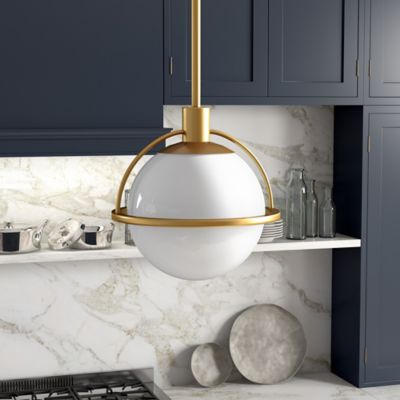
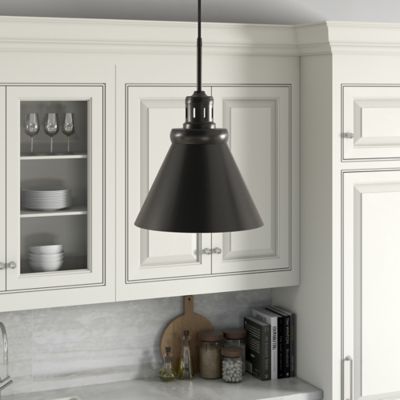
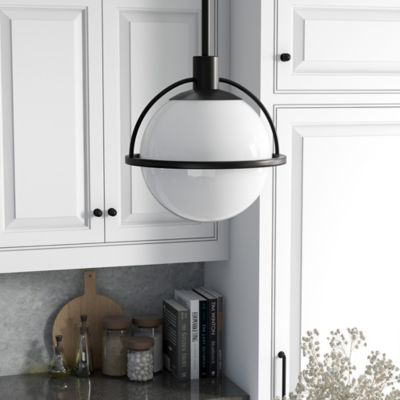
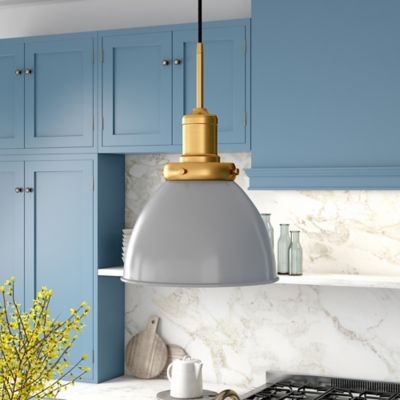
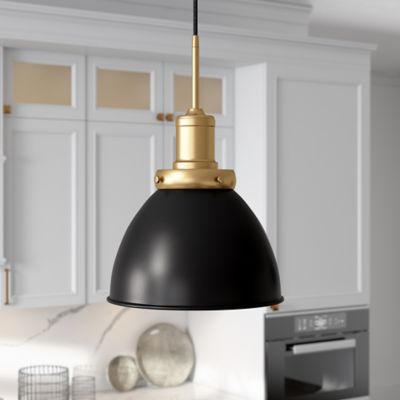
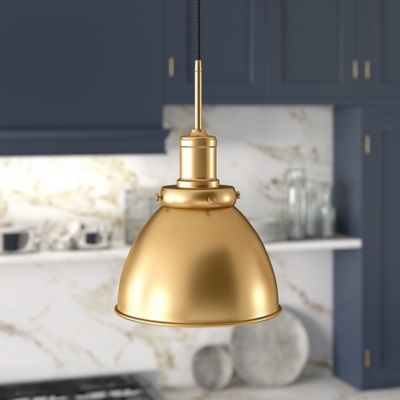
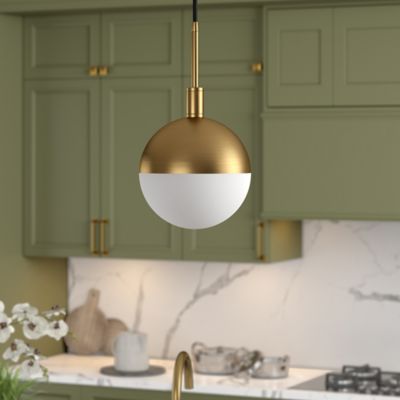
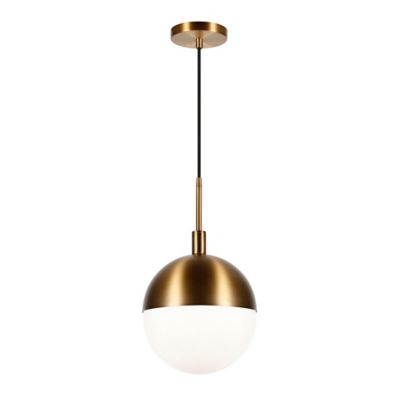
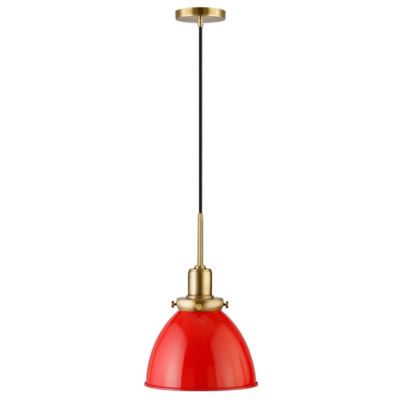
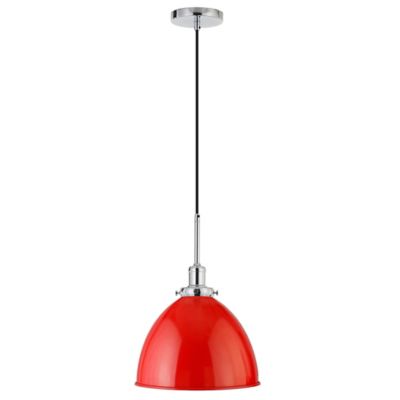
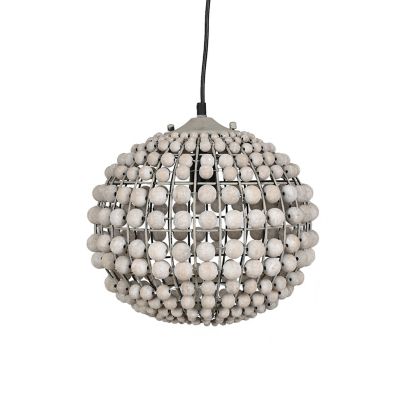
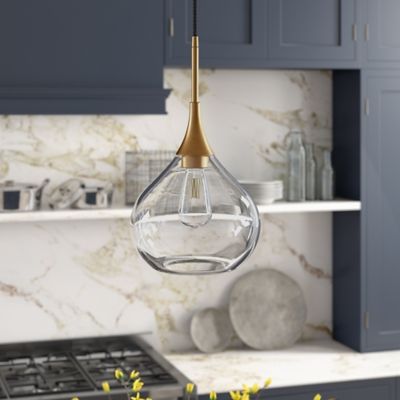
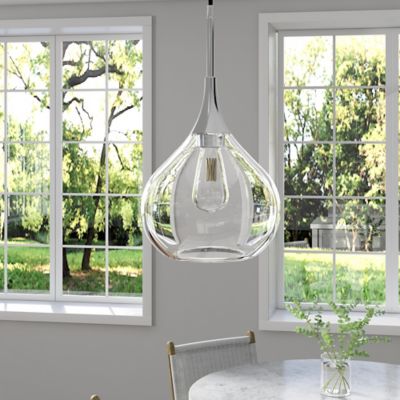
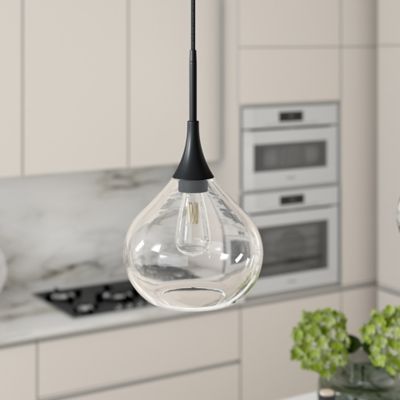
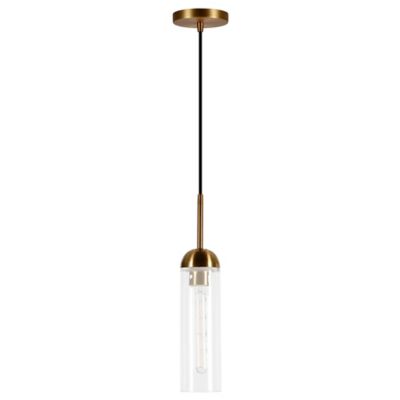
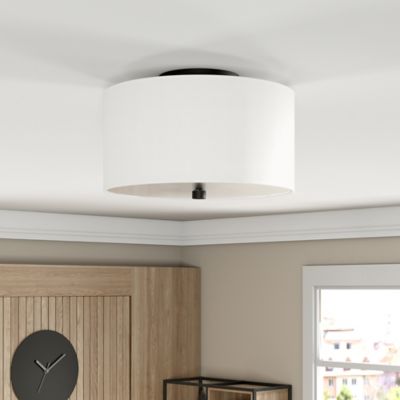
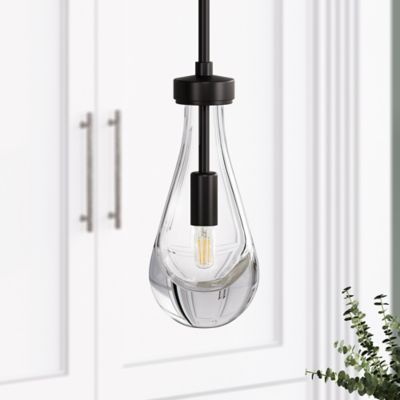
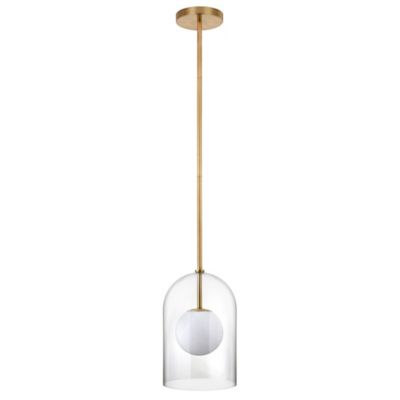
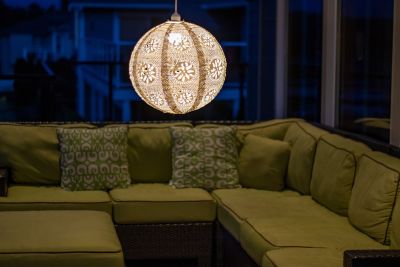
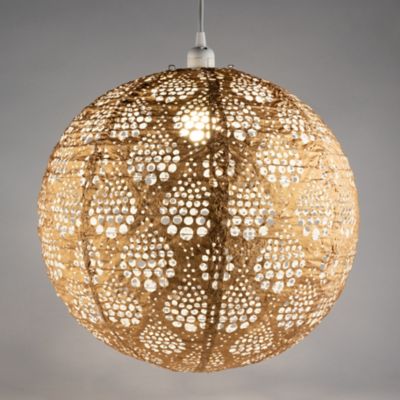
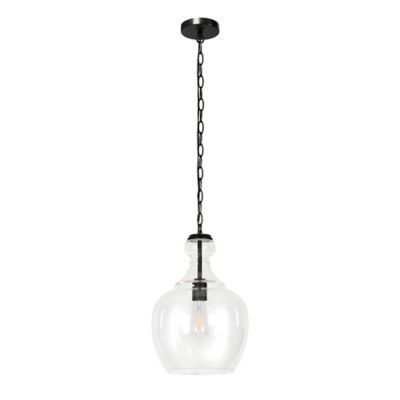
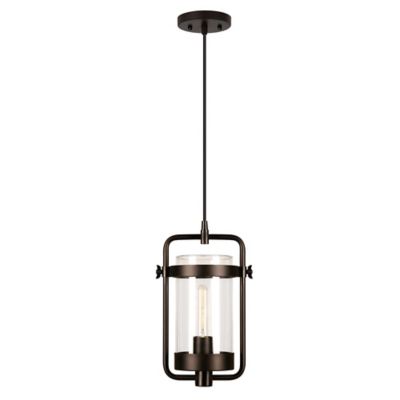
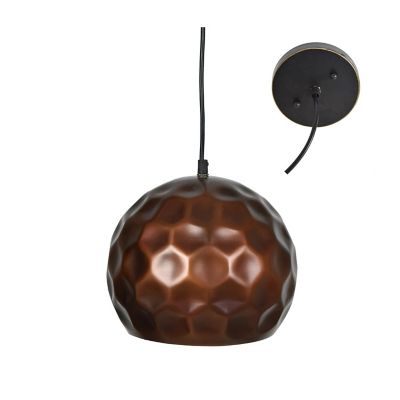
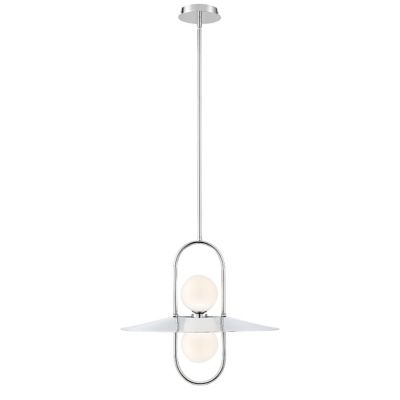
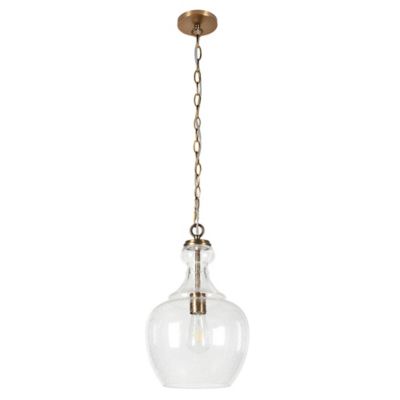
A 12-inch pendant light brings a defined pool of light to the places where everyday life happens, from a kitchen counter lined with lunch boxes to a small dining table where the family settles in after chores. That size offers a noticeable presence without calling for the space a broad chandelier needs, making it a practical scale for breakfast nooks, compact entryways, and seating corners. In many fixture descriptions, 12 inches refers to the shade’s diameter or width, rather than the full hanging height, so the listed dimensions matter when picturing how a pendant will fit. A wide, shallow shade can feel open and unobtrusive, while a deeper bell or dome of the same width has more visual weight. Metal shades tend to direct light downward, putting the focus on a work surface or tabletop. Clear glass lets more light spread through the room and keeps sightlines open, though the bulb remains part of the look. Frosted or opal glass softens the view of the light source, which can feel more comfortable above a table where people sit and talk. The finish helps tie the fixture into its surroundings: black can echo cabinet pulls or iron hardware, brushed metal can sit comfortably beside appliances, and warmer metal tones can complement wood cabinets and exposed beams. In a farmhouse kitchen, a straightforward shade can hold its own against knotty wood and hardworking surfaces without making the room feel fussy. In a newer home, the same general size can bring a little definition to an otherwise open layout. Matching every metal finish is not essential; repeating a shape, color, or texture elsewhere in the room often gives the pendant a natural connection to the space. The best fit is a light that looks at home above the surface it serves and leaves enough room for the activity below.
Placement makes a real difference with 12-inch pendant lights, especially when more than one fixture shares a counter or island. One pendant can suit a small table or a corner set aside for sorting mail, while a row can establish a steady rhythm over a longer work surface. The number of lights depends on the island’s length, the shade shape, the light output, and the room’s other lighting—not just the diameter printed in the description. Two broad pools of light may work better than several tightly spaced fixtures in a kitchen that already has ceiling and under-cabinet lighting. Above an island or dining table, a common starting point is about 30 to 36 inches between the surface and the bottom of the fixture, with adjustments for ceiling height, sightlines, and the manufacturer’s directions. A pendant over an open walkway needs sufficient head clearance and placement that meets applicable requirements. It should not sit where someone carrying a laundry basket or a sack of feed into a nearby utility area could bump it. Adjustable cords, chains, and downrods offer different ways to establish the drop, but their adjustment ranges vary. A sloped ceiling may also call for a fixture or canopy specifically designed for that angle. The canopy’s dimensions, mounting requirements, and electrical box support all belong in the fit assessment, particularly when replacing a light in an older house. A qualified electrician can evaluate the existing wiring and mounting arrangement. Intended use matters just as much as appearance: a pendant over a kitchen prep area needs useful downward light, while one above a dining table may call for softer output and dimming. Fixtures intended for dry indoor locations do not automatically suit a porch, bathroom, or another space exposed to moisture. The location rating should match the actual setting, even when the fixture hangs beneath a roof.
Materials and construction shape how a pendant holds up to everyday life and how much attention it needs along the way. Metal shades can bring a solid, work-ready feel, with painted, plated, or other finishes that each have their own care requirements. Glass offers a lighter visual presence, but fingerprints, dust, and cooking residue can stand out, especially on clear surfaces. Open-bottom shades often make routine bulb access easier, while enclosed designs may require removing a cover or other parts according to the fixture’s directions. Around a kitchen island, smooth surfaces and reachable shade edges can simplify cleaning. Turning off the power and letting the fixture cool before care, then following the manufacturer’s cleaning instructions, helps protect both the finish and the electrical components. A soft cloth may handle ordinary dust; stronger cleaners or rough scrubbing can harm some finishes. Bulb choice is another part of the overall fit. The socket type, maximum permitted wattage, bulb dimensions, and any enclosed-fixture requirements all need to agree with the lamp being installed.
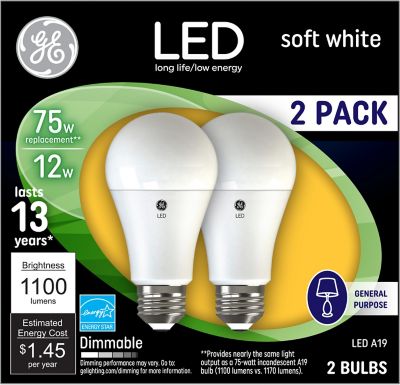
LED Bulbs for Pendant Lights are worth considering alongside the fixture’s specifications, since brightness, color temperature, and bulb shape all affect the final result. Lumens describe light output, while color temperature describes whether the light appears warmer or cooler. A warm glow often feels comfortable over supper, while a more neutral tone can suit a counter that handles meal prep and paperwork. With clear glass or an exposed socket, the bulb’s appearance matters too, and an overly bright bare bulb can create glare at eye level. Dimming requires a compatible fixture, bulb, and dimmer combination; an LED label alone does not establish compatibility. For homeowners refreshing a kitchen, folks fitting out a small cabin, or anyone bringing better light to a gathering spot, a well-proportioned pendant can serve a clear purpose without taking over the room. Attention to scale, light direction, mounting details, and straightforward care helps a 12-inch pendant become a comfortable part of daily routines, whether that means slicing vegetables at the island or lingering over coffee at the table.