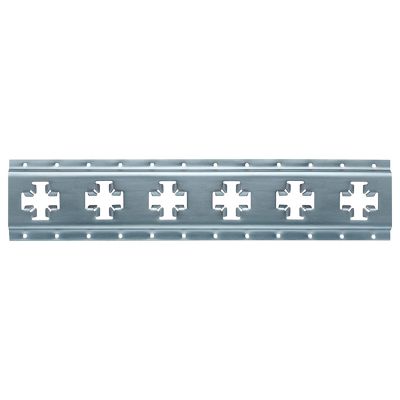
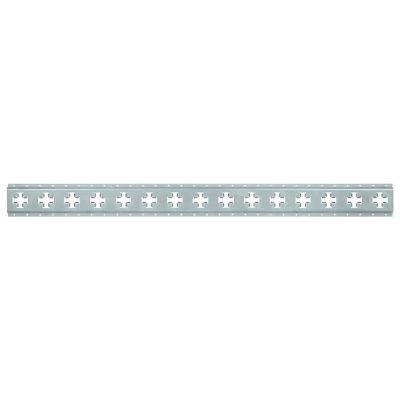
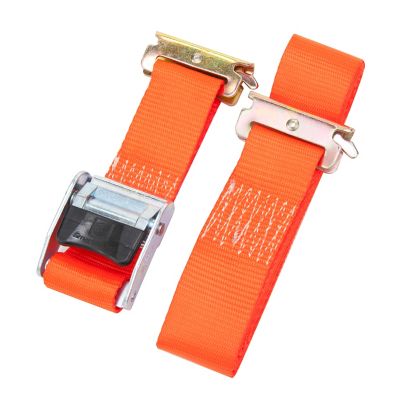
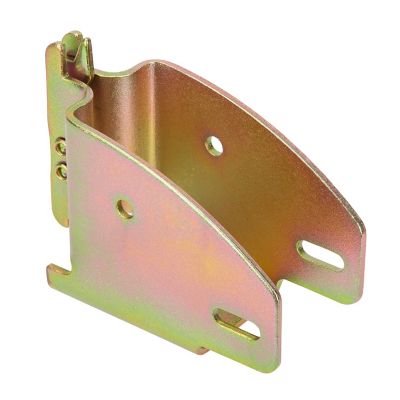
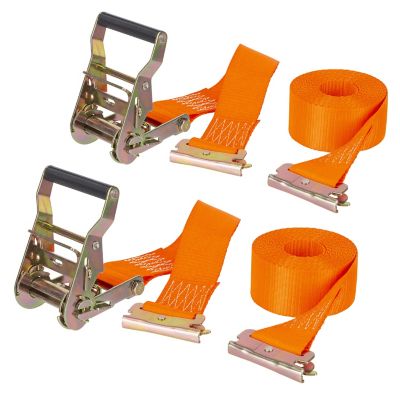
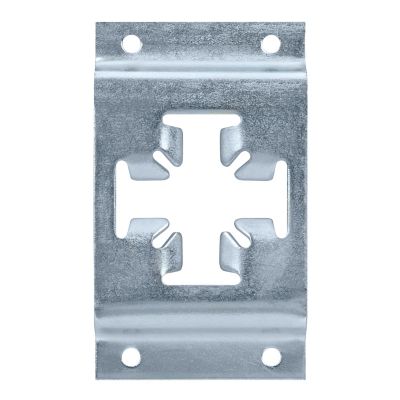
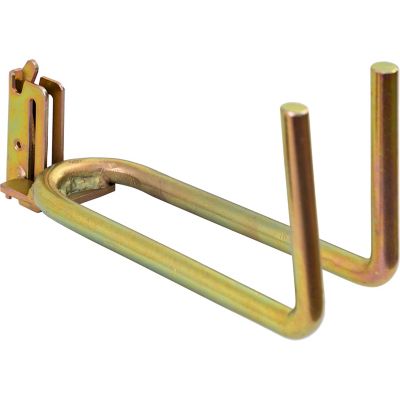
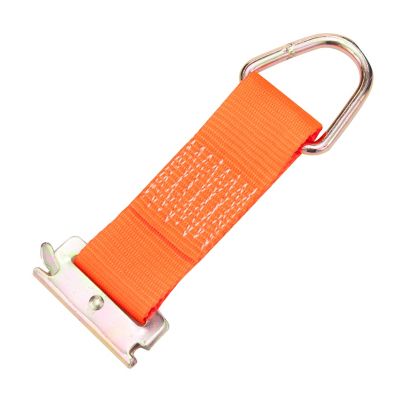
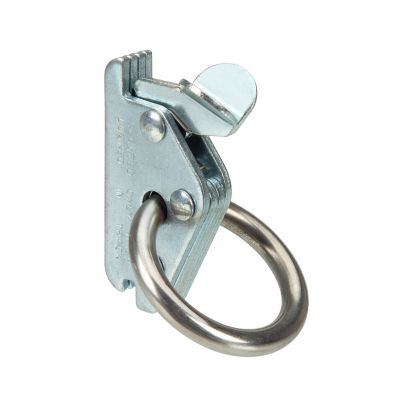
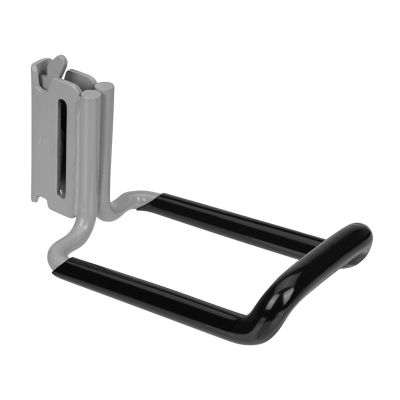
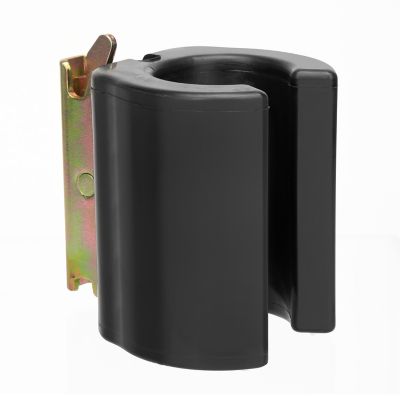
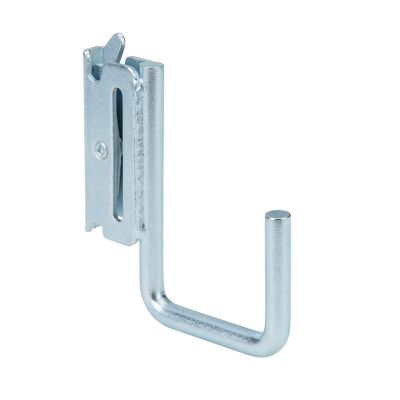
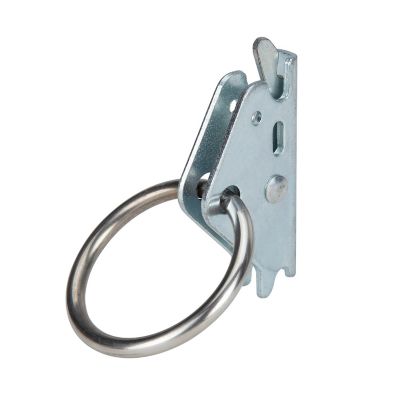
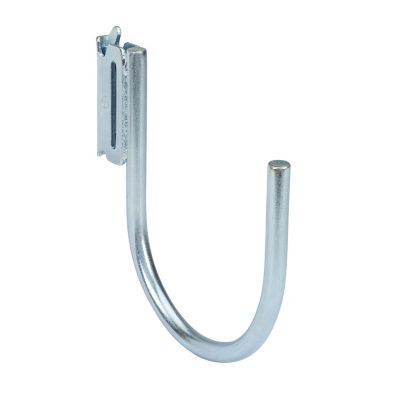
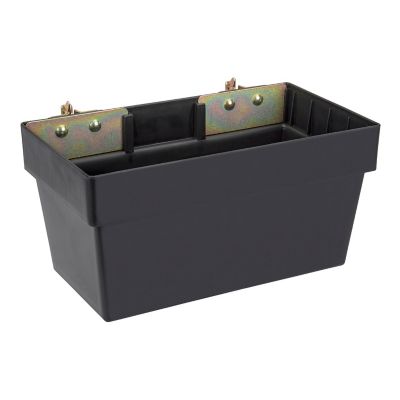
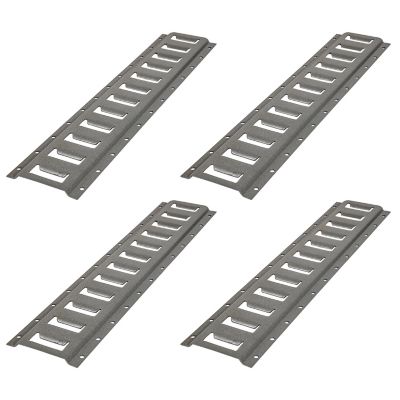
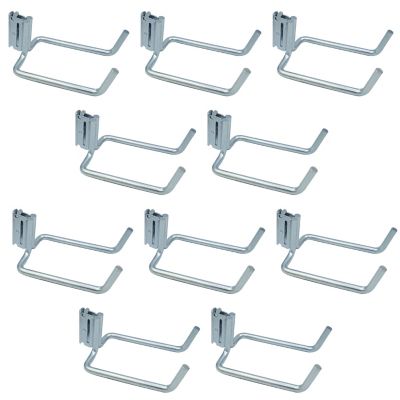
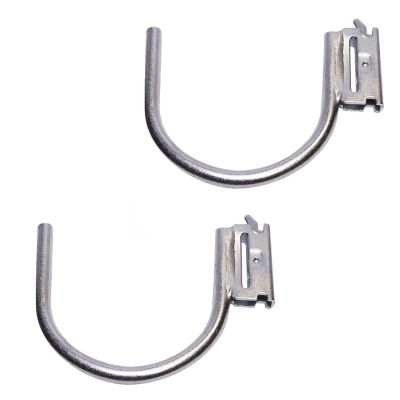
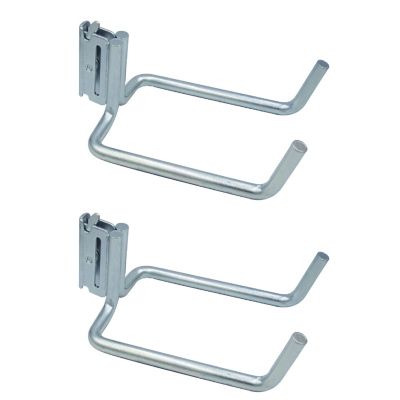
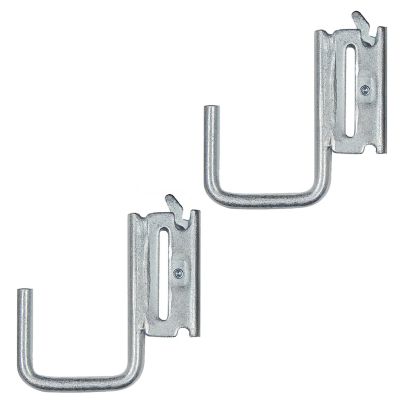
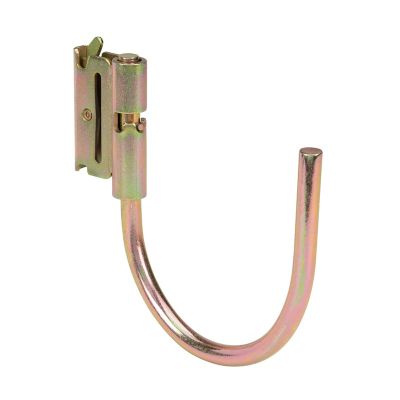
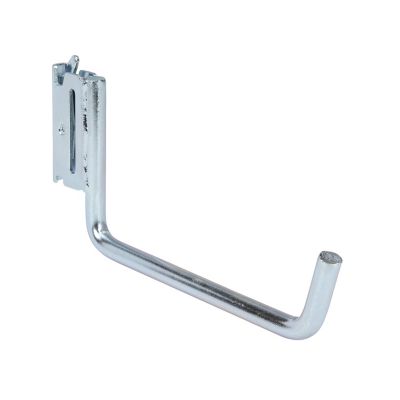
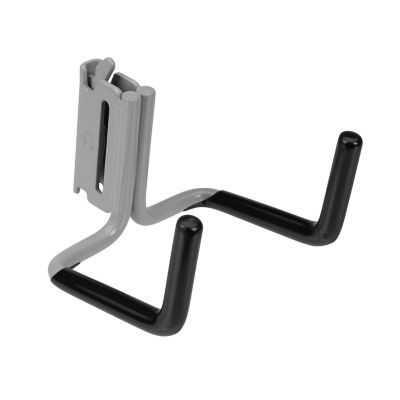
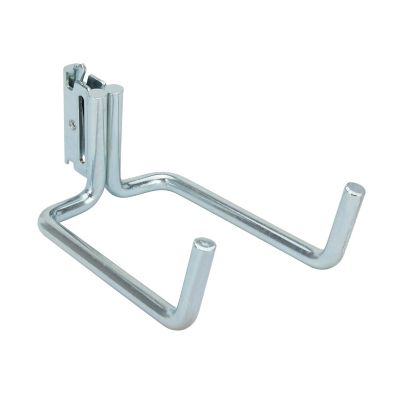
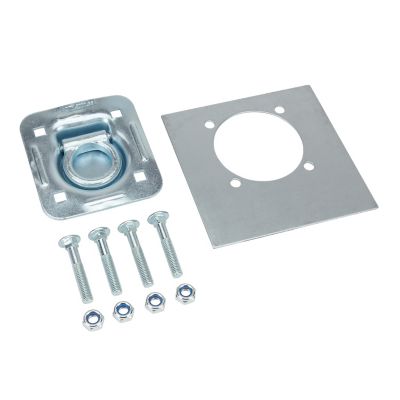
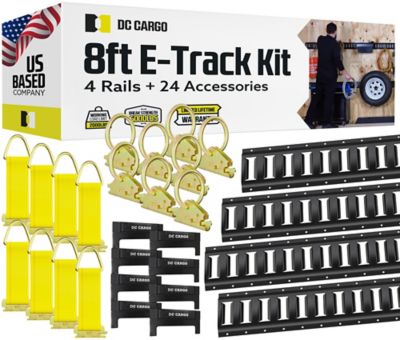
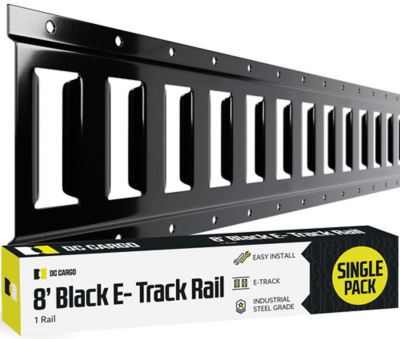
X-track accessories turn compatible slotted rails into adjustable anchor points and storage spaces for trailers, truck beds, garages, and farm shops. The category includes tie-down fittings, rope rings, ratchet straps, hooks, baskets, and beam sockets, each serving a different purpose around a hauling or storage setup. Many accessories attach with a spring-loaded fitting that seats in a rail slot and locks in place, allowing the attachment point to move when the job changes. Accessories designed for both X-track and E-track can work with either rail style, but compatibility depends on the fitting and the rail manufacturer’s specifications. That flexibility comes in handy when an enclosed trailer carries fencing tools one day and equipment for a property cleanup the next. Rather than leaving everything piled near the door, rail-mounted storage gives cords, hoses, and smaller supplies a place along the wall, while rated tie-down attachments provide connection points for cargo restraint. Rope rings offer loops for compatible restraints, and ratchet straps with track fittings connect cargo to the rail without requiring a separate hook-style anchor at that end. Hooks help keep coiled gear within reach, while baskets gather loose supplies that might otherwise disappear beneath a workbench. Beam sockets support compatible lumber for applications such as shelving or cargo shoring when the complete arrangement is designed and rated for that purpose. Storage accessories and cargo-restraint accessories are not interchangeable, even when their fittings attach to the same track. A hook that holds a hose in the shop is not automatically an anchor for equipment on the road. For property owners, tradespeople, and anyone who spends time loading a utility trailer, the value lies in matching each attachment to a real task. A clear floor, an accessible shovel, and a properly restrained load make very different demands on the hardware, and this category covers those different needs without requiring every setup to look alike.
Materials, dimensions, and load ratings help separate an accessory that fits the slot from one that fits the job. Steel is common in rings, brackets, sockets, and other load-bearing hardware, with finishes that may help limit corrosion from moisture and everyday exposure. The level of protection varies, so hardware intended for a dry garage may need different care than fittings riding in an open trailer through wet weather. Some storage hooks have coated contact surfaces that help cushion tools and reduce metal-on-metal contact. Strap assemblies often combine metal fittings and ratchet mechanisms with synthetic webbing; the webbing material, width, stitching, and labeled working load limit all matter more than appearance alone. Strap length also affects how neatly a load can be secured, since excess webbing needs to be contained rather than left flapping beside a trailer wheel. Fit involves more than the track name. Rail orientation, slot access, nearby trim, and clearance around the release mechanism can affect whether a fitting seats fully and remains accessible. Floor-mounted fittings may need to share space with tires, equipment feet, or loading ramps, while wall-mounted accessories need enough room for the gear they hold. For cargo restraint, the accessory’s working load limit is only one part of the system. Rail capacity, fasteners, the mounting surface, connection points, and the direction of pull all affect the complete arrangement, which cannot exceed its lowest-rated component. Breaking strength is not the same as working load limit, and adding fittings does not automatically increase a rail’s capacity. A mower traveling over a rutted lane places different demands on a setup than a coil of hose hanging beside a barn door. Rated restraints, appropriate attachment points, and the manufacturer’s directions belong at the center of any transport arrangement. Bungee cords and general storage hooks are not substitutes for rated cargo tie-downs. Matching the hardware to the load helps keep the setup practical without asking any component to do more than it was built to handle.
A useful X-track layout leaves room for the way work actually happens. Long-handled tools need clearance below their hooks, baskets should stay out of doorways, and frequently reached supplies belong where unloading a machine will not block them. In a farm shop, that might mean keeping extension cords off a damp floor and gathering small supplies near the work area. In an enclosed trailer, it might mean choosing lower-profile attachments along a narrow walkway so clothing and loose straps have fewer places to catch. Open storage that works well on a stationary wall may need additional retention in a moving trailer; a basket or hook alone does not necessarily keep its contents contained during braking or a sharp turn. Beam sockets bring another set of fit considerations, including the specified lumber dimensions, span, support arrangement, and load limits. Lumber condition matters too, especially where splits, knots, or moisture could affect its ability to carry the intended load. For a project that also needs rails and mounting components,
Etrack Kits offers a related starting point, with accessory compatibility and included components still worth checking against the planned setup. Once everything is in place, routine attention helps extend service life. Dirt, chaff, and grit can collect around slots and spring mechanisms, making it harder for fittings to engage completely. Webbing deserves a close look for cuts, fraying, damaged stitching, and wear where it contacts cargo edges. Bent hardware, cracked parts, heavy corrosion, or a latch that no longer operates properly are reasons to take an accessory out of service and follow the manufacturer’s replacement guidance. During cooler months, wet gear and road spray make drying and inspection especially important before equipment sits between jobs. Cleaning methods and lubrication should follow the directions for the particular component, rather than relying on a treatment that could harm webbing or attract grit. With the right fit and sensible upkeep, X-track accessories help keep working spaces organized and hauling arrangements adaptable as chores, equipment, and seasons change.