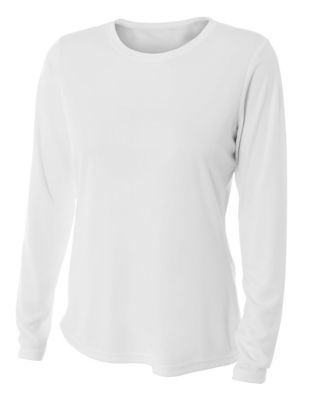
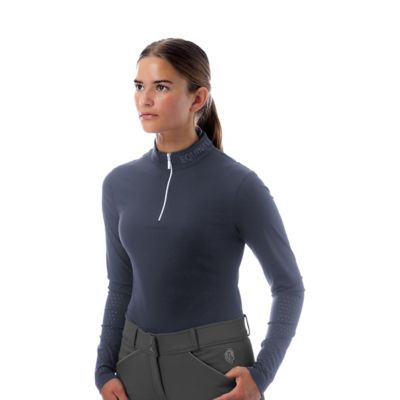
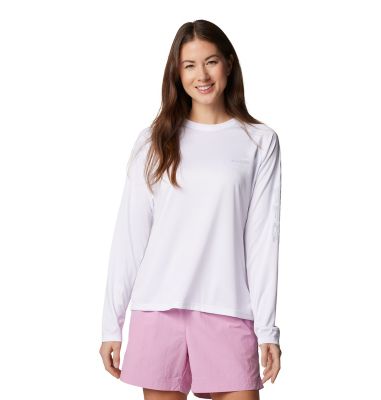
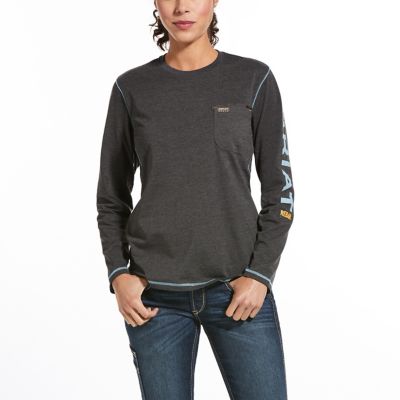
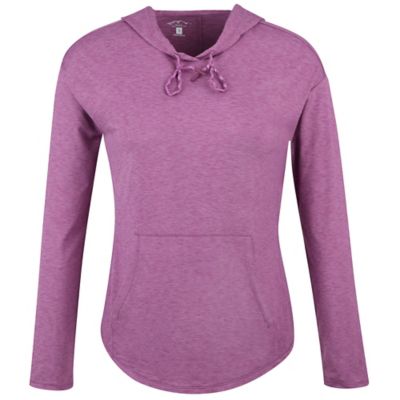
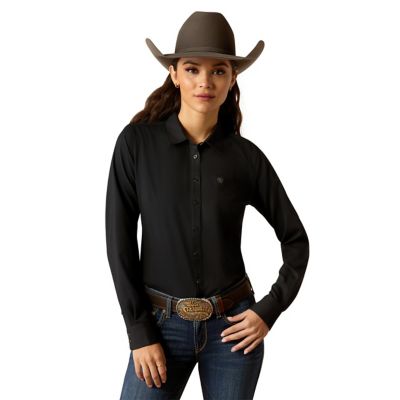
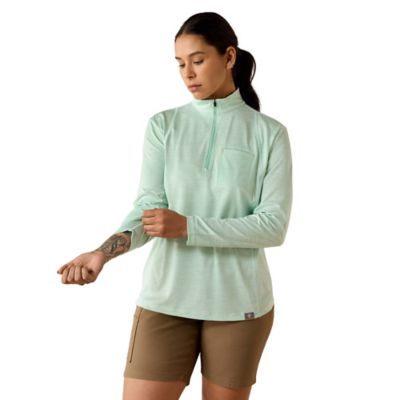
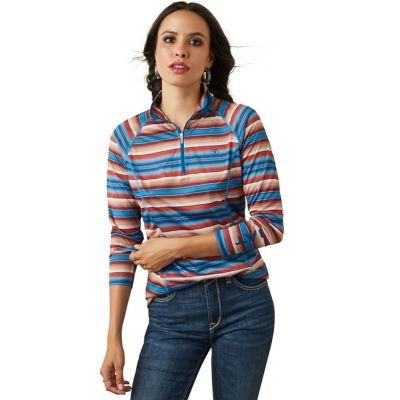
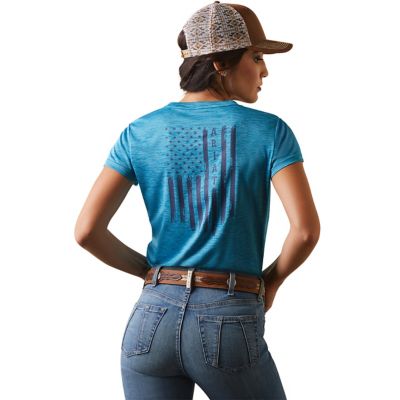
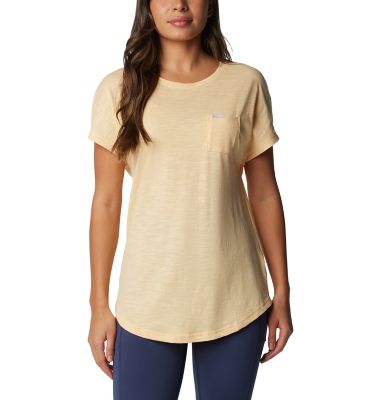
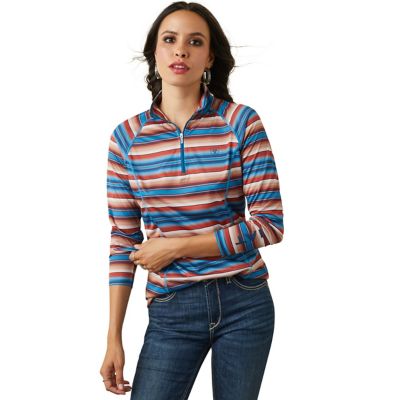
Workout shirts for women are made for movement, whether that means lifting weights at the gym, walking a gravel lane or stretching out on a mat after the chores are done. The category includes short sleeve tees, sleeveless tanks, long sleeve tops and cropped styles, with different cuts and fabrics to suit different routines. A shirt for a steady walk may feel different from one meant for a fast-paced circuit, so comfort starts with how the fabric handles sweat and follows your movement. Polyester and nylon are common in performance shirts because they tend to dry faster than cotton. Moisture-wicking fabrics help move perspiration away from the skin toward the fabric’s outer surface, where it can evaporate. That can make a difference when a workout moves from an easy warmup into a harder effort, though no shirt can keep someone completely dry through every session. Spandex, also called elastane, adds stretch for reaching, bending and twisting. A polyester-spandex or nylon-spandex blend can give a top enough flexibility for overhead presses, rowing or a deep lunge without making it feel stiff across the back. Cotton has a soft, familiar feel that works well for easy movement and everyday wear, but it absorbs moisture and generally takes longer to dry. Cotton blends can offer a middle ground, depending on their fiber content and construction. Fabric weight matters, too: a lightweight knit may feel less restrictive, while a more substantial fabric can provide additional coverage. Mesh panels and open-knit sections allow airflow, but their placement affects how much coverage a top provides. Smooth seams, soft edges and a neckline that sits comfortably can be just as important as the fiber blend, especially when the same movement repeats for miles or through several sets. The best match is a shirt that suits the workout without needing constant attention.
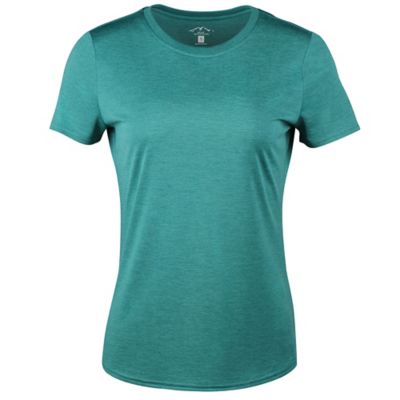
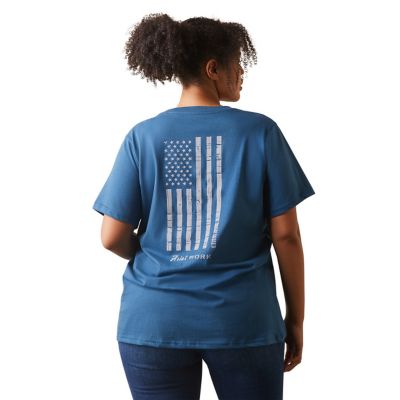
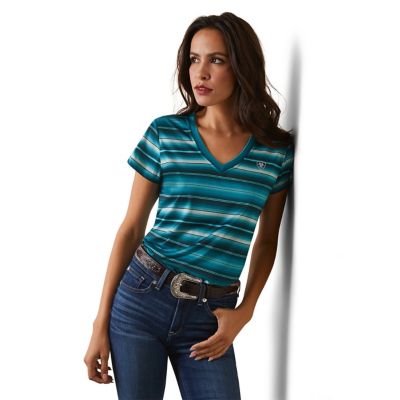
Fit changes how a women’s workout shirt feels once the movement starts. A fitted top stays close to the body and leaves less loose fabric around equipment, but it should still allow a full reach without pulling across the shoulders or squeezing through the upper arms. A relaxed tee offers more room through the chest and waist, which some women prefer for walking, stretching or an unhurried strength session. Oversized cuts have their place, though extra fabric can shift forward during a plank or bunch beneath a weightlifting belt. Length is another practical detail. A hip-length hem offers coverage through bends and reaches, while a cropped shirt pairs with higher-rise leggings or shorts without as much fabric gathering at the waistband. Side slits and shaped hems can make movement easier, depending on the cut. Short sleeves offer upper-arm coverage while leaving the forearms free; for that familiar tee shape,
Women's Short Sleeve Workout Tops brings the focus to a versatile style for many exercise routines. Tanks leave the shoulders uncovered and can feel less restrictive during overhead work, while long sleeves provide more coverage for anyone who prefers it. Necklines and armholes deserve attention beyond how they look standing still. A scoop neck may sit differently during a forward fold, and a wide armhole can reveal more of a sports bra when reaching across the body. A shirt’s coverage also depends on how its fabric behaves under stretch; a knit that looks opaque at rest may become more see-through when pulled tight. Some workout tops have built-in shelf bras, but their support varies and may not be enough for running or jumping. A separate sports bra can provide the support those activities call for. Size charts and garment measurements are more useful than a size label alone, particularly when comparing close-fitting performance cuts with roomy everyday tees. The aim is a fit that stays comfortable from the first stretch to the last rep.
Workout shirts also need to stand up to repeat wear and washing without turning laundry day into a project. Construction details such as even stitching, neatly finished seams and a neckline that holds its shape help a shirt stay comfortable over time. Flat seams can reduce rubbing, although seam placement still matters wherever fabric meets a bra strap, underarm or backpack strap. Snags, stretched collars and thinning fabric can develop from friction as well as laundering, so care instructions deserve a look before a shirt joins the regular rotation. Many athletic fabrics call for gentle washing and limited dryer heat, but the garment’s own care label should always set the routine. Turning a shirt inside out can help protect its outer surface, and keeping it away from open hook-and-loop fasteners or rough hardware in the wash can reduce snagging. Fabric softener may interfere with the sweat-moving performance of some fabrics, making the label’s directions especially helpful. Giving a sweaty shirt a chance to dry before it sits in a hamper can help limit lingering odors, while prompt washing keeps perspiration from building up in the fibers. Practical care matters for women who exercise several days a week, squeeze in a walk between errands or go from barn chores to a workout with little time to spare. A soft tee may suit a beginner building a walking routine, while a stretchy performance top may appeal to someone who lifts, runs or takes regular fitness classes. Workout shirts can also make thoughtful gifts for an active friend or family member when their preferred fit, sleeve length and size are known. Familiar colors and a cut similar to shirts they already reach for take some of the guesswork out of choosing. Whether paired with leggings, athletic shorts or joggers, a well-matched shirt should leave room to move, provide the coverage its wearer wants and feel comfortable enough to earn another turn in the weekly rotation.