Woodworking Countersink Bits
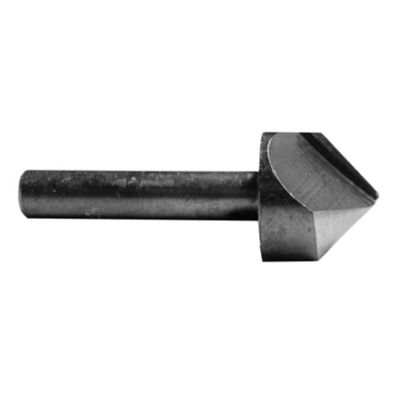
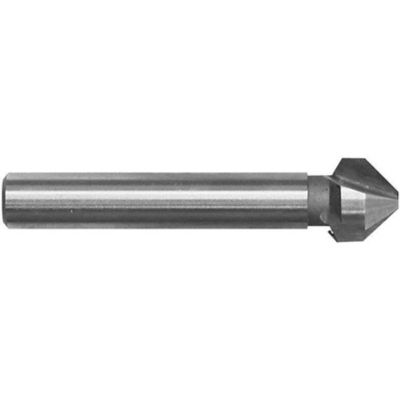
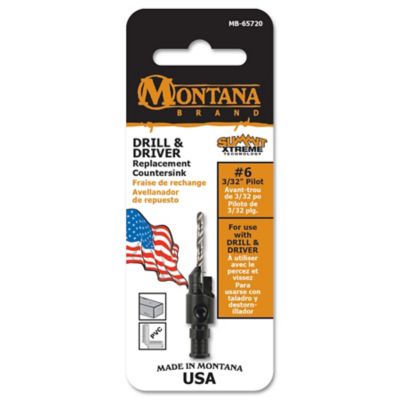
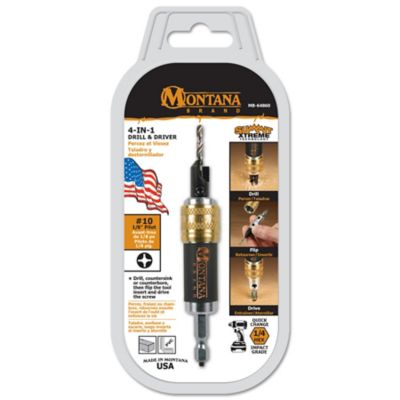
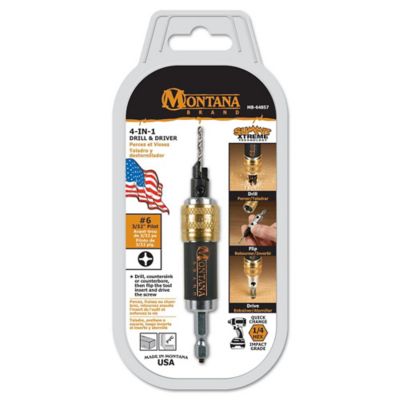
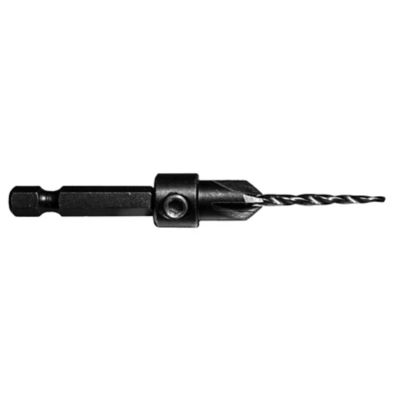
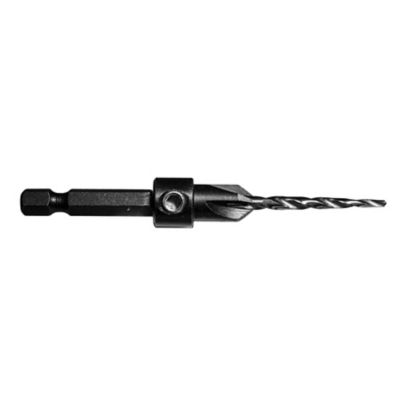
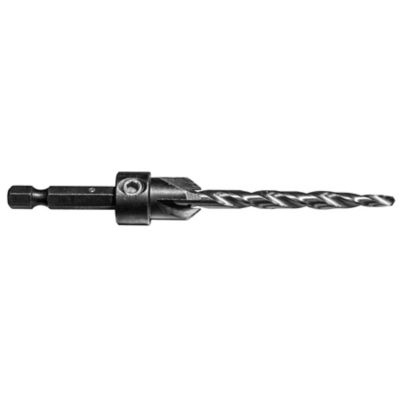
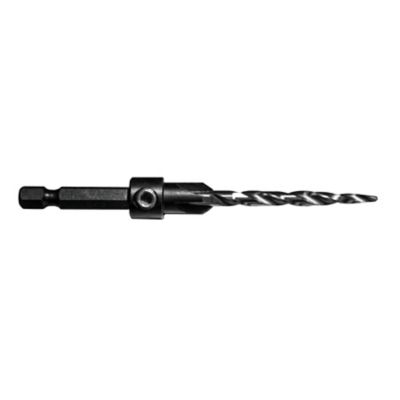
Find woodworking countersink bits to help screw heads sit flush with or just below the wood’s surface. As you shop, compare bit size, screw-head fit, and drill compatibility to find the right match for your woodworking project.
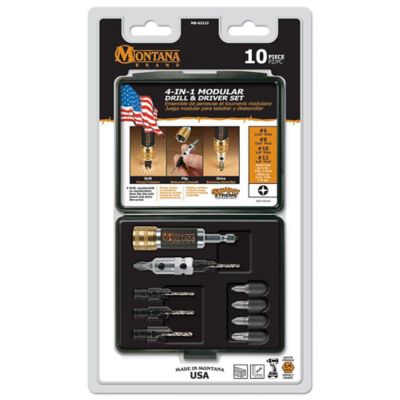
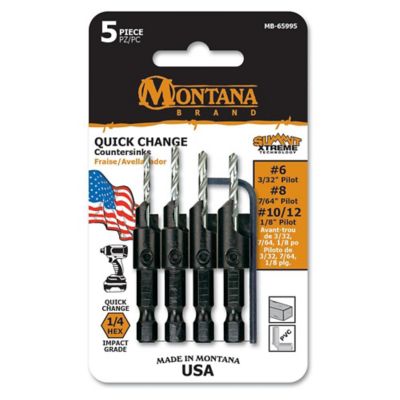
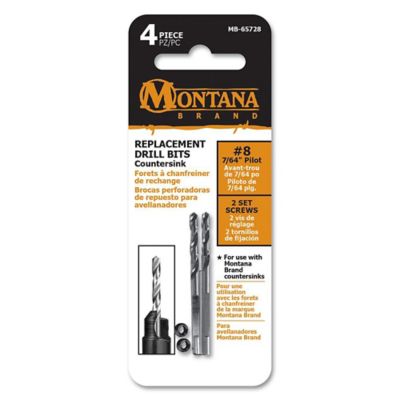
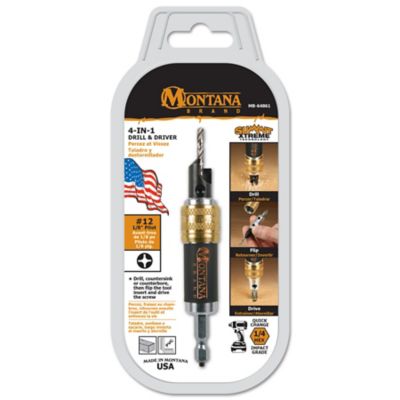
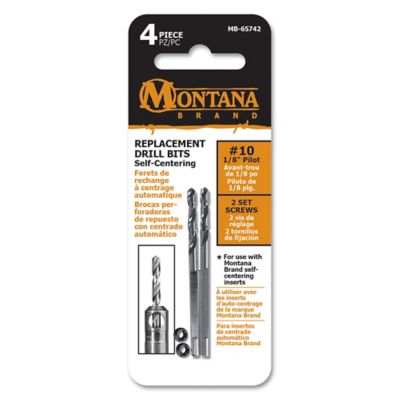
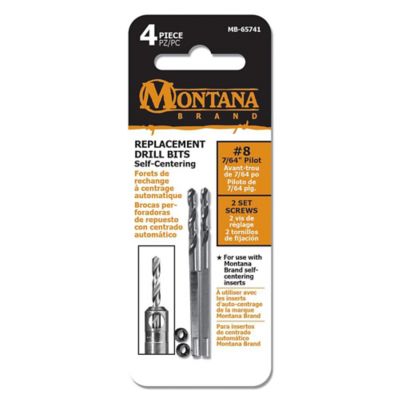
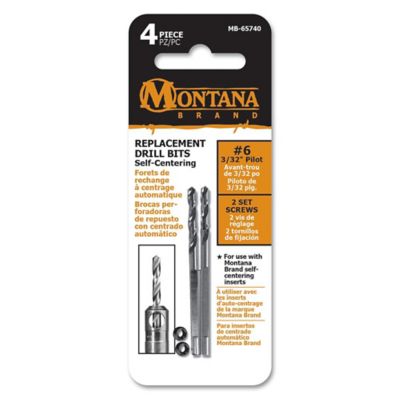
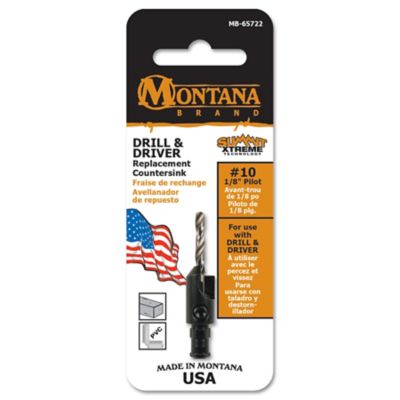
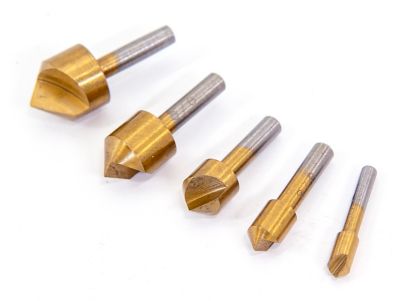
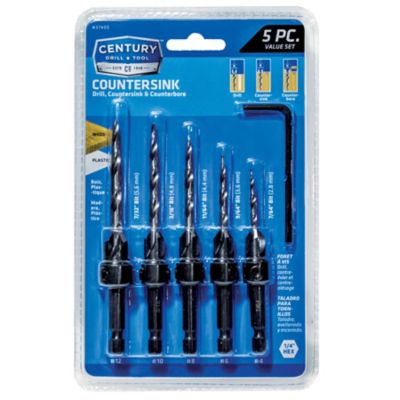
$31
.49
Sale Was $34.99 Save $3.50 (10%)
$16
.19
Sale Was $17.99 Save $1.80 (10%)
$9
.89
Sale Was $10.99 Save $1.10 (10%)
$9
.89
Sale Was $10.99 Save $1.10 (10%)
Best Of FAQ
What is a woodworking countersink bit?
A woodworking countersink bit cuts a cone-shaped recess at the opening of a screw hole. This recess gives a flat-head screw a place to sit flush with or just below the wood’s surface.
What’s the difference between a countersink and a counterbore?
A countersink makes a cone-shaped recess for a screw with a tapered underside. A counterbore makes a straight-sided recess with a flat bottom for a fastener head with a flat underside.
How do standalone countersink bits differ from combination drill-and-countersink bits?
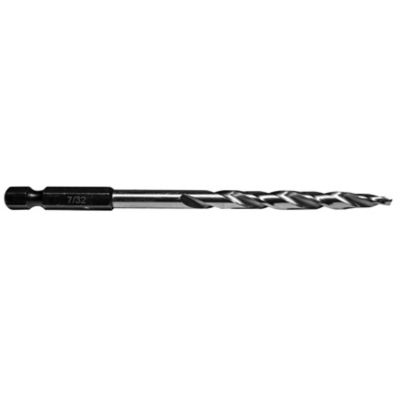
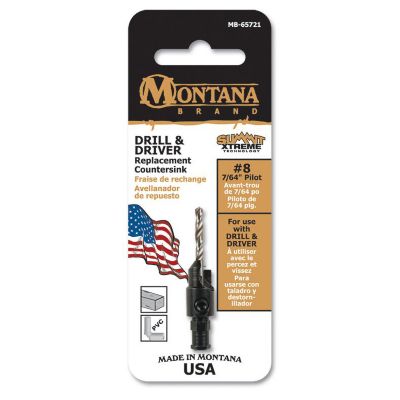
A standalone countersink bit shapes the opening of a hole that’s already drilled. A combination drill-and-countersink bit pairs a pilot drill with a countersink cutter, putting both operations into one tool.
Which screw head styles go with countersunk holes in wood?
Flat-head screws are a common match because their tapered undersides fit the cone-shaped recess. Oval-head screws also have tapered undersides, but their rounded tops stay above the wood. Pan-head and round-head screws generally seat against a flat surface instead.
When does countersinking fit into a woodworking project?
Countersinking typically comes after marking screw locations and drilling pilot holes, but before driving screws. With a combination drill-and-countersink bit, the pilot hole and recess are made together. Any filling, sanding or finishing around the screw heads usually comes afterward.
Best Sellers
-
"Great for working on ladders as you have all you need eliminating additional travel for drill & screwdriver"
-
"Great Bits. Wish I had bought them on Amazon, where they are $10 cheaper"
-
"Great for working on ladders as you have all you need eliminating additional travel for drill & screwdriver"
-
"Great Bits. Wish I had bought them on Amazon, where they are $10 cheaper"
-
"I love the performance of these screws. They are very strong and able to secure heavy frames"