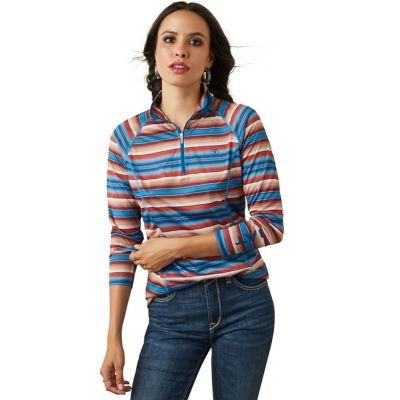
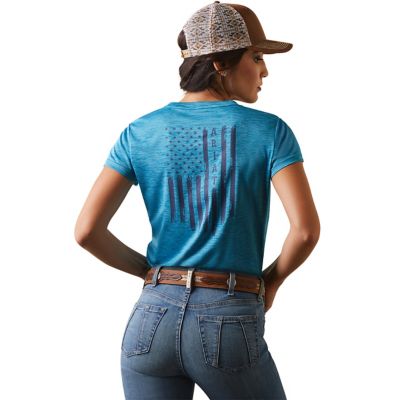
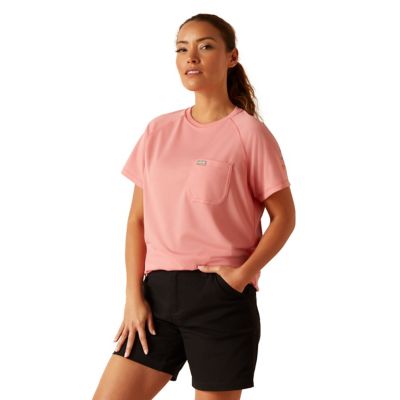
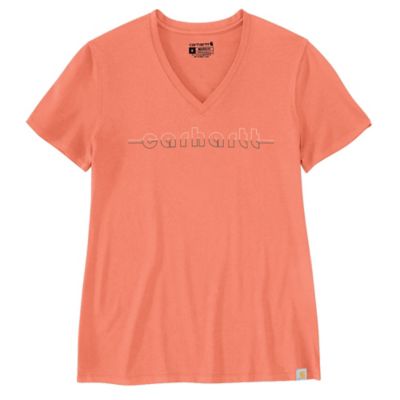
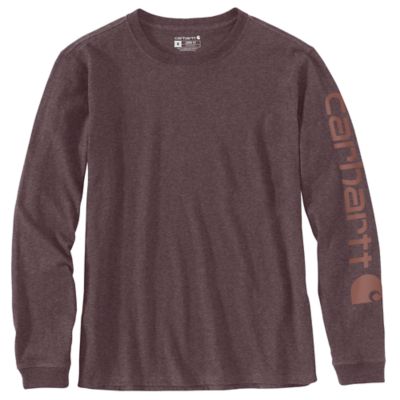
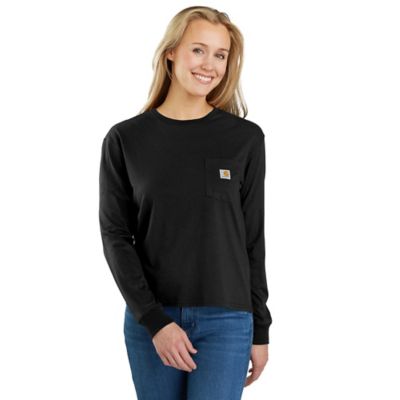
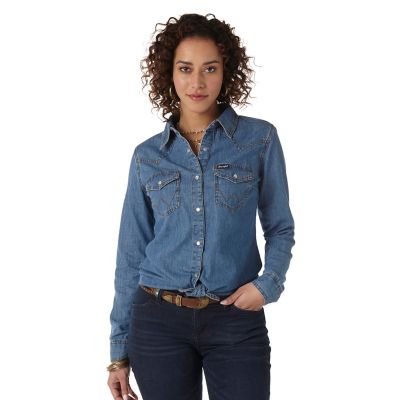
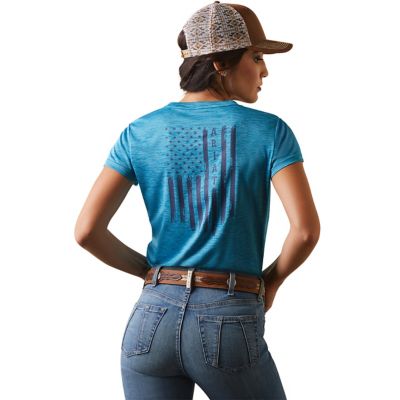
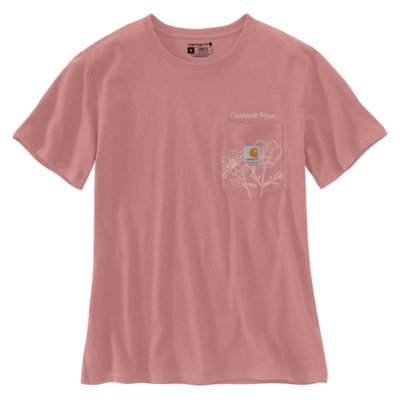
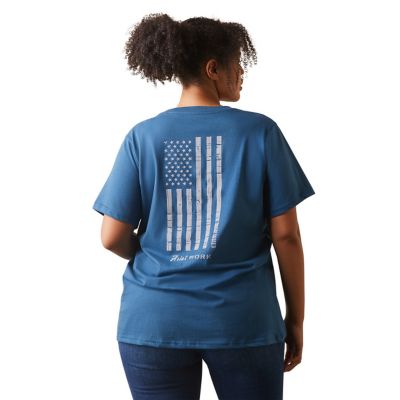
Women's v-neck T-shirts fit easily into the kind of day that starts with feeding animals and ends with a stop in town. Their familiar shape works with jeans, work pants, shorts, and casual skirts, while the angled neckline gives a plain tee a little more definition. That makes them handy for women who want everyday clothes that feel comfortable without looking like an afterthought. Fabric is a big part of that comfort. Cotton brings a soft feel and absorbs moisture, while cotton blends can balance that familiar texture with other useful features. Polyester in a blend may help a shirt dry more readily and hold its shape, and rayon can give the fabric a smoother drape rather than a boxy outline. A small amount of spandex adds stretch for reaching, bending, and getting through a busy day. The percentages matter, though: a mostly cotton shirt can feel quite different from one with a larger share of synthetic fibers, even when both have a similar cut. Jersey knits usually have a smooth face and an easy drape, while ribbed knits have a more noticeable texture and often sit closer to the body. Fabric weight makes a difference, too. A lighter tee can tuck neatly into a waistband without much bunching, while a more substantial knit may offer the coverage and structure someone prefers for wearing on its own. Neither is automatically the better choice; it comes down to how the shirt fits into the rest of a wardrobe. For someone moving between a home office, the feed room, and an afternoon of errands, a soft knit with enough give can be a practical starting point. For someone who prefers a cleaner outline under an open button-down, a smoother fabric and a less roomy cut may feel more put together. The best match is the one that suits the wearer's routine without needing constant tugging or adjusting.
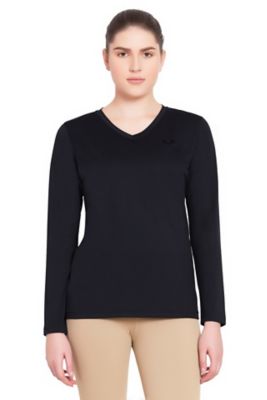
The fit of a women's v-neck tee involves more than the size on the tag. Shoulder placement, sleeve shape, body width, and hem length all change how a shirt feels once it's on. A shoulder seam that sits near the edge of the shoulder generally gives a more defined fit, while a dropped seam creates a looser outline. Short sleeves can sit close to the upper arm or leave more room, so sleeve openings deserve attention alongside the chest measurement. A fitted tee follows the body more closely and can lie smoothly beneath another shirt; a relaxed fit leaves extra space through the torso and may be more comfortable for someone who doesn't like fabric clinging around the middle. Length matters just as much. A longer hem offers more coverage when reaching onto a shelf or leaning over a garden bed, while a shorter hem can sit neatly at the waistband without leaving a lot of fabric to tuck. Side slits and curved hems can also affect how a tee falls over the hips. The neckline itself deserves a look, since a shallow V offers a different amount of coverage than a deeper cut. Neckband width and the way the point is finished influence whether the opening looks crisp or softly shaped. For another everyday neckline,
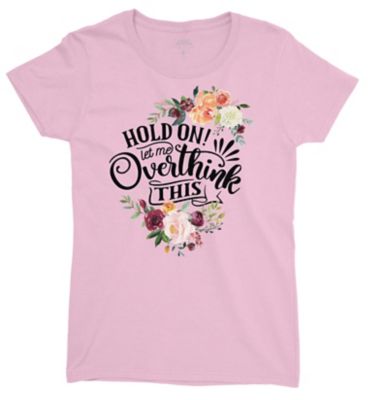
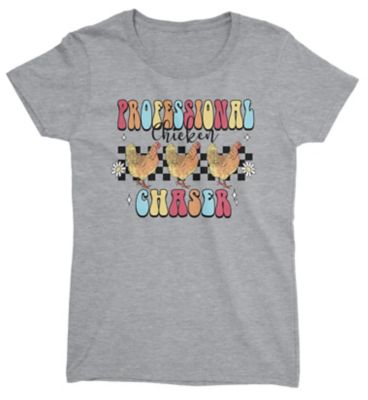
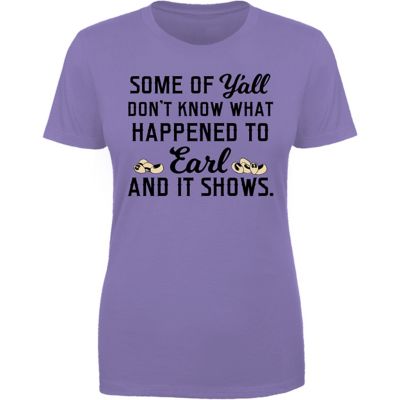
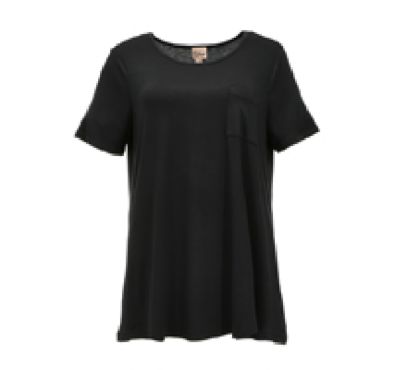
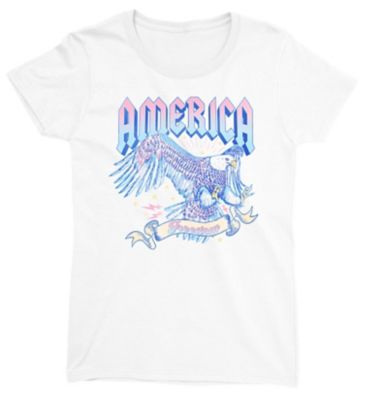
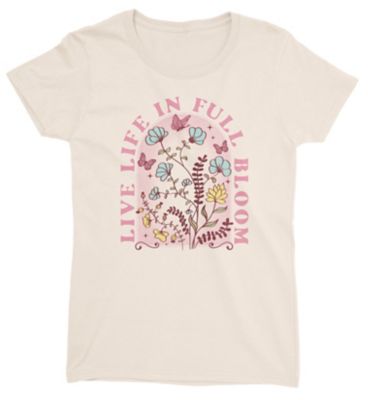
women's scoop neck T-shirts offer a rounded alternative that pairs with many of the same clothes. Solid colors make outfit planning straightforward, while prints and graphics can bring more personality to a simple jeans-and-tee combination. Lighter colors and thinner fabrics may show more of the layer underneath, so coverage preferences are worth considering along with color. Comparing garment measurements with a favorite shirt can make size selection less of a guessing game, especially when choosing between a close fit and extra room.
Everyday T-shirts get plenty of wear, so construction and care matter long after the first outfit comes together. Even stitching, neatly finished seams, and a neckband that lies flat are useful details to look for. Reinforcement around the shoulders and neckline can help those areas handle repeated pulling and movement, while a hem that sits smoothly is less likely to feel distracting against the skin. No fabric is immune to wear, but matching laundry habits to the care label can help preserve the shape, color, and feel of a favorite tee. Washing with similar colors, turning printed shirts inside out, and keeping rough fasteners away from soft knits can reduce unnecessary rubbing. Cotton-rich fabrics may shrink if care directions aren't followed, while stretch blends benefit from handling that protects their give. Following the recommended dryer setting or allowing a shirt to air-dry, when the label permits, can help limit stress on the fabric. Folding tees rather than stretching them over a narrow hanger may also help keep the shoulders looking tidy. For chore clothes, treating a small stain promptly according to the fabric instructions is often easier than dealing with it after several wash cycles. A few tees suited to different parts of the day can make getting dressed simpler: a roomy one for tending the garden, a smooth-fitting one for layering beneath a work shirt, and a favorite color for meeting friends at the diner. They can also make thoughtful gifts for a daughter heading out on her own, a sister who lives in jeans, or a friend who appreciates practical clothing. Knowing the recipient's usual size, preferred neckline depth, and favorite fabric feel helps make that choice personal without making it complicated. Whether it's worn for household projects, a trip to the county fairgrounds, or a quiet day close to home, a well-fitting v-neck tee earns its place by being easy to reach for and comfortable to keep wearing.