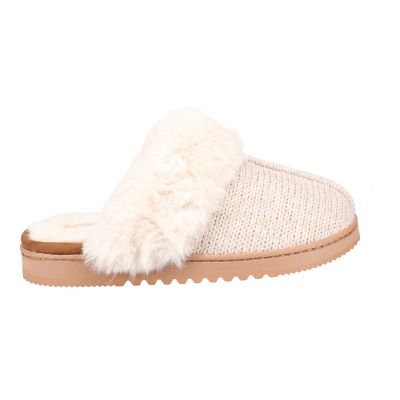
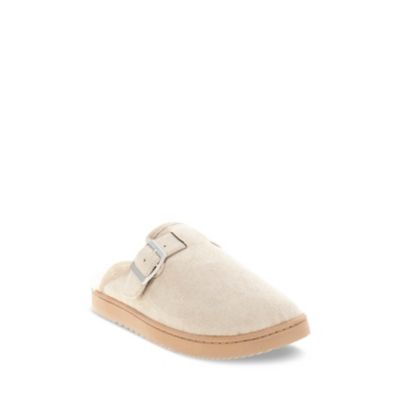
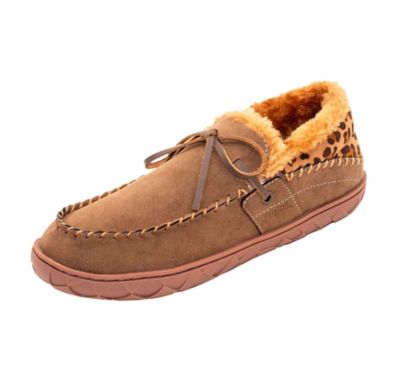
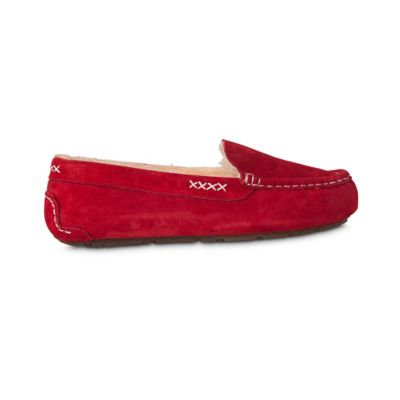
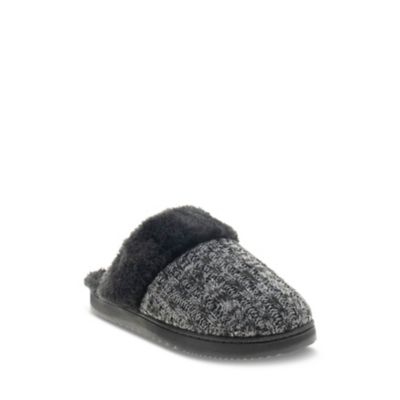
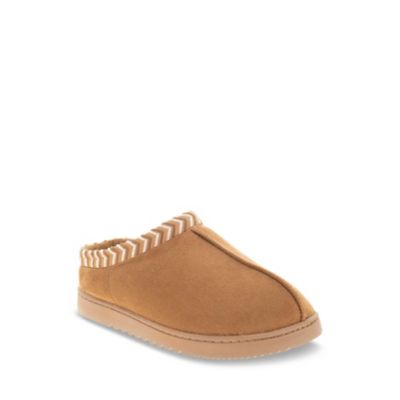
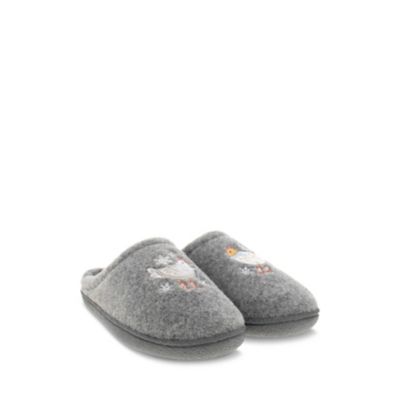
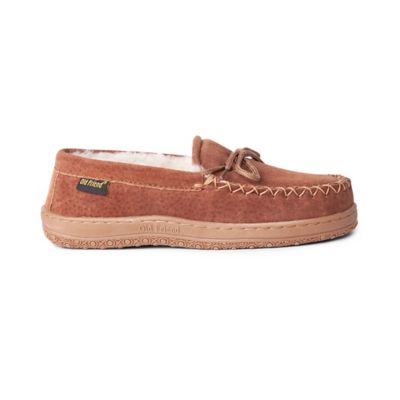
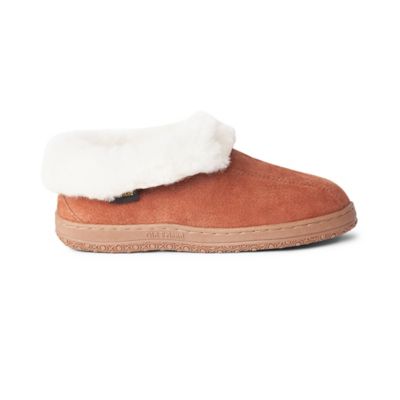
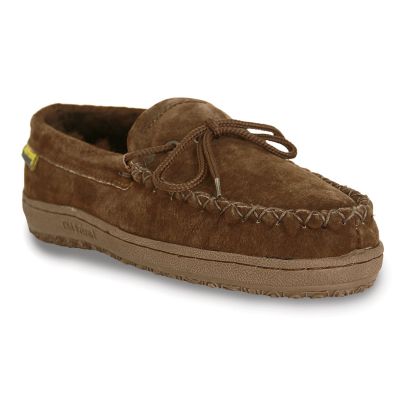
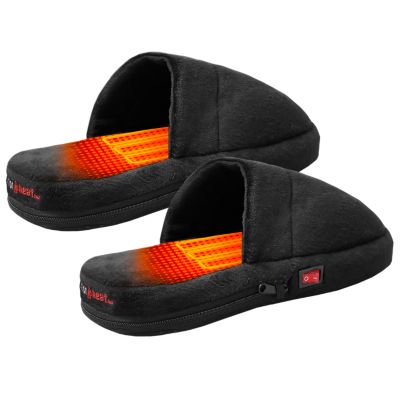
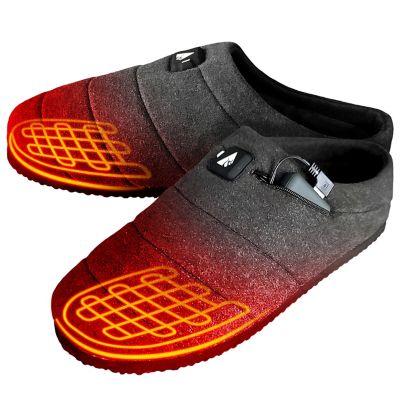
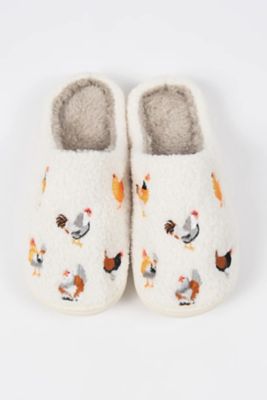
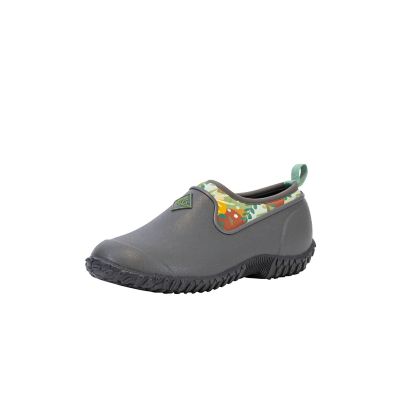
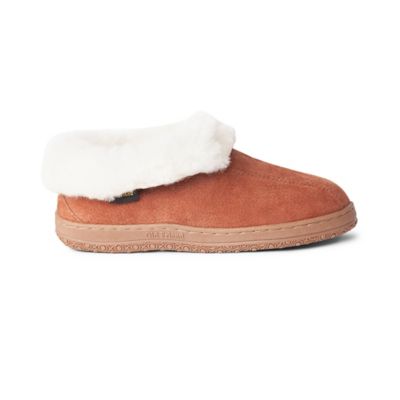
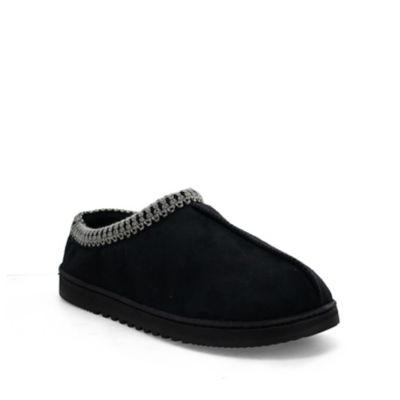
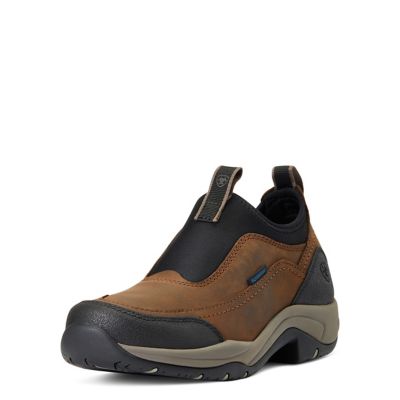
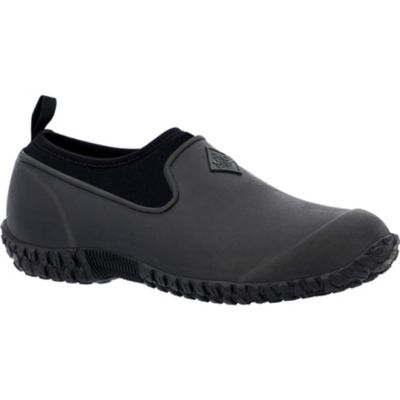
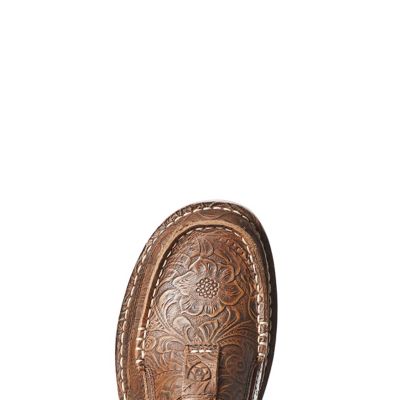
Women's rubber sole slippers pair the easygoing feel of house shoes with a firmer layer between your feet and the floor. Their rubber outsoles can provide traction on household surfaces and stand up to brief trips beyond the doorway when the slippers are intended for indoor and outdoor wear. That makes them a practical choice for mornings spent fixing breakfast, afternoons folding laundry and evenings settling into a favorite chair after chores. The sole matters just as much as the soft lining: its tread, flexibility and thickness all affect how a slipper feels underfoot. A textured bottom can help with grip, though no slipper is slip-proof, and spills or smooth flooring still call for care. A thicker outsole may offer more separation from porch boards or a concrete step, while a flexible sole lets the foot bend naturally during everyday movement. Deep tread is not automatically better for house shoes, since wider grooves can carry grit back indoors. Shallow texture may be easier to wipe clean before stepping onto a rug. Rubber soles also vary in weight, so a substantial bottom should still feel manageable rather than heavy or clumsy. Open-back scuffs are easy to slide into beside the bed, closed-back slippers offer more heel coverage, and moccasin shapes surround the foot with a familiar, relaxed fit. Clog-style slippers often combine an easy entry with a more substantial upper. The right shape depends on whether the pair will mostly stay beside the couch or accompany short trips onto the porch. Even slippers labeled for indoor and outdoor wear are not a stand-in for work boots, walking shoes or protective footwear. Feeding livestock, moving equipment and crossing uneven ground call for shoes suited to those jobs. For lighter routines around the house, rubber-bottom slippers offer a useful balance of softness, grip and everyday convenience without asking you to lace up a full pair of shoes.
The upper, lining and footbed give women's slippers with rubber soles much of their character. Knit and fabric uppers can feel light and flexible, while suede or leather brings a different texture and may hold its shape more firmly. Wool can absorb moisture from feet and allow it to move through the fibers; shearling provides a dense, soft lining, and faux fur or fleece offers a plush feel with different care needs. A thick lining takes up room inside the slipper, so two pairs marked with the same size may not fit alike. Fit should leave the toes room to rest naturally without letting the foot slide forward or the heel lift excessively. For slippers worn with socks, the fit needs to account for that extra layer rather than relying on the lining to stretch. Closed-back styles should sit comfortably around the heel without rubbing, while open-back styles need enough length to keep the heel on the footbed instead of hanging over the edge. Women who wear wide footwear may prefer a wider fit rather than sizing up and ending up with extra length. Cushioning is another consideration. Memory foam can contour beneath the foot, but a soft footbed does not necessarily provide substantial arch support. More structured footbeds may include a shaped arch or heel cup, while flatter designs tend to have a simpler feel. Shoppers comparing padding and footbed shapes can also explore
Women's Cushioned Slippers for related comfort-focused styles. Cushioning should feel comfortable without making the foot unstable, particularly while standing at the kitchen counter or walking between rooms. A rubber outsole adds traction and protection beneath the slipper, but it does not determine how supportive the inside will be. The most comfortable combination brings together a suitable fit, a lining that feels good against the foot and a footbed matched to the wearer's everyday routine. Anyone wearing prescribed inserts should confirm that the slipper has enough depth and, where needed, a removable footbed.
Everyday wear also puts a slipper's construction and care requirements to the test. Stitching around the upper, the connection between the sole and the body, and reinforcement near the toe all contribute to how well a pair holds together over time. A firmly attached outsole should flex with the slipper rather than pull away at the edges. Keeping grit out of the tread helps protect floors, and setting slippers aside for house wear can keep dirt from following you through the kitchen. Rubber bottoms are generally easy to wipe, but the upper and lining need care suited to their materials. A suede upper may need gentle brushing and a cleaner intended for suede, while some fabric slippers allow washing according to their care label. A rubber sole alone does not make the entire slipper waterproof or machine washable. Following the stated washing and drying directions helps preserve the shape, lining and bond between the upper and outsole. Letting slippers dry fully before wearing them again is especially helpful when the lining holds moisture from feet or cleaning. Direct heat can damage some materials and adhesives, so drying methods deserve the same attention as washing. Over time, flattened cushioning, worn tread, loose stitching or a sole that starts separating can signal that a pair no longer feels or performs as it should. Color and finish have a practical side, too: darker fabrics may show less everyday dust, while lighter linings make it easier to spot areas that need cleaning. Simple solids, patterned uppers and stitched moccasin details offer different looks without changing the importance of fit. Slippers can also make a thoughtful gift for a mom, sister, spouse or friend who appreciates comfortable footwear around the house. Knowing the recipient's shoe size, preferred heel coverage and usual sock choice helps make that gift more personal. Whether they sit beside the bed or wait near the entryway after a long day, women's rubber sole slippers work best when their materials, fit and intended use line up with the routines of the person wearing them.