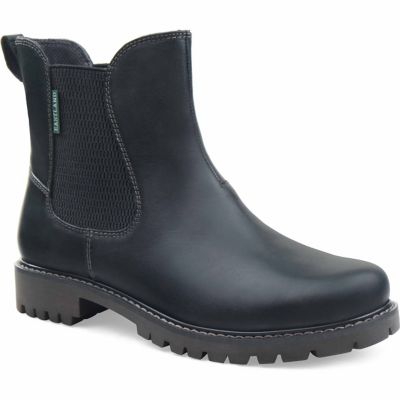
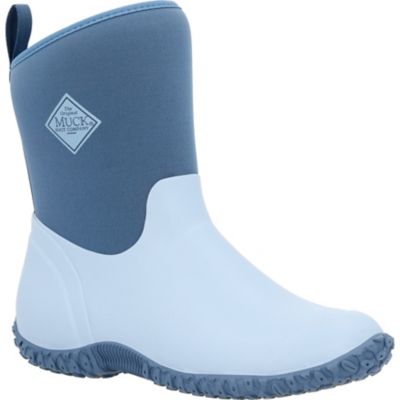
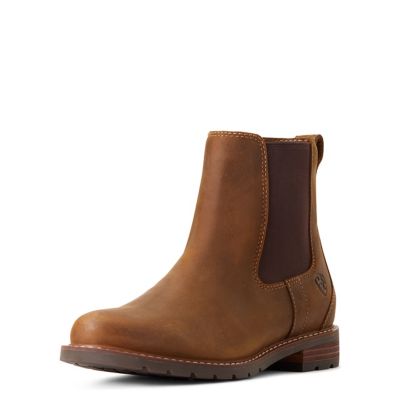
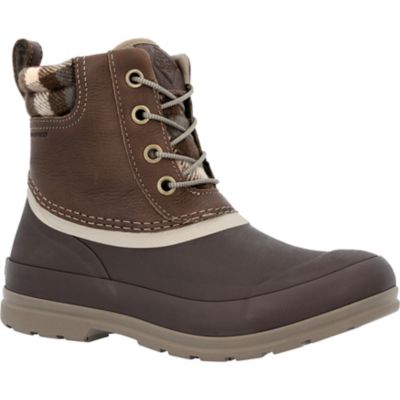
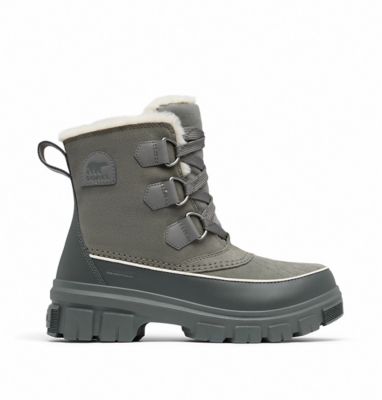
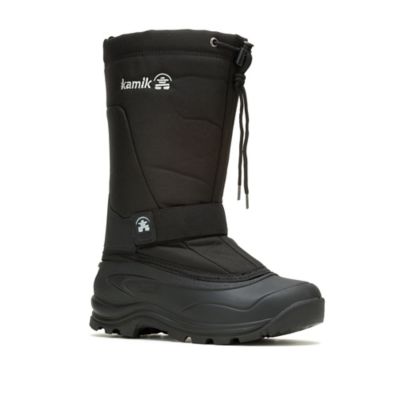
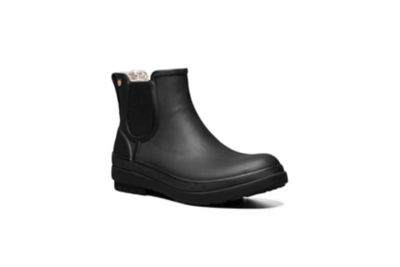
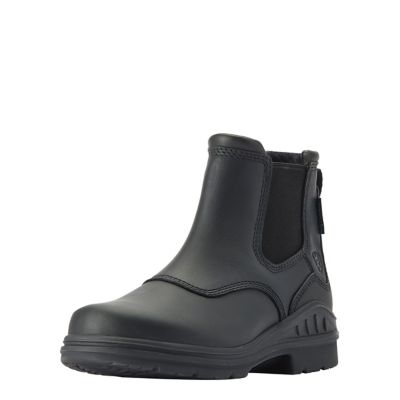
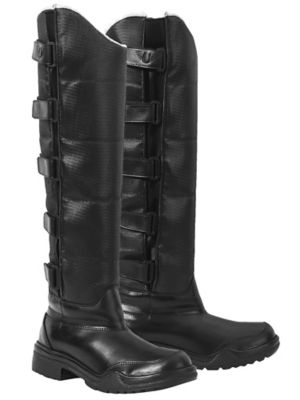
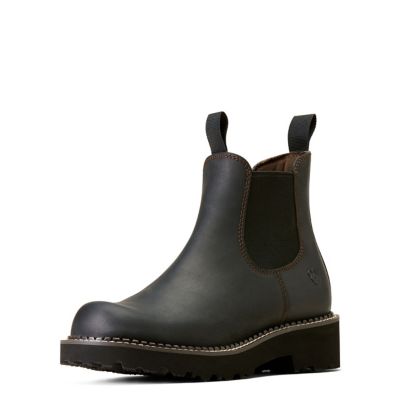
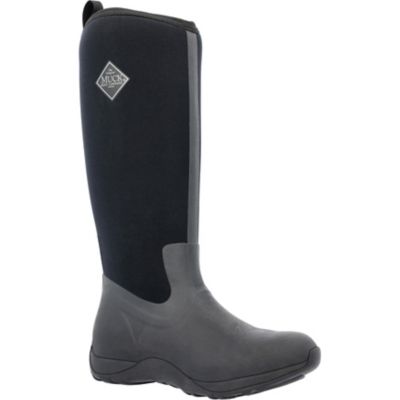
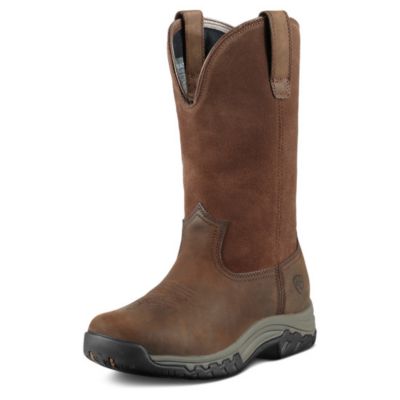
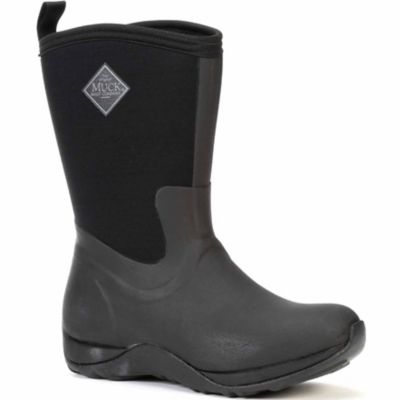
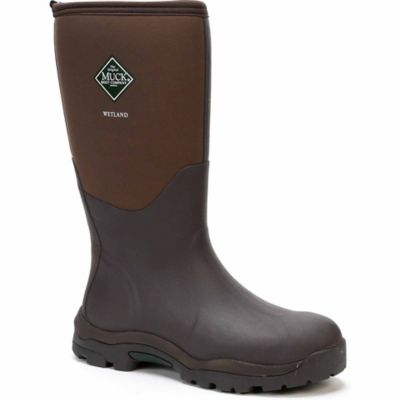
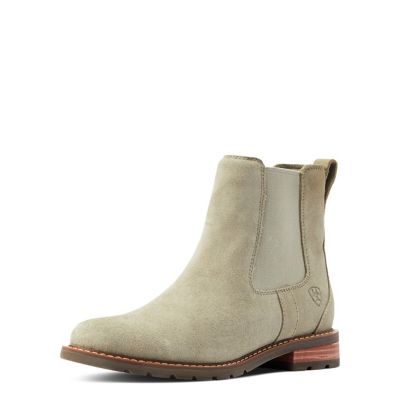
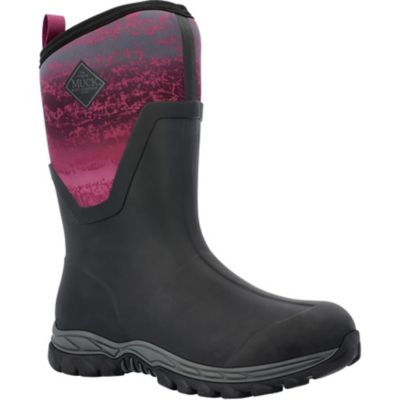
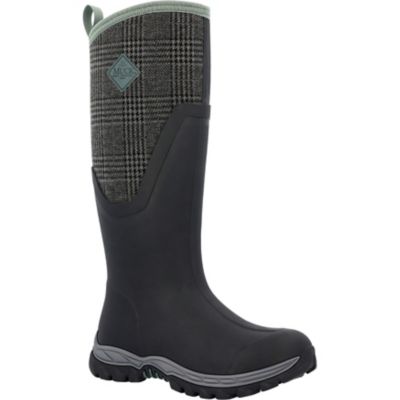
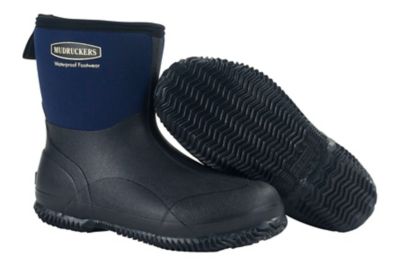
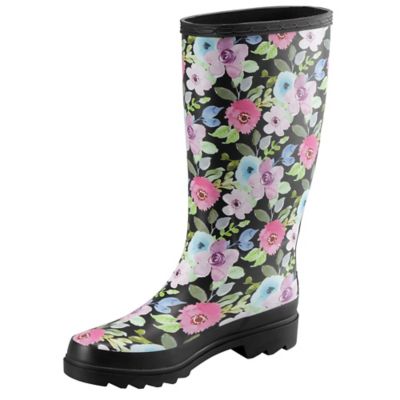
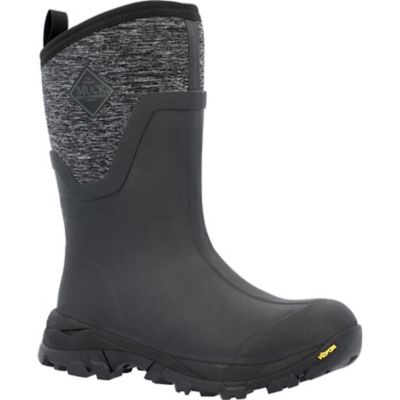
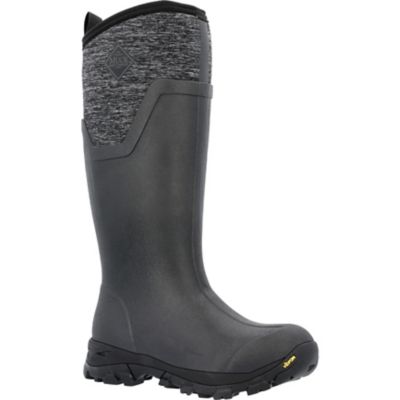
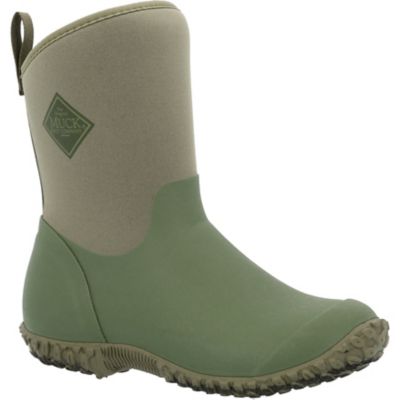
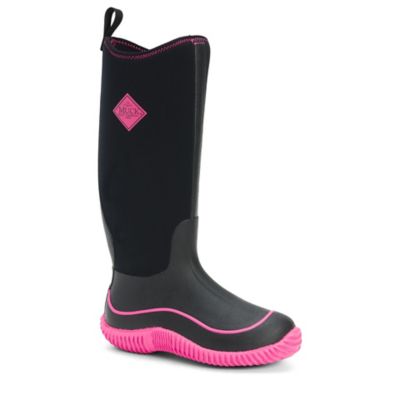
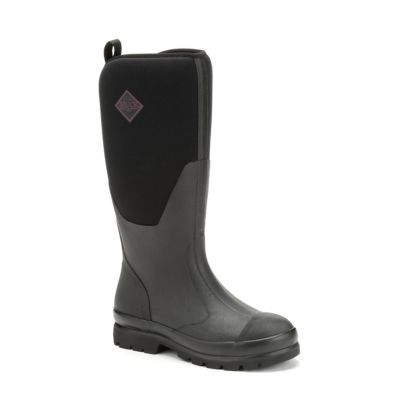
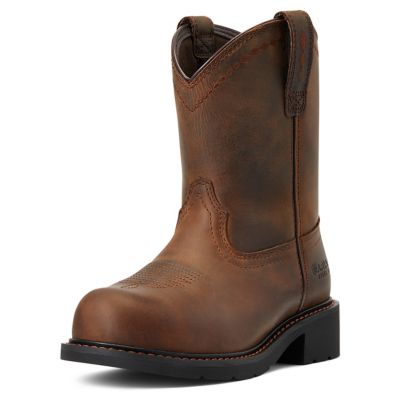
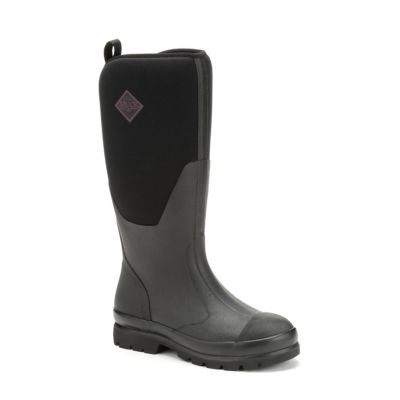
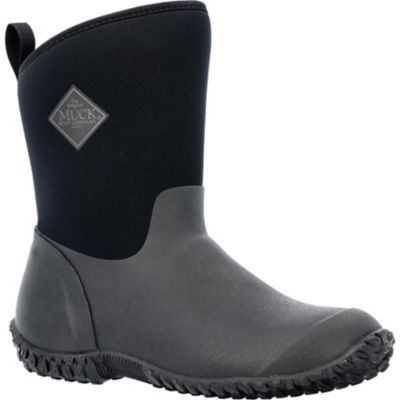
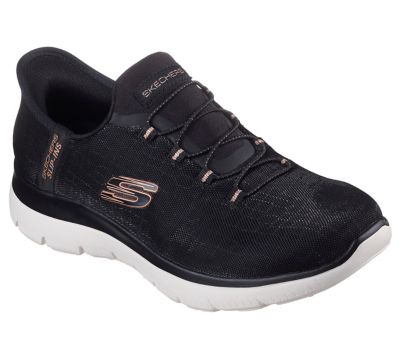
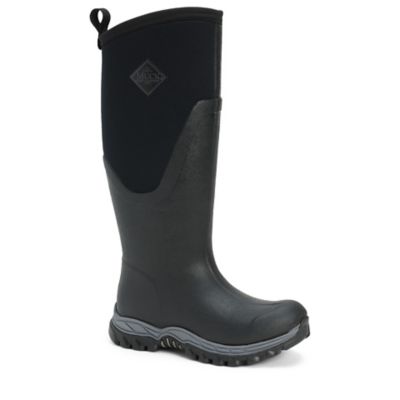
Women’s pull-on winter boots combine easy slip-on entry with features built for cold-weather wear, such as insulation, moisture protection and treaded soles. Their lace-free design keeps getting out the door simple, whether the morning starts with feeding chickens, walking down a gravel drive or heading into town. Pull tabs, roomy openings and flexible shafts can make them easier to get on with thick socks, while a well-shaped heel helps keep the foot settled once walking begins. The category spans ankle-height boots for errands and shorter outings, mid-calf styles for more coverage and taller boots that help keep snow away from pant cuffs. Shaft height matters when stepping through drifts or crossing a snowy yard, though a tall shaft alone does not make a boot waterproof. Waterproof construction depends on the materials and how the seams and other openings are sealed; water-resistant materials offer more limited protection against moisture. Rubber lower sections can help shield feet from wet slush, while leather, suede, textile and neoprene uppers bring different combinations of structure, flexibility and coverage. Leather has a substantial feel that suits everyday wear, suede has a softer surface that needs attention around salt and water, and flexible neoprene can make bending and walking feel less restricted. Fleece and faux-fur linings add softness against the foot, while insulating layers help slow heat loss. Not every lined boot has the same insulation or moisture protection, so those details matter more than a thick-looking cuff. For someone moving between the house, a vehicle and a heated building, a lighter insulated style may feel less cumbersome. Longer stretches outside, such as watching a livestock show or standing beside a gate, call for a closer look at insulation, underfoot protection and room for suitable socks. The right balance depends on how much walking, standing and exposure the day holds.
Fit makes a noticeable difference in women’s insulated pull-on boots because there are no laces to tighten around the instep or loosen over a thicker sock. A comfortable fit leaves space for toes to move without allowing the foot to slide forward on a slope. A little heel movement can occur in some pull-on shapes, but repeated rubbing or a heel that lifts excessively can turn a short walk into a nuisance. The opening needs enough room for the foot to pass through, and the shaft should sit comfortably around the calf without pinching when sitting or bending. Anyone planning to tuck in jeans or wear heavier wool-blend socks will want to account for that extra thickness. Going up a size automatically is not always the answer; the boot’s shape, width and sizing information are better starting points. Socks that crowd the toes can make feet less comfortable and undermine the benefit of insulation, while wool or synthetic blends help manage perspiration during active chores. For shoppers who prefer a closer-adjusting fit through the ankle and lower leg,
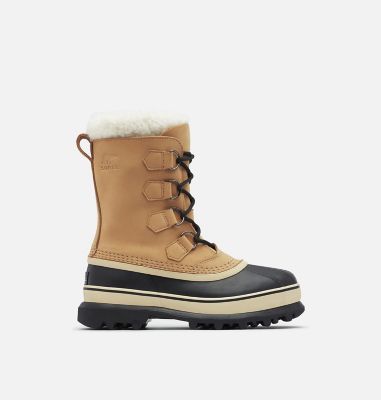
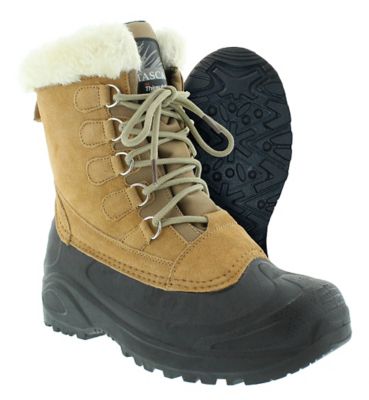
Women's Lace Up Winter Boots offer a different closure style. Underfoot construction deserves just as much attention as the upper. Cushioned footbeds and midsoles can soften the feel of packed ground, and a stable heel platform helps a boot feel planted when carrying groceries or a feed scoop. Deep outsole lugs can provide grip in loose snow and muddy patches, while their spacing affects how readily packed material releases. Rubber compounds vary in how they flex in cold conditions, so tread depth is only one part of traction. No ordinary winter boot makes slick ice safe, and even a rugged-looking sole calls for careful footing on frozen steps or polished, packed snow. Boot weight also shapes everyday comfort: substantial construction may suit slower chores, while a lighter, more flexible pair can be easier to walk in across a parking lot or along a cleared path.
Intended use helps narrow the differences between women’s pull-on snow boots, winter chore boots and casual cold-weather styles. A pair meant for repeated trips through a wet barnyard benefits from a cleanable lower section, reinforced wear areas and construction suited to sustained moisture exposure. For town trips and daily commuting, flexibility, manageable weight and a shape that fits comfortably beneath pants may matter more. Casual winter footwear is not a substitute for task-specific protective footwear where impact protection, chemical resistance or other workplace requirements apply. Details such as reinforced toe areas, firmly attached pull loops, neatly joined seams and a well-bonded sole help a boot stand up to repeated entry, bending and walking. Those details are especially worthwhile when boots spend their days crossing gravel, brushing against steps and getting pulled on for one more trip to the shed. Care needs vary by material, but removing dirt and road salt before they build up helps protect both the surface and the seams. Rubber sections generally wipe clean more readily than textured fabric, while leather and suede need cleaners and treatments intended for those materials. Waterproof membranes and treated uppers also have their own care requirements; a surface treatment does not turn every boot into waterproof footwear. Drying boots with gentle airflow, away from a stove, radiator or other direct heat source, helps protect materials and adhesives. Removable liners or footbeds, when part of the design, can be taken out to dry according to the care directions. Letting the interior dry fully between outings helps manage lingering dampness and odor. For gifting, pull-on winter boots can be a thoughtful choice for someone who spends plenty of time outside, provided their size, calf fit and usual activities are known. Whether they are headed to the mailbox, helping with morning chores or walking into work, the most useful pair brings together easy entry, comfortable support and the level of winter protection the job calls for.