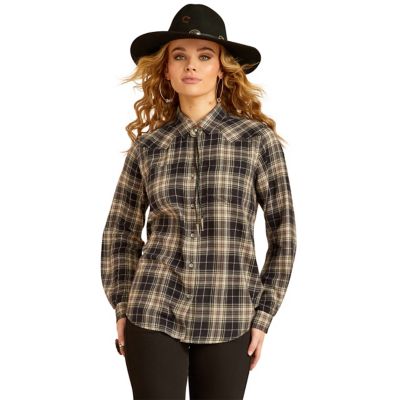
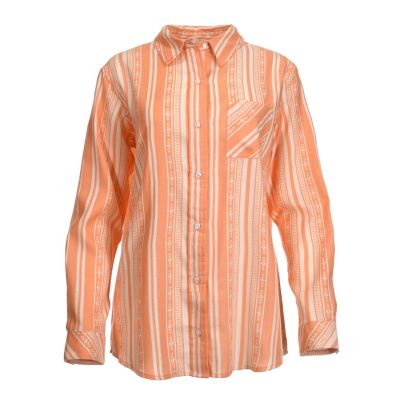
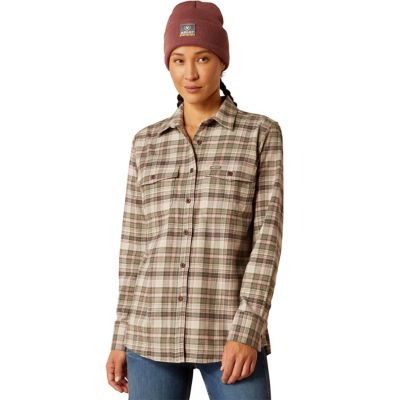
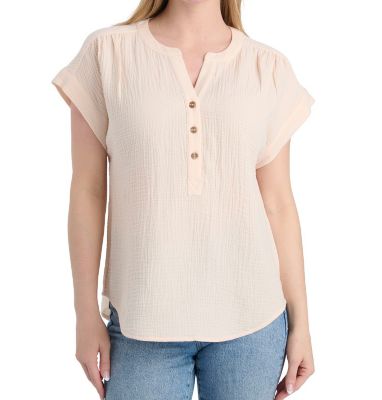
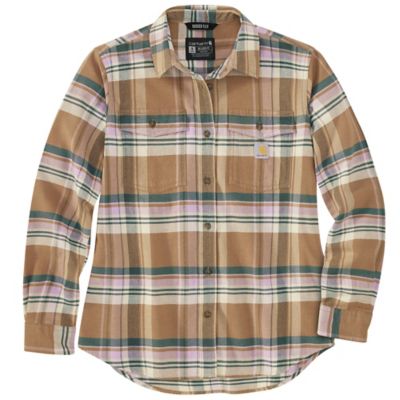
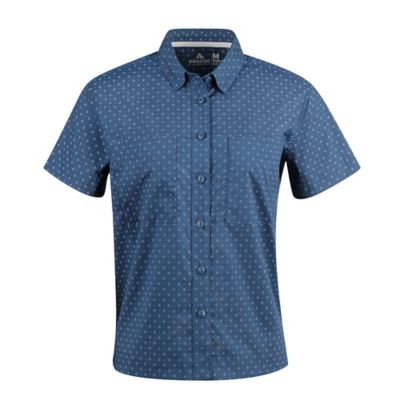
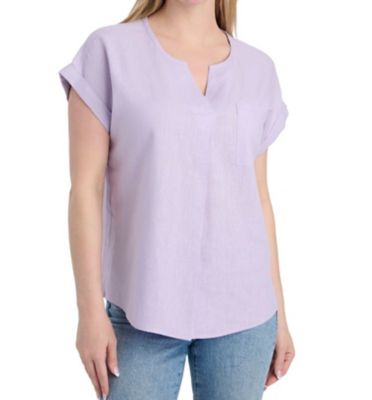
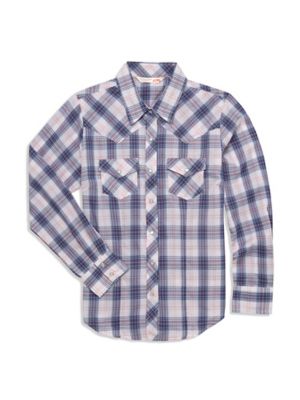
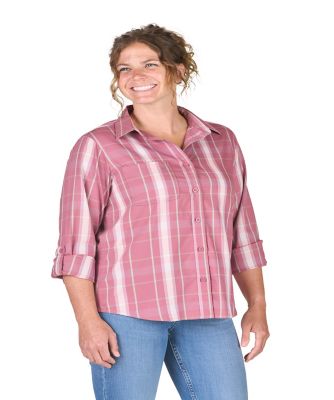
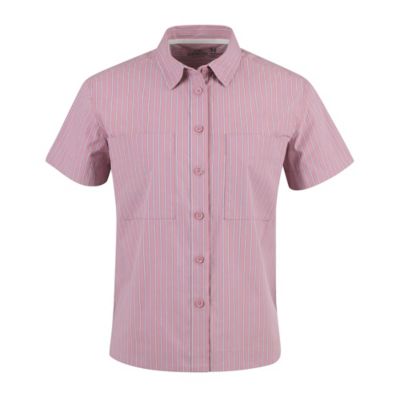
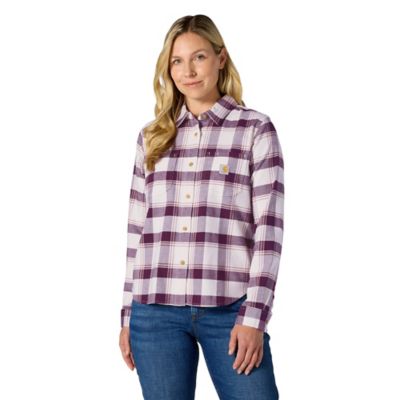
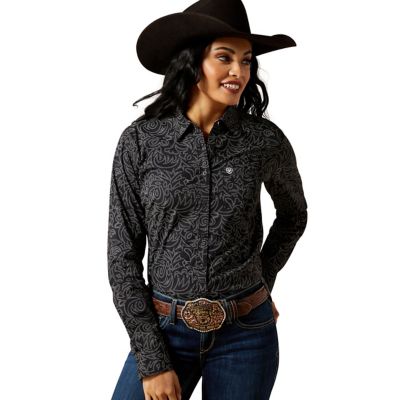
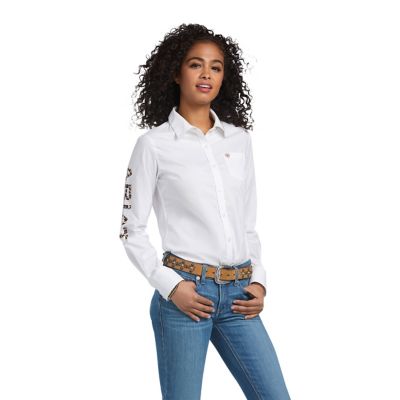
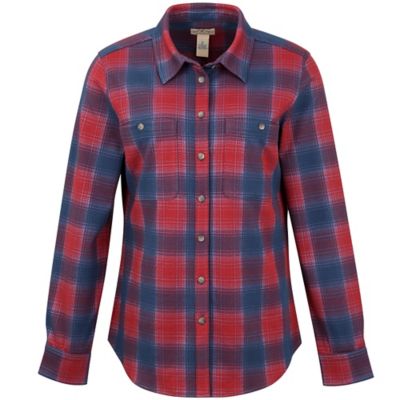
A women’s lightweight plaid shirt brings a familiar country look to everyday clothes without the heft of a thick work shirt. It fits right in with jeans at the feed store, canvas pants for tending the garden, or a simple skirt for a family get-together. The appeal is straightforward: an easy button front, a pattern that has some personality, and fabric that feels comfortable through a full day of moving around. Plaid covers plenty of ground, from small, tidy checks to broad crossing stripes with a little more contrast. Muted earth tones are easy to pair with work pants and leather boots, while brighter checks can give plain denim a lift. Fabric makes just as much difference as color. Lightweight cotton generally has a familiar, breathable feel, while cotton gauze has a more relaxed surface and an airy, softly crinkled texture. Cotton blends can bring together softness and easier upkeep, depending on the fibers and construction. Fabrics containing rayon often have a fluid drape, and a touch of stretch can help a woven shirt move more comfortably across the shoulders and elbows. A thin flannel may feel softer and fuzzier than a smooth woven shirt, even when both belong in the lightweight category. These differences matter when a shirt will spend part of the day tucked into jeans and the rest worn loose over a tank. Lightweight does not necessarily mean sheer, either; fabric density, color, and the size of the plaid all affect coverage. A shirt with a soft drape can feel quite different from one with a crisp finish, even at a similar fabric weight. For women who split their days between chores, errands, and time with family, that balance of easy movement and a pulled-together look is a big part of what makes a lightweight plaid button-up such a handy wardrobe staple.
Fit shapes how a lightweight plaid shirt feels through ordinary tasks, whether that means reaching for a feed scoop, carrying a basket of laundry, or settling into the truck for a drive into town. A relaxed cut leaves space through the body and makes layering over a tank or tee feel less restrictive. A more shaped cut follows the waist more closely and can tuck neatly into jeans without as much fabric gathering around the waistband. Neither fit should depend on tight buttons to hold its shape. Pulling across the chest, a collar that shifts backward, or sleeves that bind when the arms reach forward can point to a cut that does not suit the wearer’s proportions. Shoulder placement and back construction also make a difference; a back pleat can provide extra movement without making the whole shirt feel oversized. Shirt length deserves the same attention. A curved hem can work tucked or untucked, while a longer back hem offers extra coverage when bending to fill a water bowl or pick up a dropped glove. Sleeve details change the feel, too. Button cuffs offer some adjustment at the wrist, and roll-tab sleeves, when part of the design, help hold a rolled sleeve in place. Chest pockets add a familiar workwear touch, though their placement and flap construction can affect how smoothly the front lies. A lightweight plaid shirt can stand on its own with straight-leg jeans, sit open over a plain knit top, or fit beneath a vest without adding much heft. Leaving enough room across the shoulders also makes it easier to layer beneath
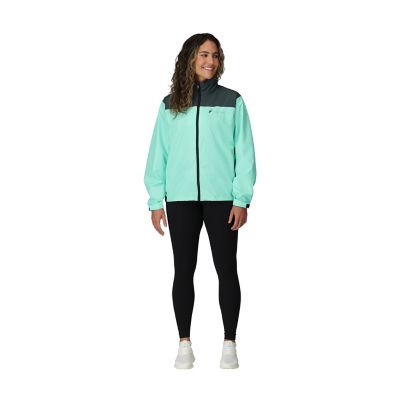
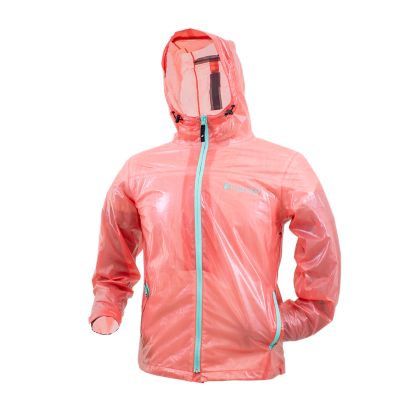
Womens Lightweight Windbreakers or another light jacket. For a tidy everyday outfit, letting one color in the plaid echo the pants, boots, or undershirt keeps the pattern from competing with everything else. There is no need for a complicated outfit when the shirt already brings color and character.
Everyday wear puts a shirt’s fabric and construction to the test in small ways: repeated elbow bends, a shoulder strap rubbing in the same place, cuffs brushing a countertop, and regular trips through the laundry. Close, even stitching, firmly attached buttons, and neatly finished seams are useful details in a lightweight plaid shirt, especially around the underarms, cuffs, and pocket corners. A lighter fabric can hold up well with appropriate care, but it is not a substitute for task-specific protective clothing around sparks, sharp edges, or other jobsite hazards. Care needs vary by fiber and finish, so the garment’s label is the best starting point for washing and drying. Cotton may shrink, some rayon fabrics need gentler handling, and stretch blends can have limits on dryer settings. Fastening buttons before washing can help keep them from catching on other garments, while separating shirts from rough hardware and open hook-and-loop fasteners helps protect the surface. Promptly treating a splash of coffee or a streak of soil according to the care label gives marks less time to settle in. Shaking out the shirt and smoothing the collar, placket, and cuffs before drying can reduce rumpling; a naturally crinkled gauze shirt, on the other hand, may look best with its texture left alone. A loose button is worth securing before it disappears, and a small seam opening is easier to mend before it spreads. These are practical habits for a shirt that earns a regular place in the laundry basket. Lightweight plaid shirts can also make thoughtful gifts for women who already favor button-ups, whether they spend their days on a small acreage, in a workshop, or running between home and town. A familiar color palette, the recipient’s usual fit, and a fabric that suits her laundry routine matter more than guessing at a whole new style. The best match is a shirt she can picture wearing with the clothes and boots already by the door.