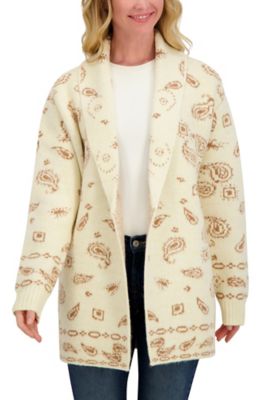
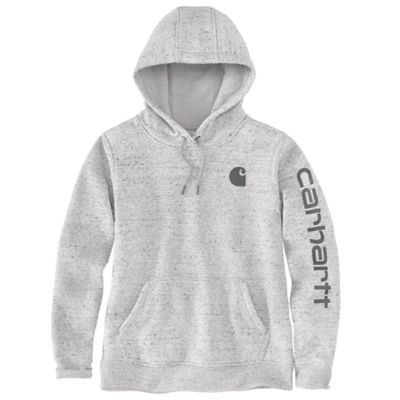
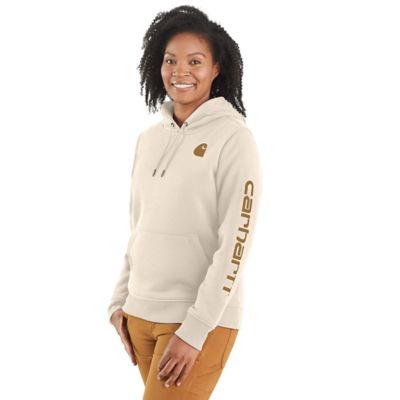
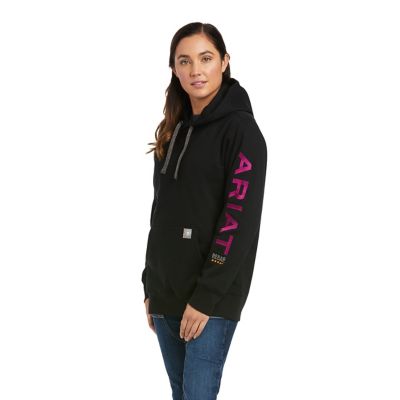
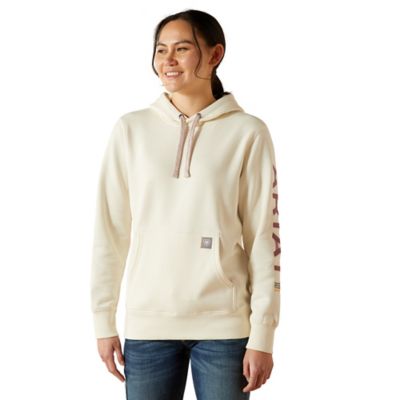
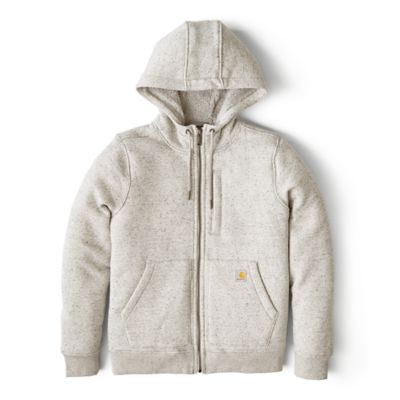
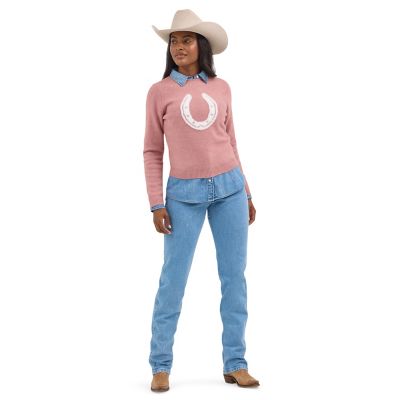
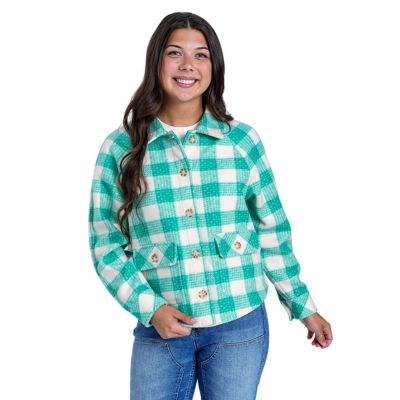
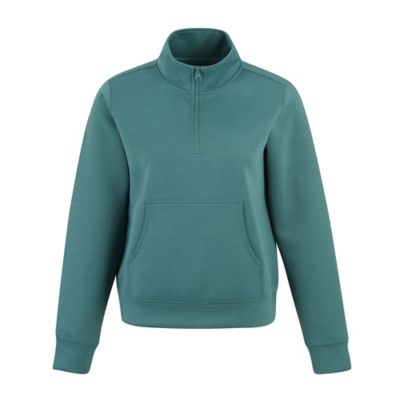
Women’s warm sweaters bring a welcome layer of comfort to cool mornings, breezy afternoons, and evenings when the house needs a little time to warm up. They fit into the everyday rhythm of pulling on boots by the back door, heading into town for groceries, or settling in after the outside chores are done. The warmth of a sweater depends on its fiber content, knit construction, thickness, and fit—not just how heavy it feels on the hanger. Wool offers insulating warmth and can absorb moisture vapor, making it a practical choice when the day includes time both indoors and out. Merino wool has finer fibers than many traditional wool varieties, so it often feels softer against the skin while providing breathable warmth. Cashmere is known for its soft feel and warmth without much weight, which appeals to women who prefer a lighter layer beneath a coat. Cotton sweaters have a familiar, comfortable feel and work well for indoor wear and milder days, though cotton holds moisture and is less suited to damp, cold conditions. Synthetic fibers such as acrylic and polyester can add warmth, help a sweater retain its shape, and offer simpler care, depending on the garment’s construction. Blends combine different fiber characteristics, so the full material label tells more than a soft first touch alone. A sweater-knit exterior with a brushed fleece interior offers another combination: the textured look of a knit with a soft inner surface that helps trap warmth. Dense stitches generally allow less airflow than loose, open stitches, while a lofty knit creates insulating pockets of air. That distinction matters when choosing between something for a drafty kitchen and something to wear beneath a jacket on a walk down the lane. For women who move between a chilly porch and a heated room throughout the day, a comfortable midweight sweater may get more wear than the thickest option.
The best-fitting warm sweater leaves room for everyday movement without bunching beneath outerwear. There’s a real difference between a sweater that looks comfortable standing still and one that feels comfortable reaching for a shelf, carrying a basket, or driving into town. Shoulder placement, sleeve length, and room through the upper arms all affect that feel. A relaxed fit provides space for a base layer or collared shirt, while a closer fit can sit more smoothly beneath a vest or winter coat. Extra room does not always mean extra warmth; a very loose neckline or hem can let warm air escape, especially outdoors. Crewneck sweaters offer straightforward coverage and pair easily with a shirt underneath. Turtlenecks and mock necks add coverage around the neck, a welcome detail when the breeze finds its way inside a coat collar. V-neck sweaters leave more space at the neckline and can feel less restrictive indoors. Cardigans make it easy to adjust coverage as temperatures change, whether that means fastening the front for the ride into town or leaving it open once the woodstove has taken the chill off the room. Ribbed cuffs and hems help keep edges close to the body, and sleeve openings should feel comfortable rather than tight. Longer lengths provide more coverage over the hips, while shorter hems can sit neatly above a jacket’s lower edge. Texture plays a part, too: cable knits bring depth and a substantial feel, while smoother knits tend to slide more easily beneath another layer. Earth tones, soft neutrals, and deeper colors fit naturally with denim, work pants, and casual skirts, giving warm sweaters a place beyond days spent at home. For coordinating layers through the cooler months,
Women's Fall Tops And Sweaters offers a broader place to browse. The most useful combinations leave enough room to move and enough flexibility to add or remove a layer without changing the whole outfit.
Everyday wear and care are worth weighing alongside softness and style. A sweater worn several days a week needs to suit the household laundry routine, while one saved for dinners, gatherings, or quieter days may allow for a little more attention. Some knits are machine washable, while others call for hand washing or professional cleaning; the garment’s care label is the place to confirm those details. Heat and agitation can shrink or distort certain fibers, and hanging a wet sweater can stretch its shoulders and length. When the label calls for drying flat, gently reshaping the garment helps preserve its fit. Folded storage also helps heavier knits keep their shape between wears. Small fiber pills can develop where fabric rubs against coat linings, bag straps, or the sides of the body, and appropriate care can keep that surface looking tidier. For women with sensitive skin, fiber fineness, seams, labels, and neckline contact may matter as much as warmth. A smooth shirt underneath can make a textured knit more comfortable, but softness varies even among sweaters with similar fiber content. For outdoor wear, a sweater works best as part of a layered outfit rather than as a stand-in for protection from wind or rain. A suitable outer shell helps block the weather, while the sweater supplies insulation underneath. Warm women’s sweaters also make thoughtful gifts for a mother, sister, partner, or friend who appreciates clothing she can reach for often. A favorite color, preferred neckline, and familiar fit are better starting points than guessing based on appearance alone. Checking measurements and care preferences helps narrow the choice, especially for someone who likes an easy laundry routine or dislikes anything snug around her neck. There’s lasting appeal in a sweater that feels right during ordinary moments: coffee at the kitchen table before daylight, an afternoon visit with family, or a quiet evening with a book after a long day. Comfortable fabric, sensible coverage, and a fit that works with the rest of a woman’s wardrobe help make that sweater an everyday favorite.