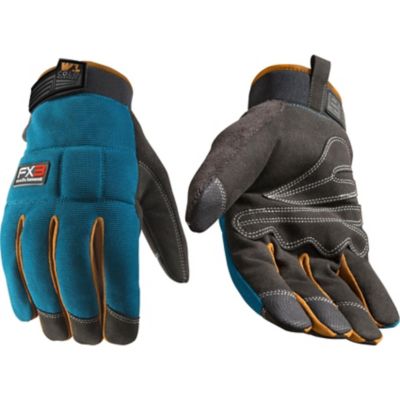
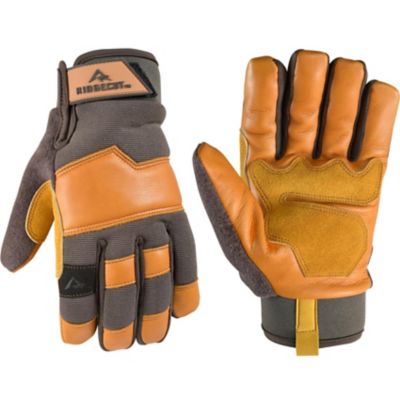
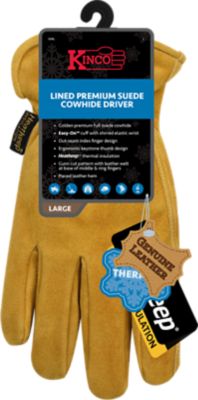
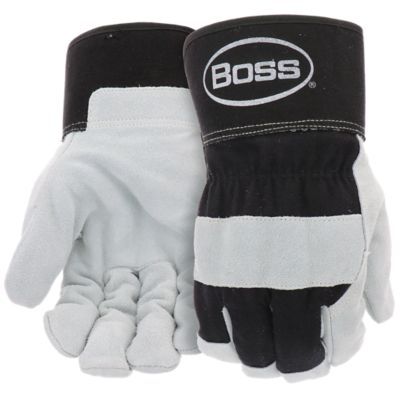
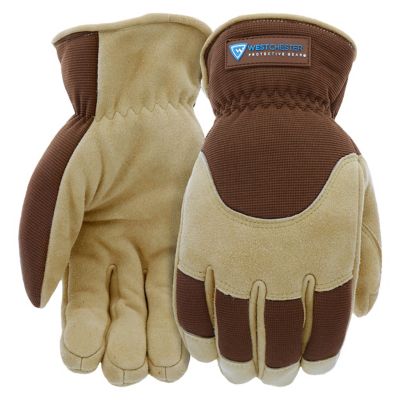
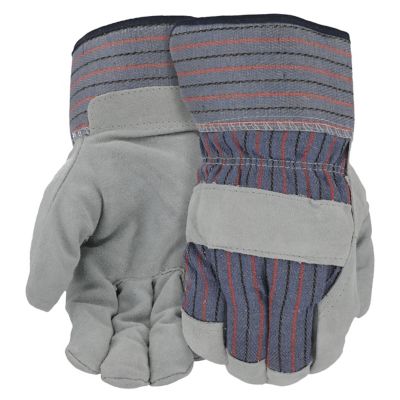
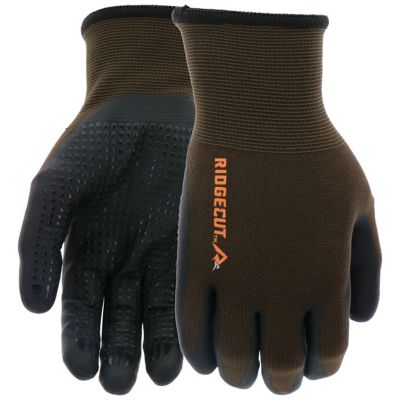
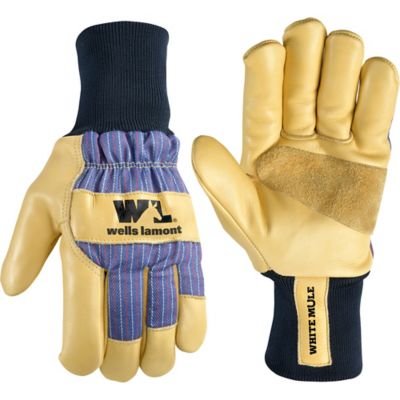
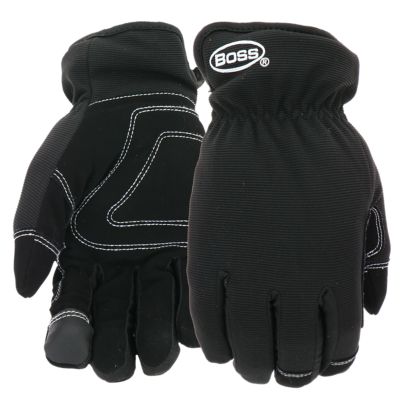
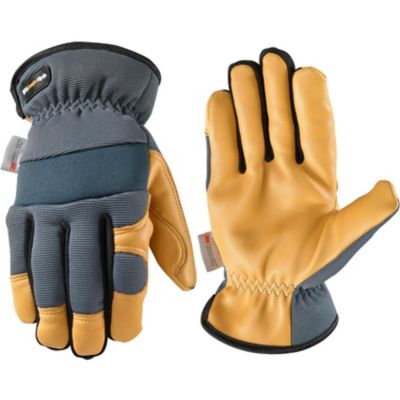
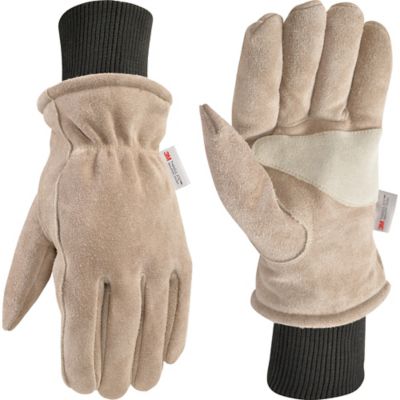
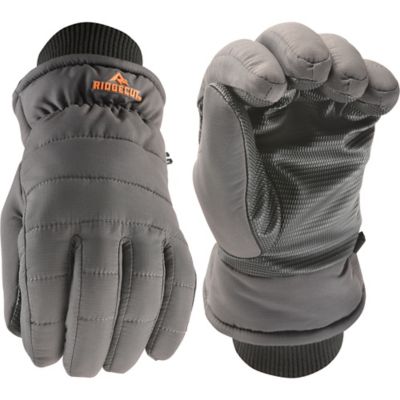
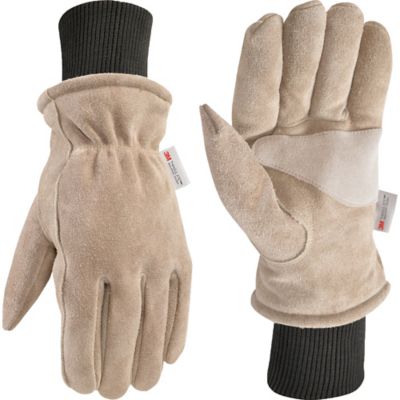
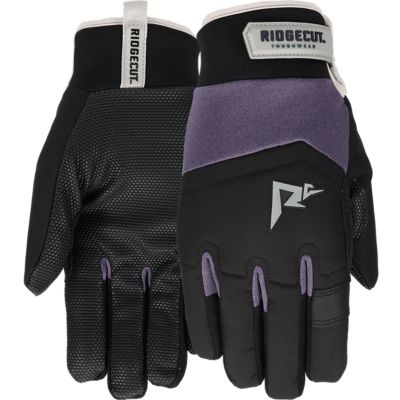
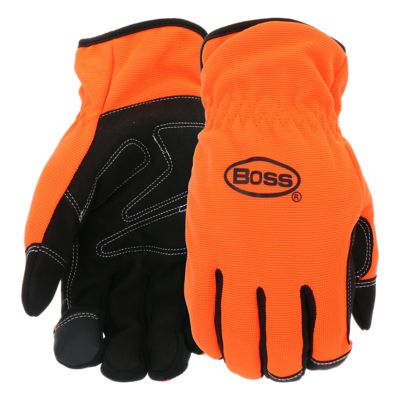
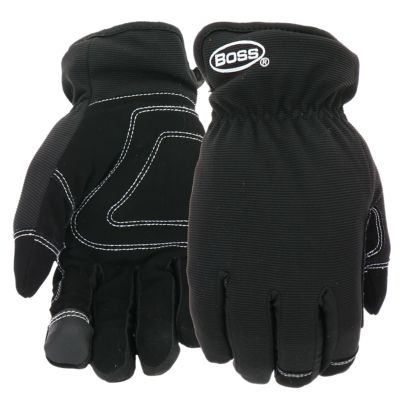
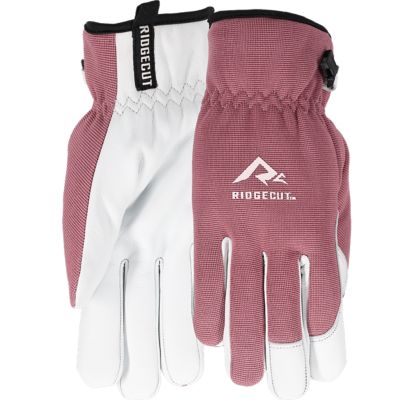
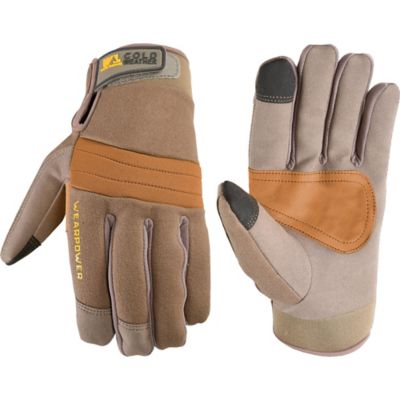
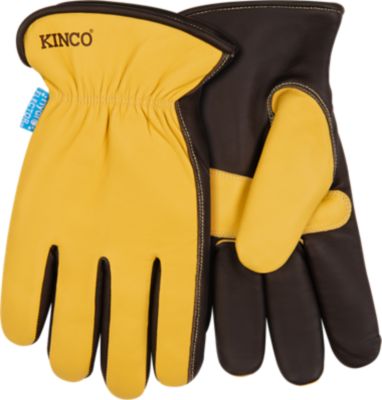
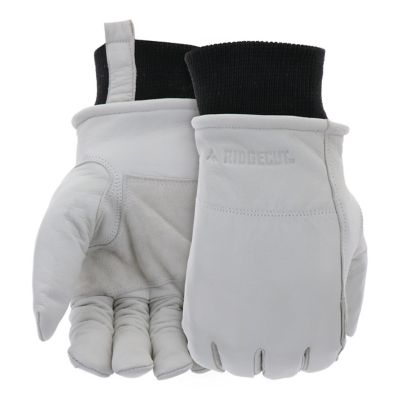
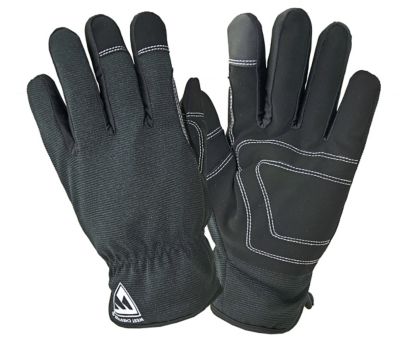
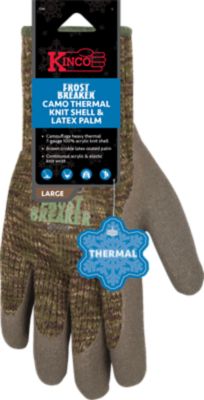
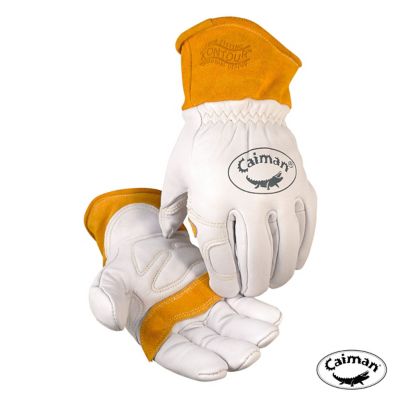
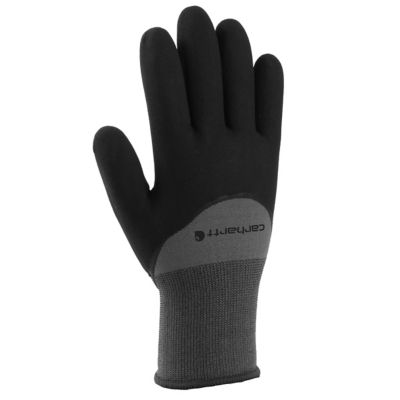
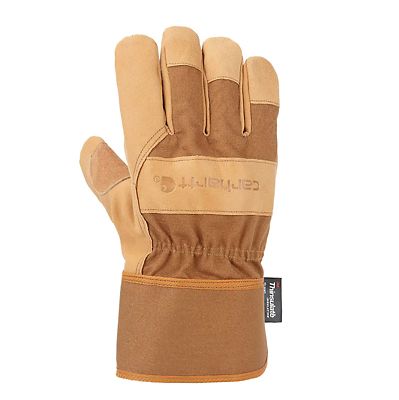
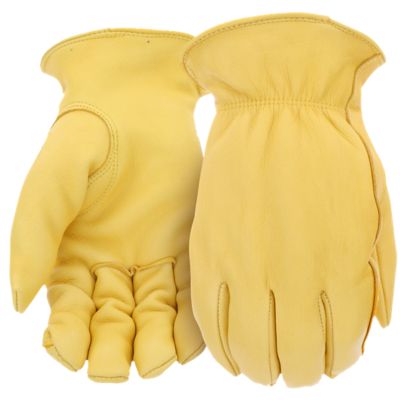
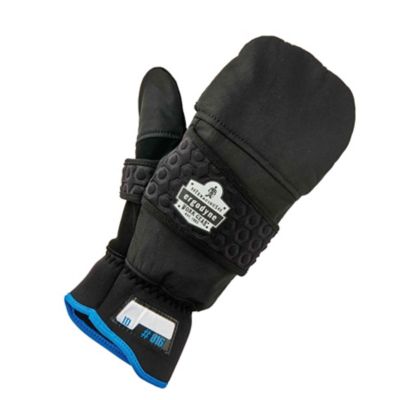
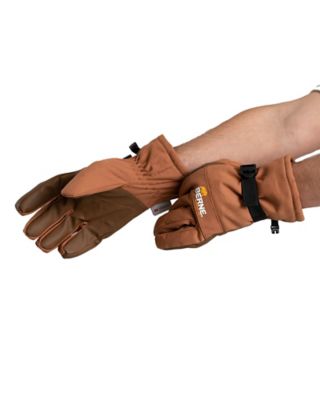
Winter work gloves earn their place beside the back door when chores mean carrying feed across a frosty yard, hauling firewood to the porch, or handling a cold gate latch before daylight. The right pair brings together warmth, a steady grip, and enough finger movement to get the job done without constant stops to pull a glove off. Different materials suit different kinds of work. Leather palms can stand up to rubbing from shovel handles and rough lumber, while flexible fabric backs may make it easier to curl fingers around a tool. Knit shells stretch comfortably across the hand, and coated palms can add grip for handling buckets, bags, and other everyday loads. The coating matters, too: some stay more flexible in the cold than others, and grip can change when a surface gets wet. Insulation helps hold warmth around the hand, but thickness alone does not tell the whole story. A lofty lining may feel comfortable during slower chores, while a thinner insulated design can leave more room for movement when the work involves snaps, straps, or small fasteners. Fleece, brushed fabrics, and other soft linings each have a different feel against the skin. Wool blends can help manage moisture, while synthetic fibers often dry more readily, depending on their construction. Wind protection also makes a difference on an open property where there is little shelter between the barn and the house. A snug knit wrist or an adjustable cuff can help limit drafts, though a longer cuff may work better when snow or loose material could slip inside. Winter work gloves fit plenty of routines beyond farm chores, including loading a truck, clearing a walkway, checking fence lines, and keeping an outdoor work area in order. A pair suited to the actual task is more useful than one chosen for warmth alone, especially when the day moves between heavy lifting and smaller jobs that call for a careful touch. That balance is what makes these gloves such a practical part of cold-weather workwear.
Fit has a lot to do with how winter work gloves feel after the first few minutes outside. Fingers need room to bend naturally, with enough space for the insulation to keep its loft rather than being squeezed flat. Excess material at the fingertips can make it harder to pick up a dropped clip or feel the end of a zipper, while a palm that pulls tight when the hand closes may become tiring around a rake or wheelbarrow handle. Thumb placement matters just as much as finger length; a comfortable reach across the palm helps with gripping a pail handle or wrapping a hand around a fence post. Sizing charts and hand measurements offer a better starting point than guessing from another pair, since lining thickness and glove construction can change the feel. For someone who alternates between walking a property and doing active chores, breathability deserves attention alongside insulation. Sweat trapped inside a glove can leave the lining damp, which becomes uncomfortable when the work slows down. A waterproof barrier can help keep outside moisture from reaching the hand, but water resistance and waterproof construction are not the same thing. Seams, cuffs, and the condition of the outer material all affect how well a glove handles slush or wet snow. A long cuff worn with the right jacket sleeve can help keep snow out, while a shorter cuff may feel less restrictive for quick trips between buildings. Touchscreen-compatible fingertips can be handy for checking a message without exposing the whole hand, though performance varies with fit and screen conditions. For chores around livestock, smooth movement and secure handling matter more than extra thickness that gets in the way. For carrying split wood, abrasion resistance across the palm and fingers may take priority. No everyday winter glove replaces protection specifically rated for cutting hazards, chemicals, electrical work, or other specialized tasks, and glove choice around moving equipment should follow the equipment’s safety instructions. Matching the glove to the work keeps expectations practical from the start.
A glove’s working life depends on where it takes the most wear and how it is cared for between chores. Palms, fingertips, and the space between the thumb and forefinger often see the hardest rubbing, especially when carrying firewood or repeatedly gripping tool handles. Reinforcement in those areas can be helpful, provided it does not leave the hand feeling stiff. Seams that lie comfortably away from pressure points can also make a difference during a long stretch of shoveling. After work, damp gloves need a chance to dry fully before the next outing. Care labels matter because leather, coated fabrics, and insulated linings do not all tolerate the same washing or drying methods. Some fabric gloves allow machine washing, while others call for spot cleaning or hand washing. High heat can shrink certain materials, stiffen leather, or affect coatings, so drying near direct heat is not a shortcut worth taking unless the manufacturer allows it. Mud and grit left in the palm can add friction and wear, and packed-down insulation may not feel as warm as it once did. Checking for split seams, worn fingertips, and peeling coatings helps show when a pair is no longer suited to its regular chores. For work that combines wet surfaces with cold air,
Cyber Monday Waterproof Insulated Work Gloves offers a related place to focus on moisture protection alongside warmth. A practical pair can also make a thoughtful gift for someone who tends animals, keeps a woodpile, or spends a good part of the day working outdoors. Knowing that person’s hand size and usual chores makes the choice more personal than simply picking the thickest lining. From a quick check of the water trough to an afternoon stacking wood, winter work gloves should feel like part of the routine: comfortable enough to keep on, flexible enough to work in, and suited to the wear that comes with getting things done.