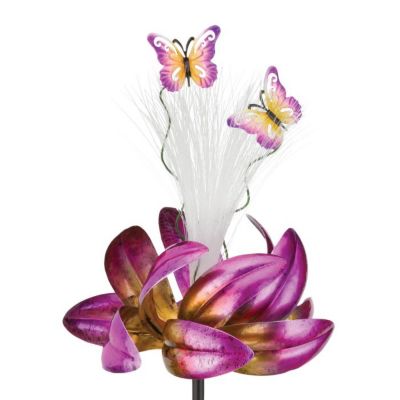
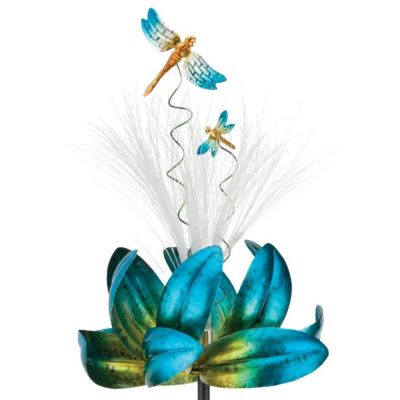
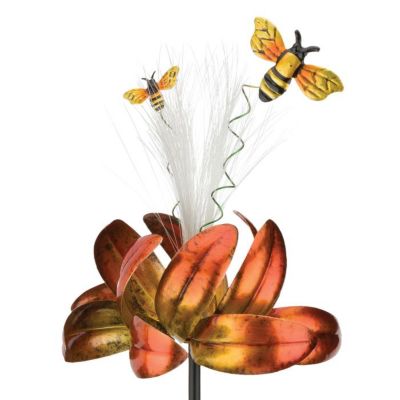
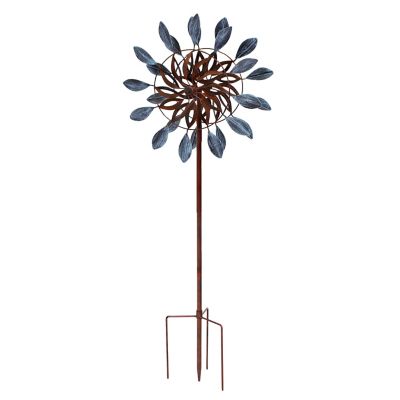
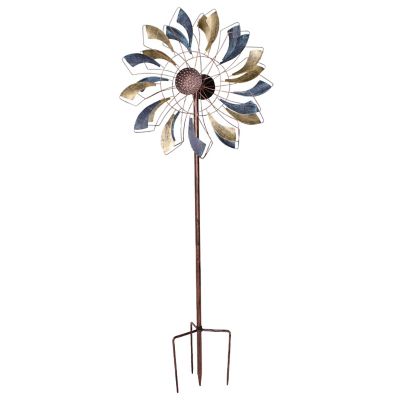
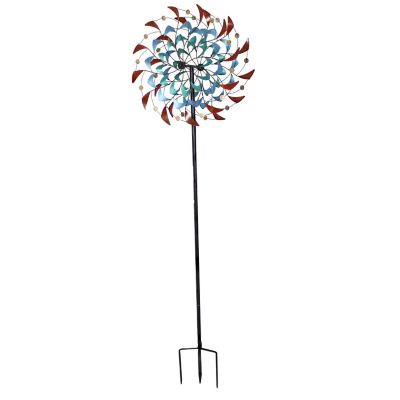
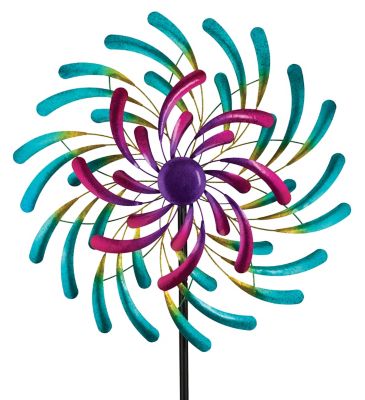
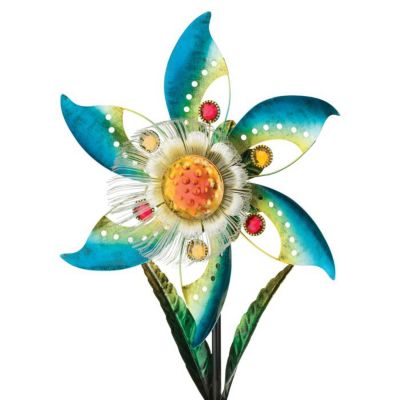
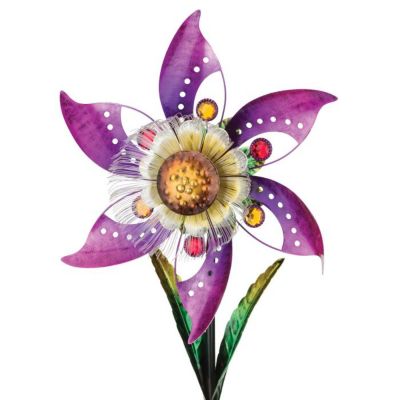
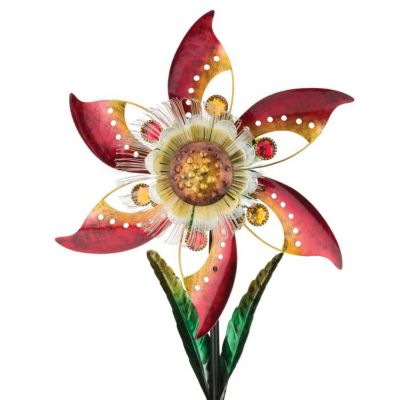
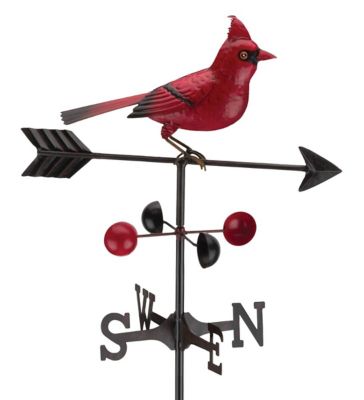
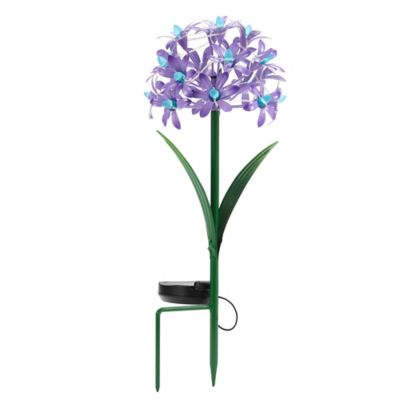
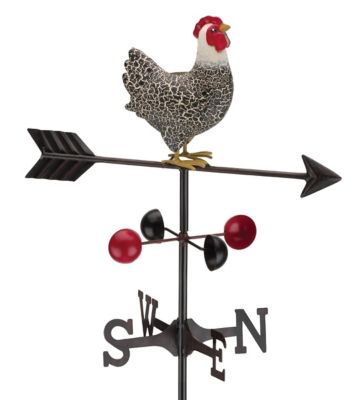
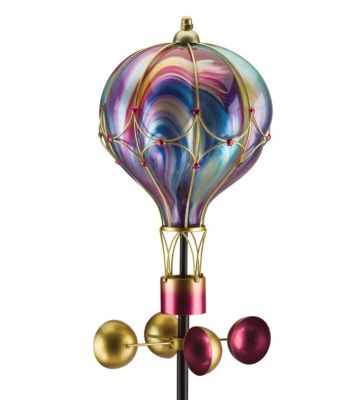
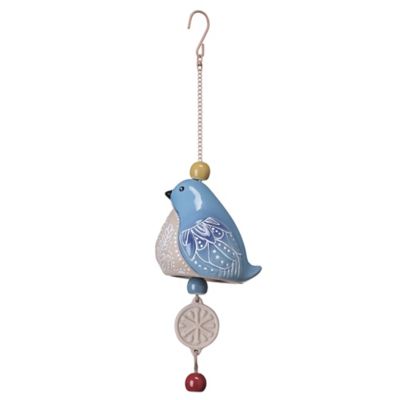
Garden wind spinners are wind-powered outdoor accents that bring rotating shapes, color, and movement to flower beds, lawns, and other open spaces. Designs range from lightweight fabric forms to metal sculptures with blades, rings, or curved panels that turn around a central axle. A breeze supplies the motion, so a basic spinner does not need an electrical connection to put on a show. Some designs turn as a single piece, while others have separate sections that rotate independently, creating a layered effect as they move. That movement can give a quiet corner of the yard a little life without taking up much ground space. Beside a vegetable patch, a spinner adds a playful touch among practical rows and trellises. Along a walkway or near a sitting area, it can become a focal point that is easy to enjoy from a porch chair or kitchen window. Shape and color make a difference even when the air is still. Open metalwork lets the planting behind it show through, while broad blades and bold colors stand out against foliage, a wood fence, or a stretch of lawn. Earth-toned finishes tend to blend into a garden, while brighter finishes draw the eye from farther away. Scale matters just as much as color: a small spinner can disappear behind tall plants, and a wide rotating head may overwhelm a narrow bed. Overall height tells only part of the story, since the width of the moving section determines how much room the spinner needs. For a yard with several planting areas, a single larger accent can establish a clear focal point without making the space feel crowded. A smaller design may be a better fit near a patio, where the movement is seen up close and shares space with chairs, containers, and everyday foot traffic.
Materials and construction affect how a garden wind spinner looks, moves, and holds up outdoors. Metal designs may feature steel, aluminum, stainless steel, or copper, each with a different appearance and care needs. Aluminum is relatively light and does not develop iron rust, while steel can provide a more substantial frame but needs an appropriate finish to protect exposed surfaces. Stainless steel resists corrosion, though its grade and exposure still matter. Copper can develop a changing surface color over time, which may be part of its appeal. Painted and powder-coated surfaces add color and help shield the metal beneath, but scratches and chipped edges deserve attention according to the maker’s care directions. Fabric spinners offer a lighter look, with motion that can be especially noticeable in open spaces. Fabric strength, stitching, and resistance to fading are useful considerations for an accent that spends time outside. Beyond the visible surfaces, the axle, bearings, fasteners, and mounting connections all play a part in steady movement. Freely turning parts need enough clearance to rotate without rubbing against the frame or nearby plants. A heavier spinner is not automatically a better fit for every setting; blade shape, balance, and the way moving sections catch the wind also influence performance. Likewise, a lighter design may move readily but still need a secure mounting point. Ground stakes, hanging hardware, and freestanding bases suit different spaces, and the mounting style should match the intended location rather than being an afterthought. A ground-mounted spinner belongs in soil that can hold its anchor firmly, while a hanging design needs a support suited to its weight and movement. Product dimensions, assembly requirements, and mounting instructions help clarify the space and setup involved. For larger designs, the span of the rotating blades is worth checking alongside the height, especially near a fence, arbor, or porch roof where clearance can be easy to misjudge.
Placement gives wind spinners for the garden room to work and makes them easier to enjoy day to day. An open spot generally exposes the moving parts to more airflow than a sheltered corner tucked behind a solid wall. Even so, the windiest location is not always the best one; exposure needs to stay within the limits stated by the maker. Strong gusts can put extra strain on moving parts and anchors, and some designs need to be taken down during severe conditions. Around a working yard, a spinner should leave enough room for mowing, hauling a garden cart, opening a gate, and reaching plants without brushing against rotating blades. Keeping moving sections away from play areas, pet routes, and narrow paths helps prevent accidental contact. Ground anchors also need clearance from buried utilities and irrigation lines, and placement should avoid damaging established roots. These practical details let the accent feel like part of the yard rather than something that gets in the way of chores. Routine care is usually centered on clearing away dirt and plant debris, checking connections, and following the material-specific cleaning directions. A soft cloth and a gentle cleaning method can help preserve the finish, while abrasive scrubbing may scratch painted surfaces. Bearings and other moving parts should receive only the maintenance specified for that design; adding oil is not always appropriate. When a spinner is taken down for storage, keeping its pieces dry and protected from bending helps preserve its shape and movement. For a broader mix of outdoor accents,
Wind Ornaments For The Garden can complement the look of a garden spinner. Wind spinners also make thoughtful gifts for gardeners, new homeowners, or someone who enjoys watching the yard from a favorite chair. Matching the gift to the recipient’s space, preferred colors, and willingness to handle assembly makes it easier to find a fitting addition, whether the setting is a small flower bed by the steps or a roomy garden beyond the fence.