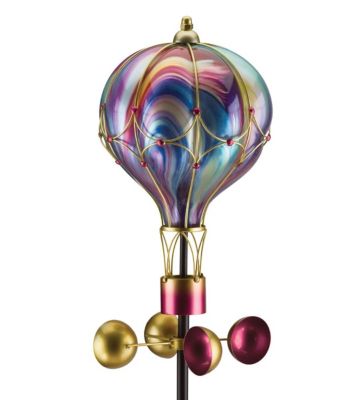
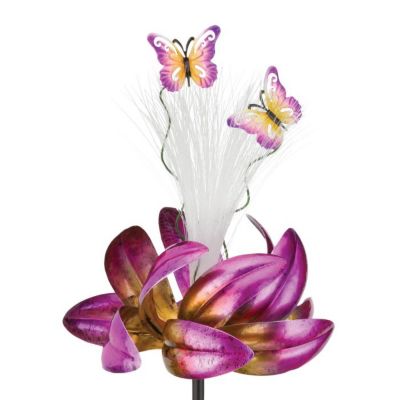
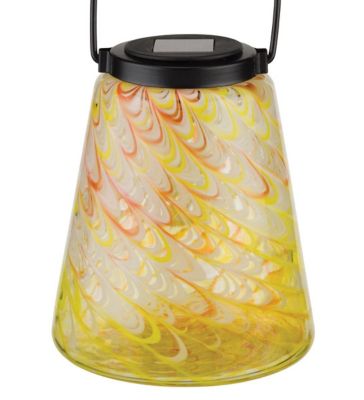
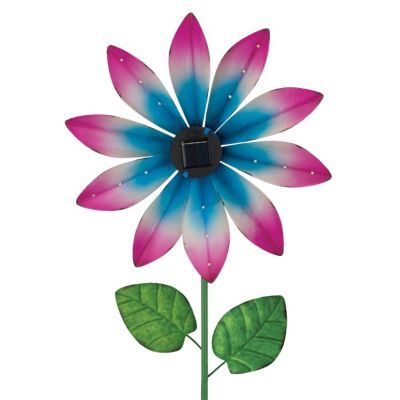
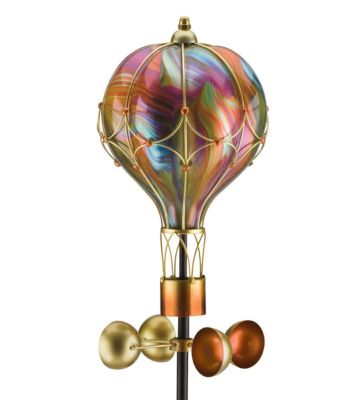
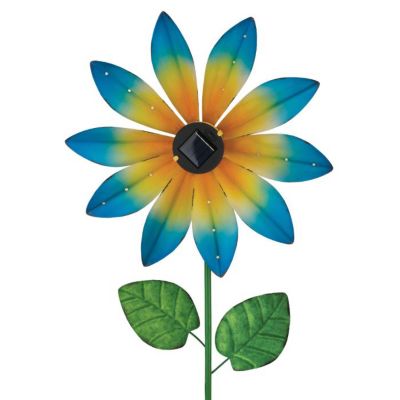
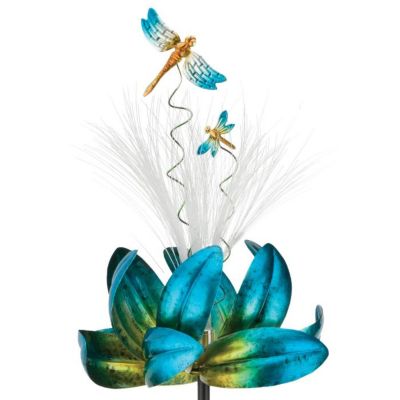
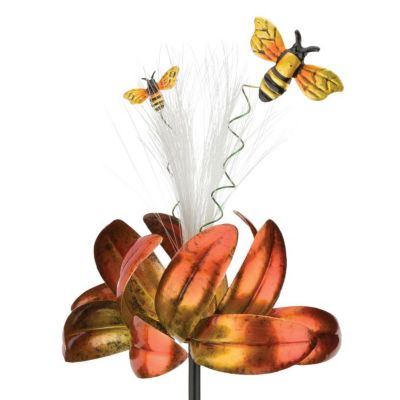
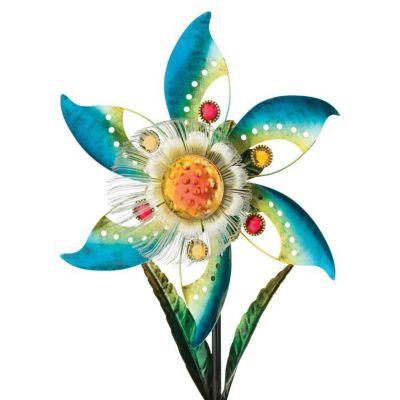
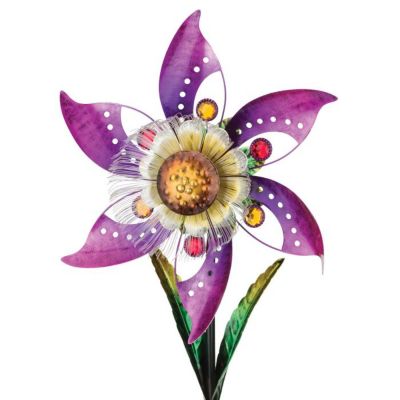
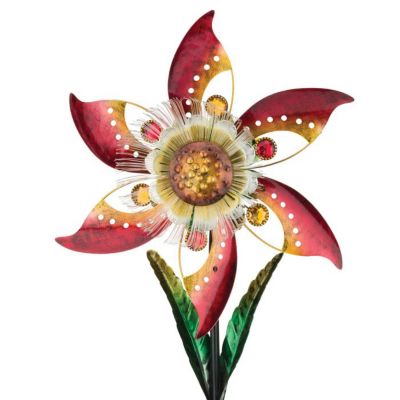
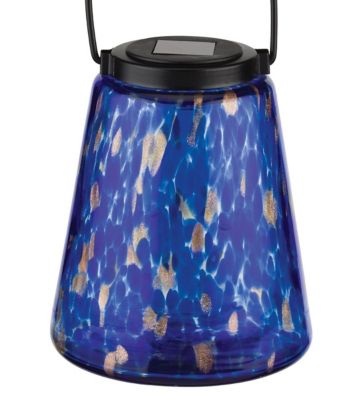
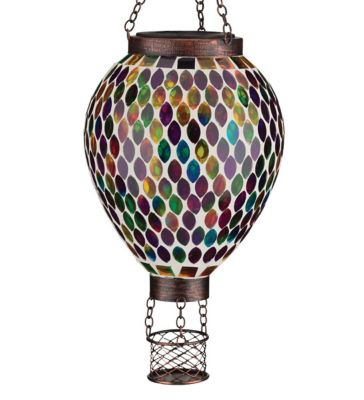
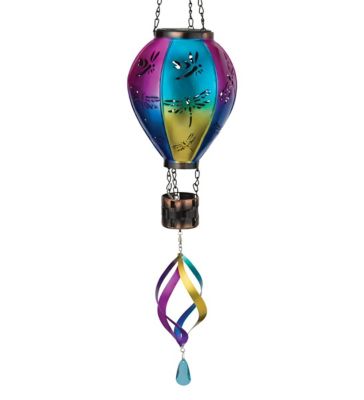
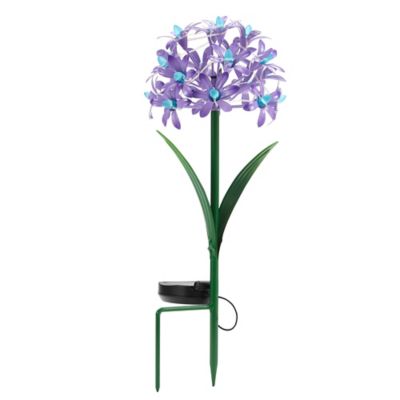
Solar wind spinners bring two kinds of movement to an outdoor space: blades or rotors that turn with the breeze and solar-powered lights that add a soft glow after dark. During the day, the metal arms catch changing currents of air, sometimes spinning in opposite directions or moving independently for a lively, layered effect. A built-in solar panel collects sunlight and stores energy in a rechargeable battery, allowing integrated LED lights to shine through the evening. Depending on the design, lighting may last roughly 6 to 10 hours after a full day of charging, though shade, cloudy weather, panel placement, and battery age can affect performance. Many styles use a crackle-glass globe, a colored solar orb, or small lights tucked into the center of the spinner, creating a bit of sparkle along a walkway, garden bed, patio, or driveway. In daylight, the piece works as a decorative metal sculpture; after sunset, it becomes a small landscape light with motion and color. A gentle breeze can make the rotors turn slowly and quietly, while stronger air movement gives the spinner a more noticeable whirl. They fit nicely beside flowering plants, ornamental grasses, raised beds, mailbox posts, and other spots where a little height helps draw the eye. For more outdoor decorating ideas, browse
Wind Ornaments For The Garden to find other ways to add movement and personality around the property.
When choosing a solar wind spinner, start with the location and measure the space from the ground up. Compact tabletop or short-stake designs can add a bright accent to a porch, deck, balcony, or small planting area, while taller spinners make a stronger statement beside a fence line, garden entrance, or open stretch of lawn. Oversized designs may stand several feet high and use multiple rotors or solar panels, so they need plenty of clearance to spin without brushing against branches, siding, flags, or other decorations. Look for a stable multi-prong stake or a base that can be pressed firmly into the soil; loose, sandy, or recently watered ground may need extra attention to keep a taller piece upright. In hard ground, it helps to soften the area first rather than forcing the stake and bending the frame. Consider how much direct sunlight the panel will receive, too. A spot with several hours of unobstructed daylight generally gives the battery a better charge than a shaded corner beneath a porch roof or dense tree canopy. Check whether the solar panel can be angled toward the sun, whether the light has an on/off switch, and whether the LED color is warm white, cool white, or color changing. Some shoppers prefer a steady glow that blends with porch lighting, while others enjoy changing colors that stand out against dark foliage. Weather-resistant, powder-coated metal is a practical choice for outdoor use, especially when the spinner will remain in place through changing conditions. Even a coated frame benefits from basic care: wipe away dirt and pollen, keep leaves from collecting around the stake, and give moving parts room to turn freely. During the cooler months, inspect the spinner after heavy wind, rain, or frost and move it to a sheltered spot if severe weather is expected. If the design uses a replaceable rechargeable battery, keeping a spare on hand can help restore nighttime lighting when the original battery begins to lose its charge.
Solar wind spinners can be a simple way to make an everyday outdoor area feel more finished without running electrical cords or installing permanent lighting. They work well for homeowners who enjoy flower beds, country porches, vegetable gardens, or quiet evenings outside, and they can be especially useful around gathering areas where guests naturally look after dark. Place one near a seating area for a gentle point of light, along a walkway to help define the path, or near a garden gate where its turning motion adds a welcoming touch. A spinner can also bring visual interest to a spot where plants struggle, such as a gravel bed, open corner, or sunny area beside a shed. For a gift, this type of outdoor décor suits gardeners, new homeowners, grandparents with a porch, and anyone who likes adding personal touches to their yard. It is also a thoughtful choice for housewarmings, birthdays, and seasonal gatherings because it combines decoration with useful solar lighting and does not require a nearby outlet. Children often enjoy watching the blades turn, although taller metal designs and pointed stakes should be placed where they will not create a play-area hazard. Before setting one up, clear away low branches and check the wind exposure. A breezy location helps the rotors move, but an exposed hilltop or open field may call for a sturdier stake and occasional checks after gusty weather. As the weather warms, the spinner can brighten long evenings spent watering plants, grilling, or visiting on the porch. When days grow shorter, its solar light can add a welcoming glow near an entryway or garden path. With a sunny placement, a secure base, and occasional cleaning, a solar wind spinner can keep adding motion and nighttime character through changing seasons.