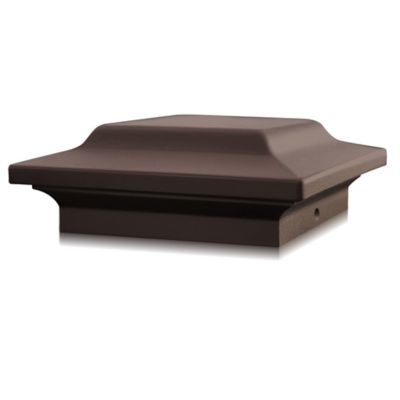
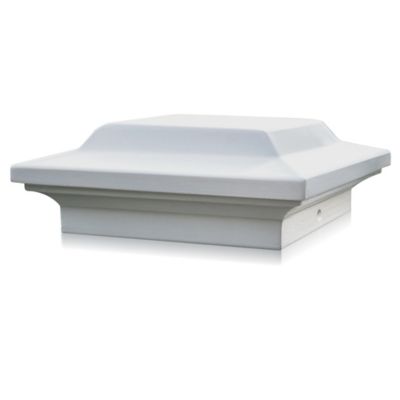
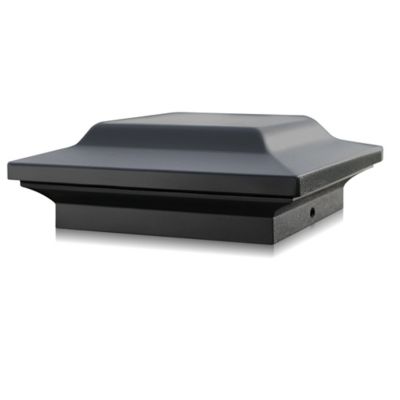
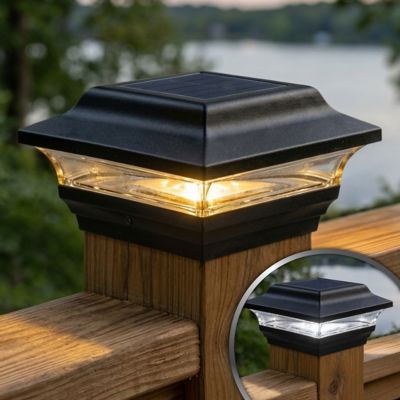
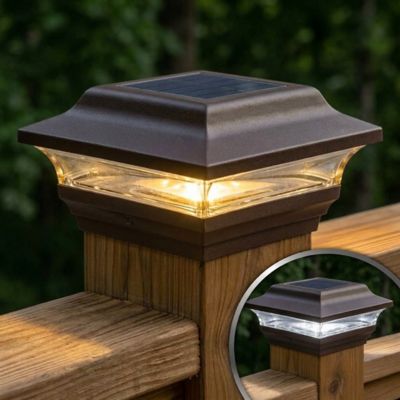
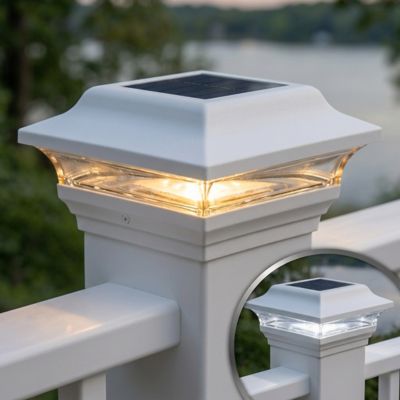
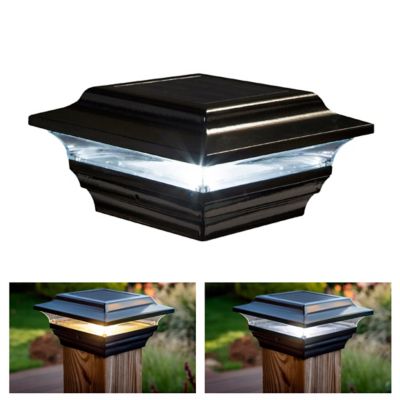
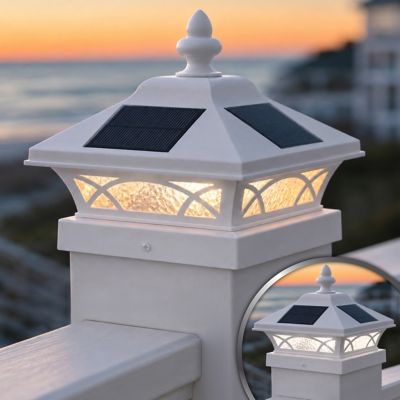
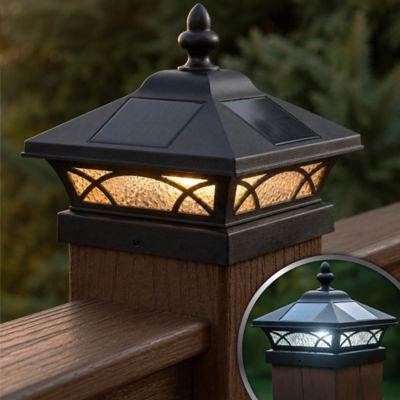
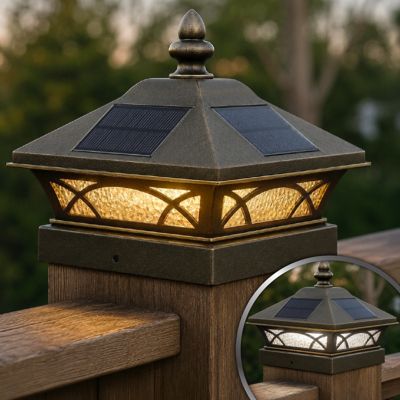
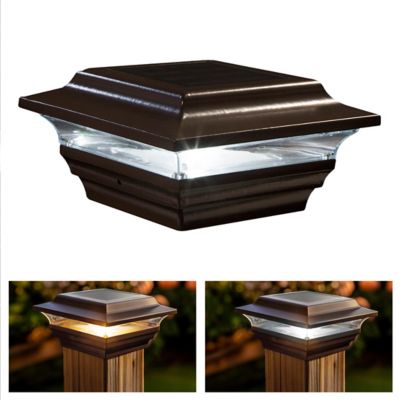
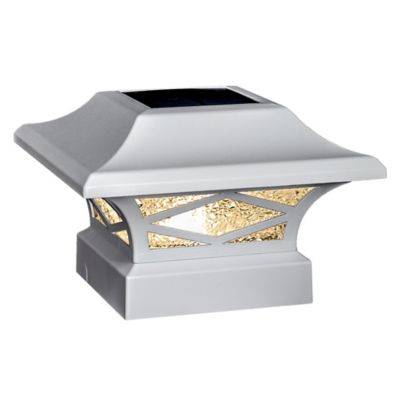
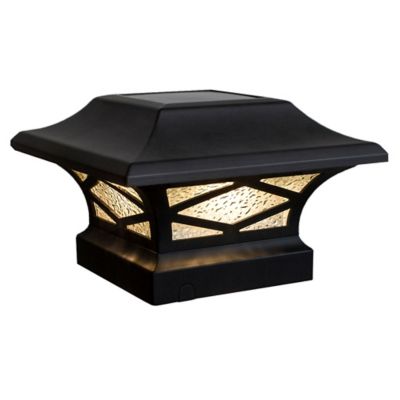
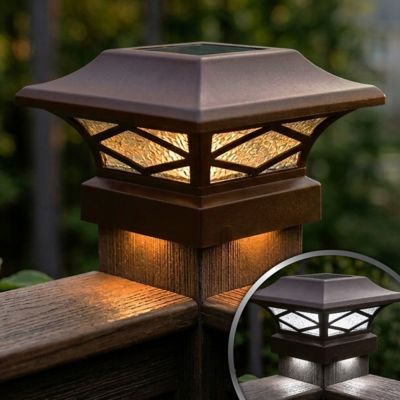
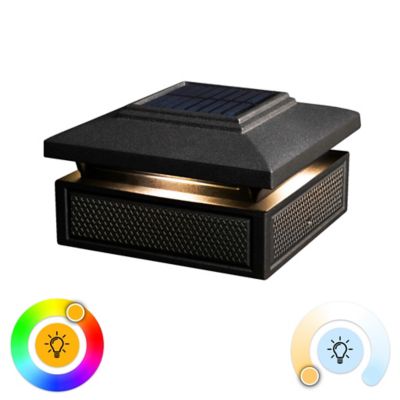
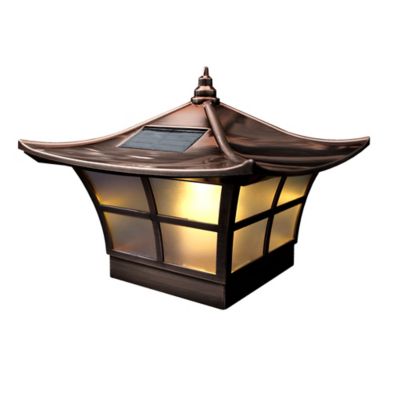
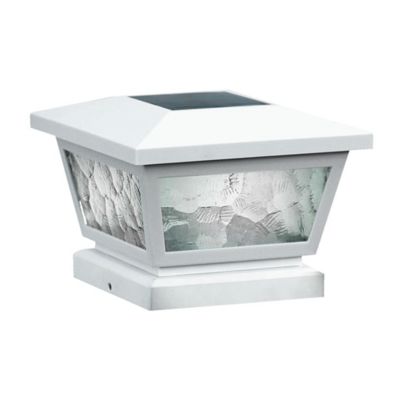
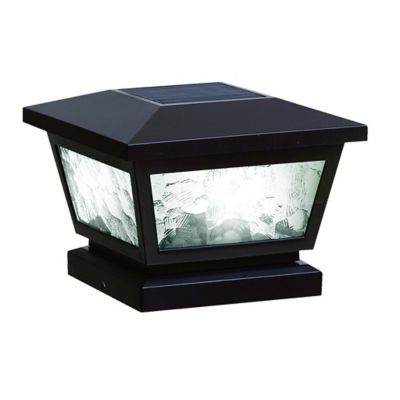
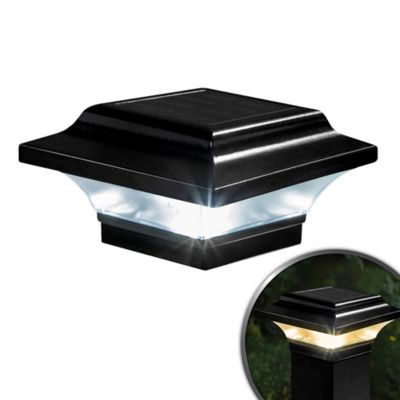
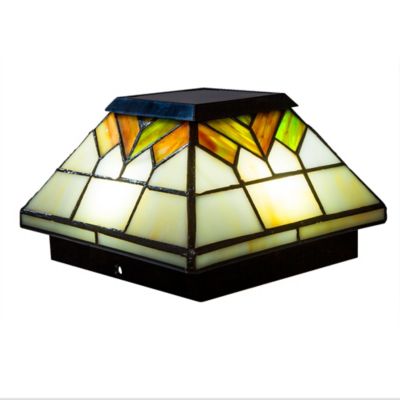
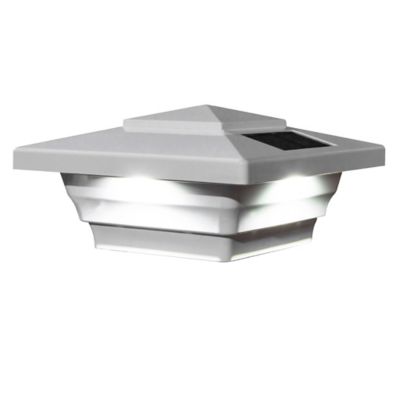
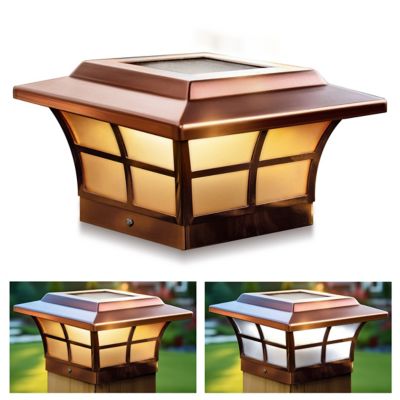
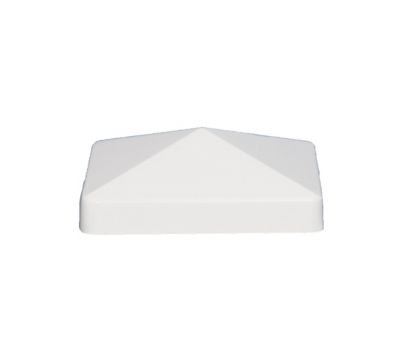
4x4 aluminum post caps are covers that fit over fence, deck, porch, and railing posts to shield the tops and give the installation a finished look. On wood posts, the top exposes end grain, which can absorb moisture more readily than the sides. A properly fitted cap helps limit direct water contact at that surface and reduces exposure that can contribute to checking, splitting, and decay. It does not make a post waterproof or repair wood that has already softened, but it can be a useful part of protecting sound lumber. Aluminum is lightweight and does not develop the red rust associated with iron and steel, making it a practical material for many outdoor settings. Its resistance to corrosion still depends on the finish, surrounding conditions, and contact with other materials. Around a home or farm, these caps can finish off a porch railing, mark the corners of a backyard fence, or bring a consistent look to the posts beside a walk-through gate. They are especially useful where flat post tops otherwise leave exposed wood facing upward. Shape makes a difference, too. A low-profile cap keeps the top line simple, while a pyramid-shaped cap adds a more pronounced peak. Sloped surfaces can help shed water rather than leave it sitting across a flat top. Smooth edges and a balanced profile also matter on posts near porch steps or other places where people pass close by. Finishes range from metal tones to coated colors, so the cap can either blend with the railing or stand out against the post. Repeating the same shape and finish along a fence helps tie the whole run together, even when the layout includes corners, changes in elevation, and a gate opening. For homeowners, fence installers, and folks tending a rural property, the main goal is straightforward: cover the post top with a cap that fits, stays secure, and suits the surrounding fence or railing.
Fit matters more than the 4x4 label alone. A nominal 4x4 wood post commonly measures about 3-1/2 inches by 3-1/2 inches, while some posts have a true 4-inch outside measurement. A vinyl sleeve, composite wrap, or metal post may have another outside dimension entirely. Measure across both directions at the top of the installed post, including any sleeve or wrap that the cap must cover. Then compare those measurements with the cap’s stated opening and fit requirements. The outside width of a cap is not necessarily the size of the opening underneath it, and a cap intended for bare lumber may not fit over a sleeve. On an older fence, check several posts rather than assuming every top measures the same. Wood can change shape, and an uneven cut or a buildup of paint can affect how a cap seats. A slip-over design needs enough clearance to settle into place without being forced, but excessive space can leave it loose or crooked. Before fastening, check that the cap sits level, clears nearby rail connections, and covers the top as intended. Mounting methods vary by design, so follow the cap manufacturer’s directions for screws, adhesive, or another attachment method. Choose fasteners specified for the cap and post material, particularly where treated lumber or dissimilar metals are involved. Overtightening can distort thin metal or damage a coating, while an attachment that barely catches the post may not hold the cap securely. Adhesive needs compatible surfaces and the preparation described on its label; it is not a substitute for a proper fit. On a porch or deck, a post cap is a finishing component, not a structural connector. It does not strengthen a loose railing, secure a leaning post, or serve as a handhold. Keeping that distinction clear helps separate a simple finishing job from repairs that need attention before the cap goes on.
Care for aluminum post caps is generally straightforward, though the finish deserves a little attention. A soft cloth, water, and a mild cleaner recommended by the manufacturer can remove dust, soil, and residue without roughing up the surface. Rinse away cleaner and avoid steel wool, harsh abrasives, or aggressive chemicals that can scratch the metal or harm a coating. Lawn treatments, fertilizer dust, and other residues should not be left sitting on the cap, especially around seams and fasteners. When checking a fence latch or tightening railing hardware, take a moment to look over the post tops as well. A cap that rocks, a missing screw, or a chipped edge is easier to address before it leads to a loose cover or exposed wood. Look underneath any cap that has shifted to check for trapped debris, damp wood, or damage at the attachment point. Coated aluminum may need finish touch-ups according to the manufacturer’s directions if scratches expose the metal. Bare and coated finishes can age differently, so matching the care method to the surface helps keep a long fence run looking consistent. For a project that includes several post materials, match each cap to its own supporting post rather than assuming one size or material belongs everywhere. A wood gate post and a sleeved porch post can look similar from the driveway yet need different cap openings. If another section of the property has vinyl fencing,
White Vinyl Fence Post Caps provide a separate category to consider for that part of the layout; compatibility still comes down to the post system and measurements. With aluminum caps, a sound post, the correct opening, suitable attachment hardware, and routine cleaning do more for lasting performance than appearance alone. Those basics help keep the fence line tidy and the post tops covered without turning a small finishing detail into another chore.