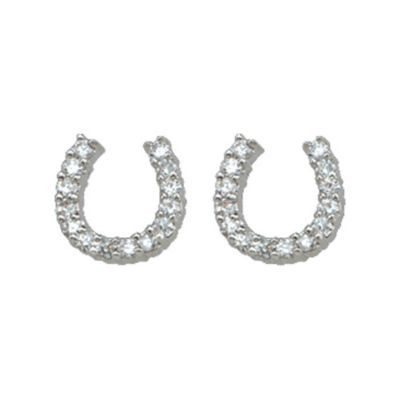
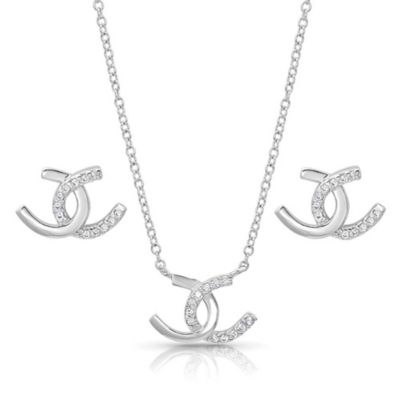
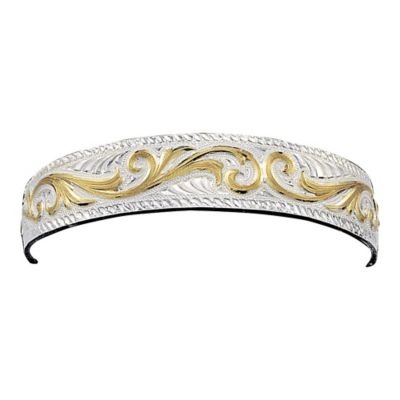
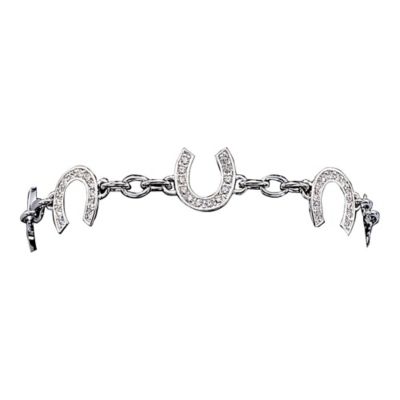
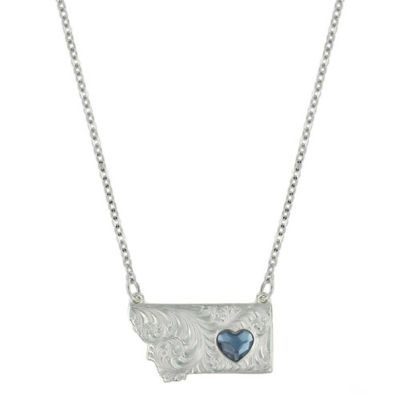
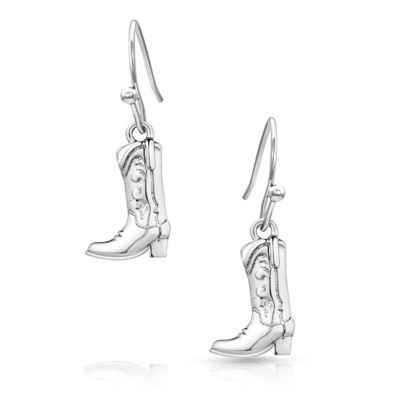
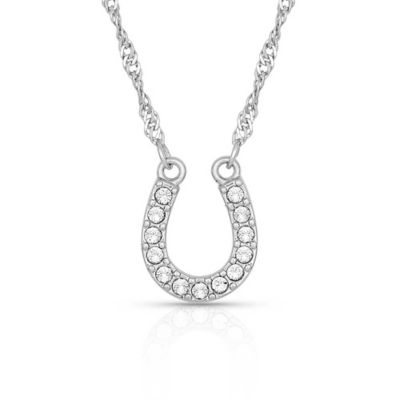
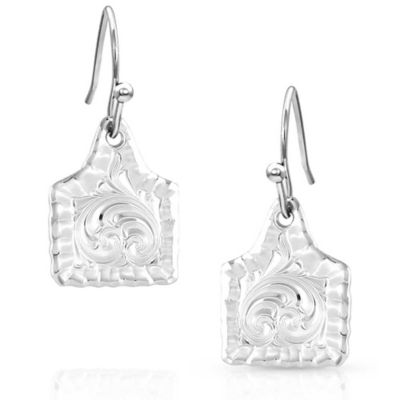
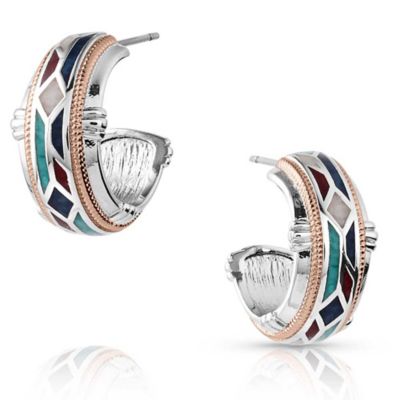
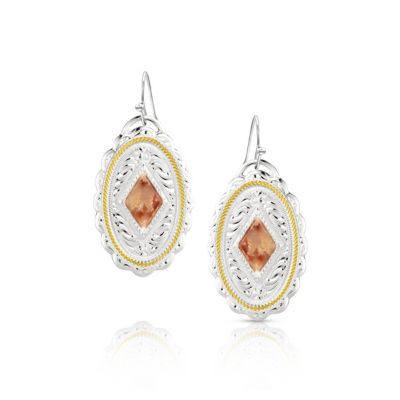
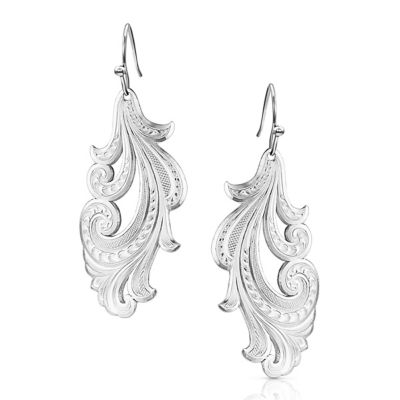
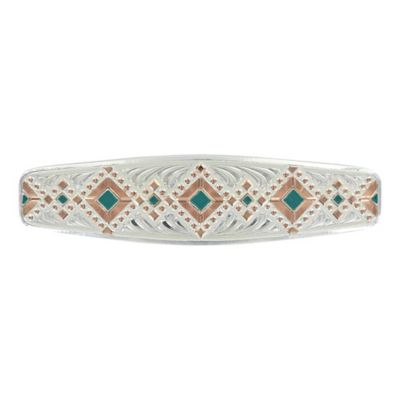
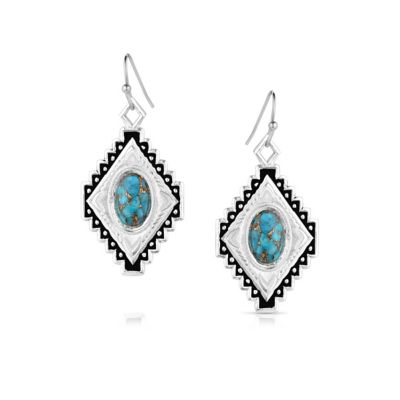
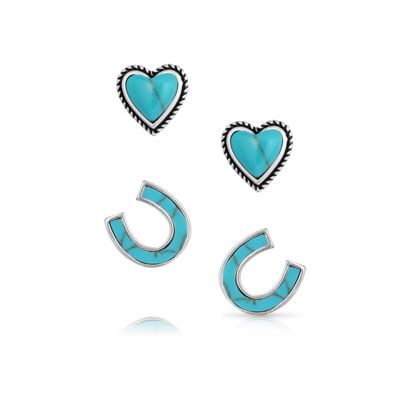
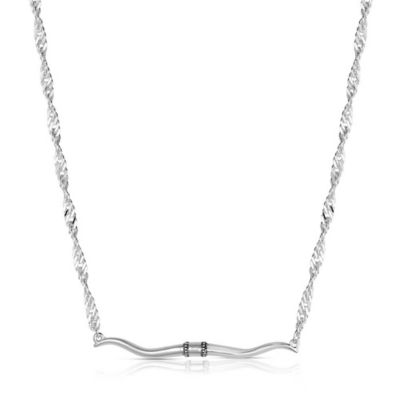
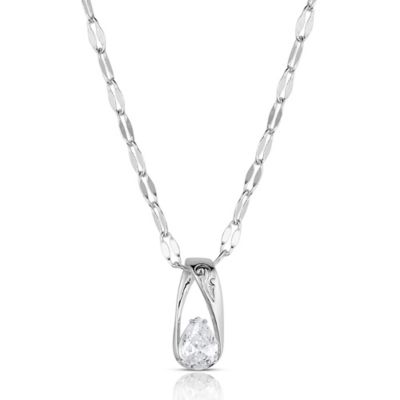
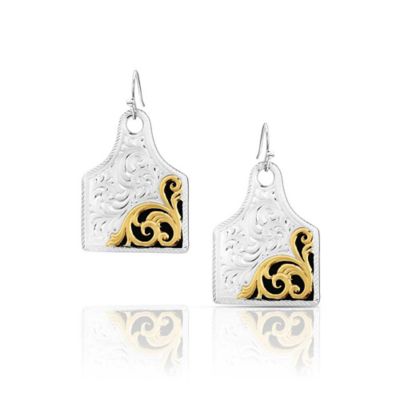
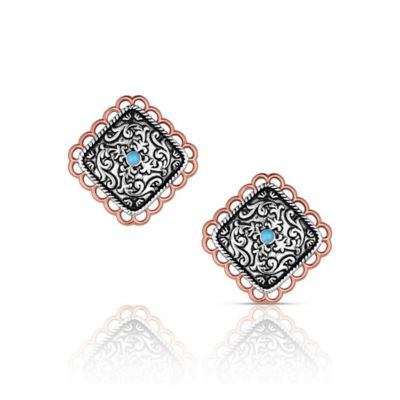
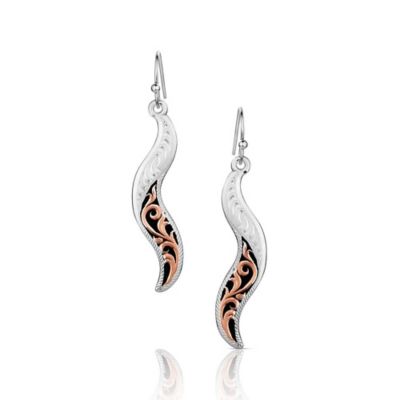
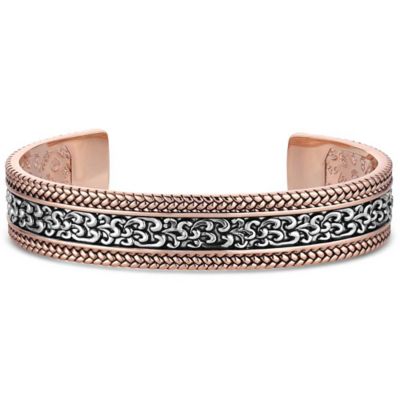
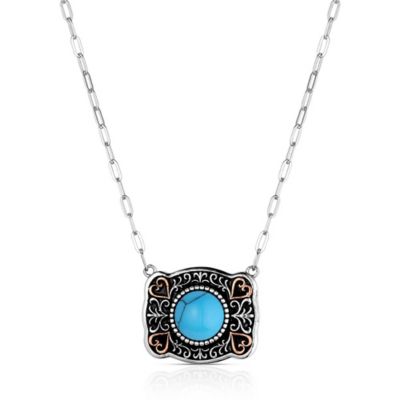
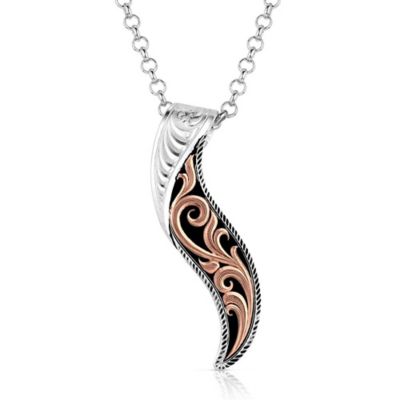
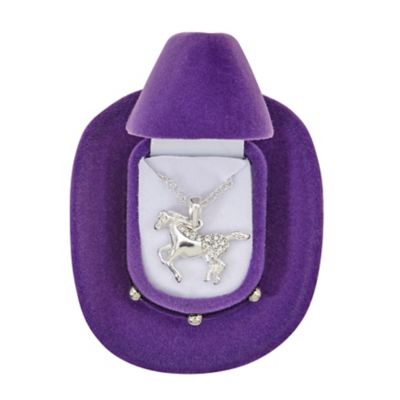
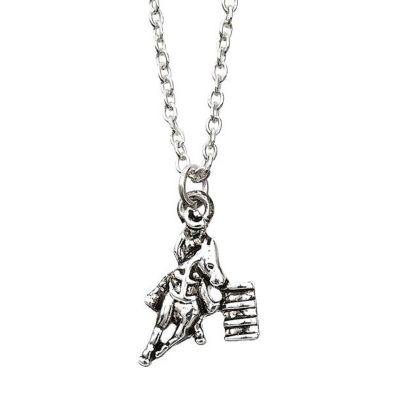
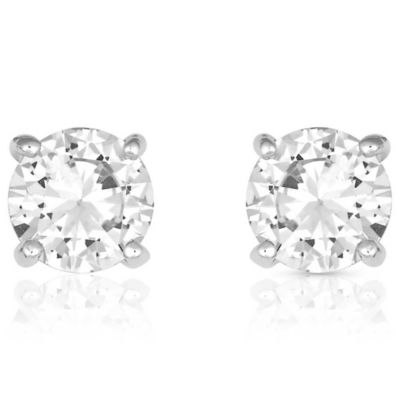
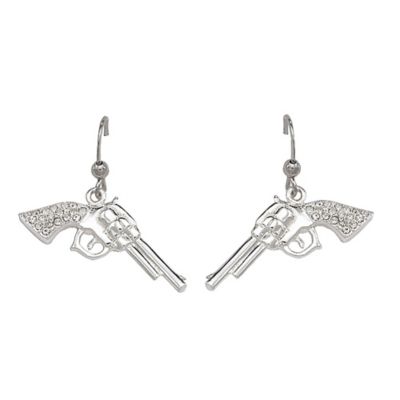
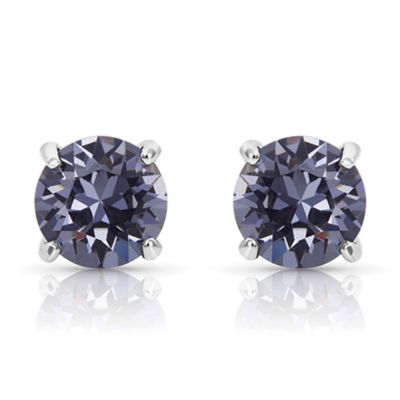
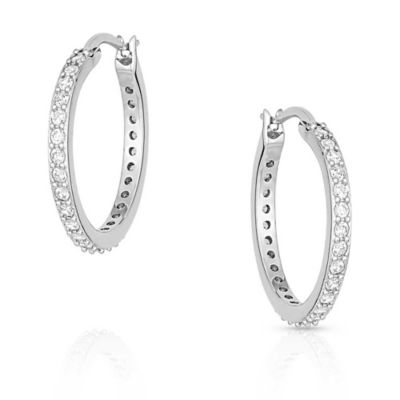
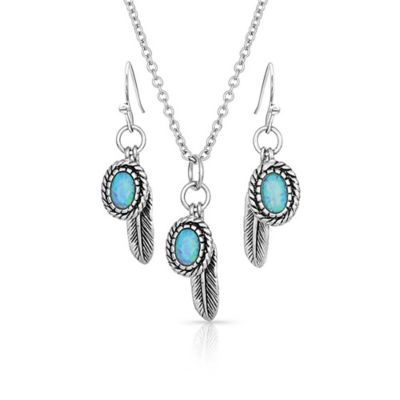
Small western jewelry gifts bring a little ranch-country character to something easy to wear and easy to give. Necklaces, earrings, bracelets and rings can carry familiar western details without the size or weight of a bold statement piece. Horseshoes, boot shapes, stars, rope borders and concho-inspired patterns connect these smaller accessories to horseback traditions, rodeo style and the clothing worn around ranches and small towns. A horseshoe often serves as a good-luck symbol, while a boot or horse motif can reflect someone’s connection to riding. Those details make the gift feel personal without needing a name or inscription. For a rodeo fan, a country music listener or someone who reaches for boots more often than dress shoes, a small piece of western jewelry can fit right into an established style. It can also suit someone who prefers just a touch of western character with a plain tee, a denim shirt or a simple dress. Small does not have to mean hard to notice: a contrasting stone, a bright metal edge or a neatly shaped pendant can provide plenty of detail at a modest scale. The best match usually comes from noticing what the recipient already wears. Someone who keeps the same earrings on most days may appreciate a lightweight, close-fitting shape, while a person who layers necklaces may enjoy a pendant that sits comfortably between existing chains. A coordinated jewelry set offers a pulled-together look, although the pieces can also be worn separately. Birthdays, graduations, anniversaries and thank-you gifts all suit this kind of keepsake, especially when the design reflects a shared interest or a meaningful milestone. For partners, friends, parents and adult children, western jewelry offers a way to recognize a connection to country life without choosing something that takes up much room. Its appeal comes from that balance: familiar imagery, wearable proportions and enough personality to feel like it belongs to the person receiving it.
Materials and construction shape how small western jewelry looks, feels and holds up through repeated wear. Sterling silver contains 92.5 percent silver and can develop tarnish over time, while silver-tone describes an appearance rather than a particular metal content. Gold-tone finishes likewise describe color and do not mean a piece is solid gold. Plated jewelry has a surface layer over a base metal, so friction, moisture and cleaning methods can affect its finish. For someone with metal sensitivities, the stated base metal, earring post material and coating matter more than whether a piece looks silver or gold. Stone descriptions deserve the same attention. Genuine turquoise, dyed stone, glass and resin can all bring blue or blue-green color to western jewelry, but they have different compositions and care needs. Veining or variation in color alone does not establish what a stone is. Clear material information helps match the gift to the recipient’s preferences, whether that means a particular metal or simply a favorite color. Fit matters just as much as appearance. A small pendant may still hang lower than expected on a long chain, and the pendant’s drop adds to where it rests against a shirt. An extender can offer flexibility when one is part of the design, but necklace length should still suit the wearer’s neckline and usual layers. Bracelets need enough room to move comfortably without sliding over the hand, while rings call for the right finger size rather than a guess based on appearance. With earrings, both overall weight and how far the design hangs below the ear affect comfort; a compact shape is not automatically lightweight. Secure closures, smooth edges and neatly seated stones are useful details to consider for jewelry worn often. These practical points matter for someone who spends the day moving between errands, a desk and chores, then wants the same accessory to look at home at supper or a local event.
Intended use helps separate an easy everyday accessory from a piece better saved for going out. Small studs or a short pendant can work well with a button-up shirt, while a little movement in an earring or bracelet can bring extra detail to an outfit for a country concert or rodeo grandstand. Even a small piece deserves some thought around hands-on work. Rings, loose bracelets and hanging necklaces can catch on machinery, fencing or tack, so jewelry should come off before tasks where snagging could cause injury. Close-fitting jewelry is not a substitute for that precaution. Giving the recipient a simple place to store the piece helps keep it out of a pocket or loose in a truck console when it needs to come off. Separate compartments or soft pouches also limit rubbing between chains, stones and metal surfaces. For routine care, a soft, dry cloth is a sensible starting point, followed by the maker’s directions for the exact material. Polishing cloths intended for bare silver may not suit plated finishes, and soaking or strong cleaners can affect some stones, coatings and settings. Perfume, lotion, sweat and water can also change the appearance of certain materials, so putting jewelry on after personal-care products and taking it off before swimming helps reduce exposure. Chains store best without tight knots, and checking a clasp or earring back before wear can prevent a small keepsake from slipping away unnoticed. When choosing a gift, a familiar motif and comfortable proportions often mean more than an elaborate presentation. A horse detail might recall time spent riding together; a star or simple metal shape can suit someone whose western style is quieter. For a gift that pairs a personal keepsake with an everyday essential,
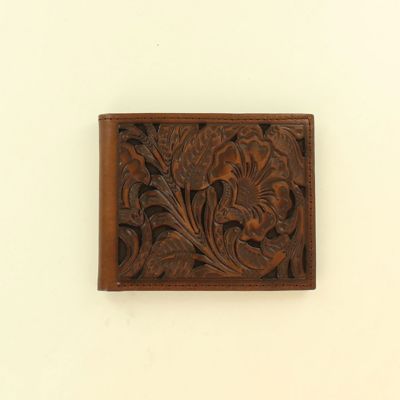
Western Wallet Gifts fit naturally alongside western jewelry. The lasting appeal is in choosing something that feels at home with the recipient’s clothes, routines and connection to country life.