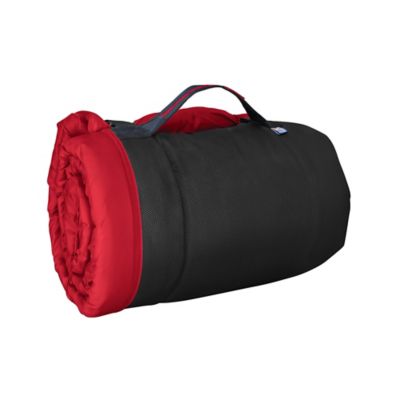
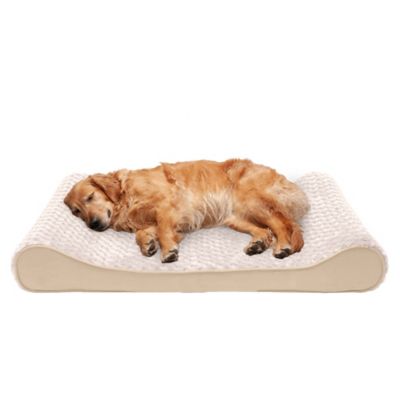
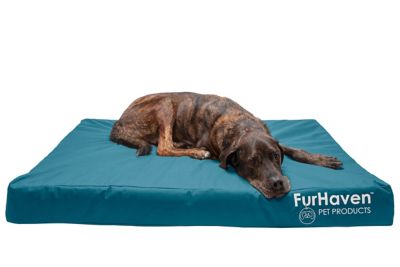
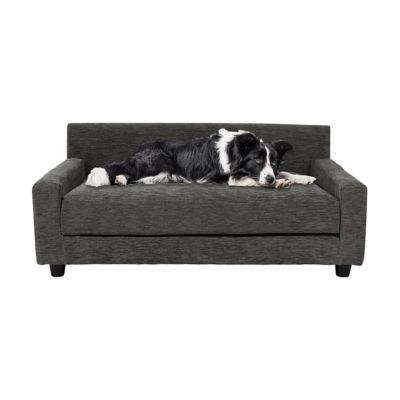
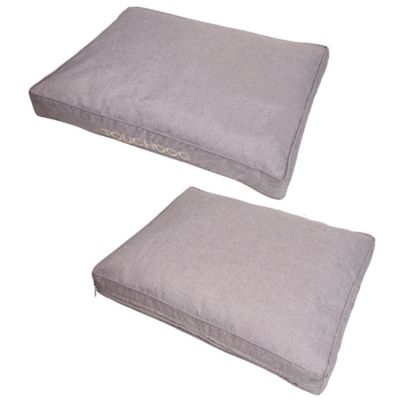
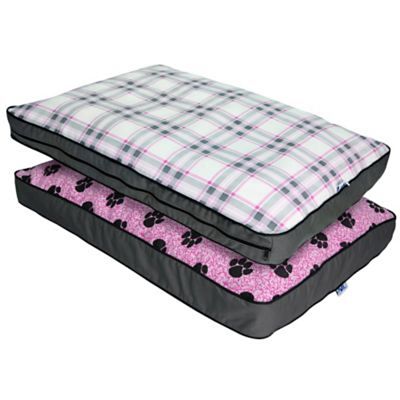
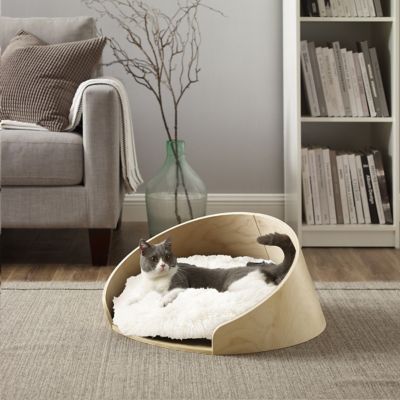
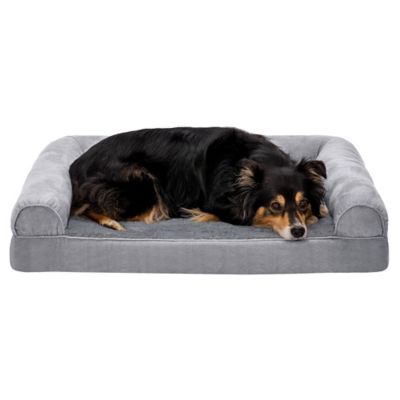
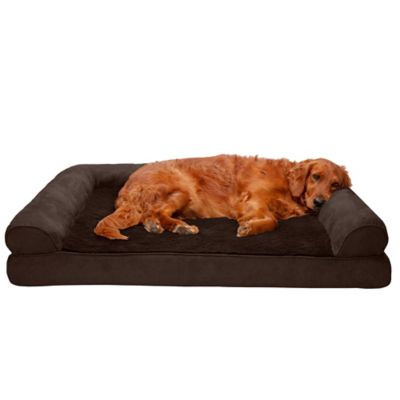
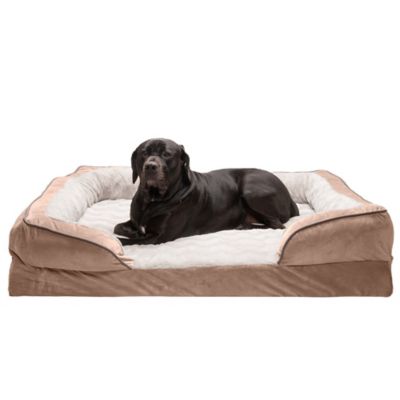
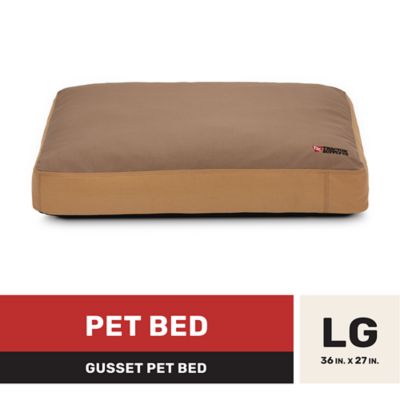
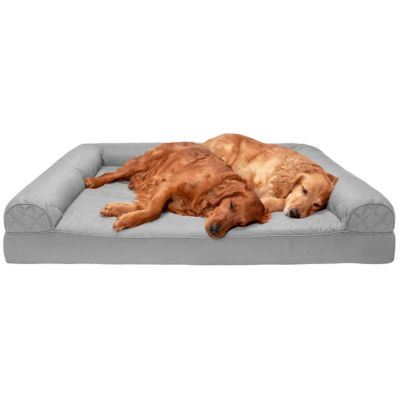
Water-resistant dog beds give dogs a comfortable place to settle while helping keep damp paws, light spills and everyday moisture from soaking into the bed’s filling. They make sense in a mudroom after a walk through wet grass, beside the back door after chores or in a quiet corner where a dog likes to nap between trips outside. The important difference is that water-resistant does not mean waterproof: a water-resistant cover can slow moisture penetration, but standing liquid, saturated fabric or an accident left unattended may still reach the cushion. Protection depends on the whole bed, including its fabric, backing, seams and zipper openings. Some beds pair a water-resistant outer cover with a separate waterproof inner liner to help shield foam or other filling. A removable, machine-washable outer cover adds another practical layer, making it easier to clean the surface without washing the entire bed. Tightly woven polyester and nylon are common cover materials, sometimes paired with a coating or backing that helps repel moisture. A smoother surface may make loose hair and dried dirt easier to brush away, while a softer sleeping panel can feel inviting during the cooler months. Neither fabric texture nor a tough-looking weave tells the whole story, so the listed materials and care directions matter more than appearance alone. For a dog that comes home with a damp belly after checking the fence line, resistance to light moisture may be enough for ordinary cleanup. For a puppy still learning house manners or an older dog having accidents, a waterproof liner beneath a washable cover offers an additional barrier worth considering. Even then, prompt cleanup matters. These beds help manage the mess that comes with life alongside a dog; they do not replace drying a wet coat, checking the bedding or giving the sleeping spot time to air out.
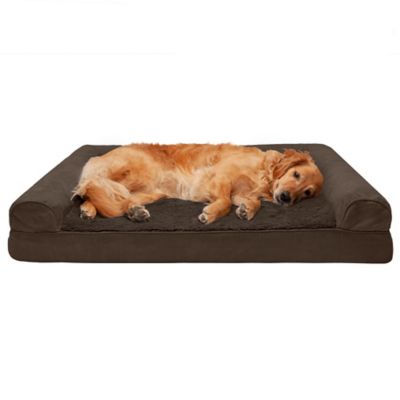
Fit and support matter just as much as moisture protection, especially for a dog that spends a good part of the day stretched out on a bed. Measure the dog while resting in a favorite position, then compare that space with the bed’s actual sleeping area rather than its outside dimensions alone. Raised sides take up room, and a bed that looks roomy along the outside edge can feel snug between the bolsters. A long-legged dog that sleeps flat on one side needs space for paws and head, while a dog that curls into a ball may appreciate cushioned edges to lean against. Weight guidance is helpful, but body length, sleeping habits and cushion thickness also affect the fit. A cushion should keep the dog comfortably supported rather than flattening against a hard floor. Solid foam offers a different feel from loose fiber fill, and memory foam can contour around the body; the best match depends on the dog’s size, preferences and ease of movement. For an older dog or one with limited mobility, a low entry makes getting on and off less of a step, while a steady base helps keep the bed from sliding across a smooth floor. A non-slip bottom may help, though its grip depends on the flooring and whether the surface underneath is clean and dry. Crate beds need a closer fit: compare the crate’s interior measurements and allow the door to close freely without bunching the cushion. For broader sleeping spaces and easier cover cleanup,
Washable Large Dog Beds are another option for dogs that need room to stretch. A water-resistant bed can also be a thoughtful gift for a household welcoming a dog, provided the recipient’s space and the dog’s measurements are known. Whether the bed lands beside a living room chair or along the mudroom wall, enough room to rest naturally counts more than an oversized footprint that blocks the walkway.
Everyday care helps a water-resistant dog bed stay comfortable through muddy outings, shedding seasons and long evenings indoors. A removable cover is handy, but “washable” can refer to different parts of a bed, so check whether the cover, liner, filling or complete bed can go into the machine. Large covers also need enough room to move freely in the washer. Follow the care label for detergent, water temperature and drying method, since high heat or certain laundry treatments can affect coatings, backing and fabric. Blot fresh moisture promptly, lift away solid messes and clean the affected area as directed instead of allowing liquid to sit against seams. When an accident reaches beneath the cover, inspect the liner and cushion rather than assuming the surface tells the full story. All washable components should dry completely before the bed is put back together; moisture trapped around filling can contribute to odors and mildew. An extra compatible cover can keep the routine moving when one is in the wash, particularly in a home with several dogs taking turns in the same resting spot. Between wash days, removing hair and grit helps keep abrasive dirt from working into the fabric. Reinforced seams, protected zipper placement and a closely woven cover are useful construction details to consider for regular wear, but water resistance does not make a bed chew-resistant. Dogs that mouth corners, dig before settling or pull at zippers need supervision, and torn bedding or exposed filling calls for prompt attention. Placement makes a difference, too. A water-resistant bed intended for indoor use should not be treated as an all-weather outdoor bed. For a covered porch or sheltered resting spot, look for an outdoor-use designation and bring the bed inside during rain or prolonged damp conditions unless its instructions say otherwise. Keep it away from heaters and open flames, and check the floor beneath it for moisture. With the right fit, suitable moisture protection and a manageable cleaning routine, the bed can give a dog a welcoming place to rest after a full day underfoot.