Water softeners are whole-home water treatment systems designed to reduce the calcium and magnesium minerals that cause hard water. These minerals are naturally picked up as water moves through soil and rock, and they can leave behind white scale on faucets, shower doors, coffee makers, water heaters, dishwashers and washing machines. Hard water may also make soap and shampoo harder to rinse away, leaving a filmy feel on sinks, tubs, hair and skin. A properly sized softener helps make everyday water feel cleaner and can help protect plumbing and water-using appliances from mineral buildup over time. Most traditional water softeners use an ion-exchange process. As hard water passes through a tank filled with small resin beads, positively charged calcium and magnesium ions cling to the beads. Sodium ions take their place in the water, reducing hardness before the water travels through the home. The resin eventually fills with captured minerals, so the system runs a regeneration cycle using salt and water to flush the minerals away and recharge the beads. This means a softener is more than a filter pitcher or an under-sink unit; it is generally installed where water enters the home so treated water can reach showers, faucets, laundry areas and appliances throughout the house. A water softener can be a practical upgrade for a farmhouse, country home, rental property, workshop with living quarters or any household dealing with stubborn scale. It can also make a thoughtful housewarming gift for someone moving into a new home, especially when hard water is already leaving rings around fixtures or making laundry feel rough.
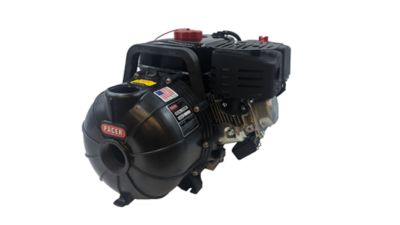
Choosing the right water softener starts with the water supply and the needs of the household. City water and well water can both be hard, but well water may call for additional testing because it can also contain iron, manganese, sediment or other issues that affect treatment. A water hardness test can provide a reading in grains per gallon, which is one of the main numbers used to select system capacity. Household size, the number of bathrooms, typical water use and the number of people showering or doing laundry at the same time also matter. A small home with one or two occupants may need less capacity than a busy household with several bathrooms, frequent laundry and livestock or outdoor water use. Check the unit’s rated grain capacity and flow rate rather than choosing by tank size alone. Grain capacity indicates how much hardness the system can handle between regeneration cycles, while flow rate helps determine whether the system can keep up when several fixtures are running. A softener that is too small may regenerate often and use more salt and water, while an oversized unit may cost more than necessary. Installation details deserve attention, too. Look for a location near the main water line with access to a drain, an electrical outlet when required, room to add salt and enough clearance to service the tanks. A bypass valve is handy when working on the system or watering the garden with untreated water. Homes with private wells should also account for the well pump’s capacity and available water pressure. If a property uses significant water for barns, irrigation or other work around the acreage, keep those demands separate from the household softening plan when possible. For larger water-moving jobs around a property, explore
Commercial Water Pumps as a separate equipment category rather than sizing a household softener for uses it was not built to handle.
Salt-based water softeners need routine care, but the maintenance is usually straightforward. Check the brine tank and add the recommended type of softener salt before the level gets too low. Depending on water use, hardness and the system’s settings, salt may need to be added every few weeks or at another regular interval. Keep the tank area dry and clear, watch for salt bridging or a hardened layer that keeps salt from reaching the water below, and follow the manufacturer’s instructions for cleaning and service. The regeneration schedule may be based on a timer, water usage or both. Demand-based systems can regenerate according to actual household use, which may help limit unnecessary salt and water consumption. It is also wise to test the water after installation and from time to time afterward, particularly when a home uses well water or water quality changes with the seasons. A softener reduces hardness minerals, but it is not a complete water purification system and is not intended to remove every contaminant. A separate sediment filter, iron treatment system, carbon filter or drinking-water system may be needed depending on test results. Because ion-exchange systems add a small amount of sodium to treated water, households following a strict low-sodium diet should review the water treatment plan with a medical professional and consider whether a separate drinking-water treatment option is appropriate. Salt-based systems can also be subject to local rules because regeneration water contains chloride, so check municipal requirements before installation. During the cooler months, protect equipment located in an unheated shed, garage or utility area from freezing temperatures, and make sure exposed plumbing is insulated as needed. With the right capacity, regular salt checks and a little attention to local water conditions, a water softener can help cut down on crusty fixtures, improve soap performance and keep hard-water chores from taking over the sink and shower.